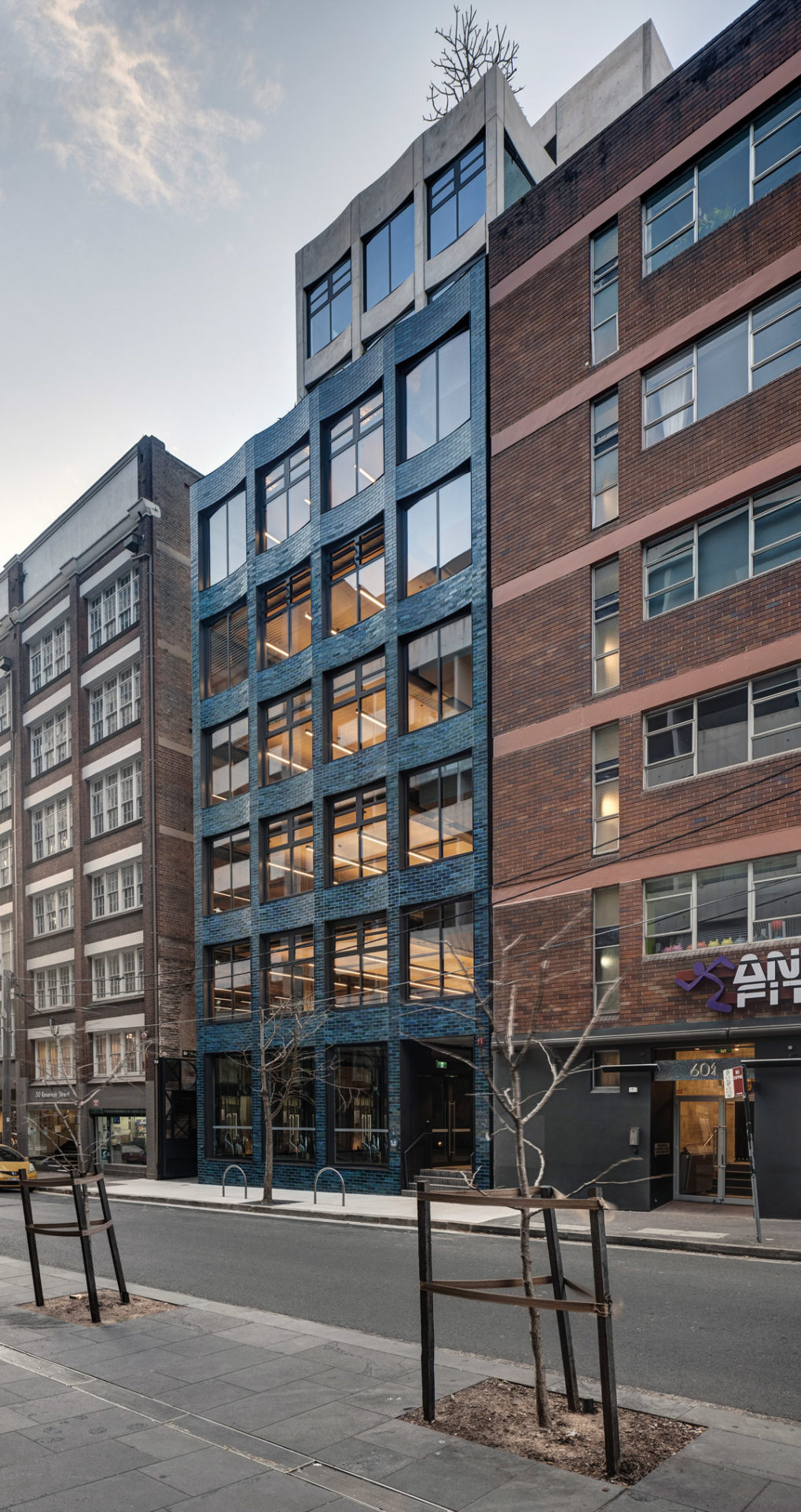
A series of gentle concave curves clad in a sparkling blue-green brick create a distinctive front facade at 52 Reservoir Street, an eight-storey office block in Sydney’s Surry Hills that otherwise embodies a rational, quiet approach to architecture. Lead architect Adam Haddow and his team from SJB won the design competition for their scheme, which also includes one key insertion – a new laneway for pedestrians.
Although introducing a thoroughfare did mean a loss of net lettable area, developers Cornerstone Property Group saw the benefits of this move. Creating a lane here brings light into the centre of what could have been a dark site thanks to a very narrow facade to the north, buildings to the east and west and the main facade facing the south, where there is less sunlight.
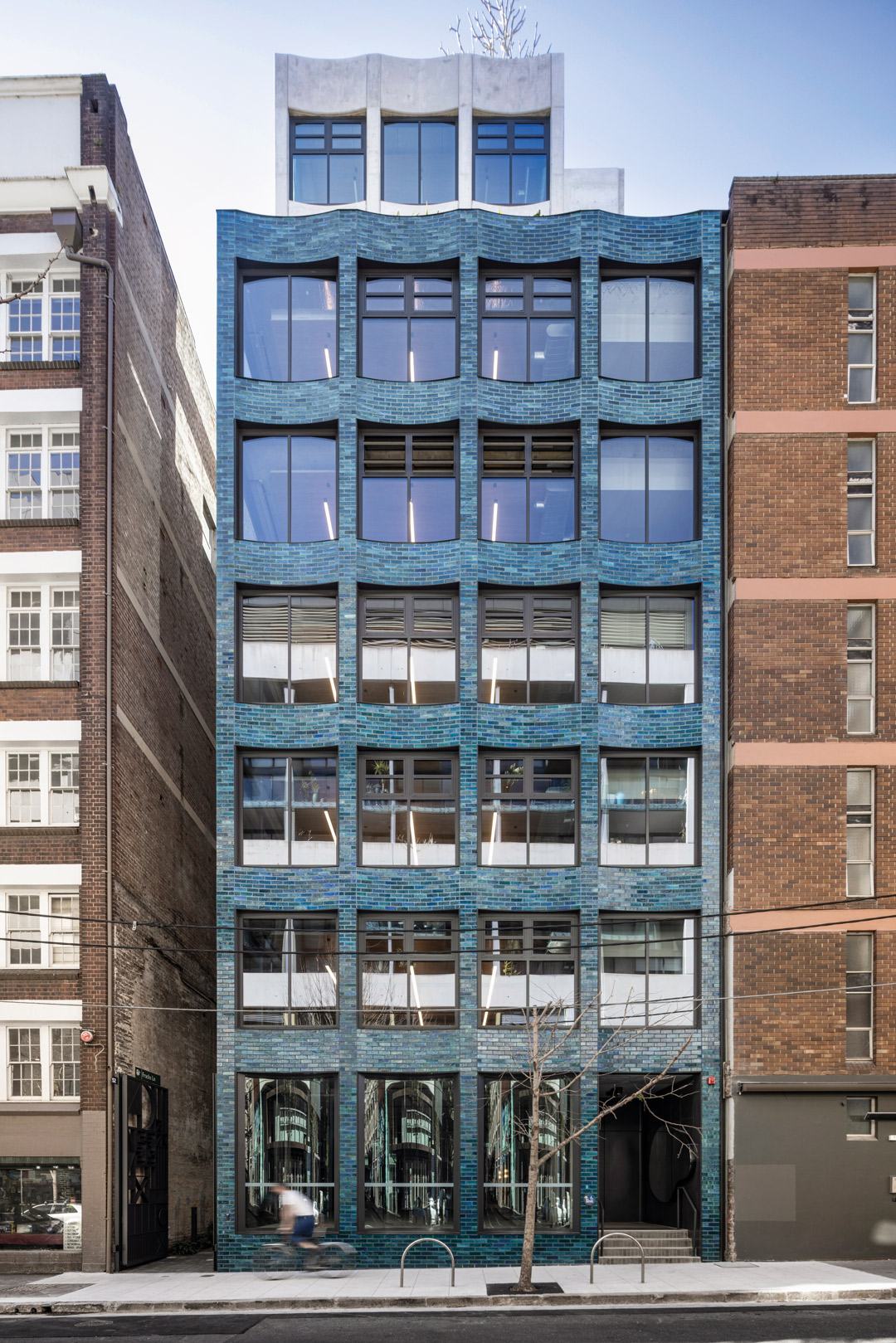
52 Reservoir Street in Sydney’s Surry Hills by SJB
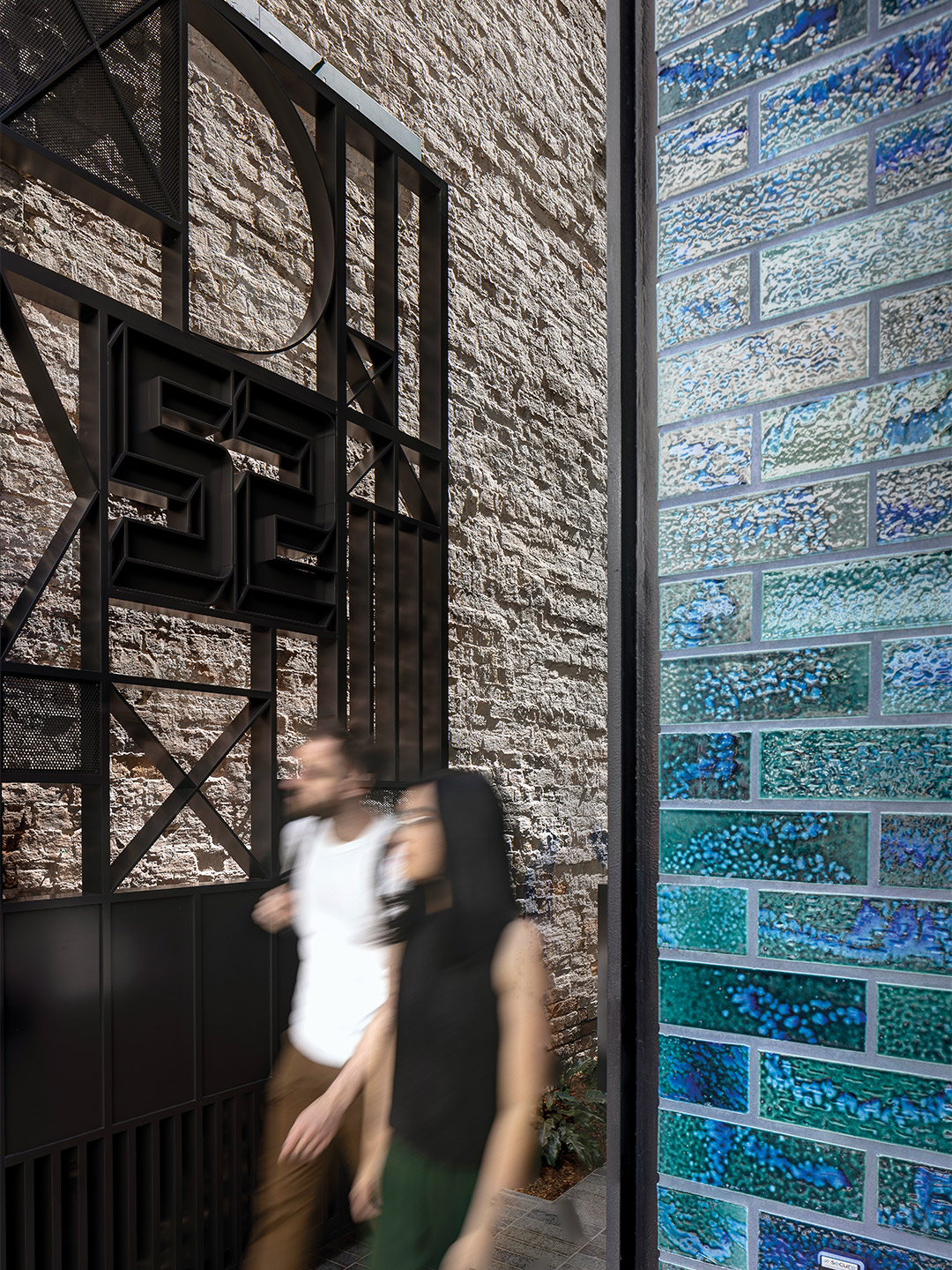
As well as letting in light, the introduction of this laneway means pedestrians are able to use it to get from Reservoir Street to Foster Street. For Adam, this particular feature was, at least in part, personal – when he lived near the back of this site many years ago, he was often frustrated by the lack of a laneway here. “When the competition came, I said, ‘Right, we are putting a laneway in’,” he says. “It’s the most annoying concave corner in Sydney that you can’t get through.”
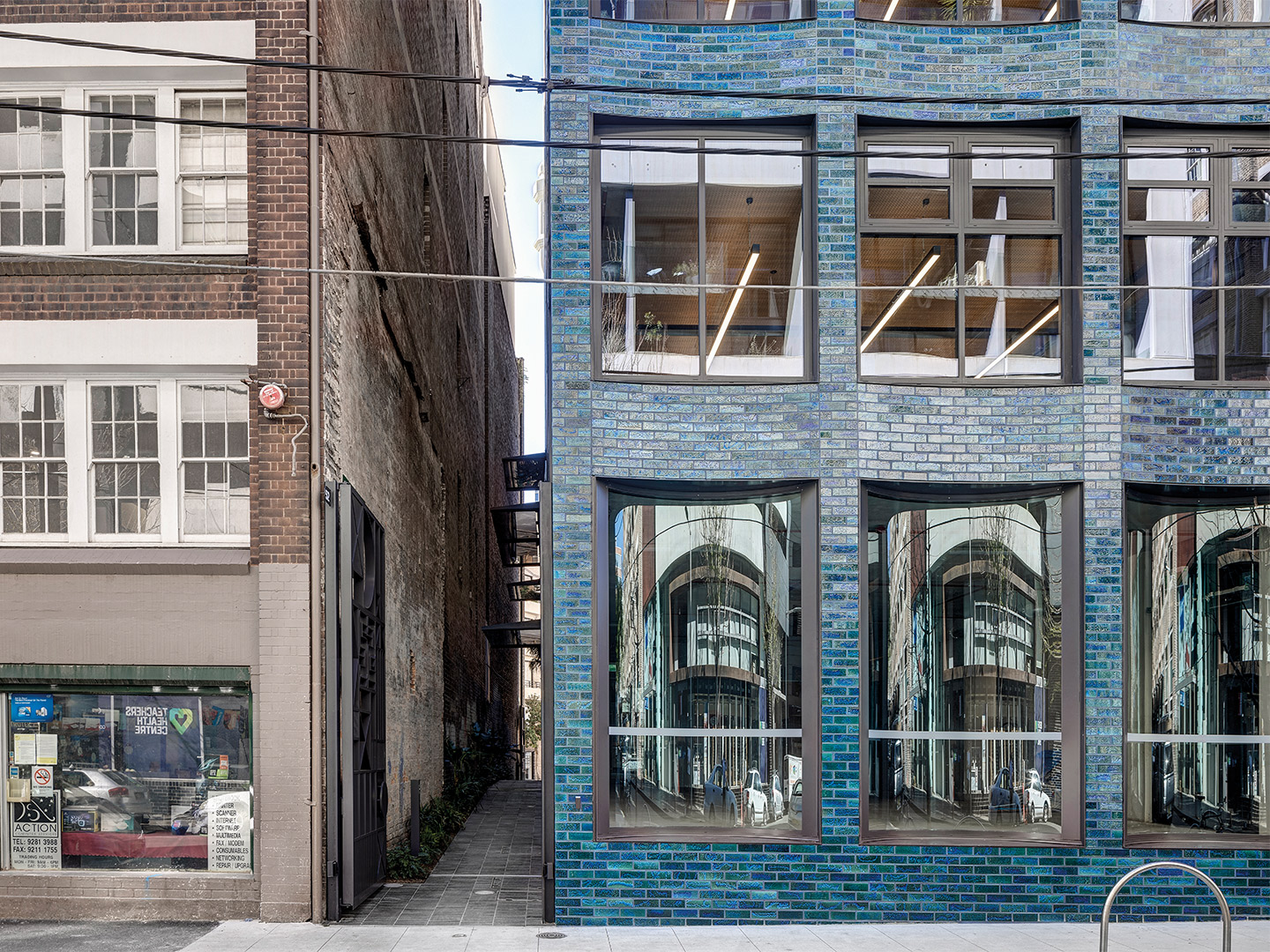
The lane is narrow, only large enough for pedestrians, and was inspired by some of the narrow ‘gaps’ in the historic precinct of The Rocks, like Nurses Walk. Another benefit was that the history of the brick wall adjacent is now revealed, showing its patina and history. “You can see how the city has grown and been demolished, revealing the old fabric of the city. I find that really beautiful,” Adam says.
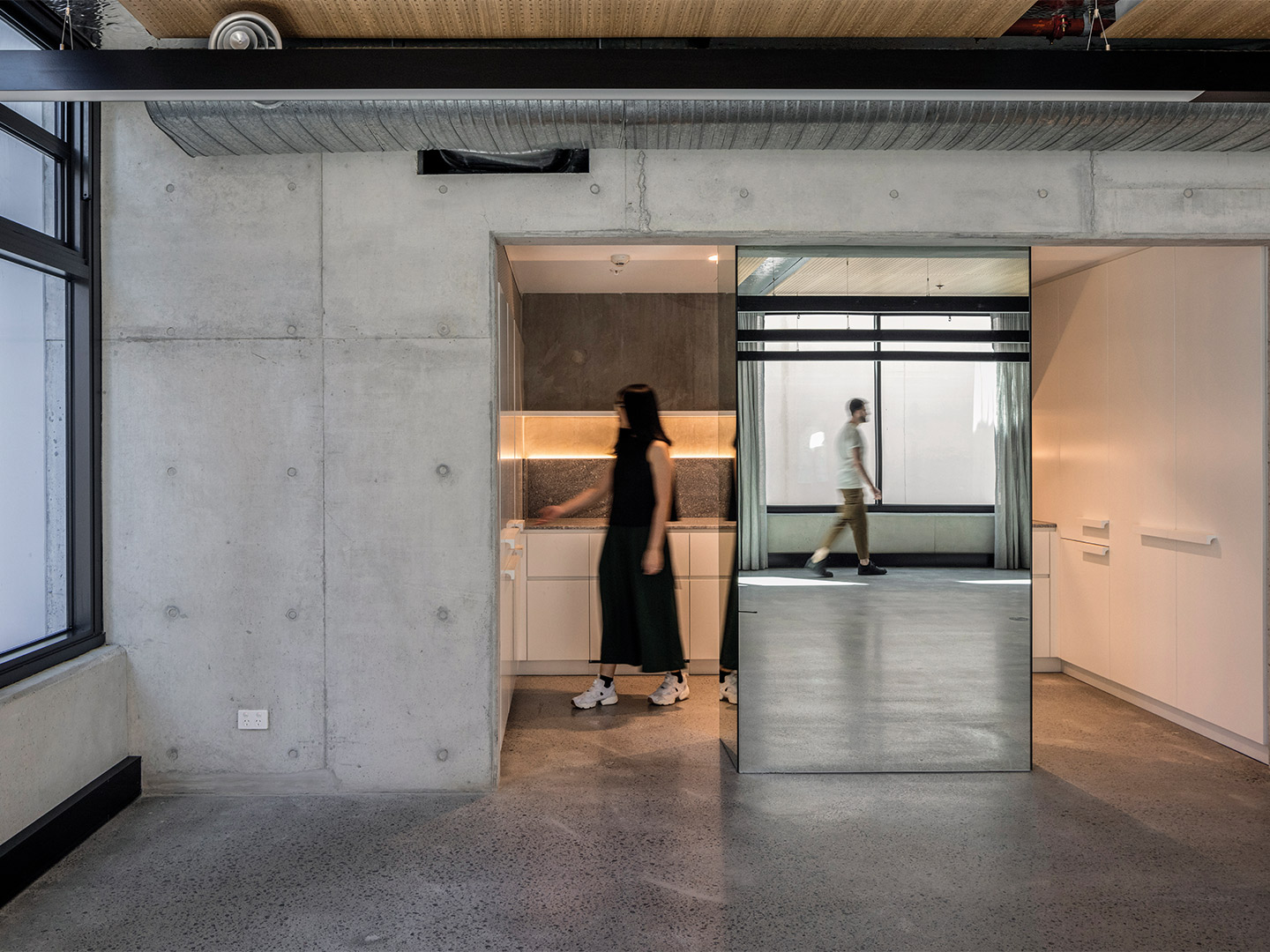
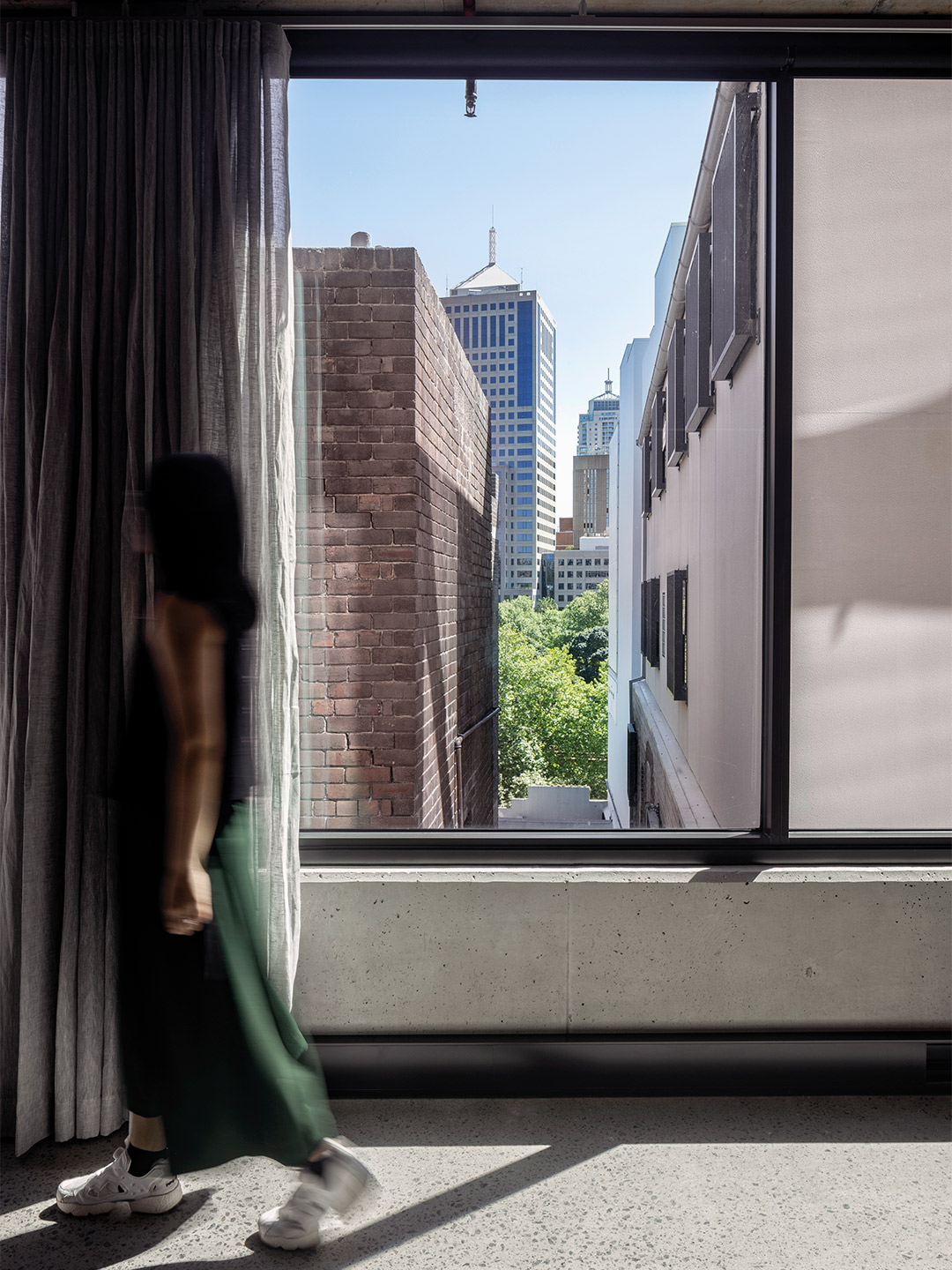
The building itself has a rational, rectilinear design, with one long rectangular floor per storey, and services (including lift, stairs, kitchens and bathrooms) all contained within one lift core to the eastern edge of the building. This means that the workspace is free from columns, with a hard-wearing functional concrete floor and timber ceilings to absorb sound. Large windows to the south on every floor bring in a diffuse light, while the curved shape of the facade and windowsills creates beautiful shadows inside.
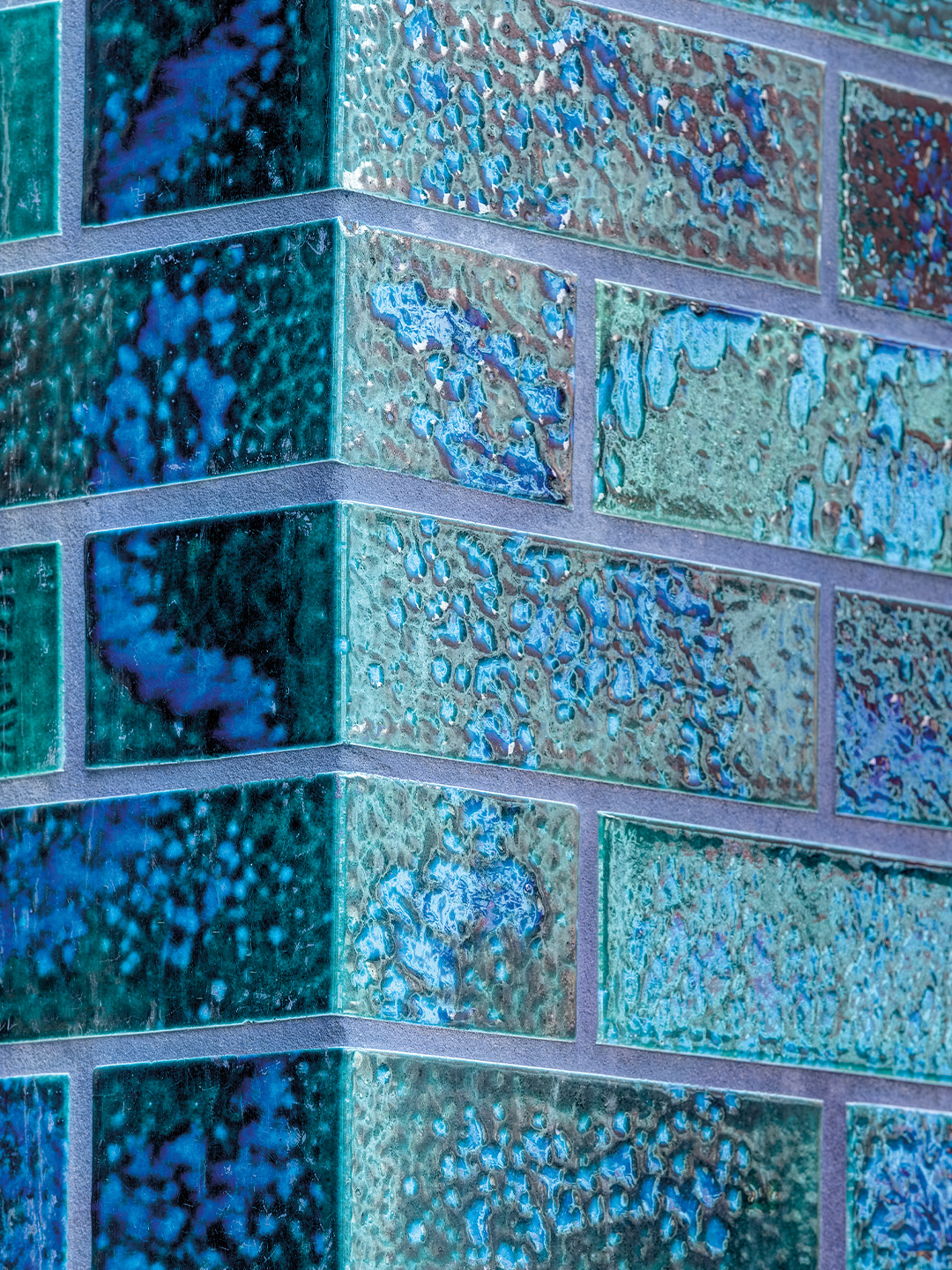
If the building itself is practical, the facade is its peacock tail, in modulating hues of bright blue and green. Created in a custom colour thanks to Brickworks, this is a thin brick that has been mechanically-fixed to the facade via an aluminium rail. The brick was inspired by the design team’s love of handmade pottery and glazes. “We had been looking at handcrafted pottery basins and asked if Brickworks could do so something like that. They said, ‘absolutely, let’s do it’,” says Adam.
The colour was the result of a back and forth process, with samples sent over from Italy for the design team to review. The final selection includes a range of bright blues and sea greens. Why these colours? “It’s the sky and Sydney and happiness,” Adam says. “It’s probably quite personal, but we just loved it.” Finding the right colour for the grout was the next challenge, but, after much back and forth with the bricklayers, a charcoal blue was selected because it blended rather than contrasted with the bricks, meaning the final look was “less like pixels on a background and more like a velvet fabric”.
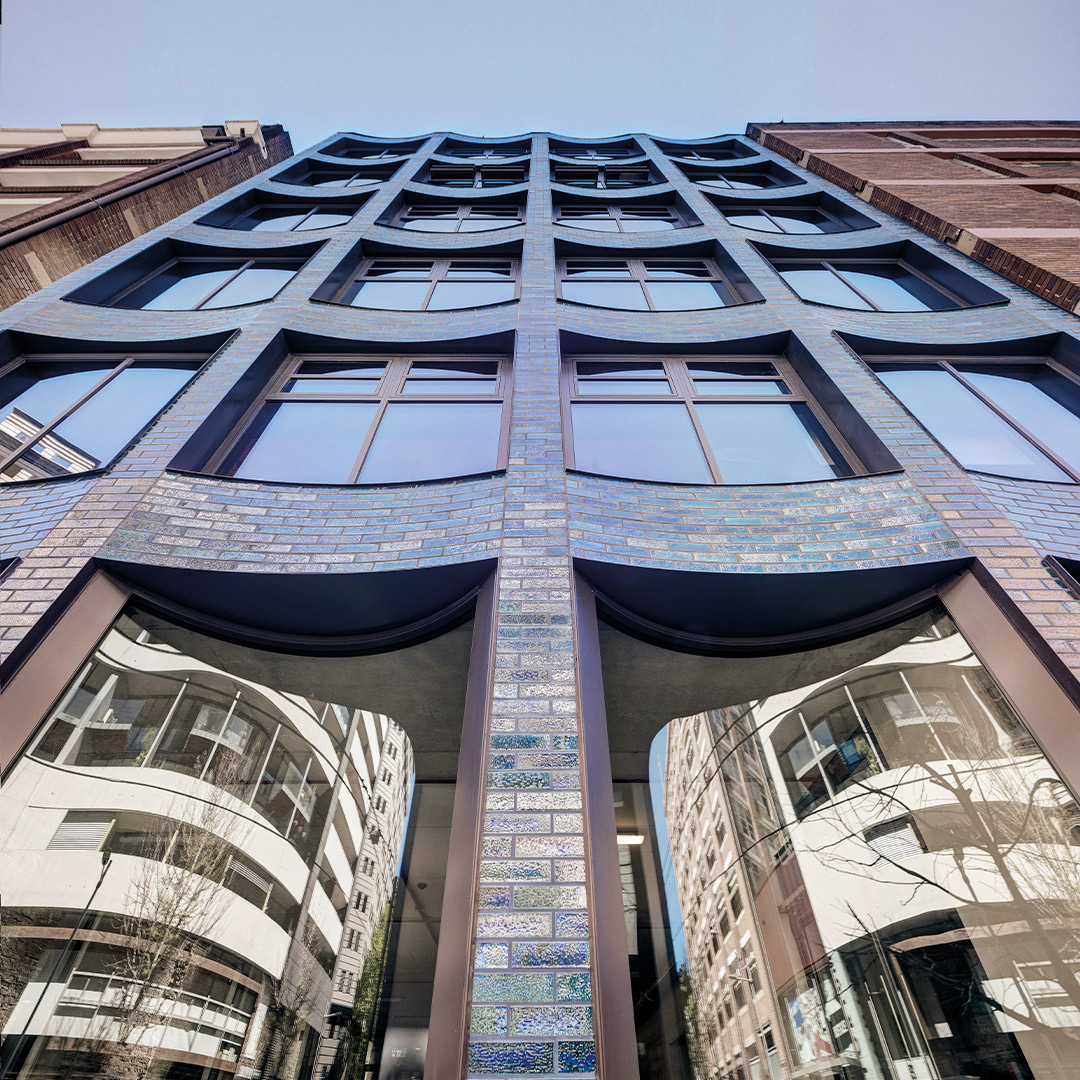
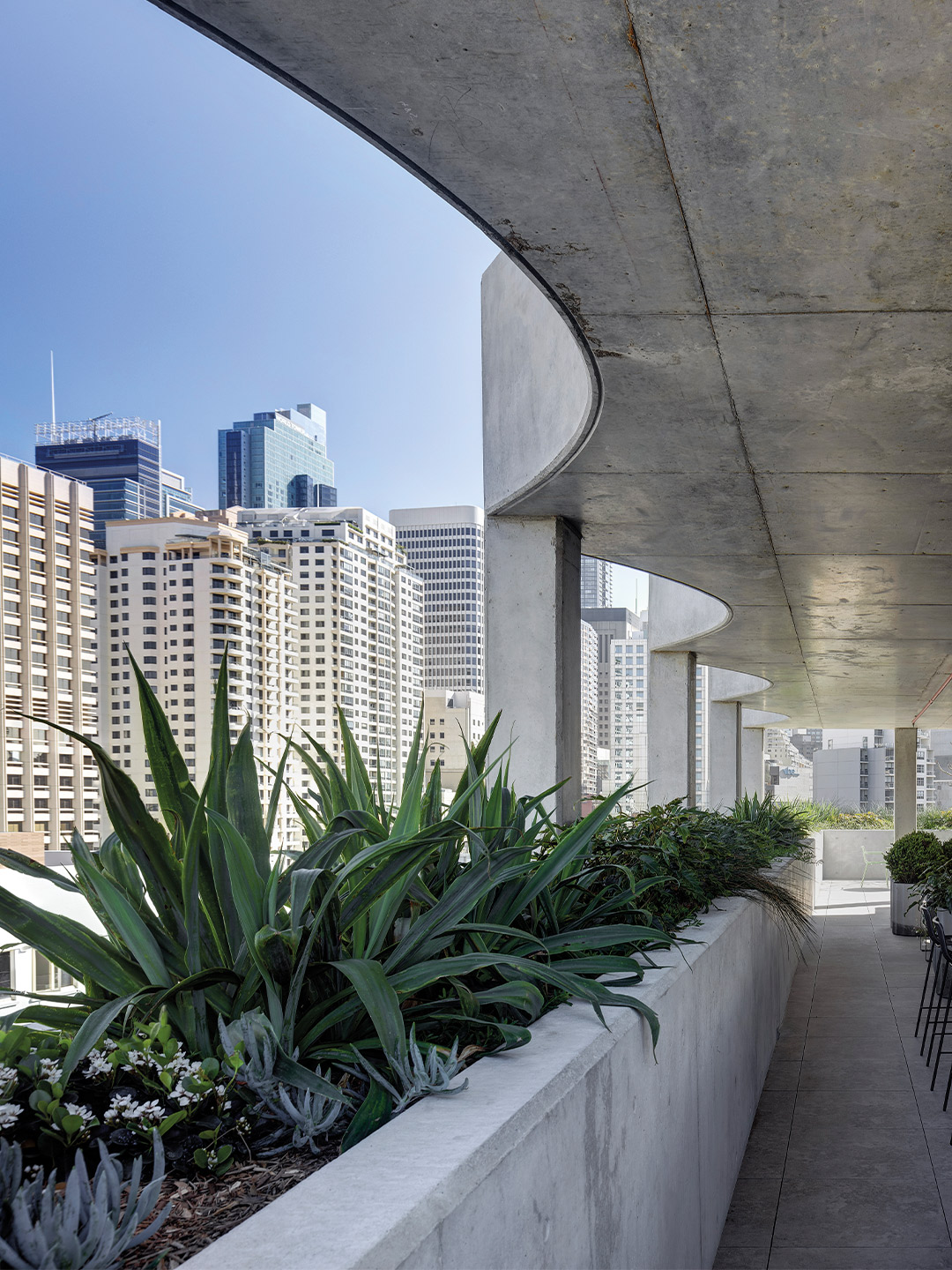
The shape of the facade is also what gives 52 Reservoir Street its characteristic look. There is a slight concave curve that runs along the front of the building, creating a subtle sense of movement, like shallow waves in what could have been a completely flat facade. Above the height of the surrounding brick buildings, the same curved facade continues for two more storeys, but here the concrete structure is revealed, and at a step back from the street. “It’s like a head coming up over the top of a jacket,” Adam says.
SJB’s design of 52 Reservoir Street is both respectful of its surroundings, with its new laneway and homage to nearby brick warehouses, and not afraid to take a risk, with its peacock blue facade. Adam and his team have achieved a design that is not jarring but is unmistakably contemporary. He describes it as a building that is “intriguing but not arresting”. An intelligent and delightful addition to the cityscape.
This feature first appeared in the fifth edition of FOLIO, a publication by Brickworks. Devoted to exploring how architectural ideas are turned into reality, the magazine presents world-class projects and experimental ideas in architecture and design. Request your free hard copy here.
If the building itself is practical, the facade is its peacock tail, in modulating hues of bright blue and green.
Love the 52 Reservoir Street office block in Surry Hills by SJB? Catch up on more spectacular commercial spaces and hospitality design and architecture. Plus, subscribe to the Daily Architecture News e-letter to receive weekly updates of the world’s best projects, ideas and exhibitions.
Related stories
- Hotel Les Deux Gares in Paris by Luke Edward Hall.
- Inside the Ace Hotel Kyoto by Kengo Kuma and Commune.
- Holiday maker: The Calile Hotel by Richards and Spence.
- Plesner Architects delivers decadence at the Six Senses Shaharut resort in Israel.
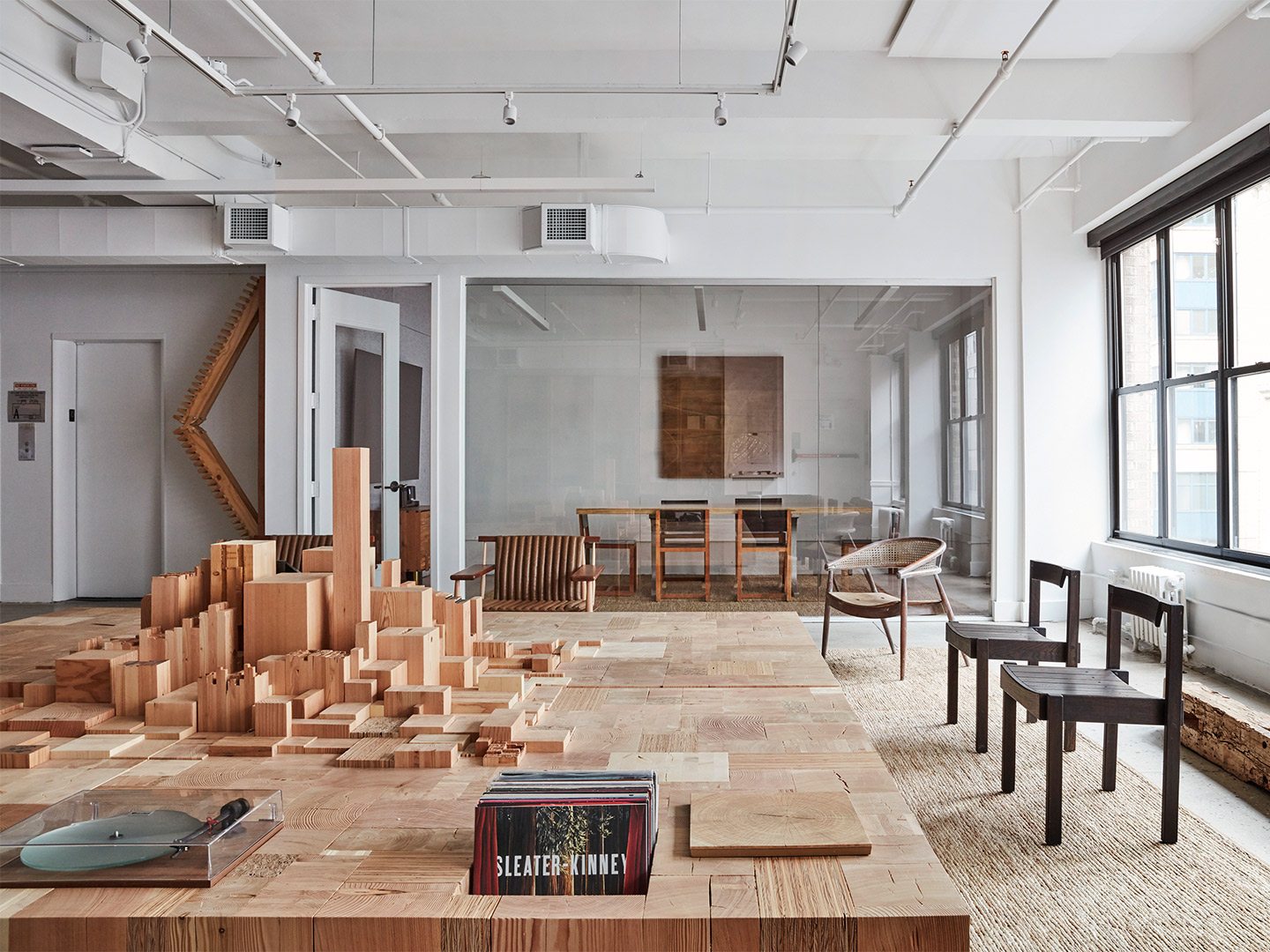
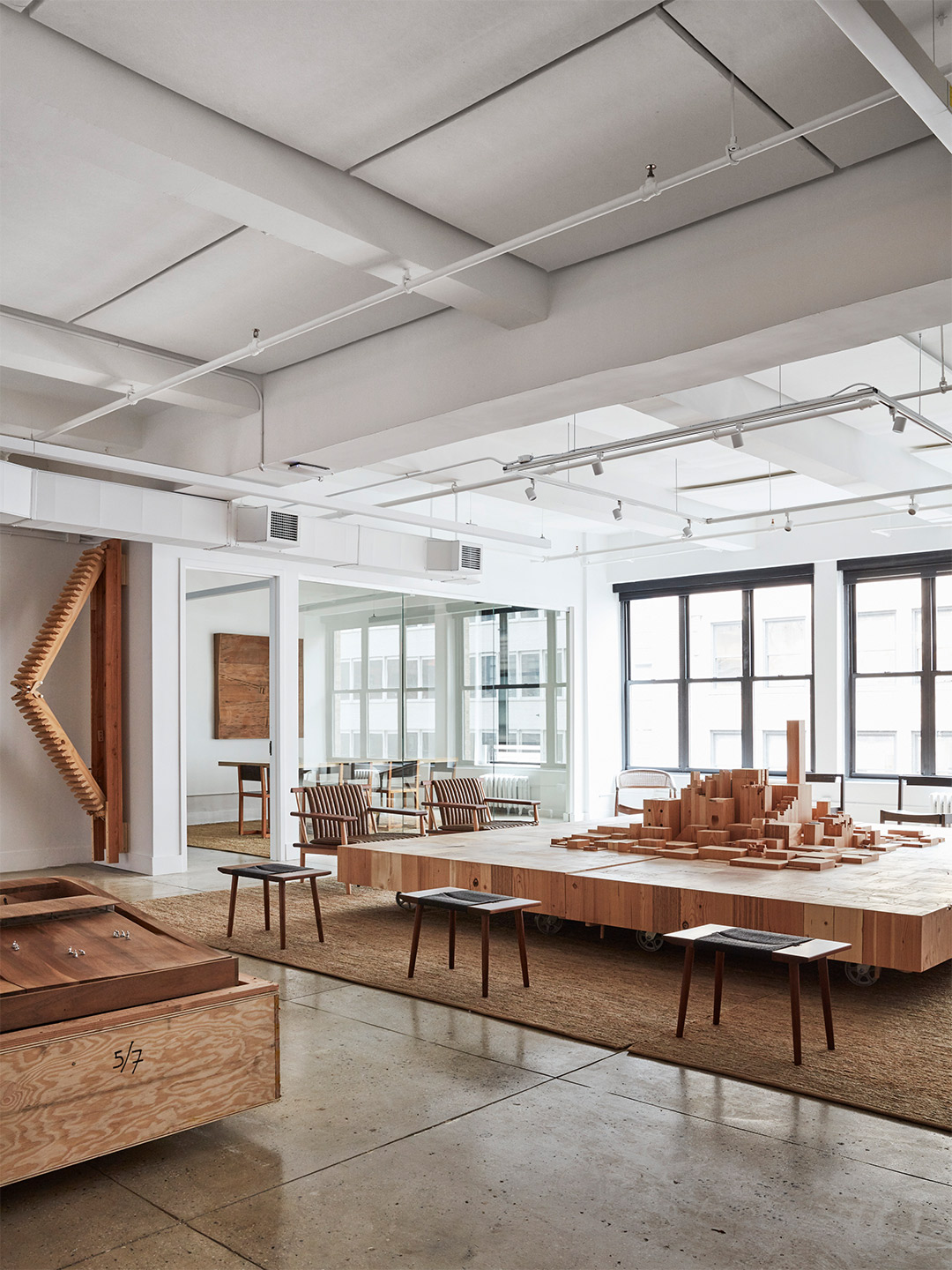
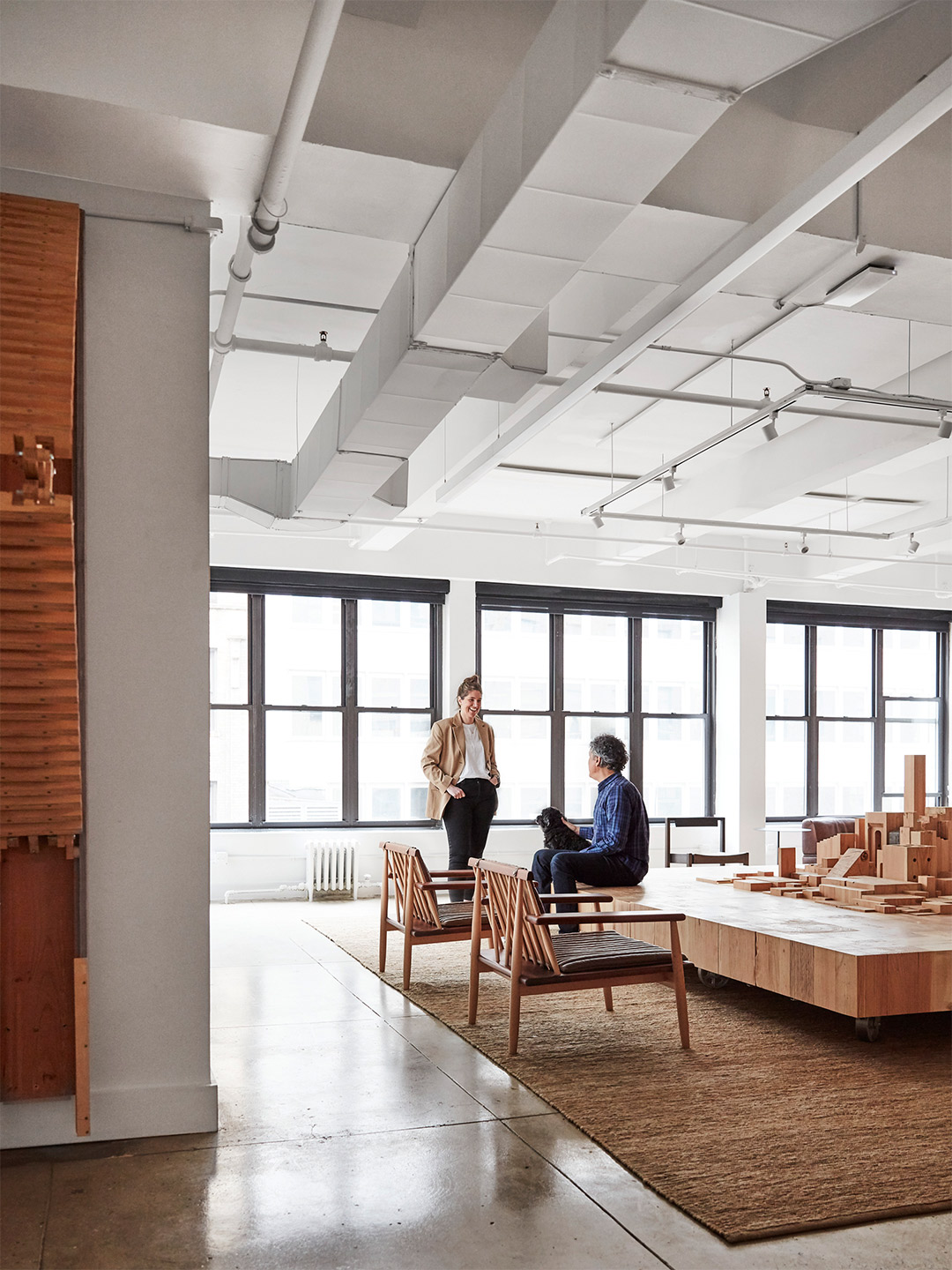
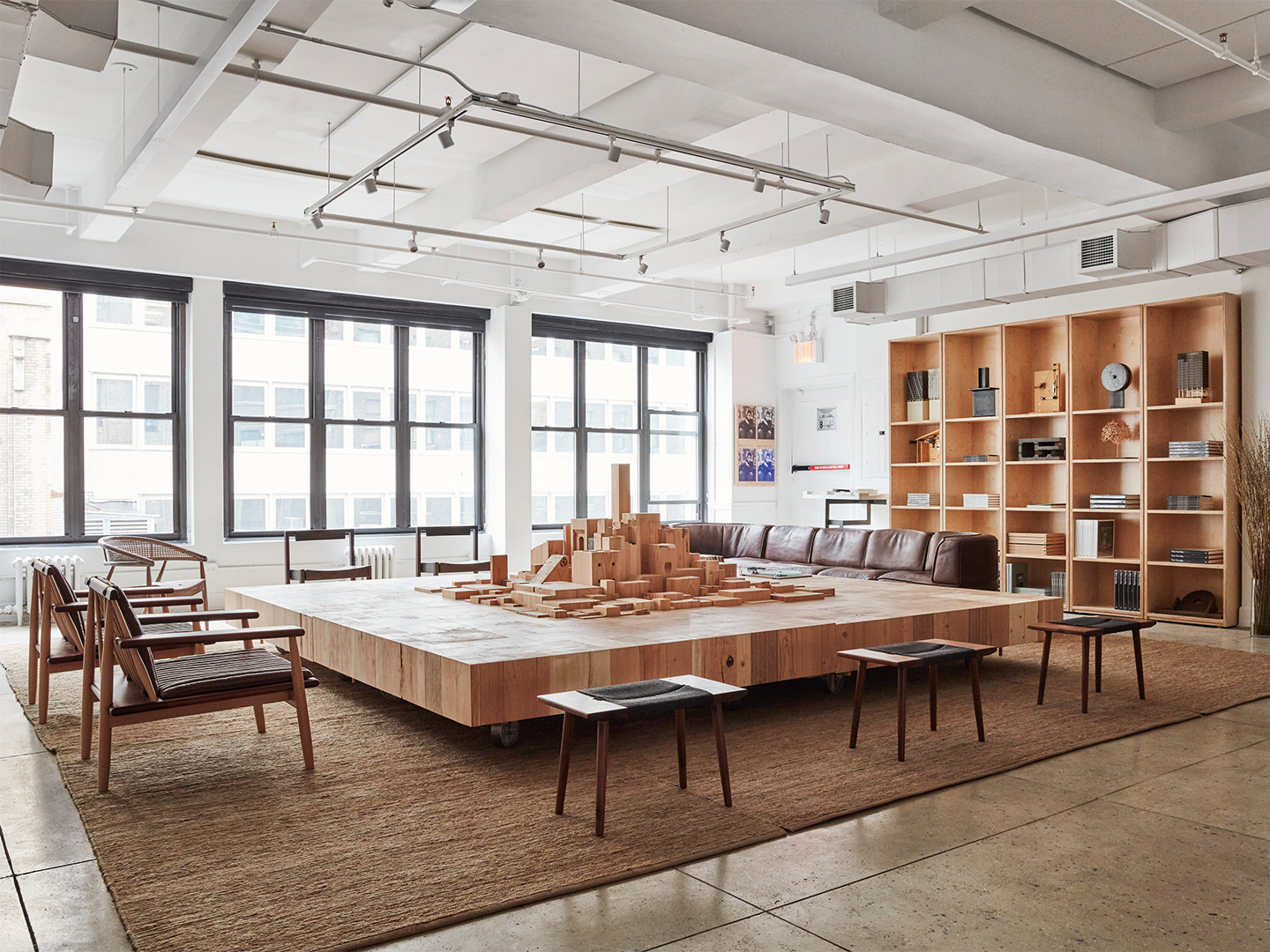
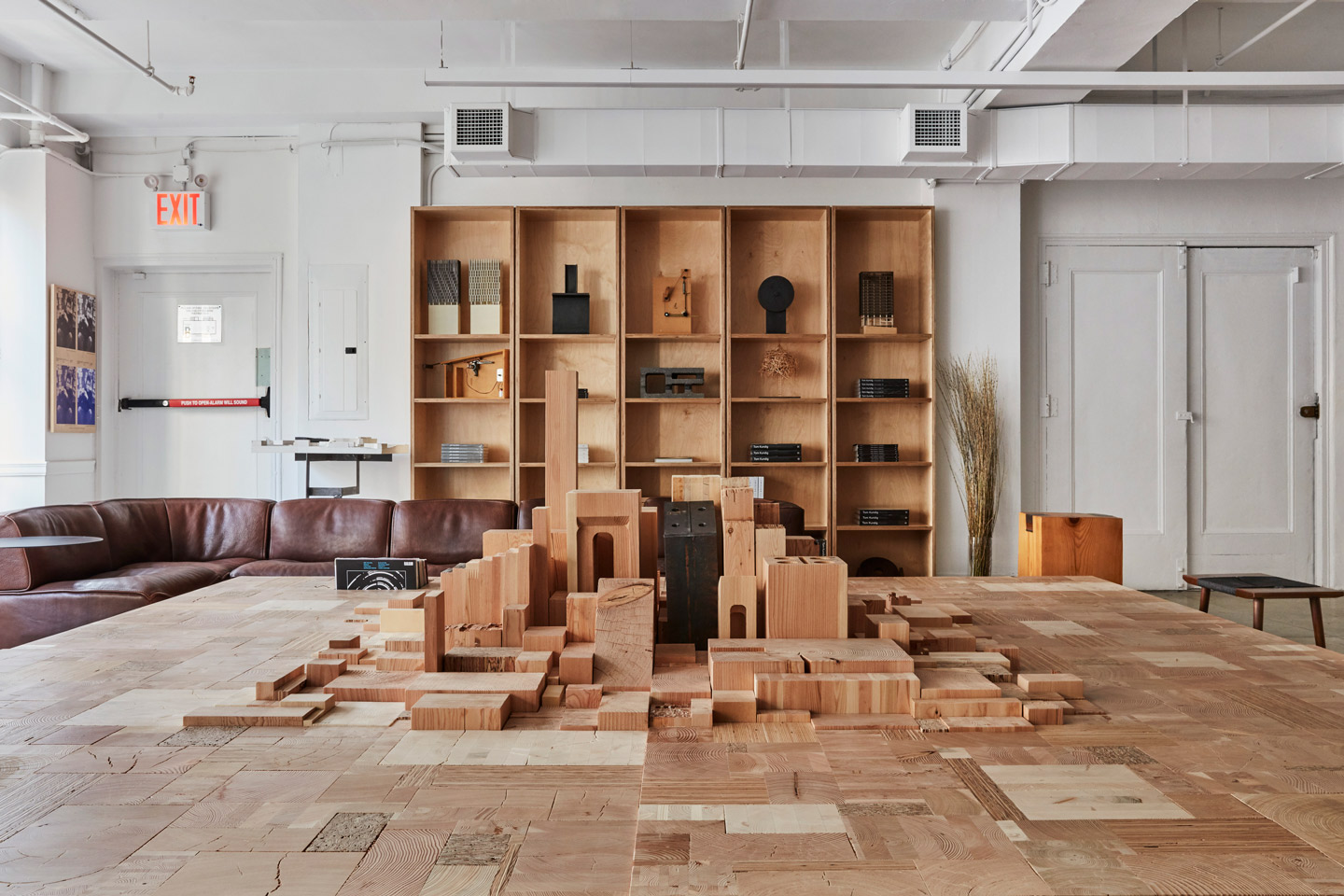
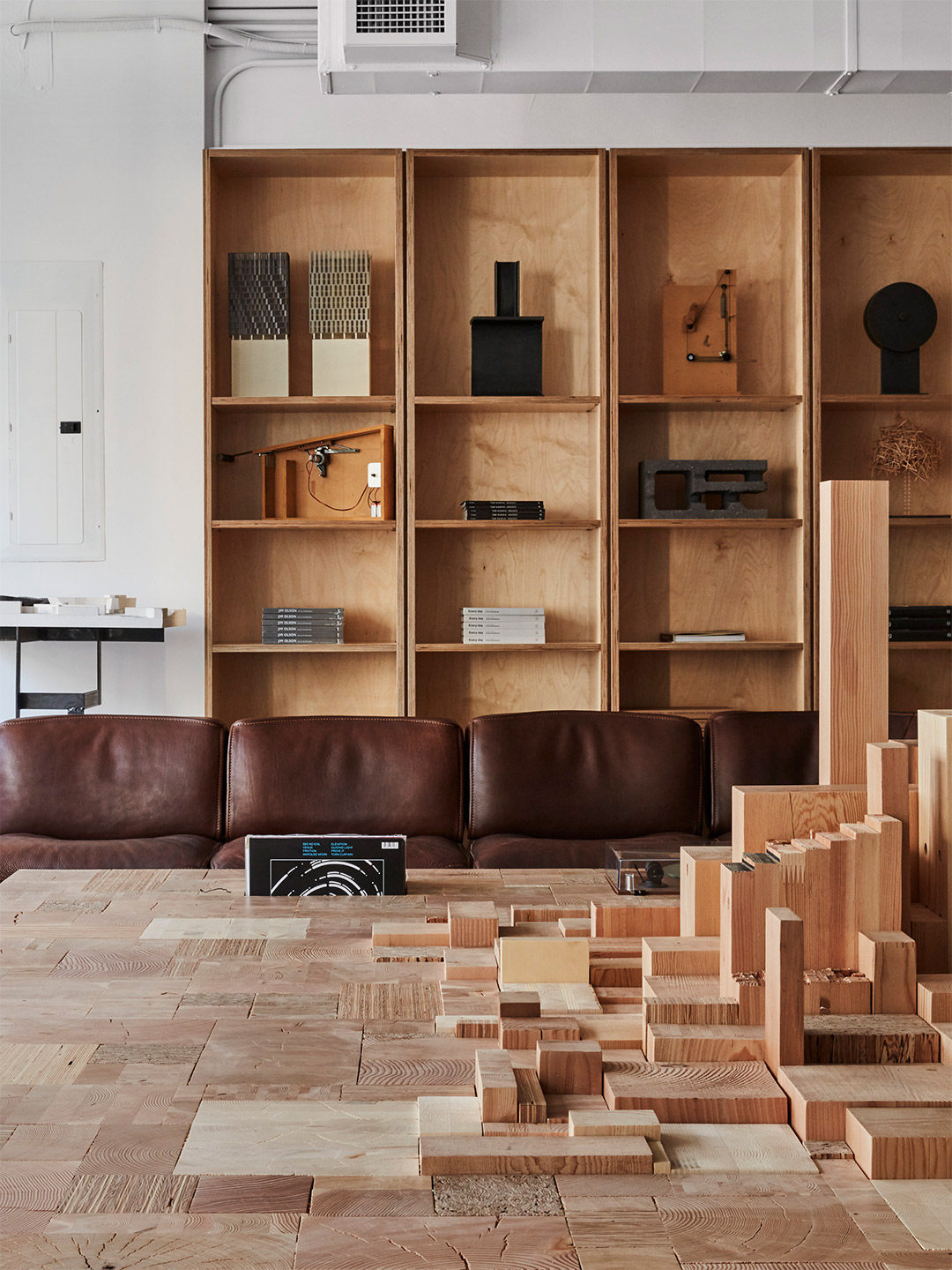
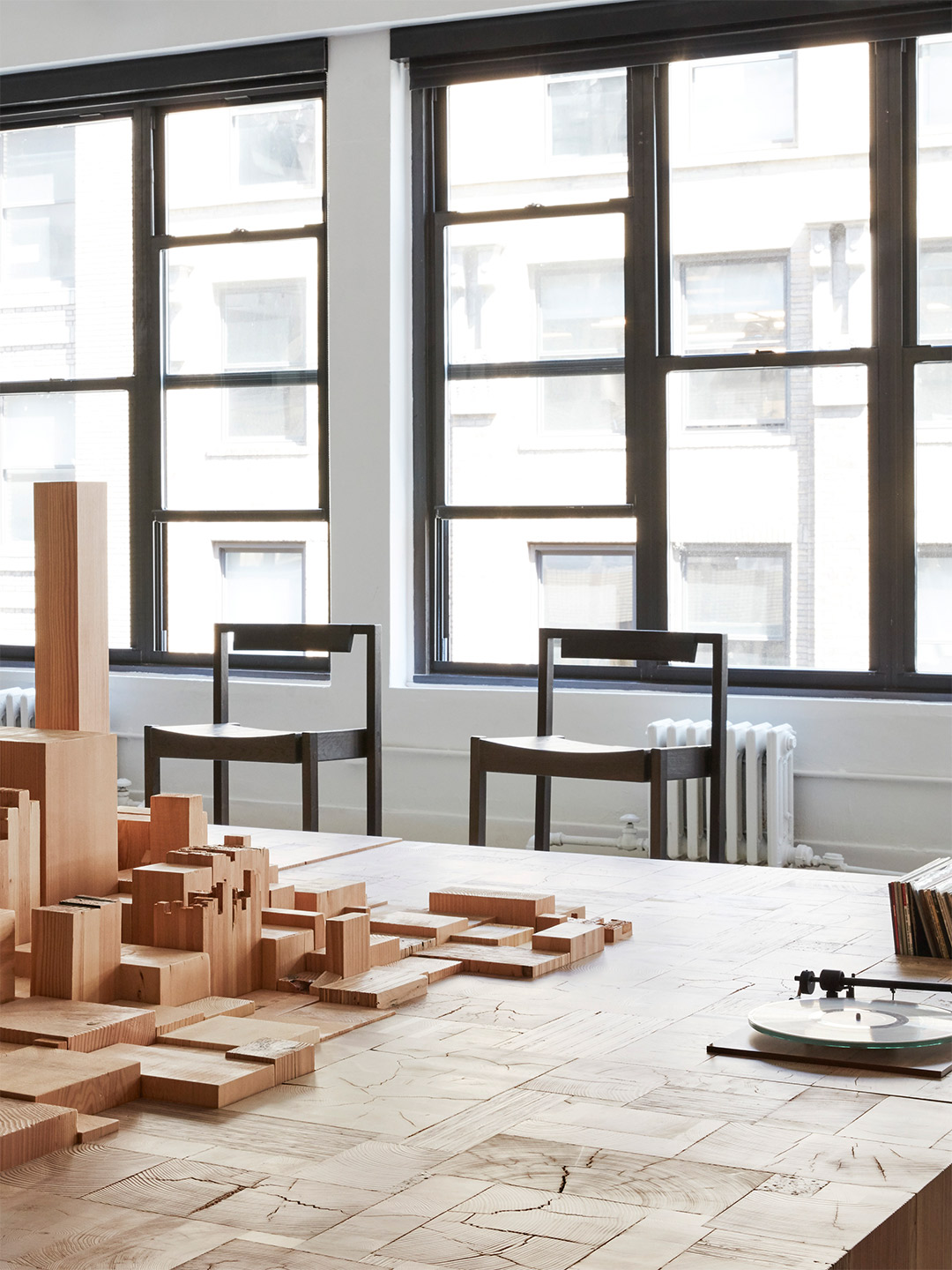
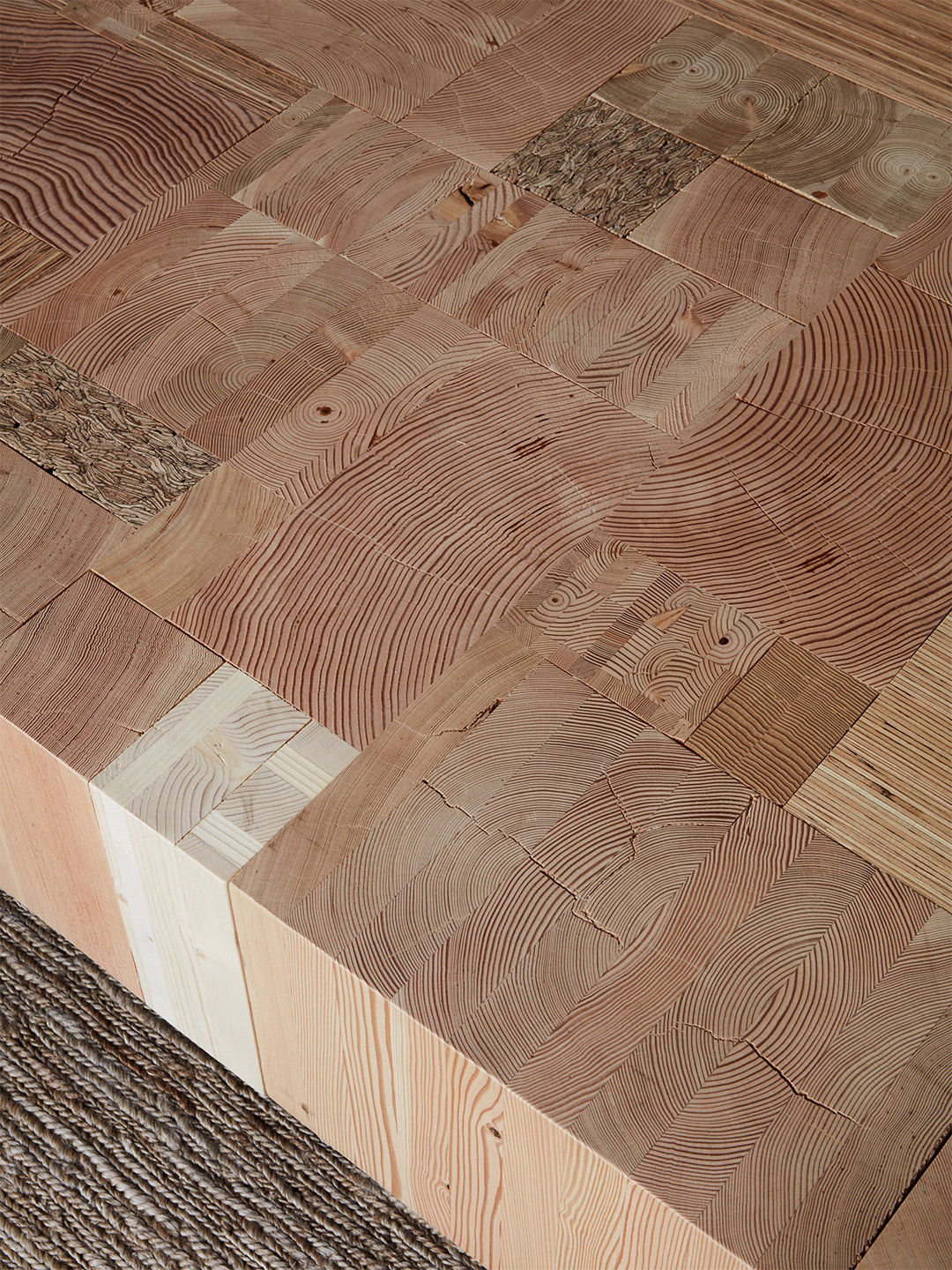
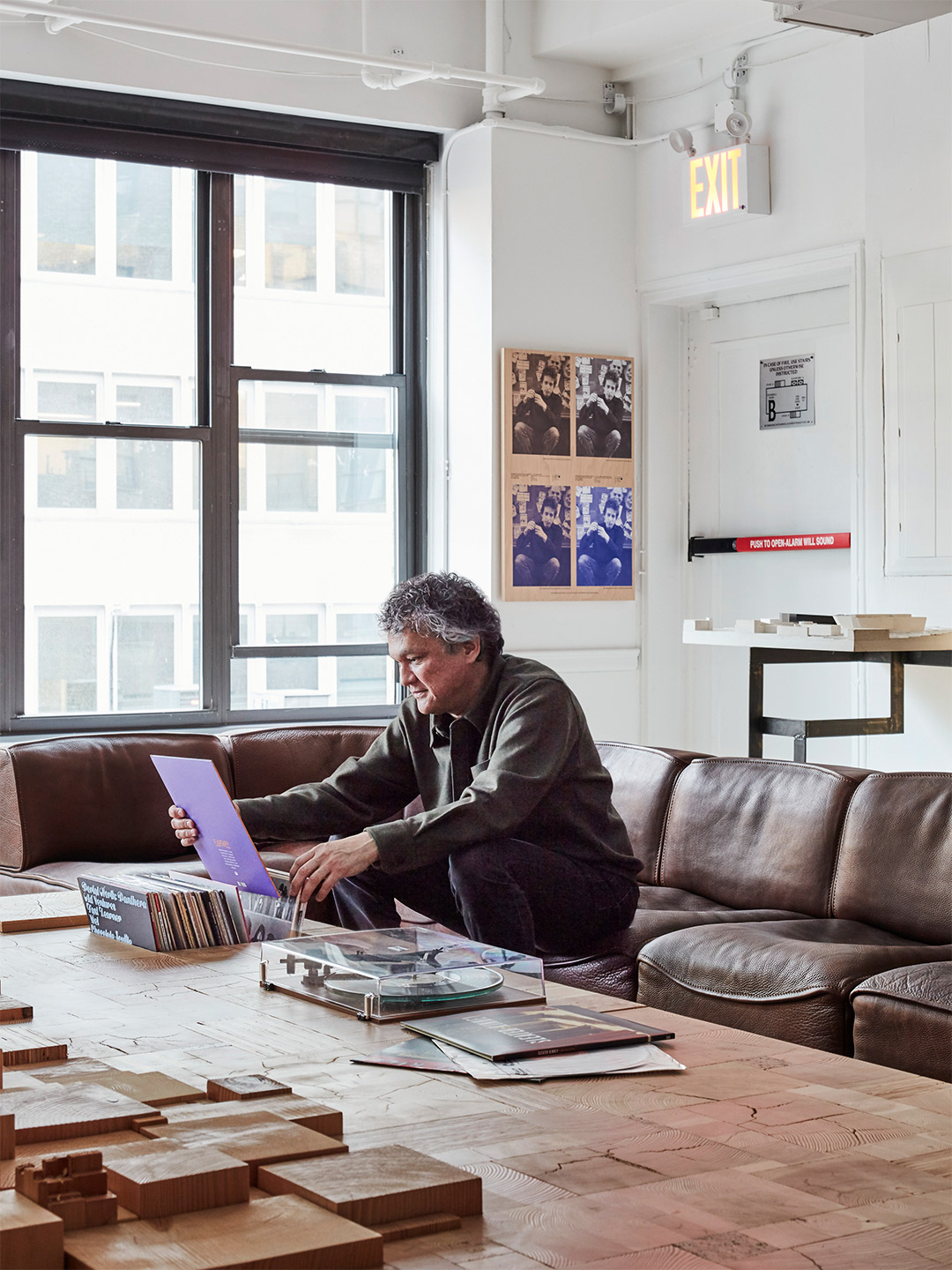
In the middle of Olson Kundig’s new office, in a gathering space called the Living Room, a conceptual cityscape rises from a large, low-slung table. Pieced together from a tapestry of raw timber offcuts, the imagined metropolis places replicas of built works by Olson Kundig on the same city grid as structures by other architects. It’s the centrepiece of the firm’s recently completed New York outpost and just sharing the same room as the sculpture, considering the location in Midtown Manhattan, feels rather meta. Here, in a city that adopts a role of inspiration for countless creative pursuits, the miniature cluster of equally impressive towers forms the influential backdrop to future works of architecture.
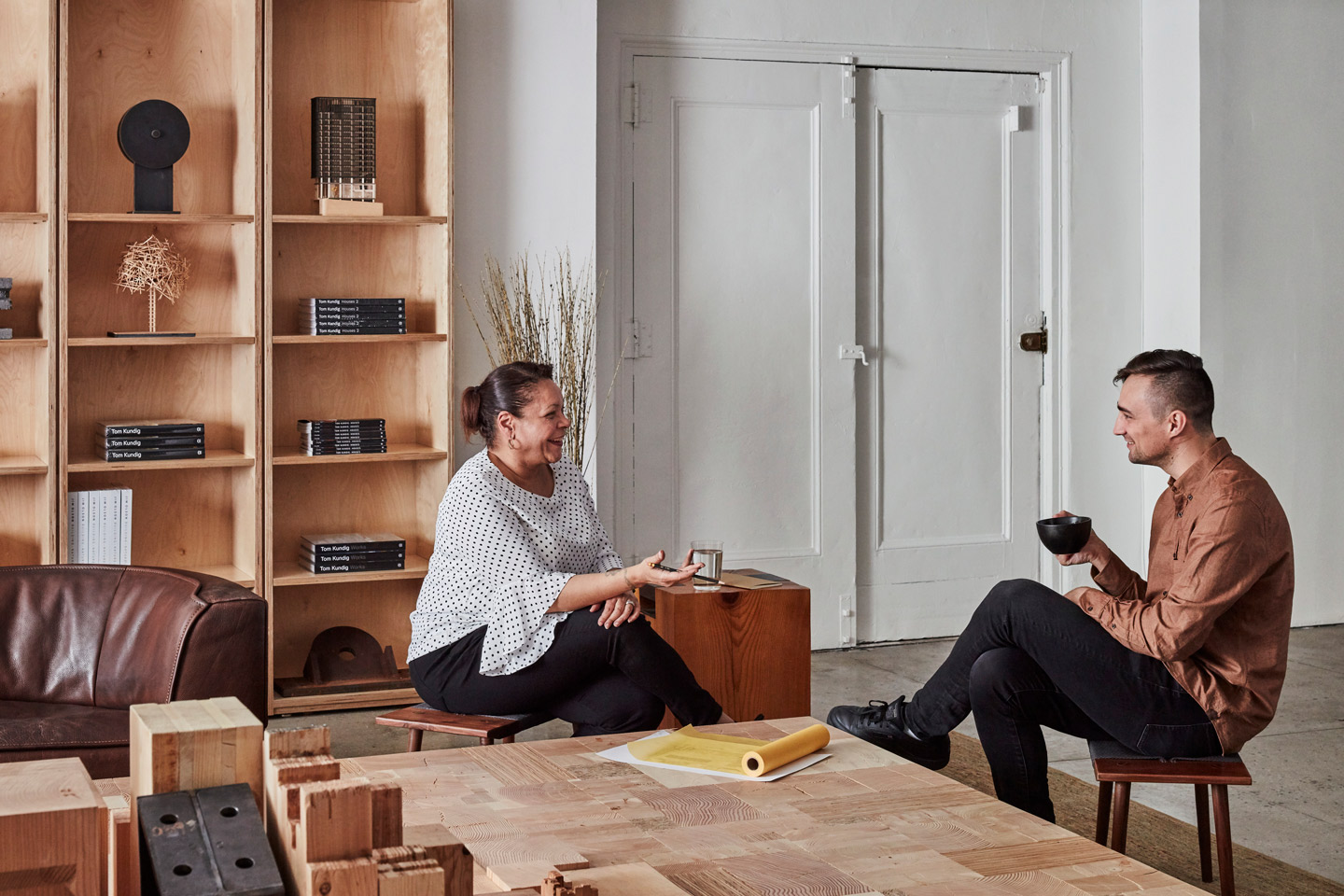
“The table introduces a physical embodiment of Pacific Northwest design culture within the new office space,” suggests the Olson Kundig team, whose architecture practice was born in 1967 in Seattle – the largest metropolitan area in the Pacific Northwest. The table also includes an integrated turntable and vinyl record collection, curated by Seattle’s Sub Pop Records, which further underscores connections to the architects’ home in Washington State and the wider culture of the firm. But beyond the gimmicks, the aim of the table is to support the staff on a daily basis. Mounted on wheels and divided into quarters – each measuring 180 by 180 centimetres and weighing 360 kilograms – the table can be split up and employed in a variety of configurations, enabling all kinds of practical interactions.
Olson Kundig architecture office in New York City
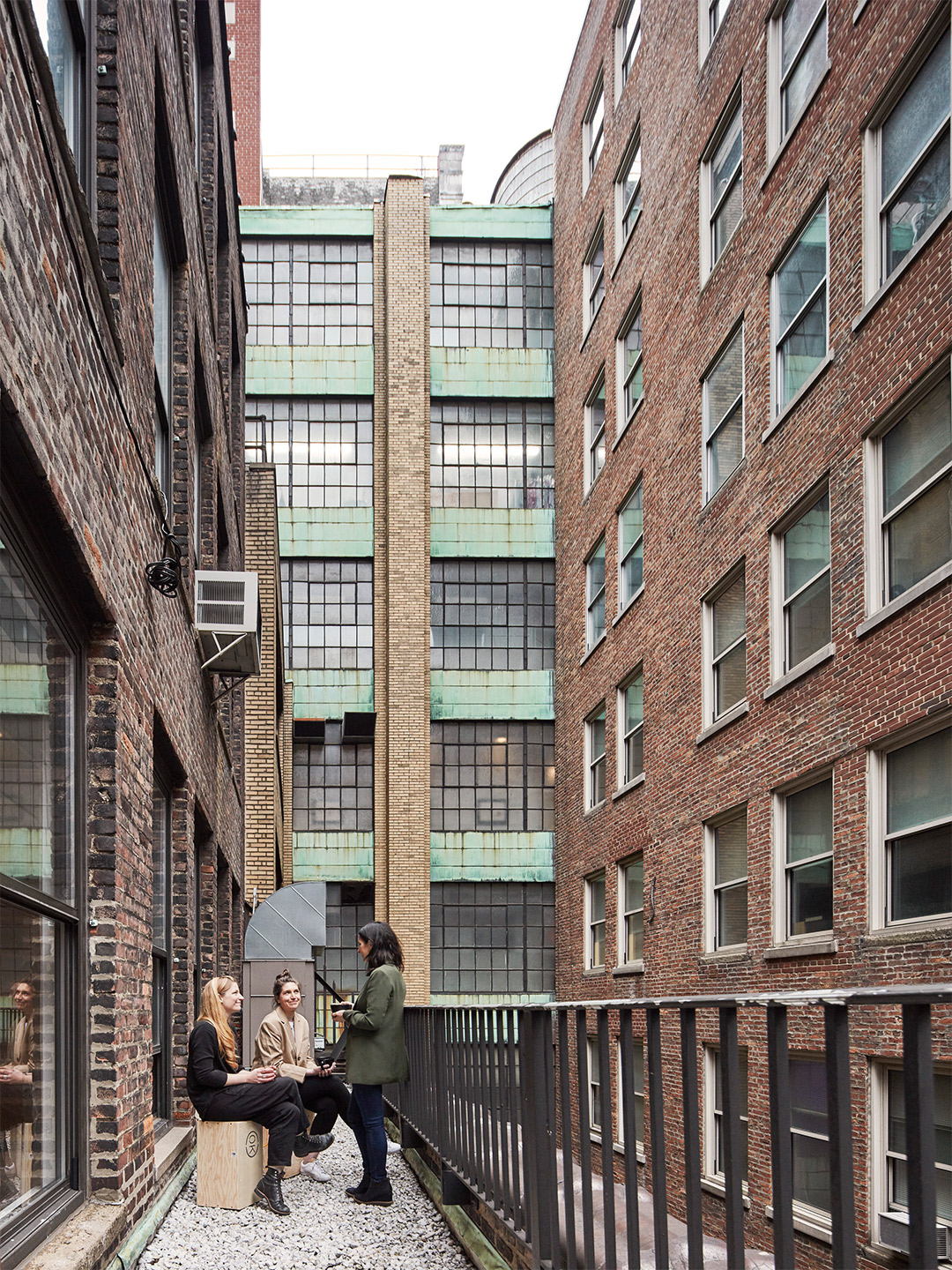
Drinking in views of the bustling urban streetscape to the north and the rich architectural interest of surrounding buildings to the south, the office occupies the 10th floor of a mid-rise tower built in 1923. Situated within walking distance of Bryant Park, the Morgan Library and the Empire State Building – among other iconic attractions – the recently completed office forms a vibrant hub from which the firm will nimbly support clients and projects. Concurrently, the space will foster cultural exchange and design dialogue between New York and the company’s home-base in Seattle.
“Opening a New York office space allows us to share a bit of the Pacific Rim and our ‘unstable edge’ mentality with the East Coast,” says Alan Maskin, one of fourteen principal-owners at Olson Kundig and the design lead for the Midtown Manhattan office. He adds that the venture is set to forge new relationships and opportunities for collaboration. “That influence goes both ways, of course,” Alan says. “Shared cultural events and firm culture creates a river that flows between the two cities, exchanging ideas and energy back and forth.”
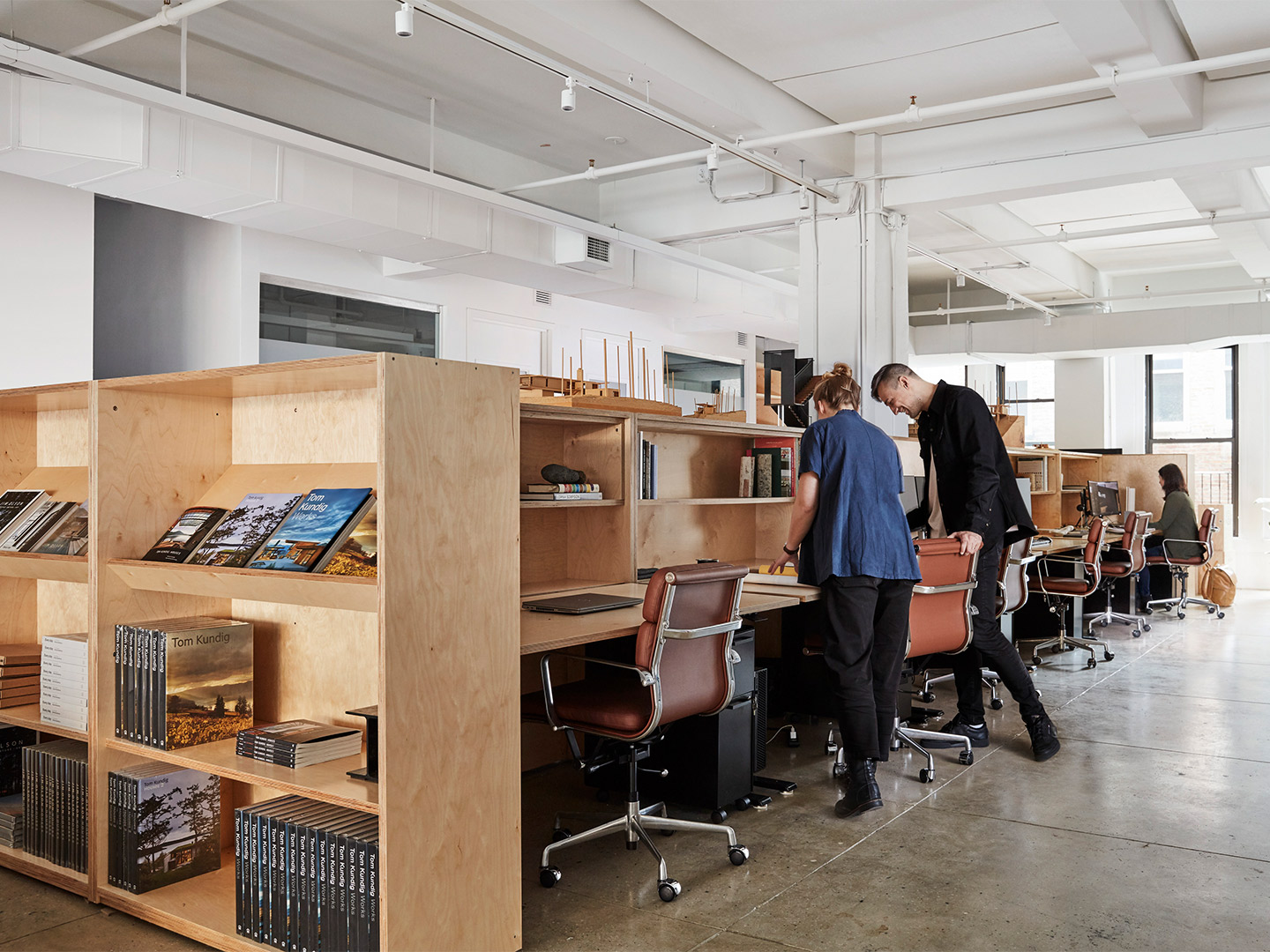
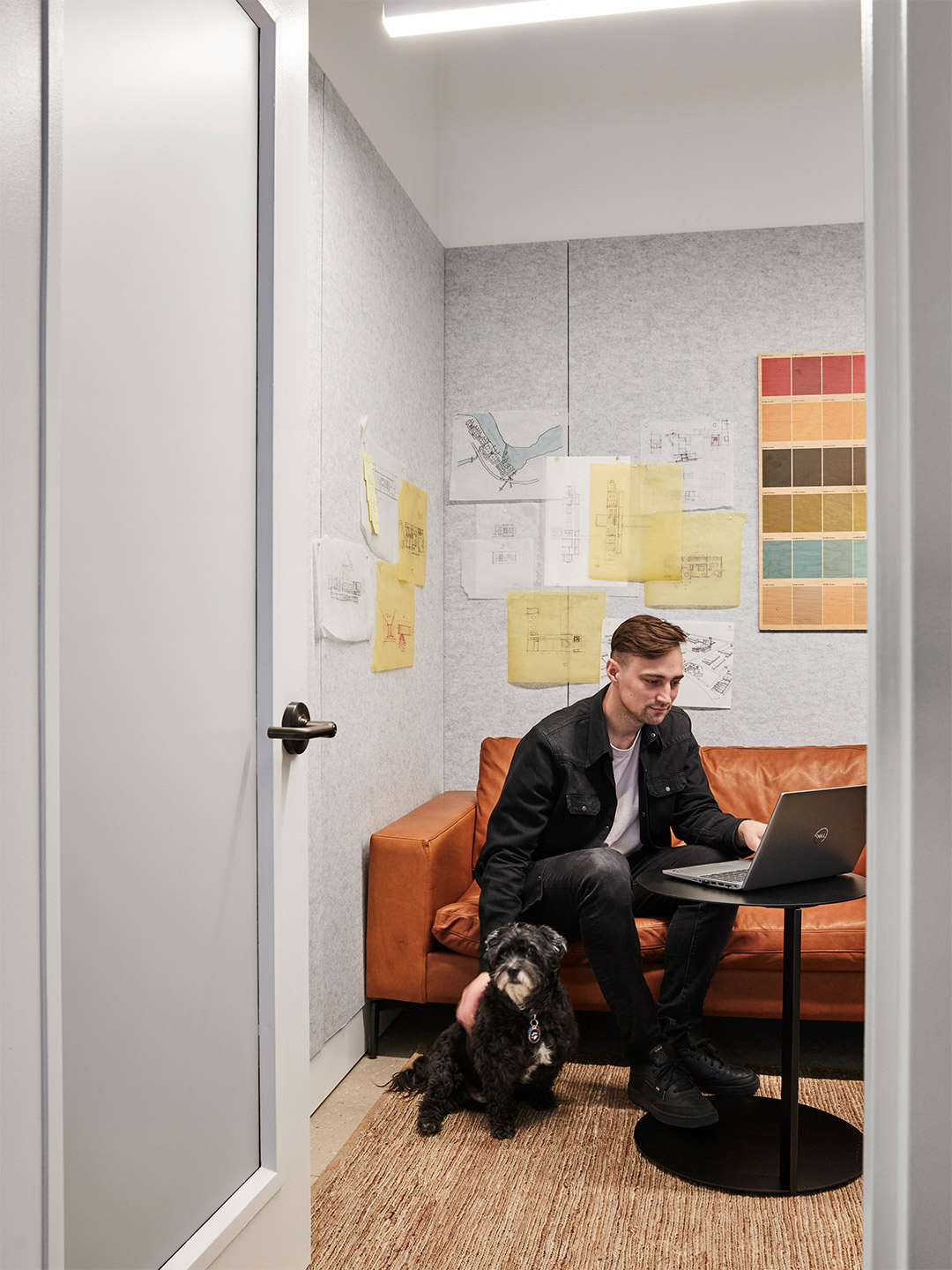
While this isn’t the first workspace that Olson Kundig has occupied in the Big Apple (the architects previously operated out of a smaller office in the city), this new development represents a more significant investment in office space and greater participation with the design culture of the city. “From a business perspective, it will improve client relations and project delivery throughout the East Coast and international markets, while allowing us to recruit top design talent,” insists Hemanshu Parwani, principal-owner and CEO of Olson Kundig, and Maskin’s collaborator.
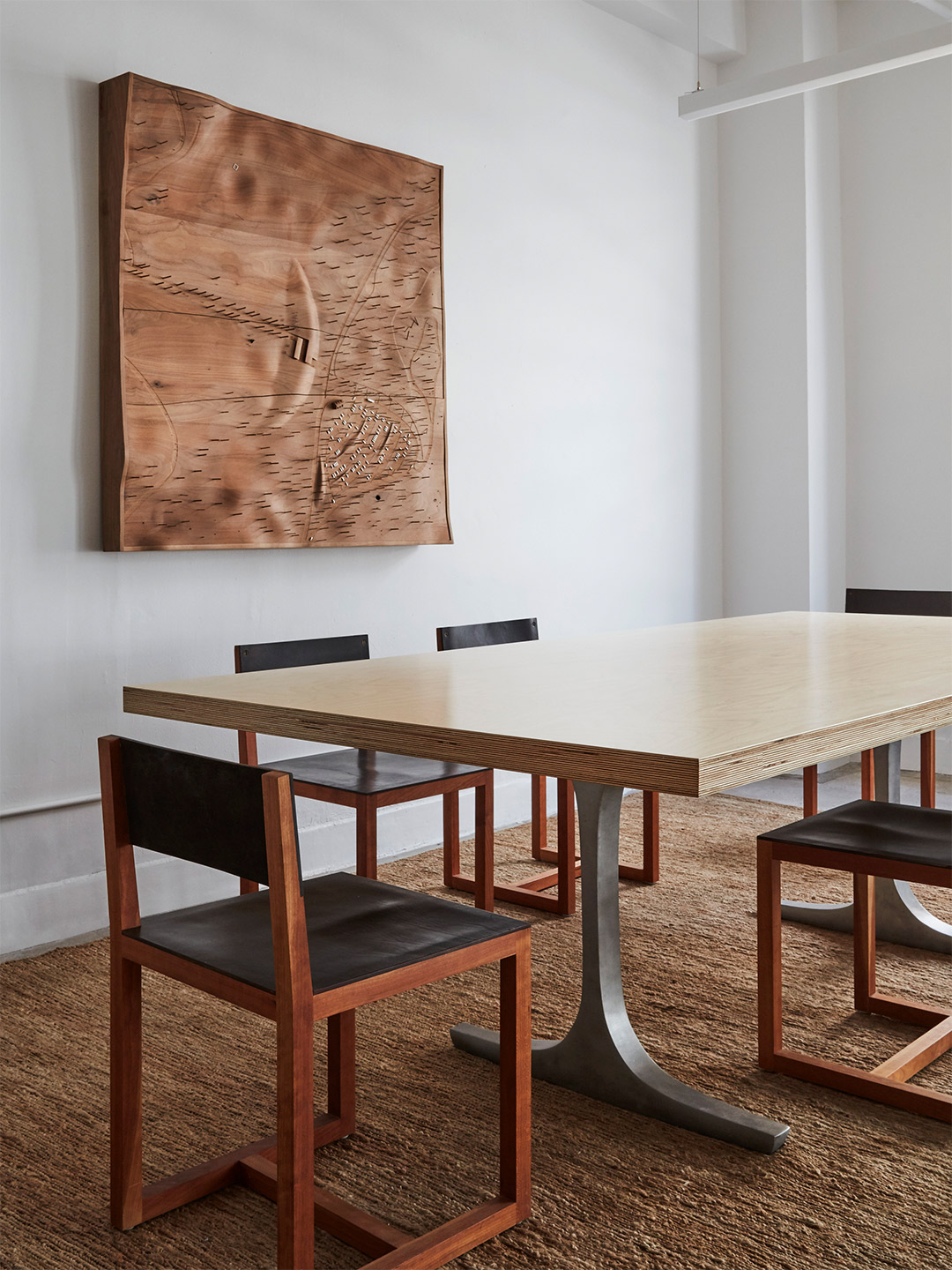
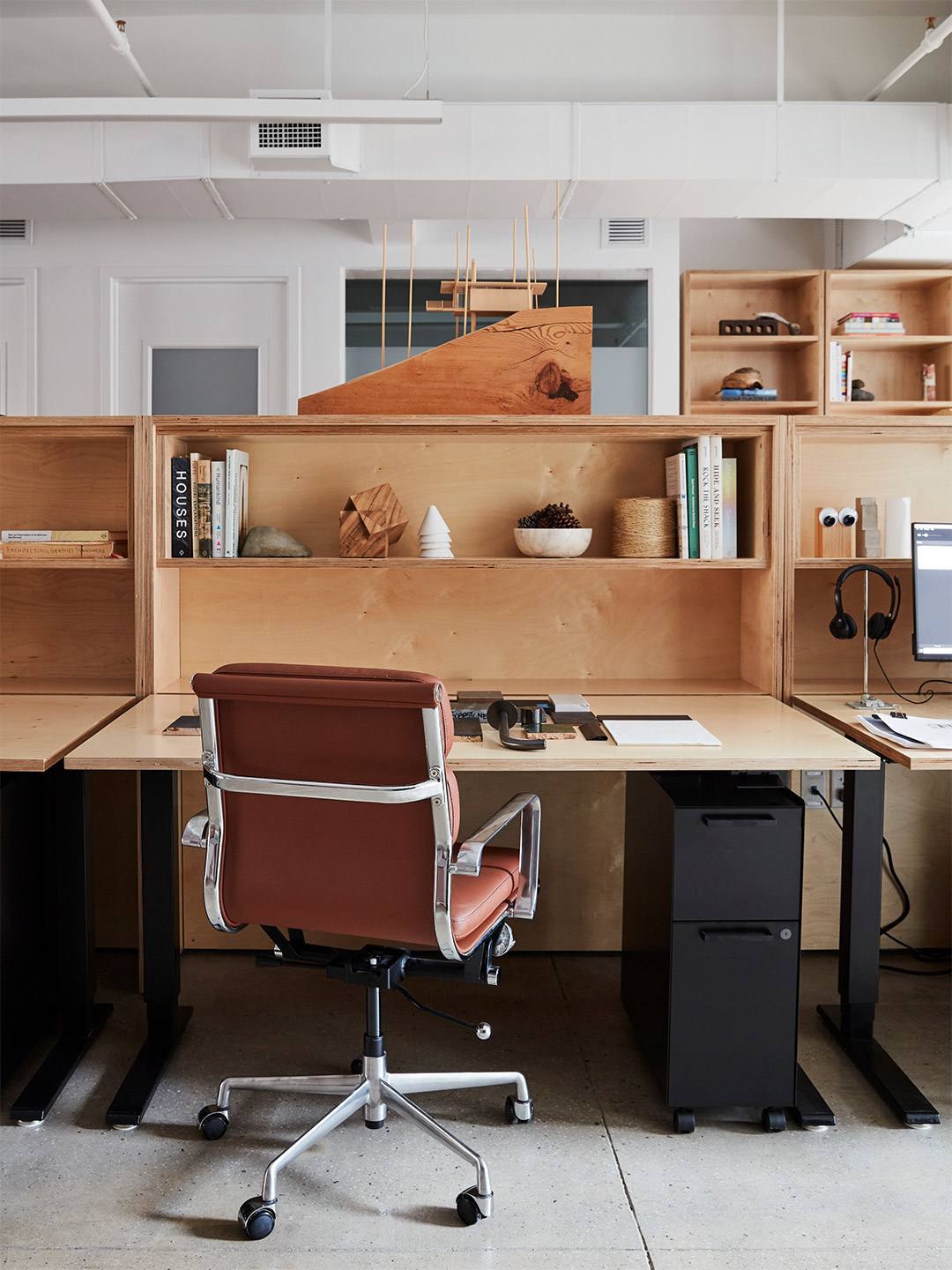
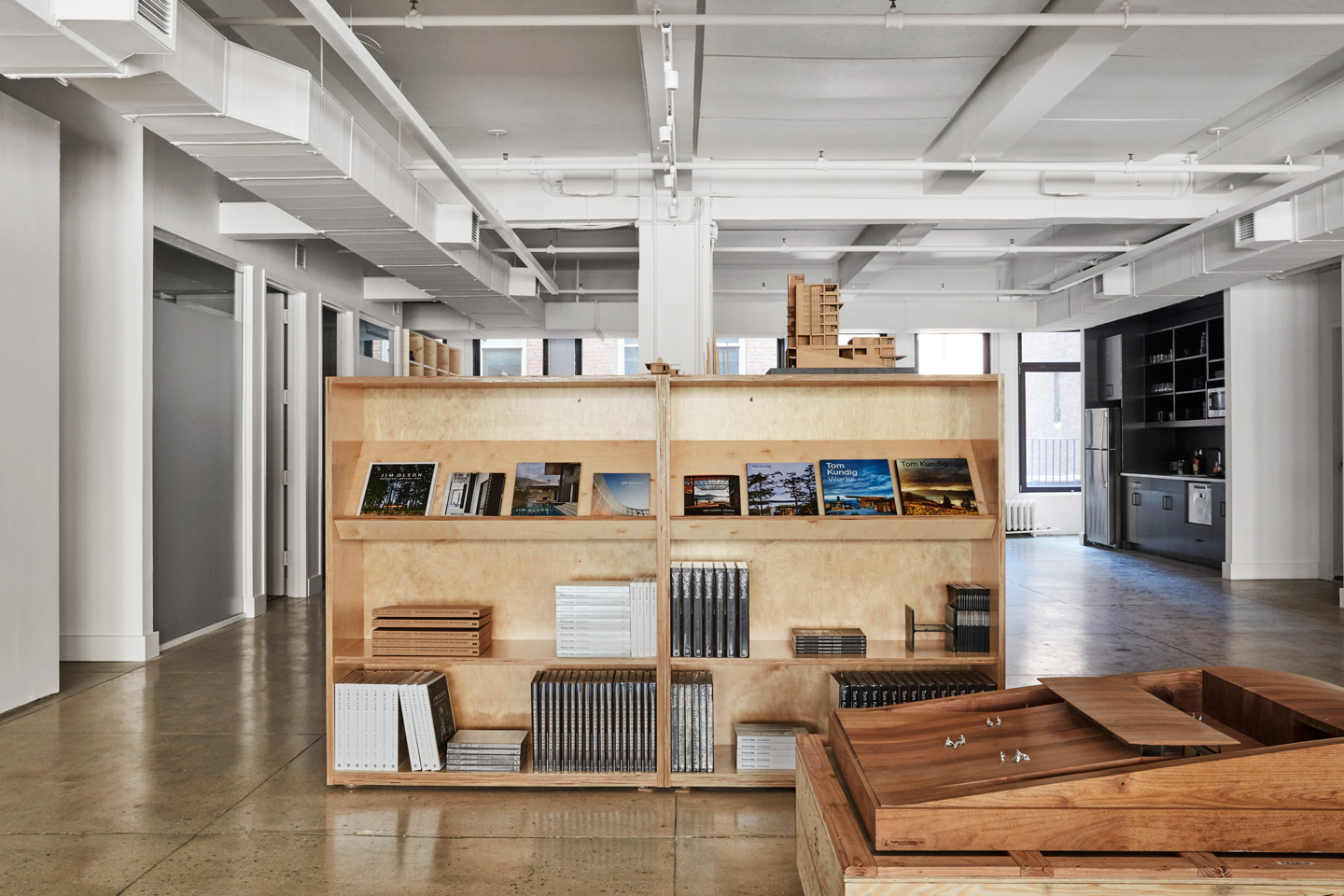
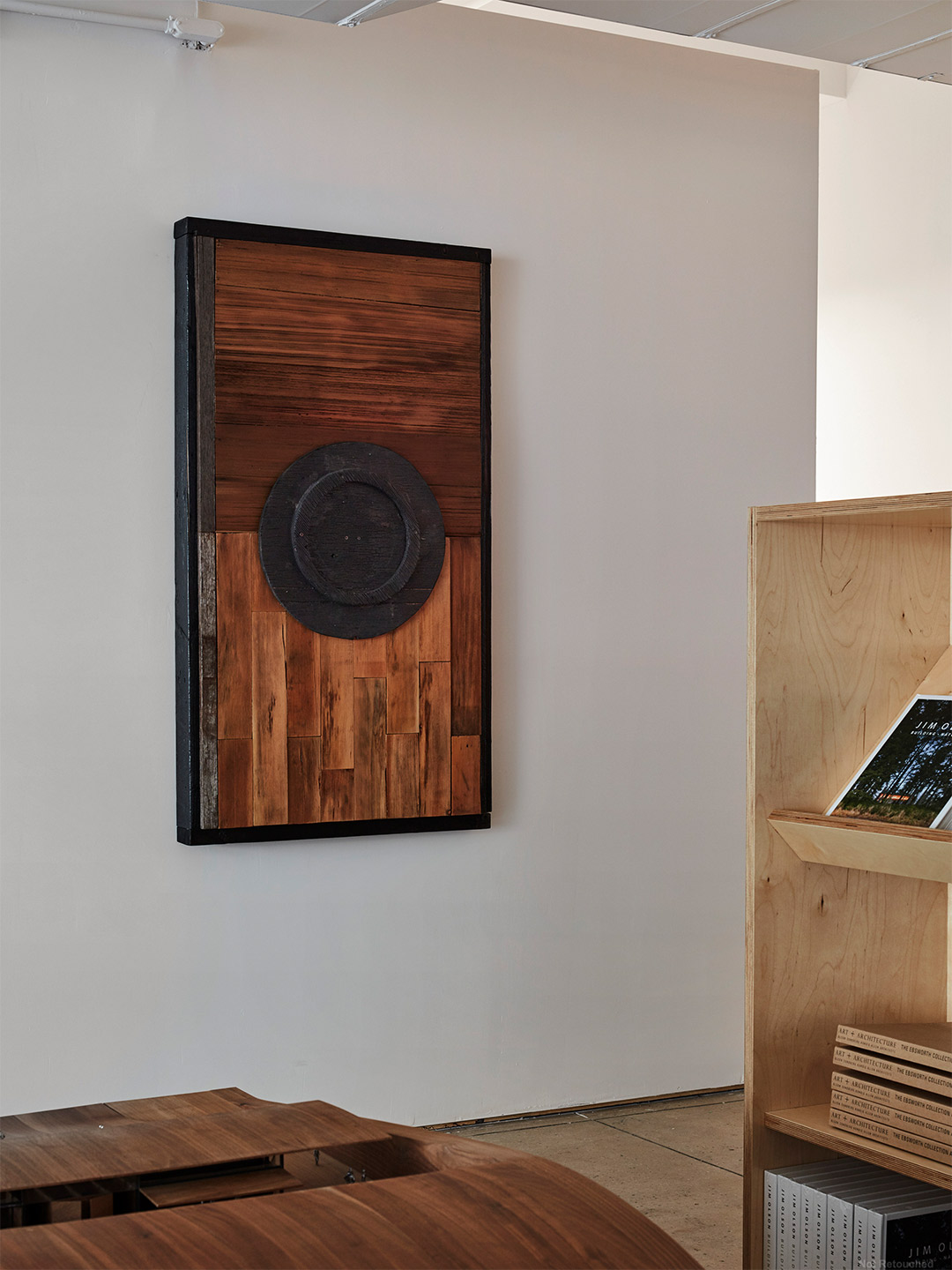
Continuing the firm’s longstanding tradition of “making art a part of everyday life” and integrating diverse forms of creative expression into its workspace, a rotation of curated art pieces will feature heavily in the new office. Facilitating this, a raised platform between a bank of workstations frames a small display area that brings to New York the vision of The Ledge, a gallery first established within Olson Kundig’s Seattle office in 2011. Dedicated wall space throughout the office is also reserved to host paintings and other works, while a wide “runway” between workstations and the kitchen can host sculptures and free-standing pieces.
Opening a New York office space allows us to share a bit of the Pacific Rim and our ‘unstable edge’ mentality with the East Coast.
Love the office fit-out by Olson Kundig? Catch up on more architecture and design highlights. Plus, subscribe to receive the Daily Architecture News e-letter direct to your inbox.
Related stories
- Home tour: Bilgola Beach House in Sydney by Olson Kundig.
- ANOHA museum: 150 animals made from recycled materials inhabit a ‘spaceship’ by Olson Kundig.
- A 1960s London post office is now a swinging sushi restaurant.
- Hot desks: Spacial co-working office in Montreal by Ivy Studio.
- The YAP design office in Japan.