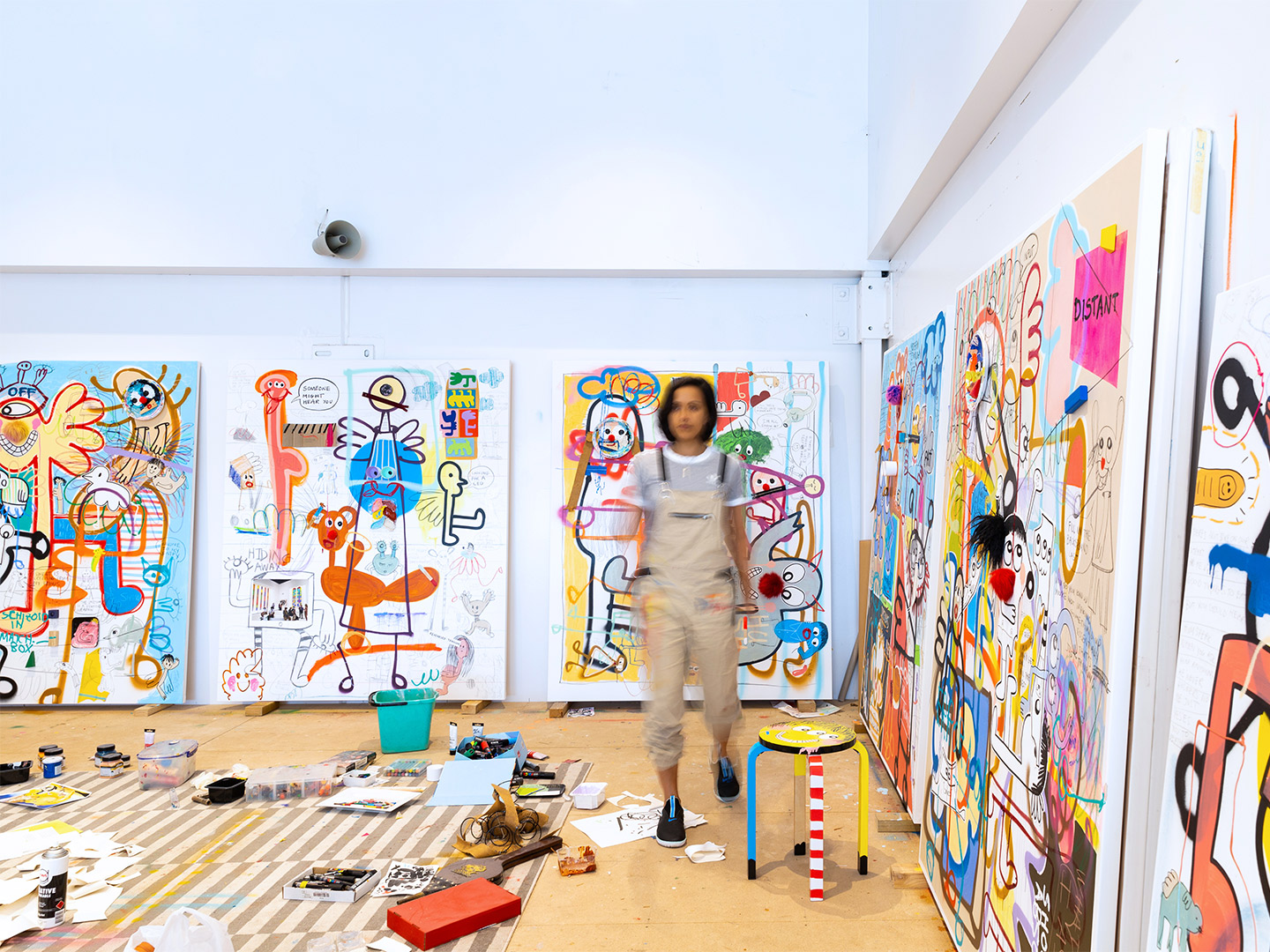
The first thing you need to know about Australian emerging artist Joi Murugavell is that she doesn’t like putting her artwork into words. “Because today’s truth becomes tomorrow’s lies,” we’re told in Joi’s latest catalogue, compiled to accompany her upcoming solo exhibition at the Peach Black Gallery in Chippendale, Sydney. Presented by art advisor Sarah Birtles, the high-octane exhibition will run from April 29 until May 2, showcasing five “double-mattress-sized” paintings, five collaged “toy paintings” and a large-scale installation work, each capturing the spontaneity and humour of life.
The exhibition’s title, Finding Mikey, is a direct reference to Joi’s working relationship with her colleague and friend – Mikey – who has long scanned and documented her colour-filled collages and paintings. “When I think of the title and why I called it that, I think of my practice and the people who are in it,” Joi explains. “Mikey would be someone I talk to a lot for work reasons, and I enjoy and learn from glimpses of who he is.”
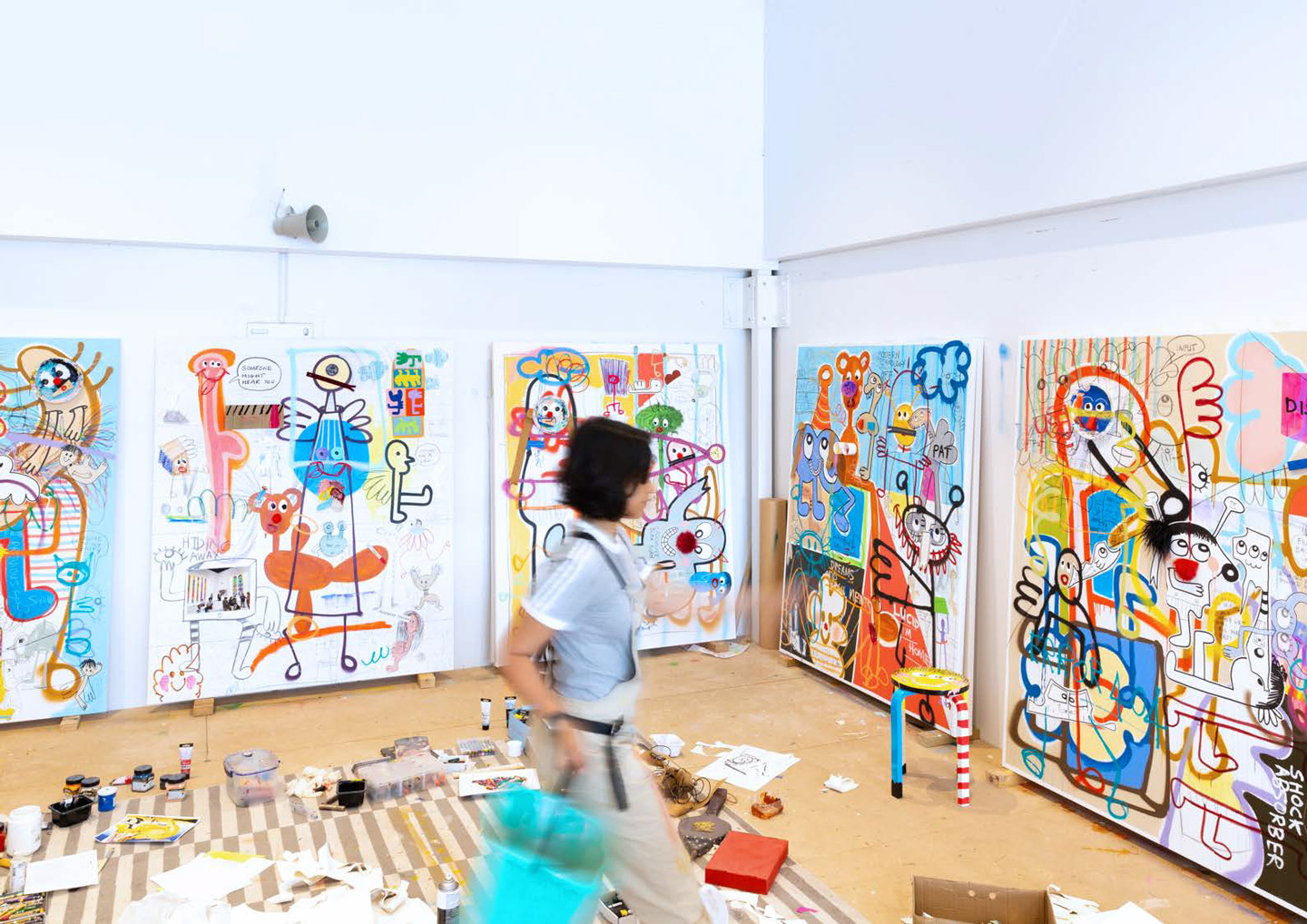
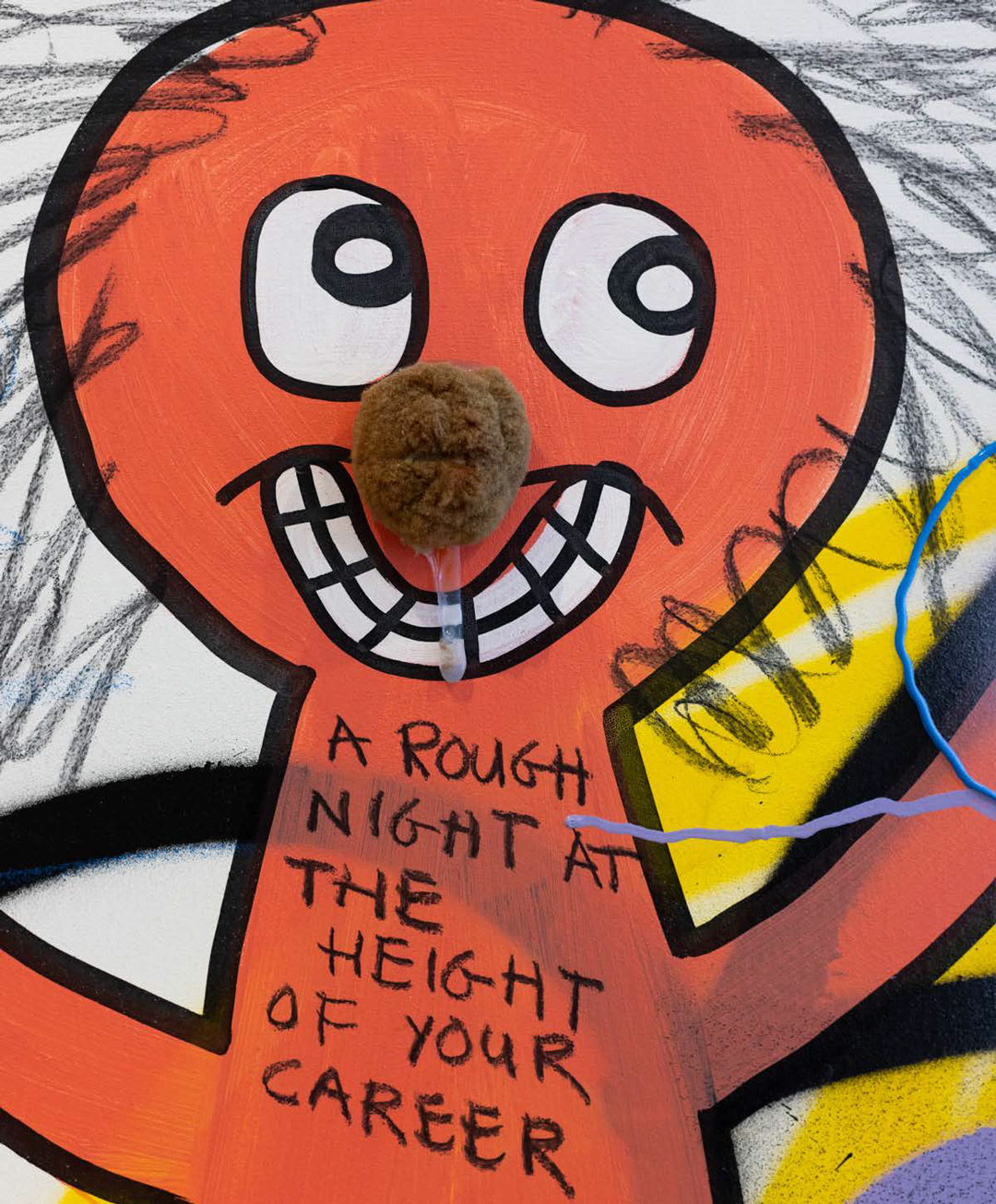
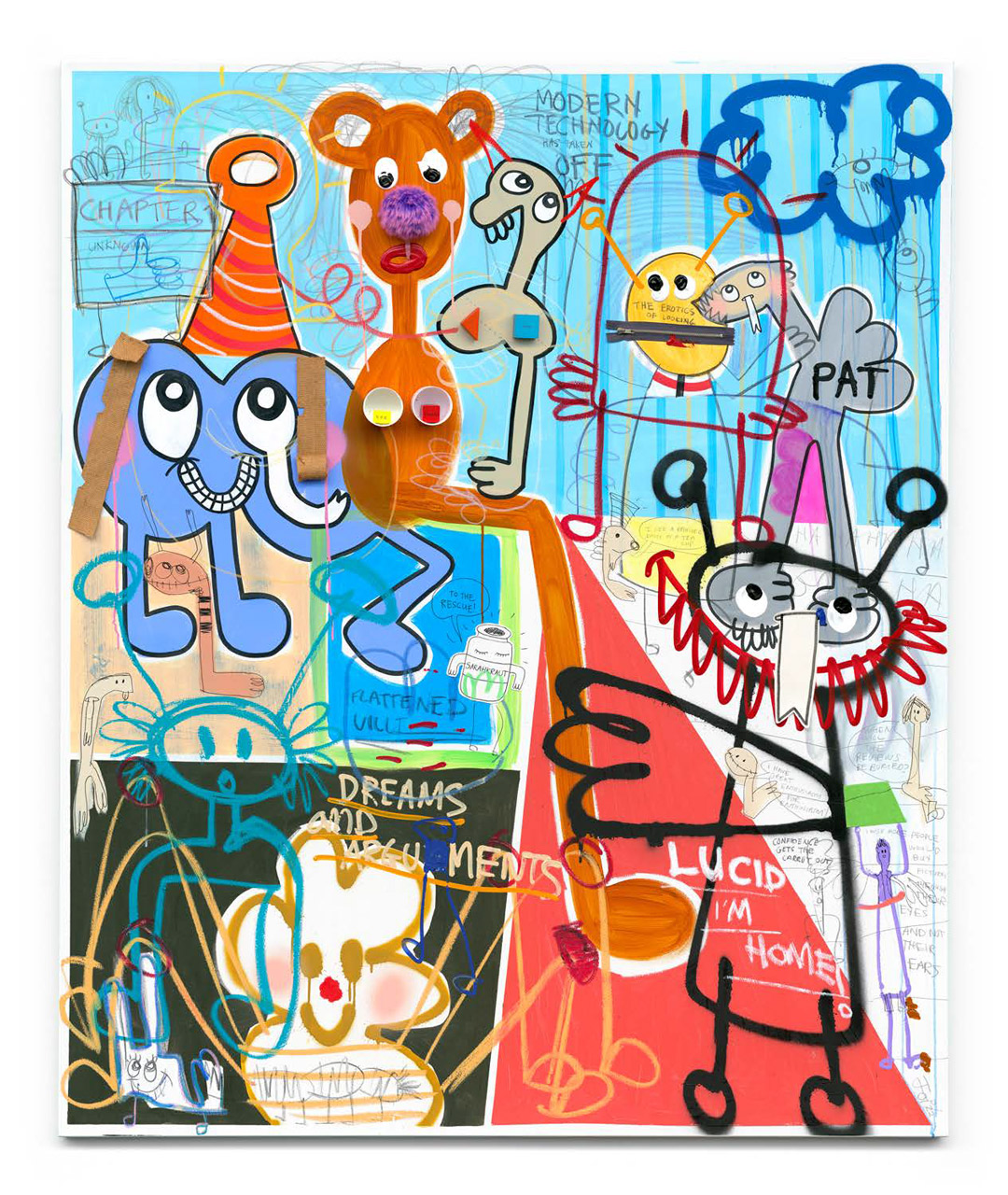
Finding Mikey exhibition by artist Joi Murugavell
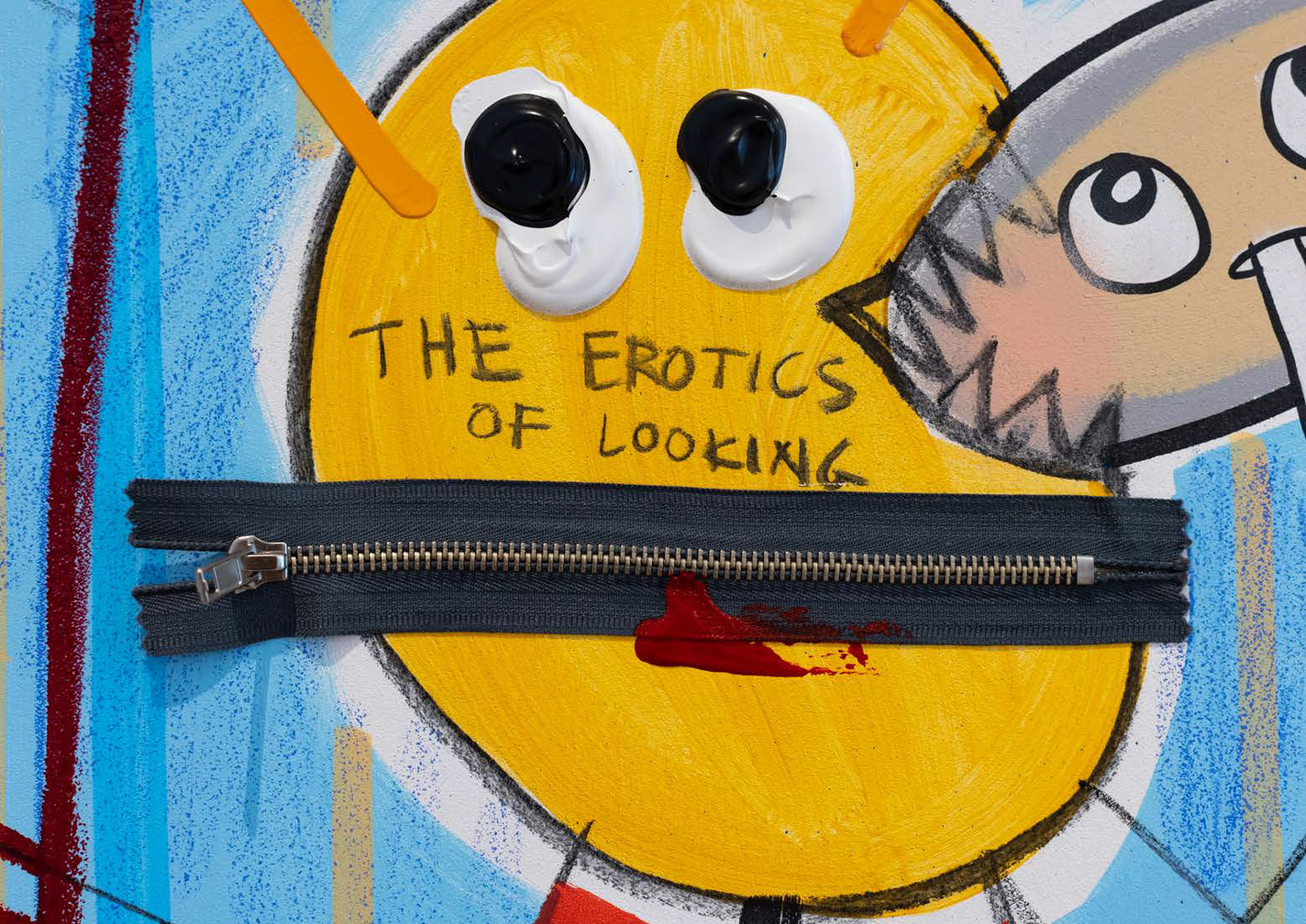
Over time, Joi began leaving secret symbols in her paintings specifically for Mikey to find. But only he knows which “tidbits” were intended specifically for his discovery. “Within each painting are hidden messages and clues left behind for Mikey,” Joi explains. “It’s a challenge for the viewer to work out which parts of the painting are for Mikey, which are nods to the network of people in my life, and which are coded for your own personal treasure hunt.”
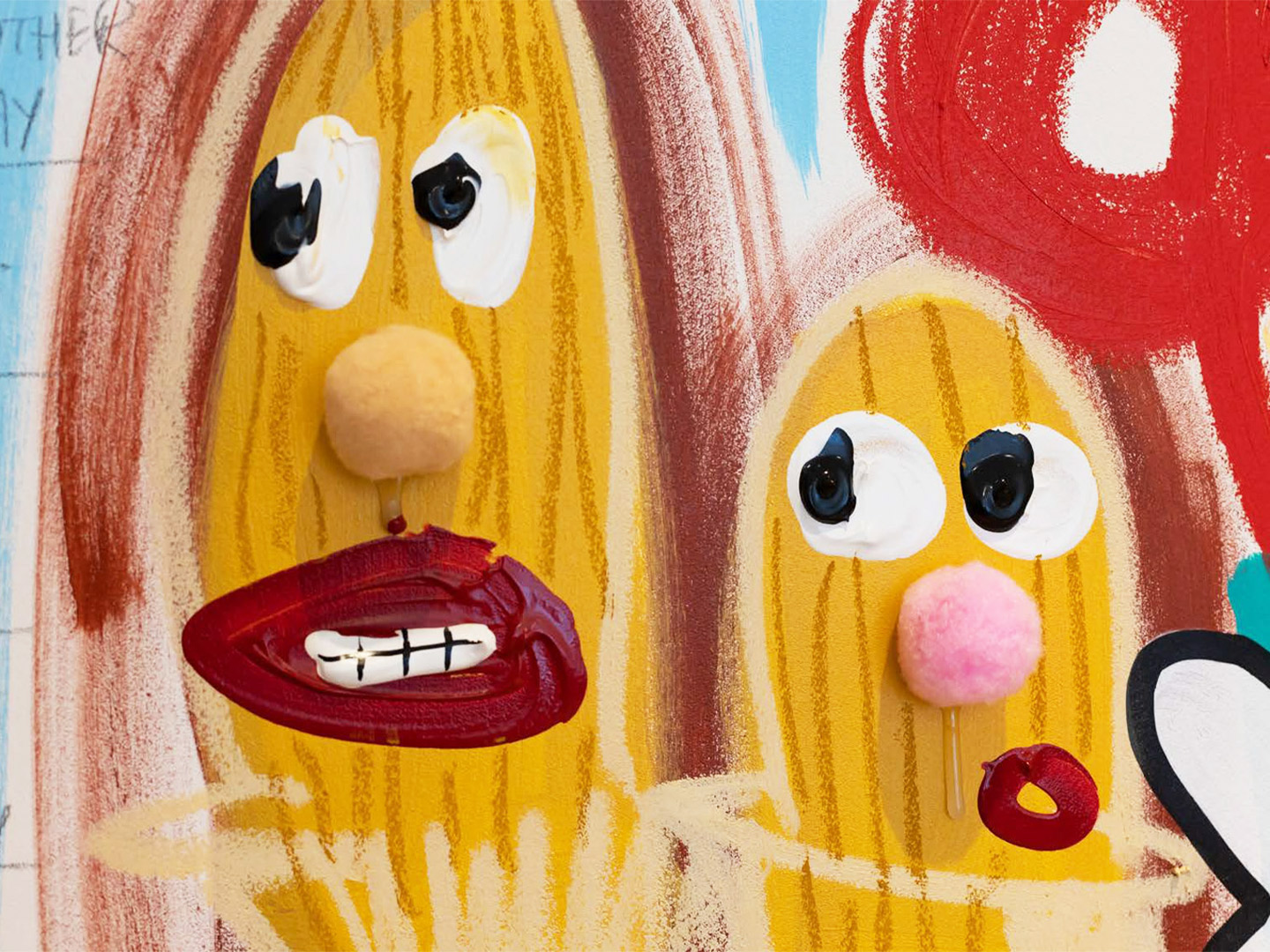
Each joyful quote, toon, toy and shape is a potential clue, we’re told, though there is no hierarchy among the colourful din. “We are allowed to love each brush stroke, pompom and pun equally,” the catalogue reads. “The words, toys and cartoon symbols often land like an inside joke you have been let in on – a message hidden within the painting hoping to be found and to resonate,” the artist explains. “No one is excluded from the fun.”
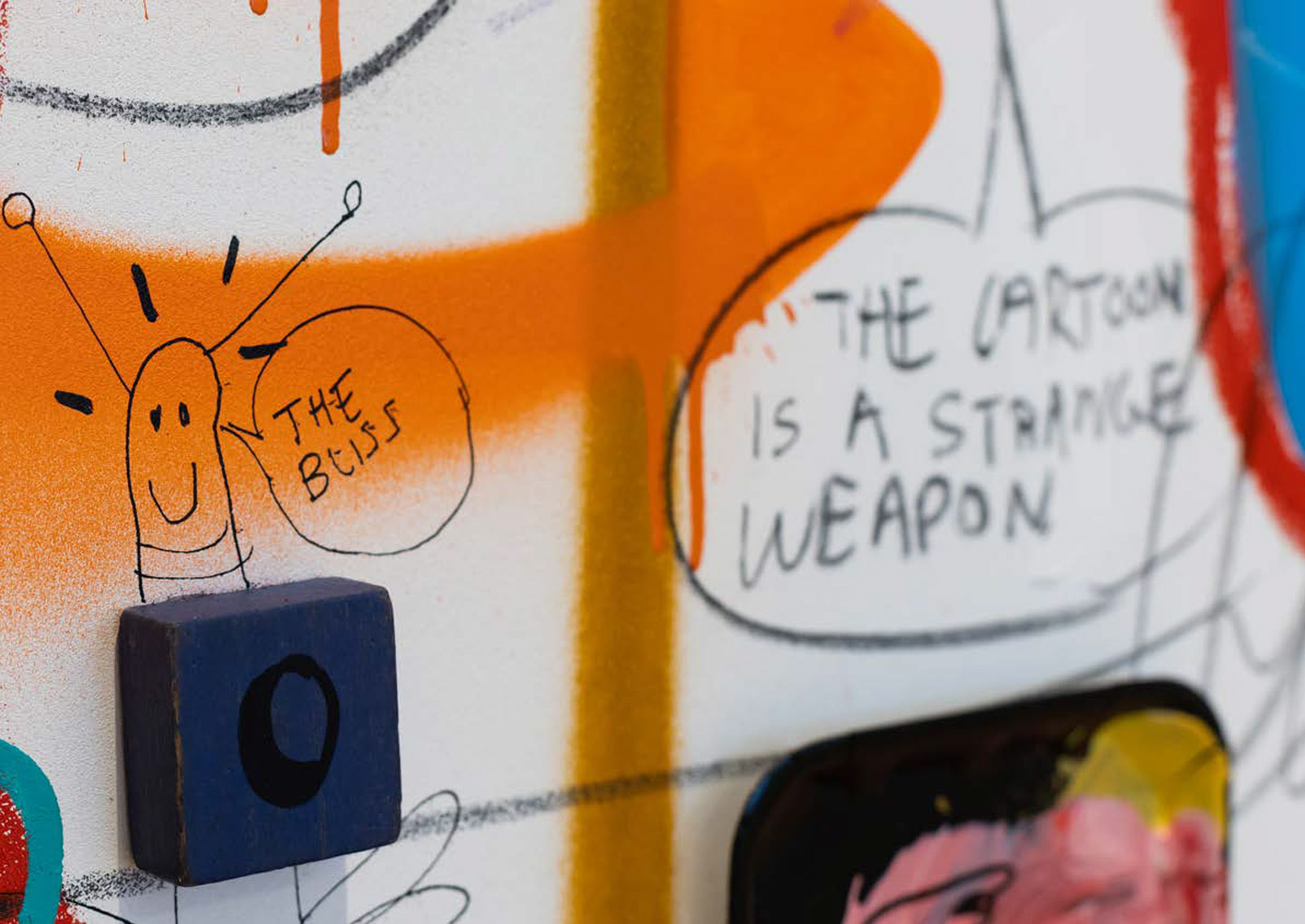
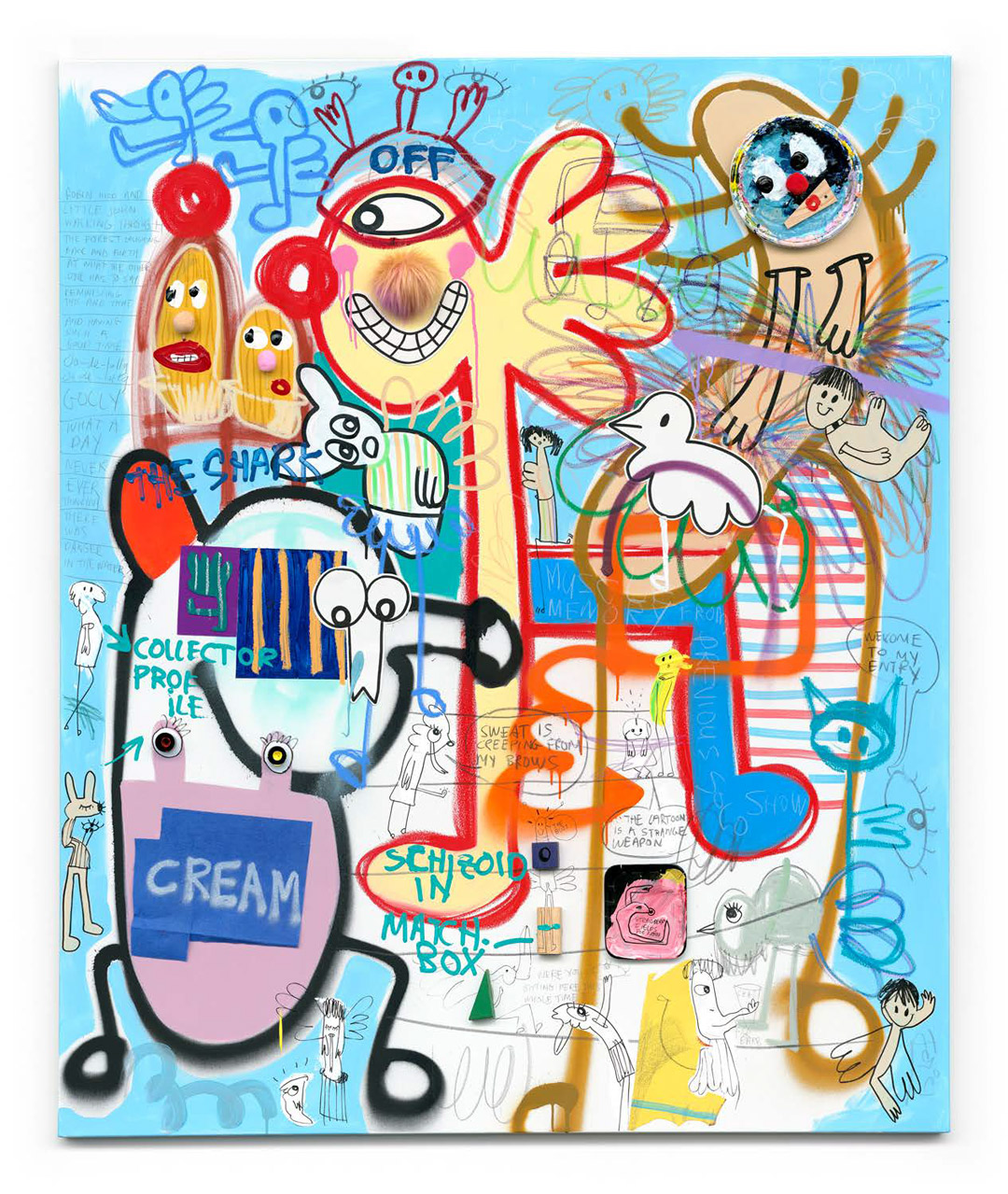
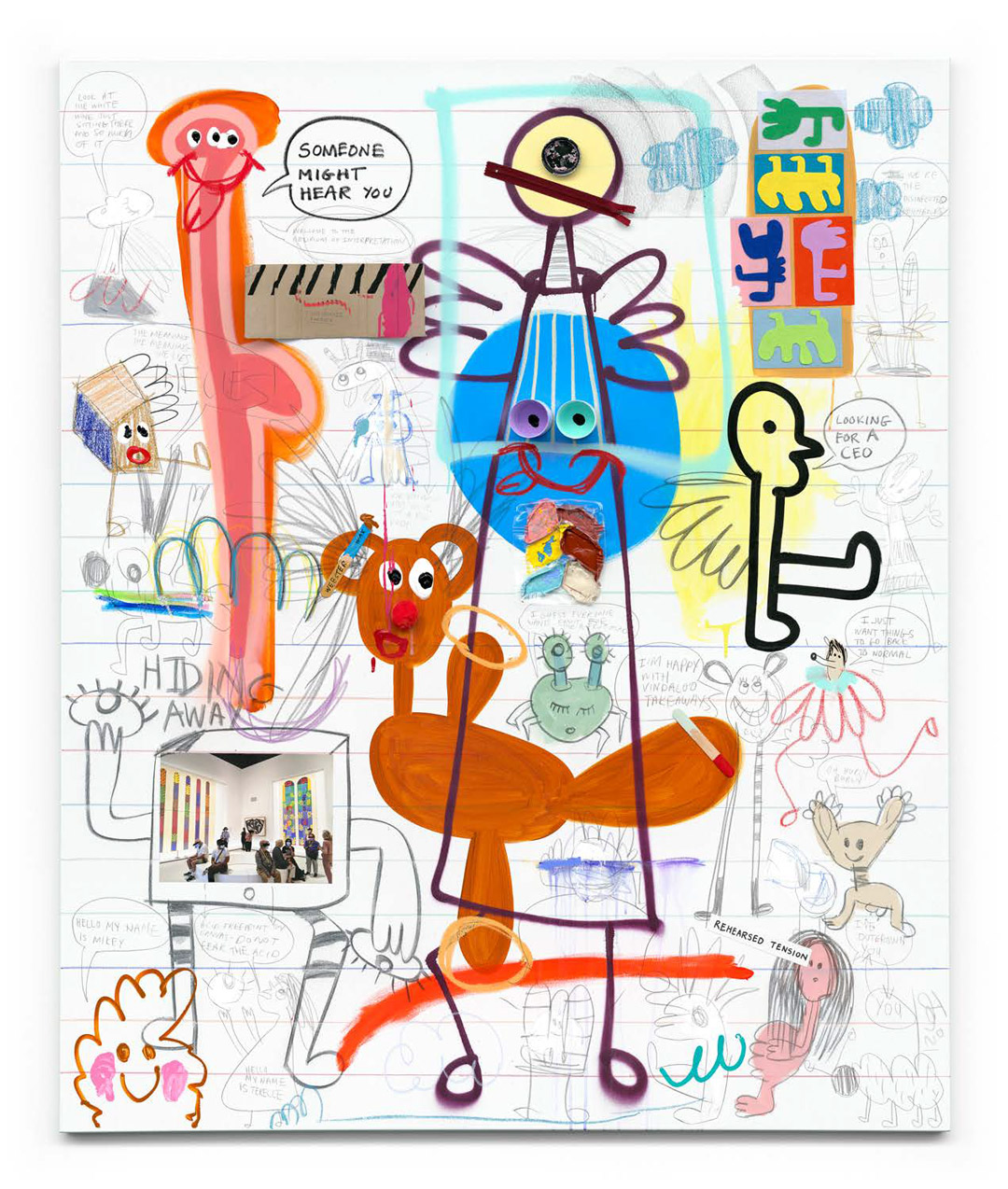
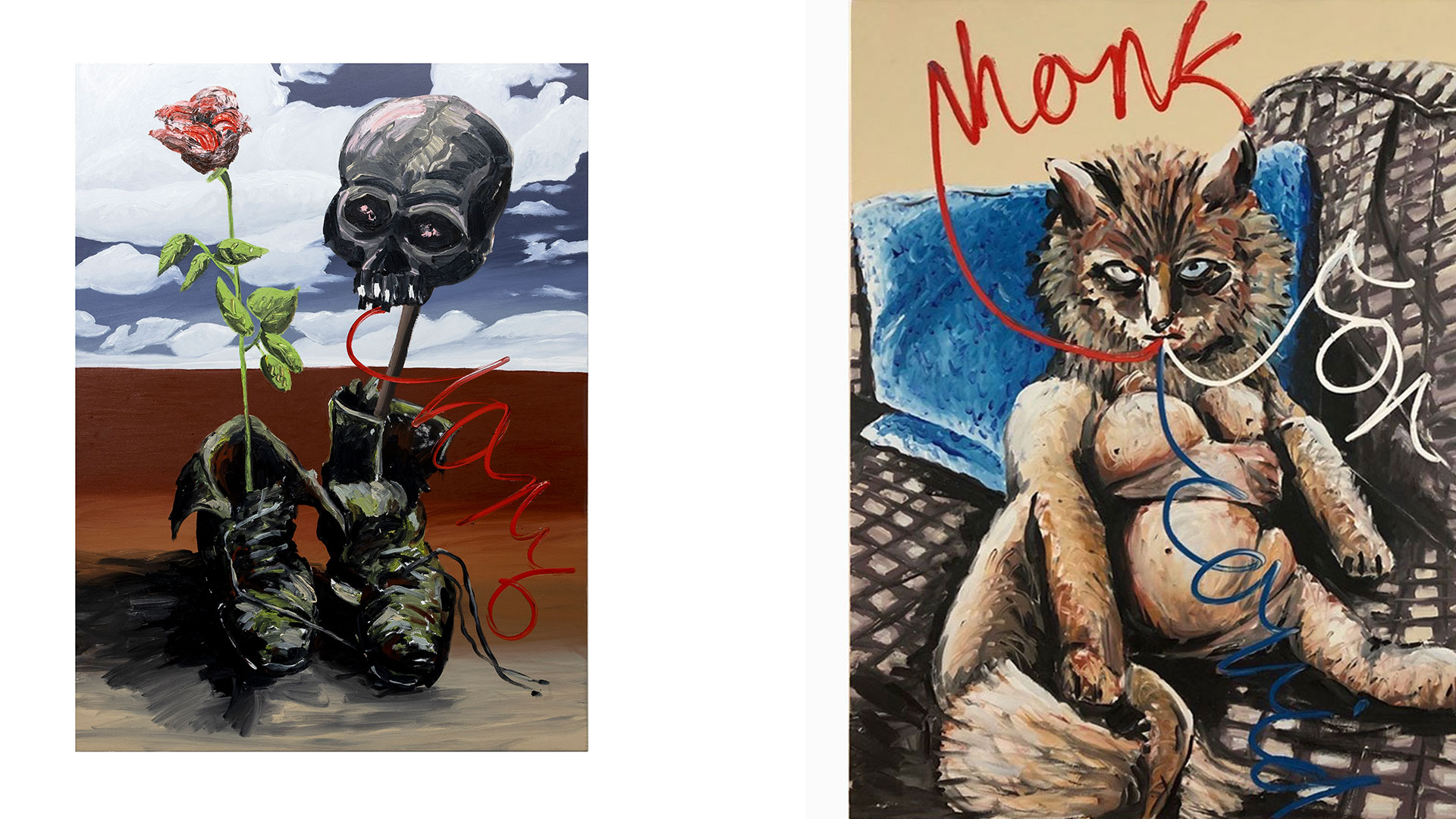
Above left: Collector Profile, 2021, acrylic, oil stick, wax crayon, spray paint, charcoal, collage on canvas 183 x 152cm. Above right: Studio Notes (the great defogger), 2021, acrylic, oil stick, wax crayon, spray paint, charcoal, collage on canvas 183 x 152cm.
Delivering playfulness in spades, the toys in Joi’s work nod to the artist’s evolution as a dreamer. Joi recalls she was one of “those children” who would create “epic worlds” in her imagination. First, with her toys as characters: “I think I played with toys behind closed doors till I was 15-ish. I’d make them talk to each other and reenact situations,” she says. Then, in vivid daydreams which would go on “way too long,” she admits.
But while Joi declares “I can’t stop seeing characters,” she hasn’t always felt at ease with their presence in her work. That was until one rainy night in her studio, when alone in the darkness, that the company of her “pictures” brought her comfort, just like the characters she’d dreamed up as a kid. “I just sat with them for a while,” she recalls. “That was the first time I felt that these pictures on my canvases could be friends.”
Finding Mikey opens April 29 at Peach Black Gallery, 126 Abercrombie Street, Chippendale, and continues until May 2. An opening event will be held on Friday April 29, 6-8pm. Entry to the exhibition is free.
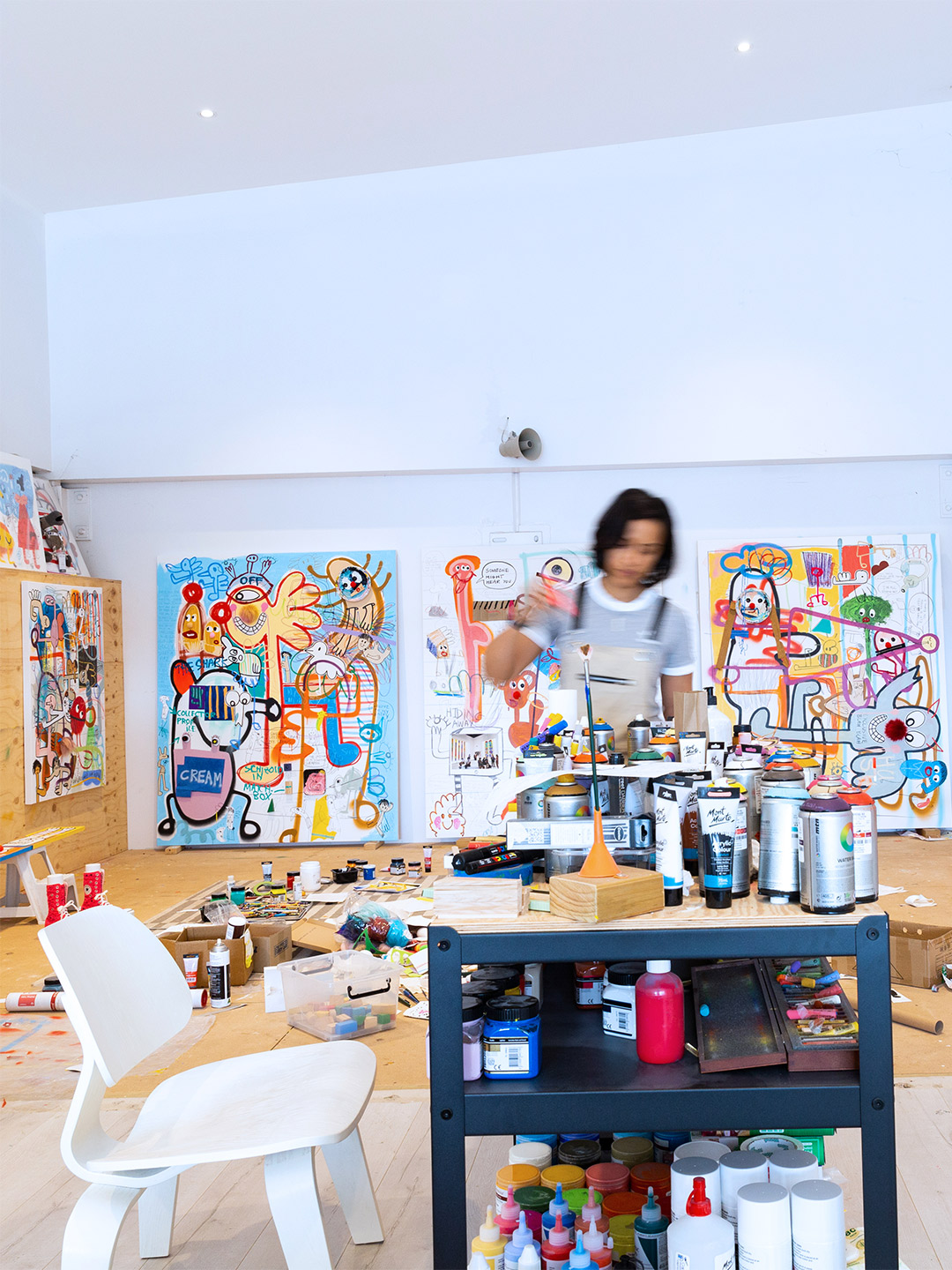
Presented by art advisor Sarah Birtles, the high-octane exhibition will run from April 29 until May 2.
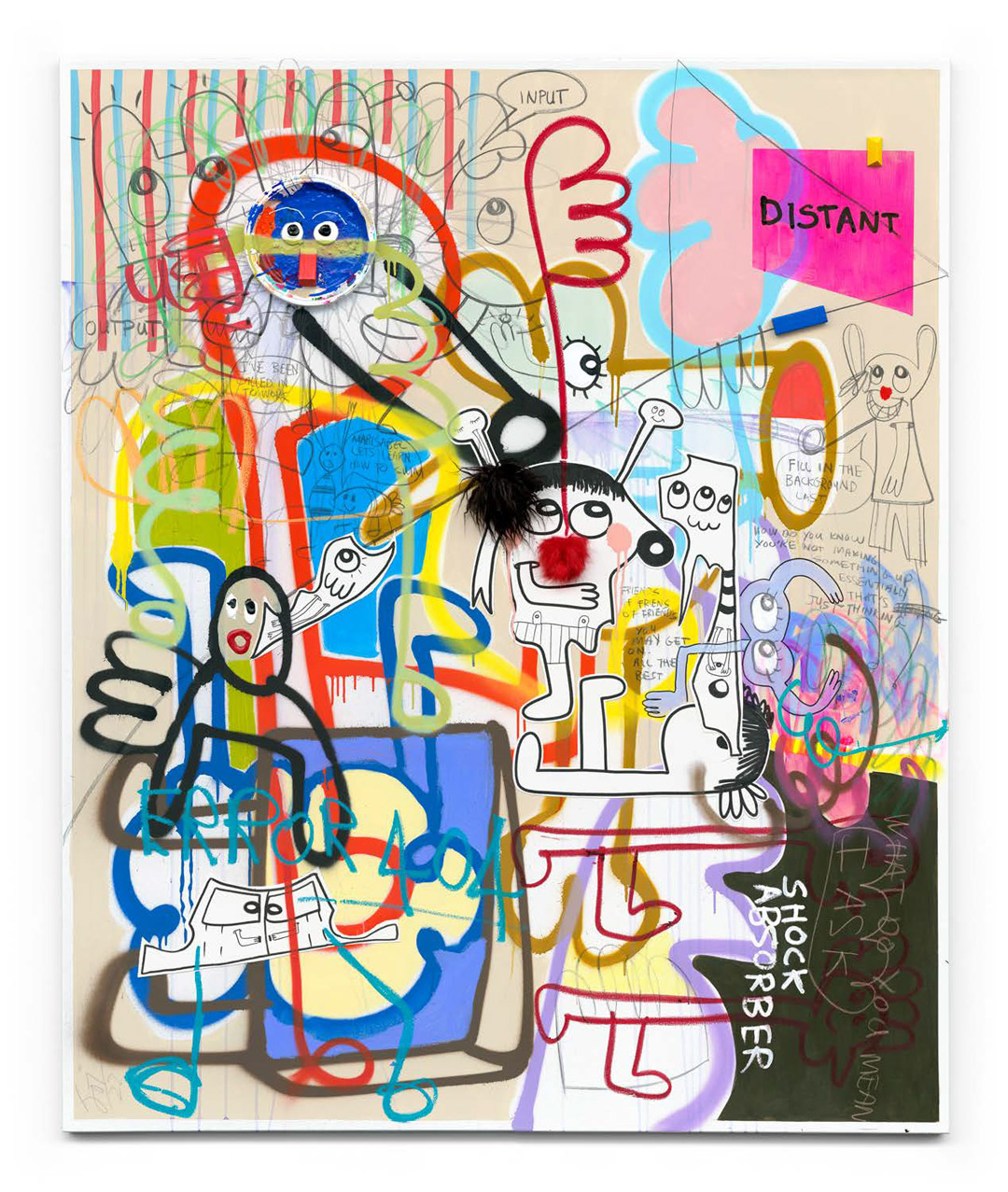
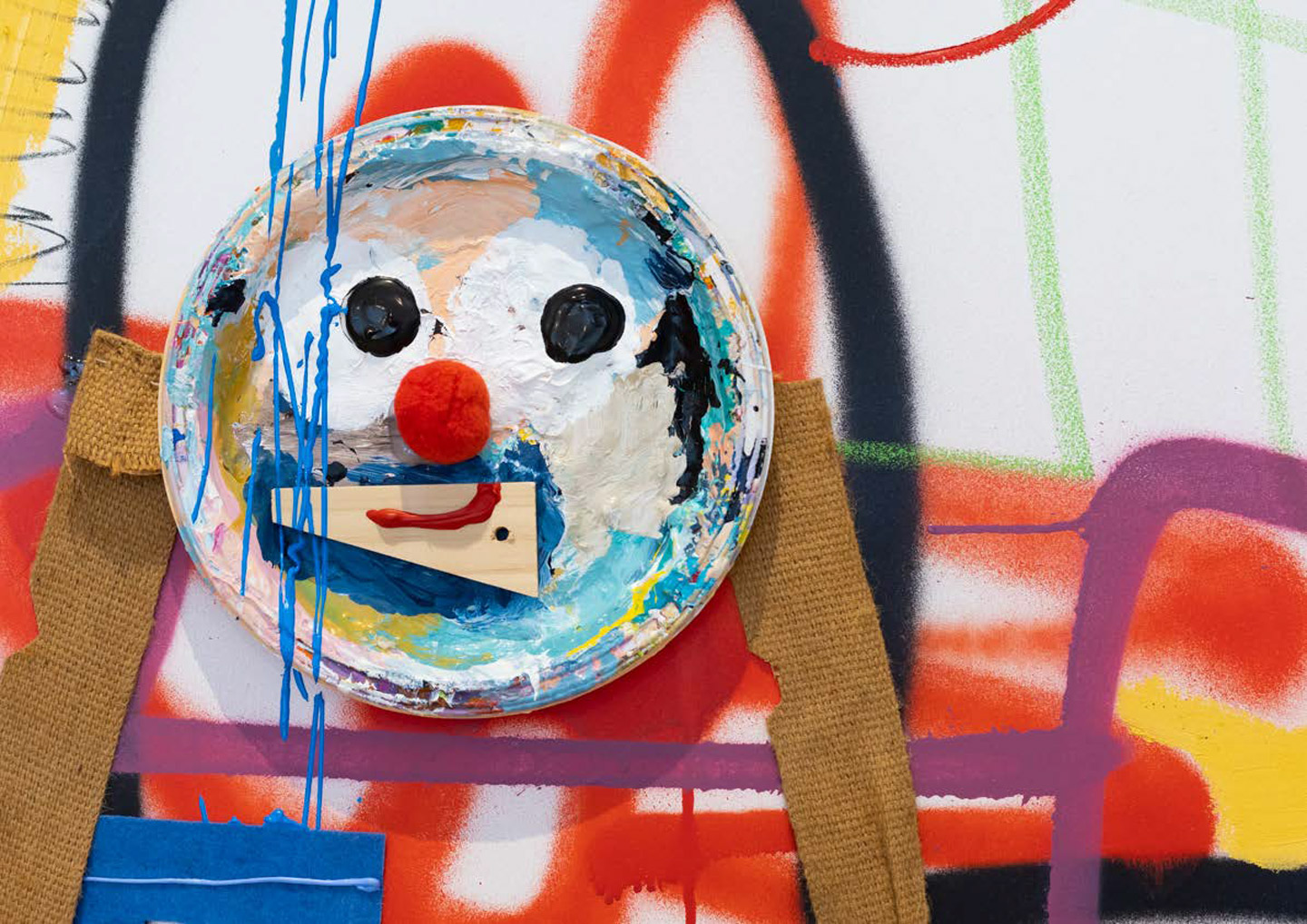
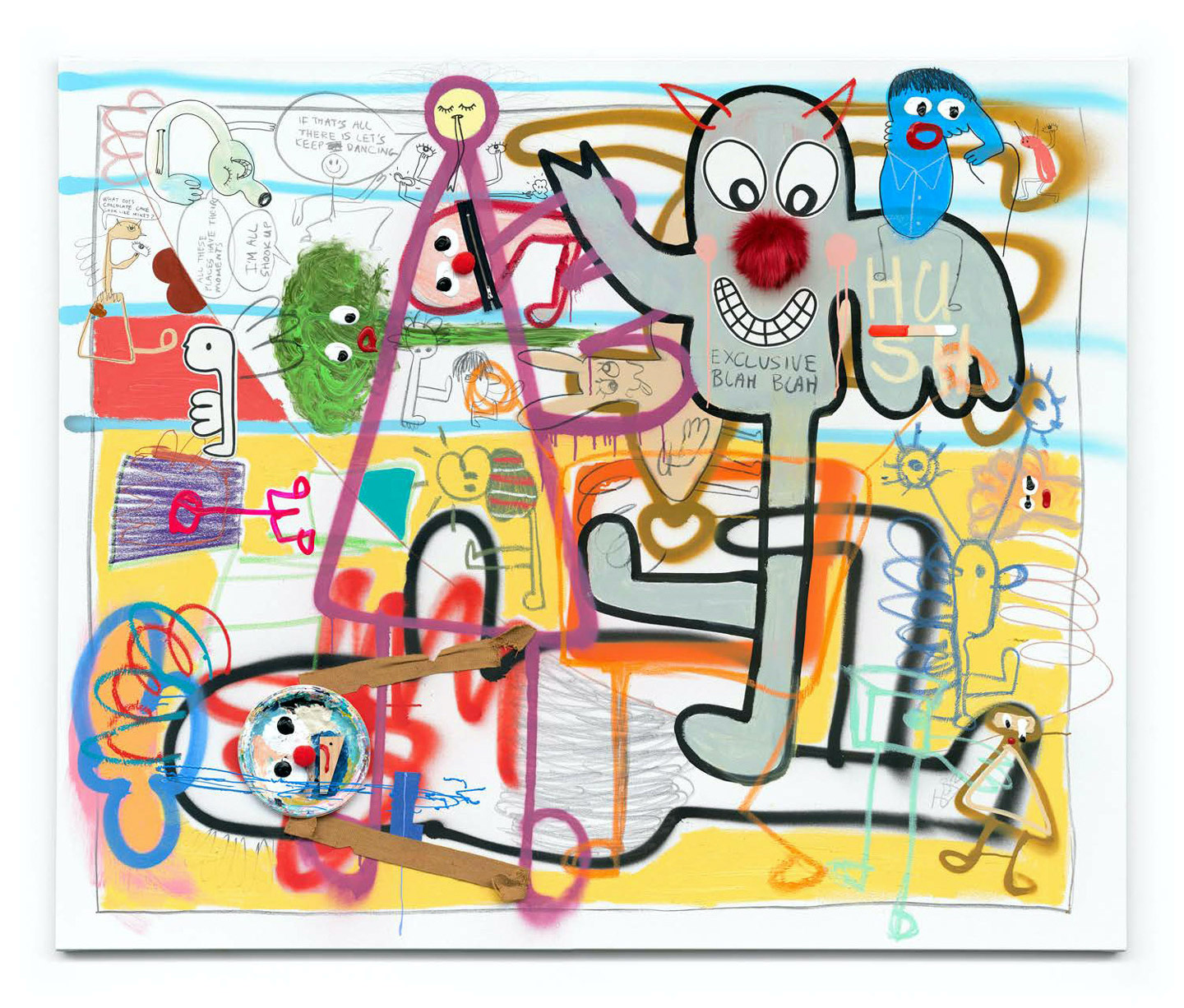
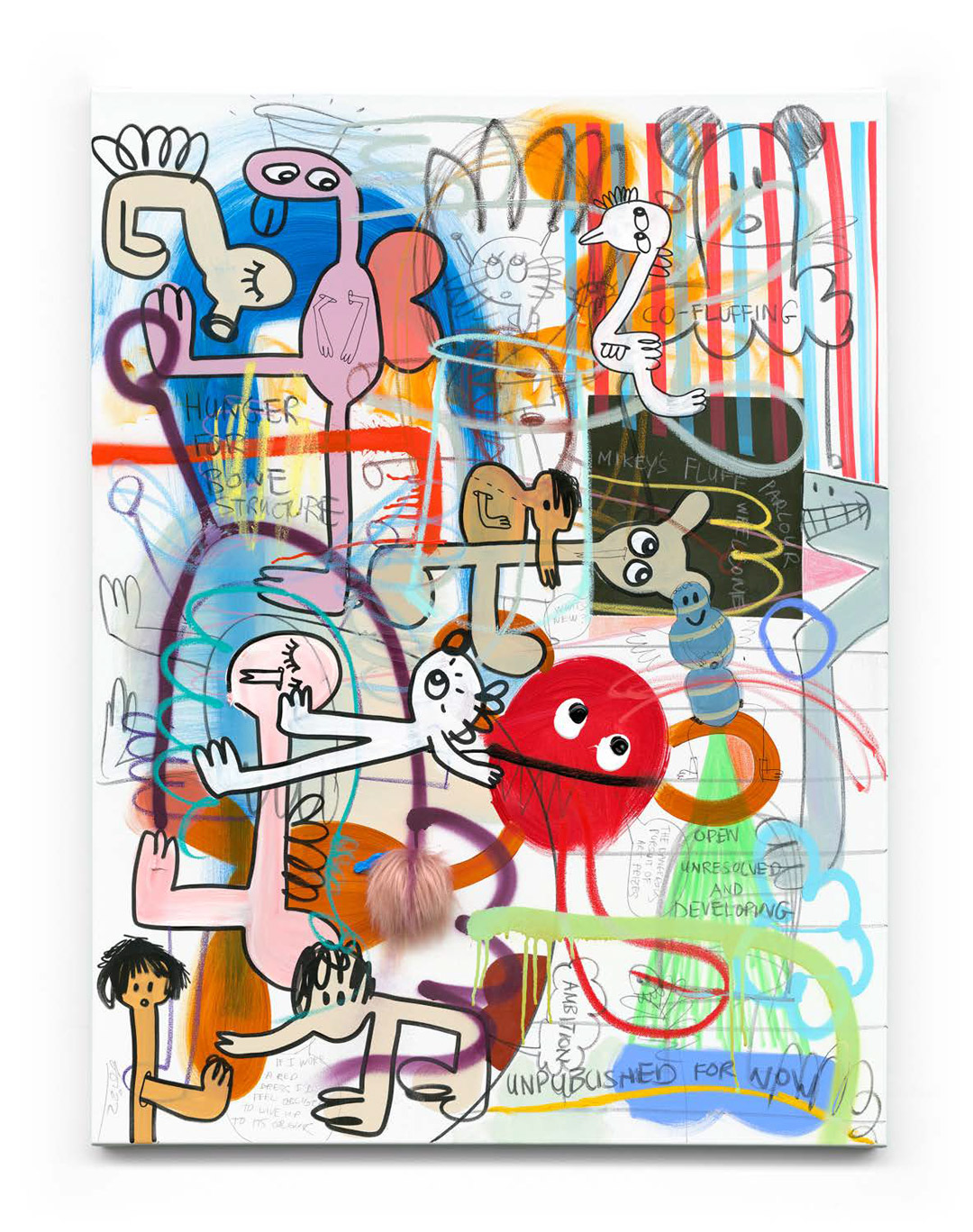
Above: Mikey’s Fluff Parlour, 2021, acrylic, oil stick, wax crayon, spray paint, charcoal, collage on canvas 120 x 90cm.
Catch up on more of the latest architectural gestures as well as art projects and exhibitions. Plus, join the mailing list to receive the Daily Architecture News e-letter direct to your inbox.
Related stories
- Could this be the new look for Sydney’s brutalist Sirius building?
- Skinny mini: The pencil thin hotel proposed for Sydney’s skyline.
- Sydney’s biggest pool since the 2000 Olympics is now open.
- Port Douglas retreat: Gurner reveals plans to open luxury hotel in Far North Queensland.
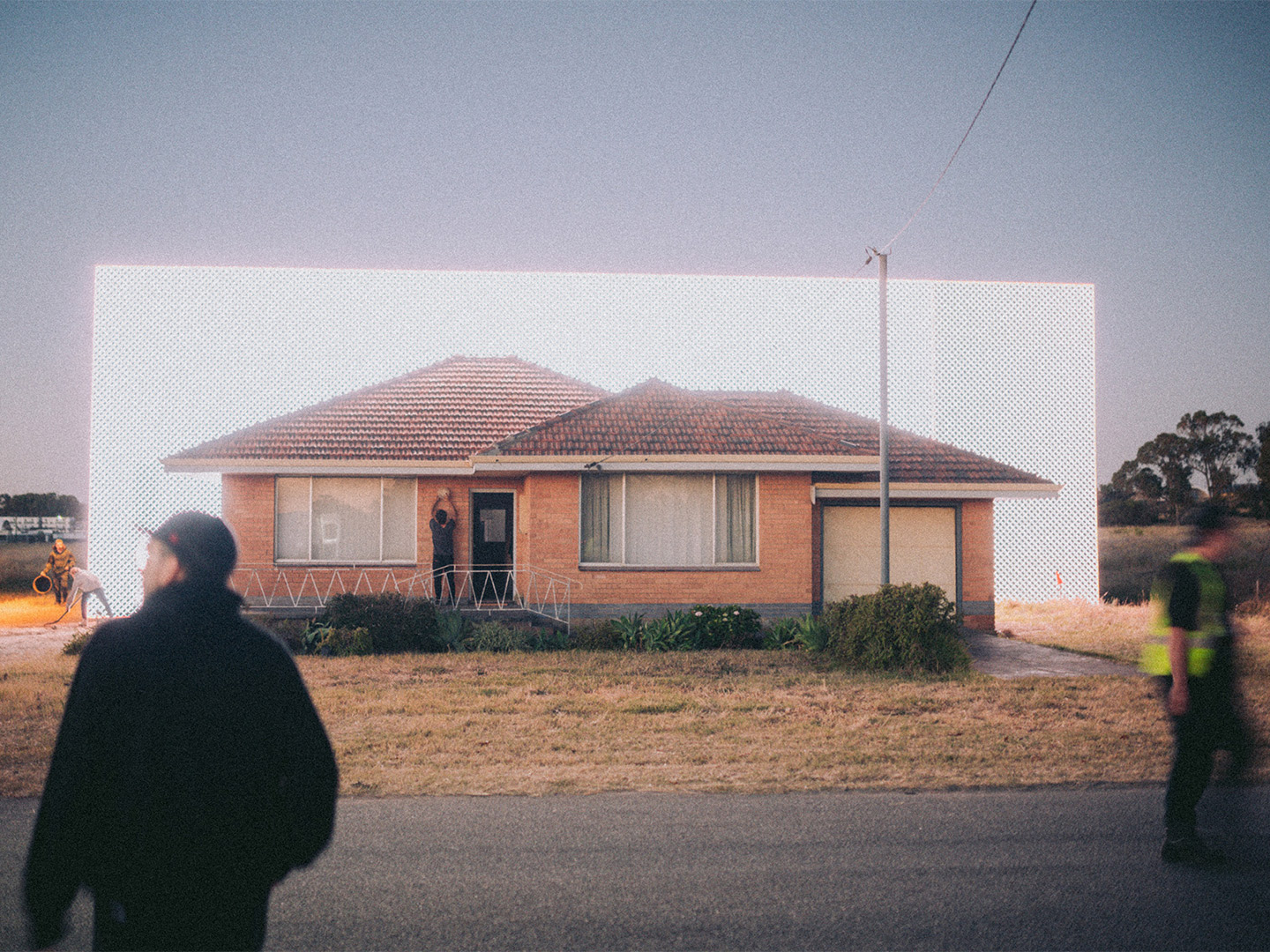
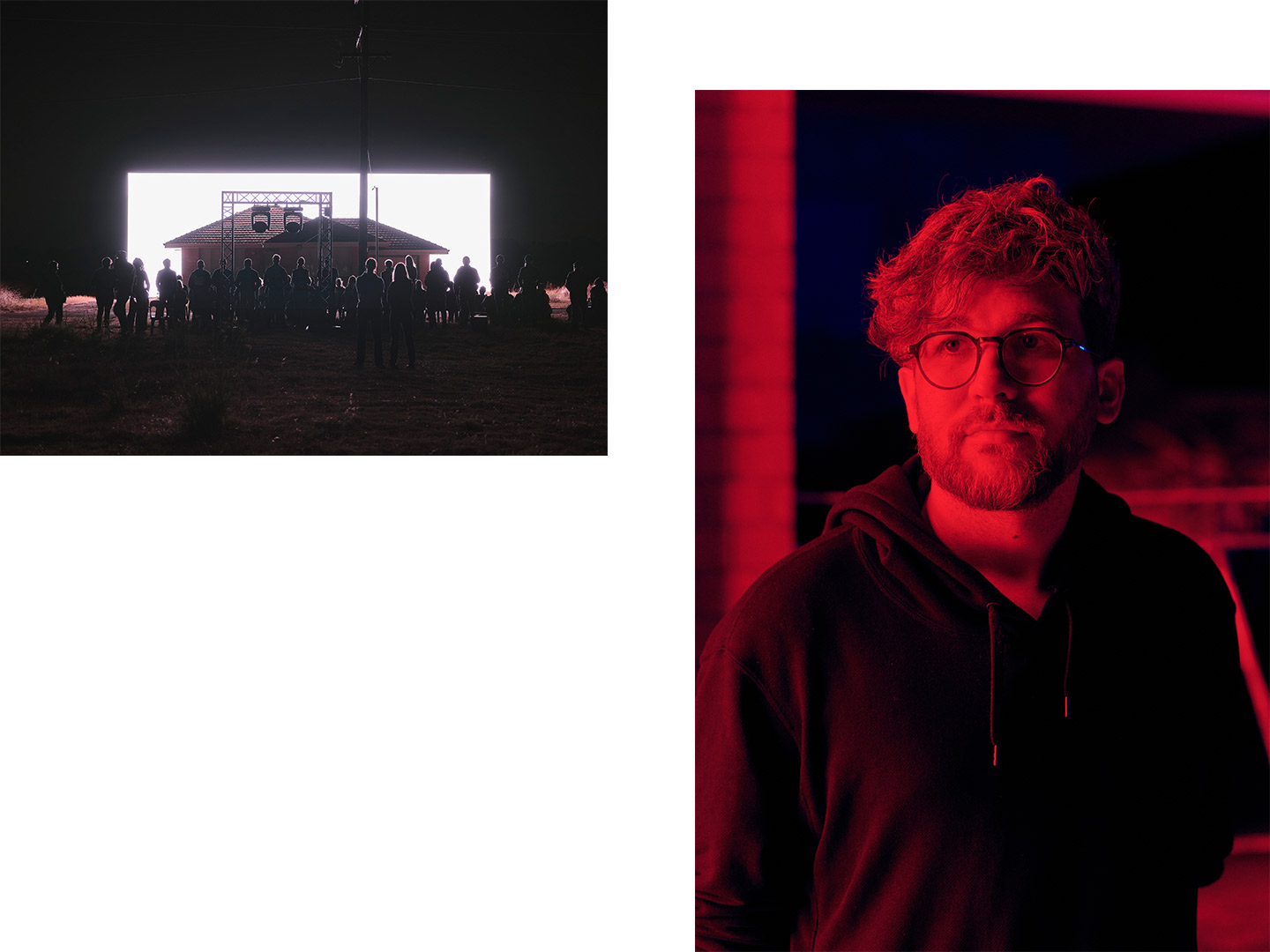
Facing a destiny punctuated by a wrecking ball, the second last “hold-out” home in Wattleup, Western Australia, has been given one final chance to make its mark. But not in any manner that you might have imagined. Before the unassuming brick-and-tile home is reduced to rubble, and the suburb it inhabits evaporates entirely, it became the site of an architectural intervention; a large-scale light and sound installation by Australian contemporary artist Ian Strange.
Ian first spotted the home in 2015, decades after it belonged to a thriving suburban township of over 700 residents. Since then, the house – like its neighbours – was sold to the Western Australian Land Authority, which plans to clear the plot for an industrial precinct ideated in the late ’90s.
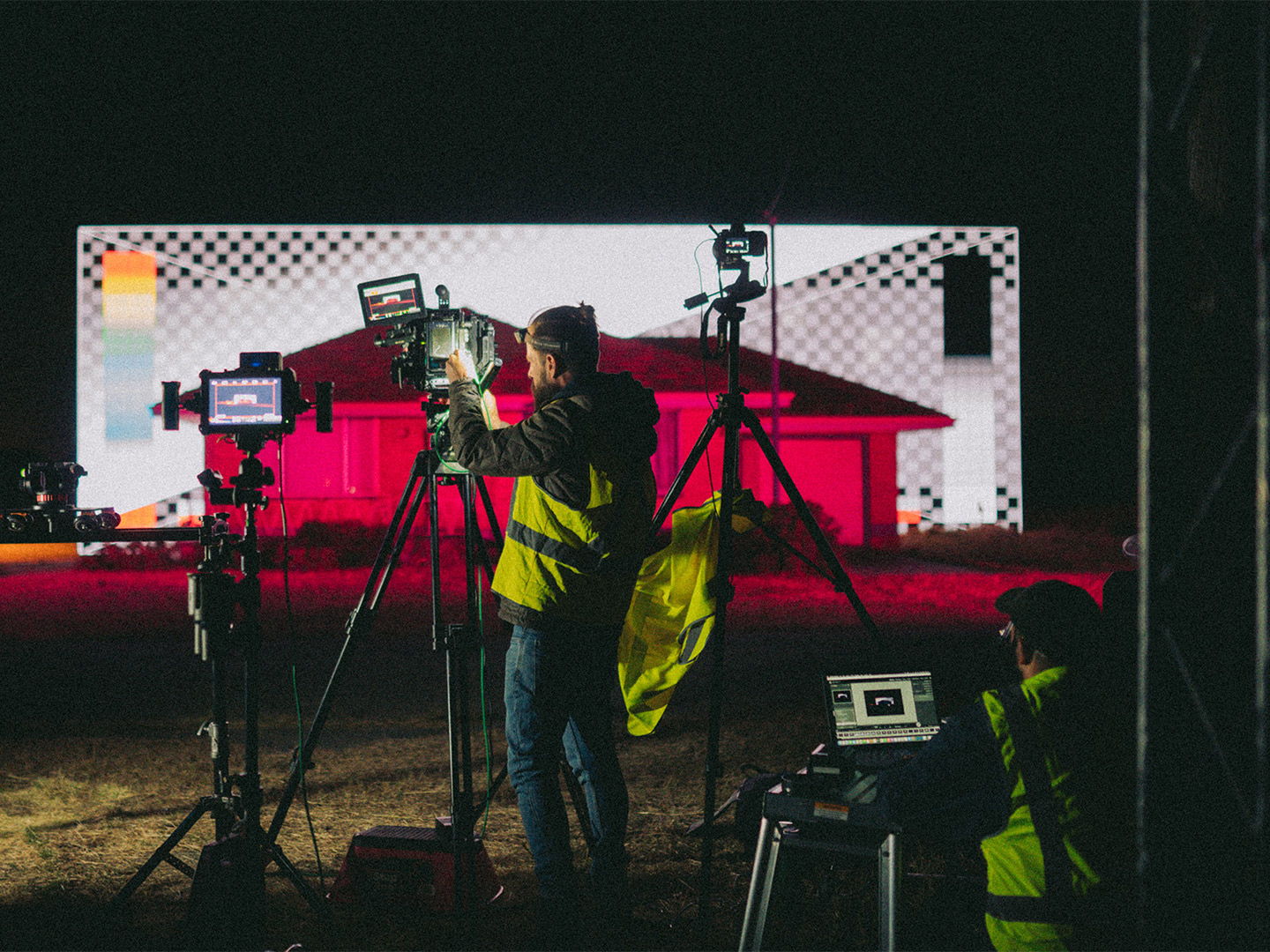
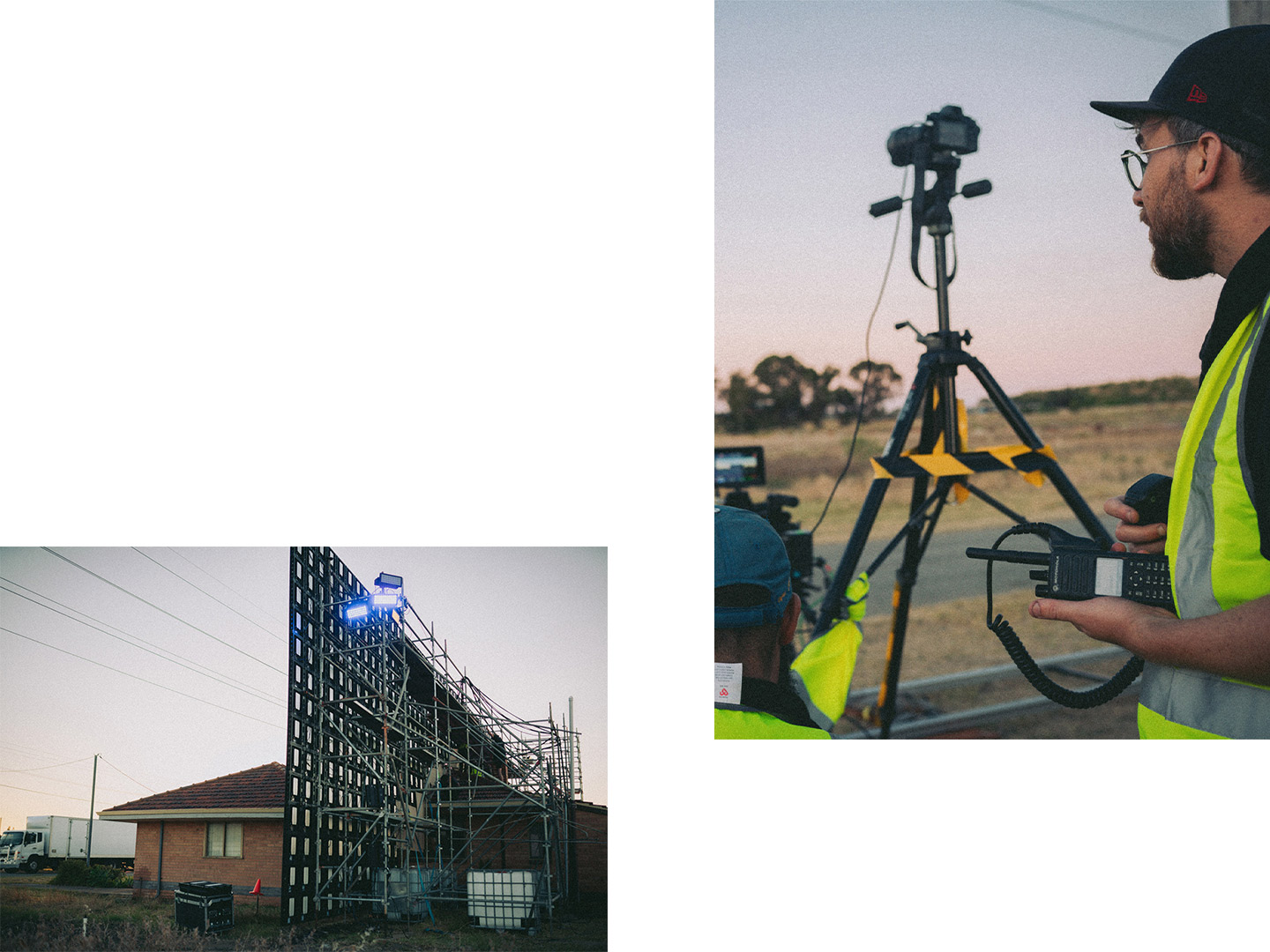
Having only conceptualised a proposal for the site in early 2021, the artist moved quickly to secure a six-week lease of the property before it meets its fate. Joined by a team of construction, film, production and lighting specialists, Ian built a stadium-sized LED video screen with programmed theatre lighting to bring his vision to life.
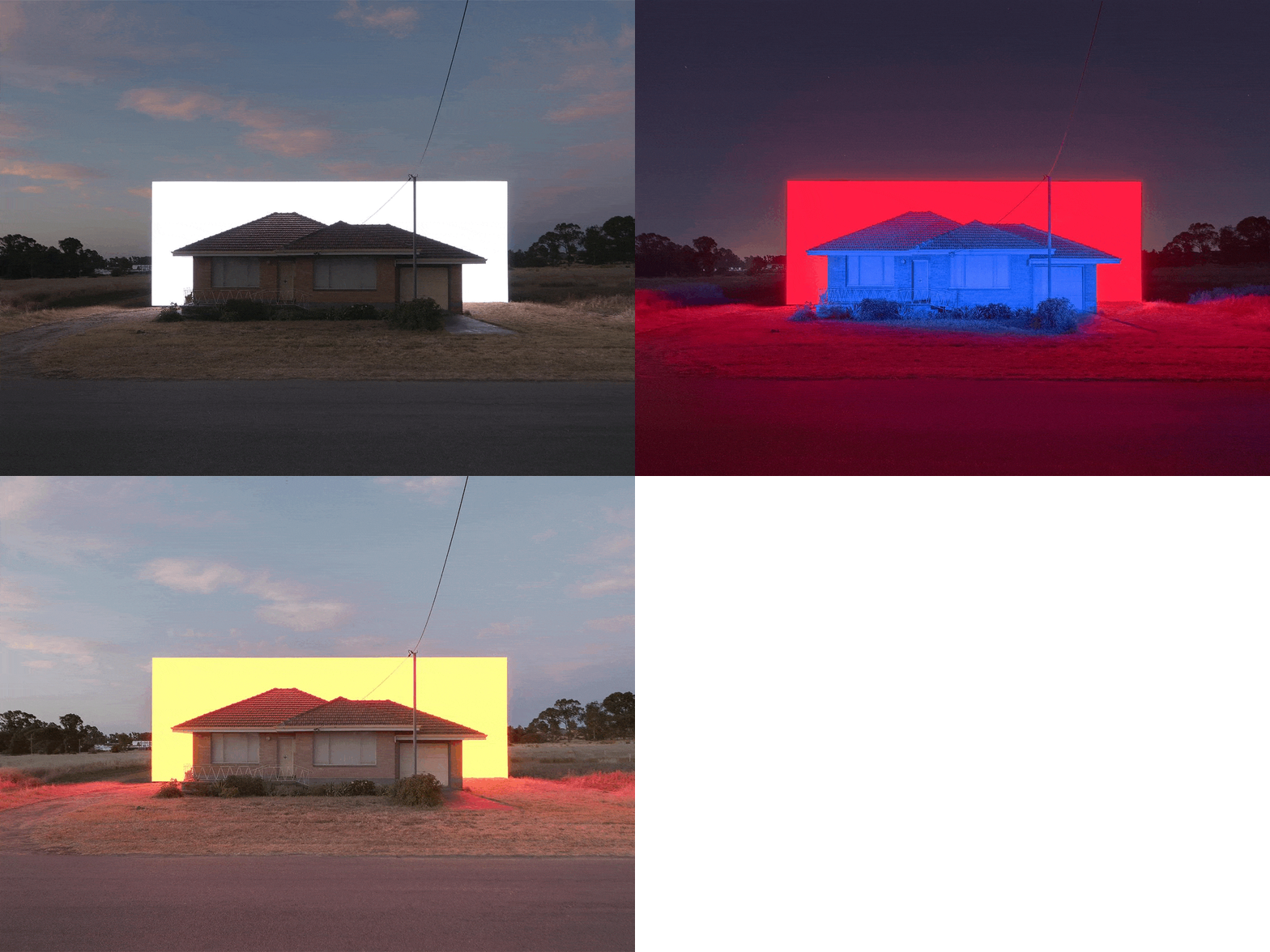
‘Dalison’ by Ian Strange
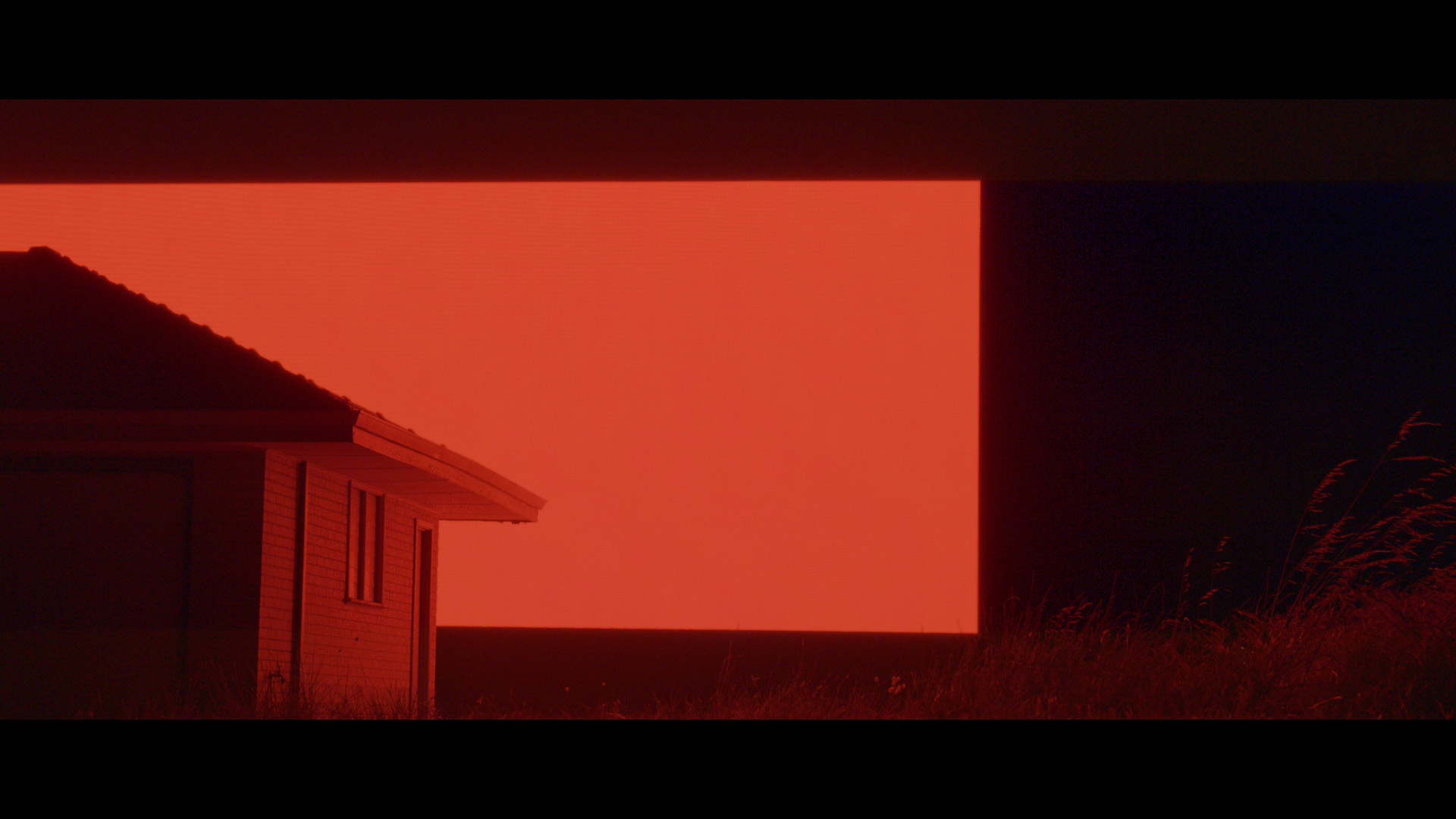
“The idea was to build this large-scale screen that would allow us to cut the house out of the landscape with light, to experience the home in shifting states of visibility, either silhouetted, isolated in darkness, or revealed in its vast, empty context,” Ian says of the project, which forms part of an ongoing body of work exploring ideas of “home” and social displacement around the world.
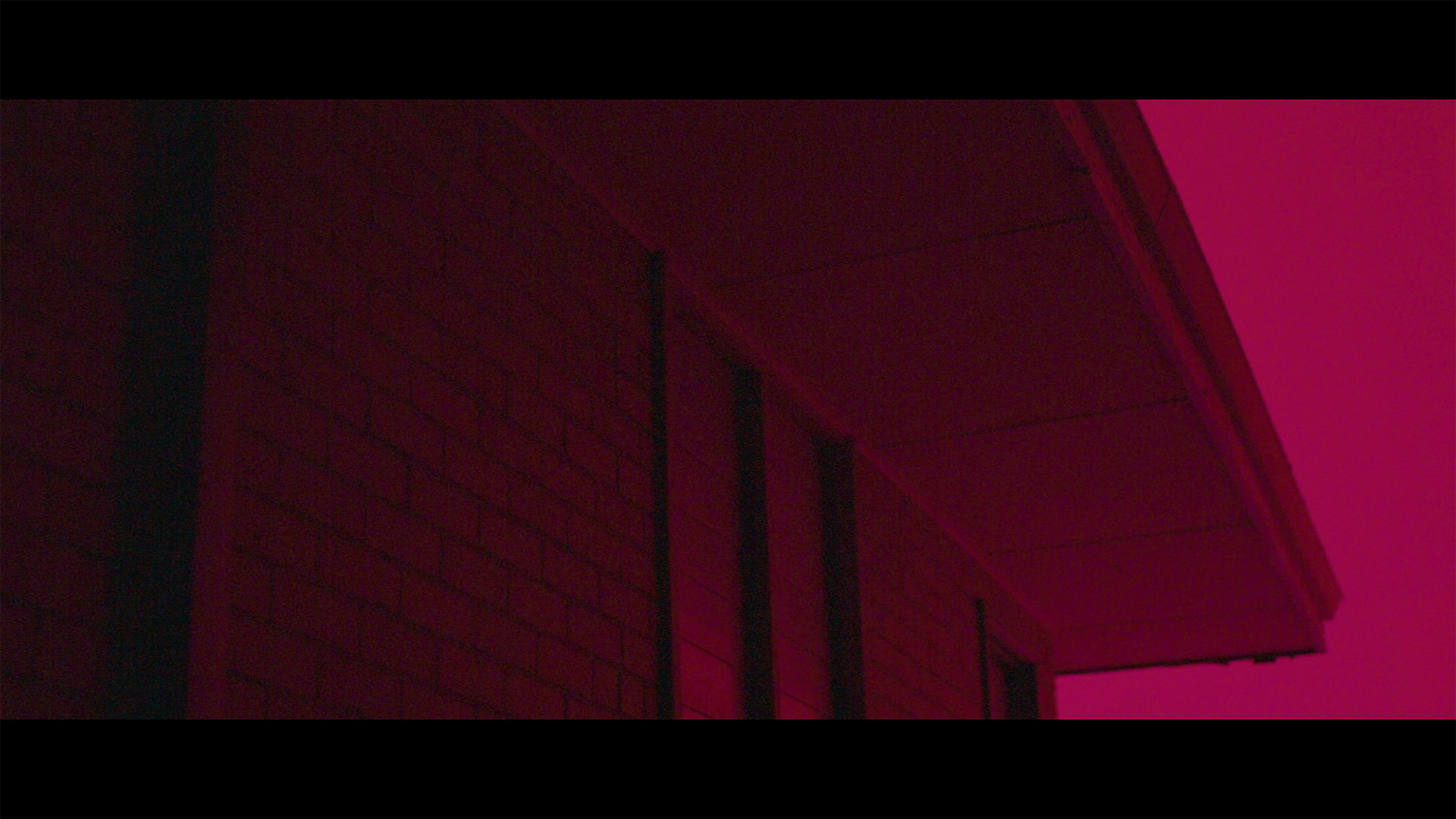
He adds: “Early on, I started to think about this project as a musical collaboration and I thought Trevor [Powers] was the perfect person to score that experience.” An acclaimed American musician and producer, Trevor’s original 18-minute composition of poetic, experimental sound, transformed the empty residence while Ian’s durational light installation eerily danced along.
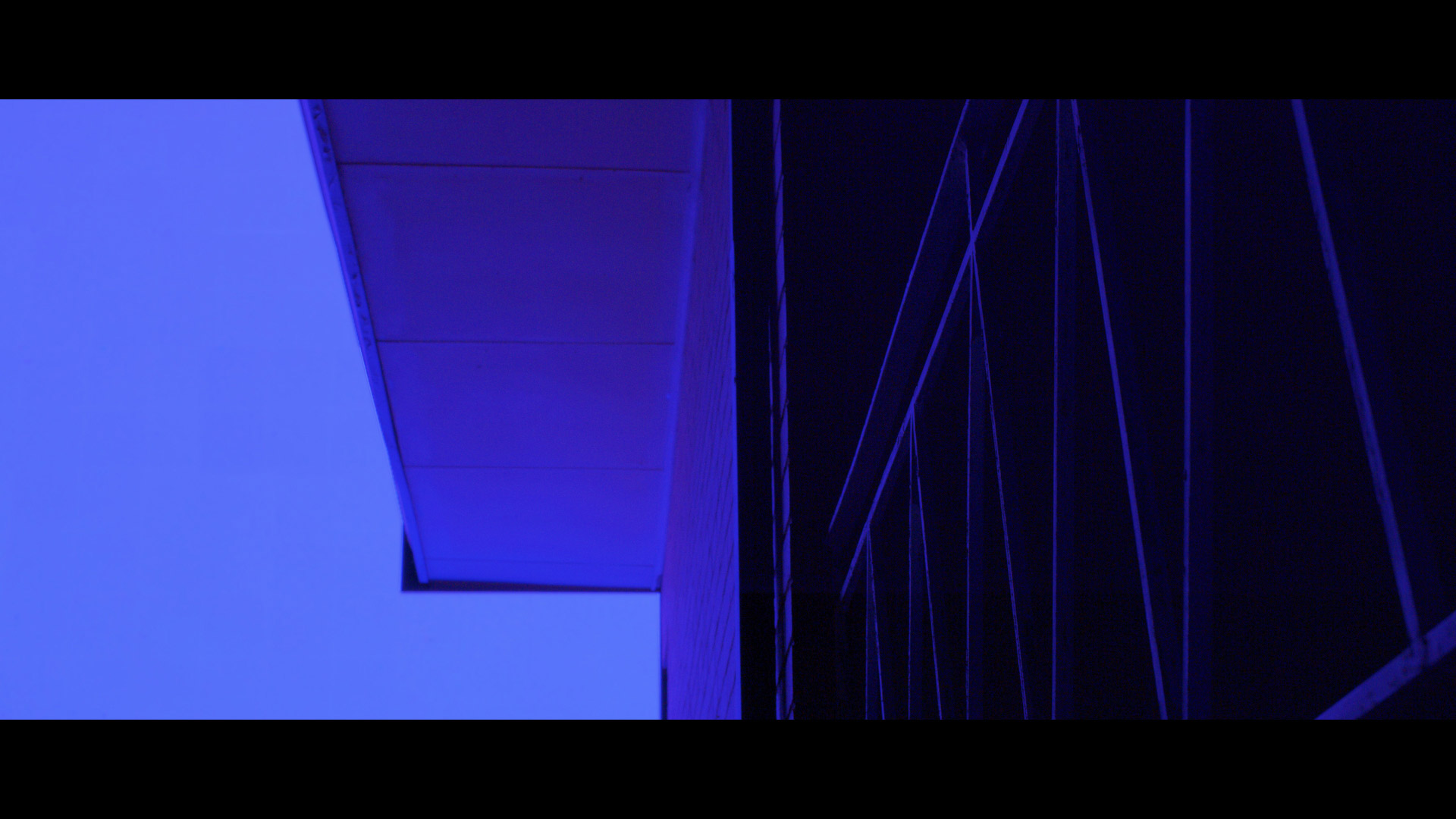
Titled Dalison, in memoriam of the home’s address at 20 Dalison Avenue, the “eulogy” was documented by Ian and his collaborators over a period of three nights. The resulting 18-minute film and photographic works – a surviving record of the home and the temporary installation – will be shown in a series of exhibitions and screenings around the world.
ianstrange.com; dalisonproject.com
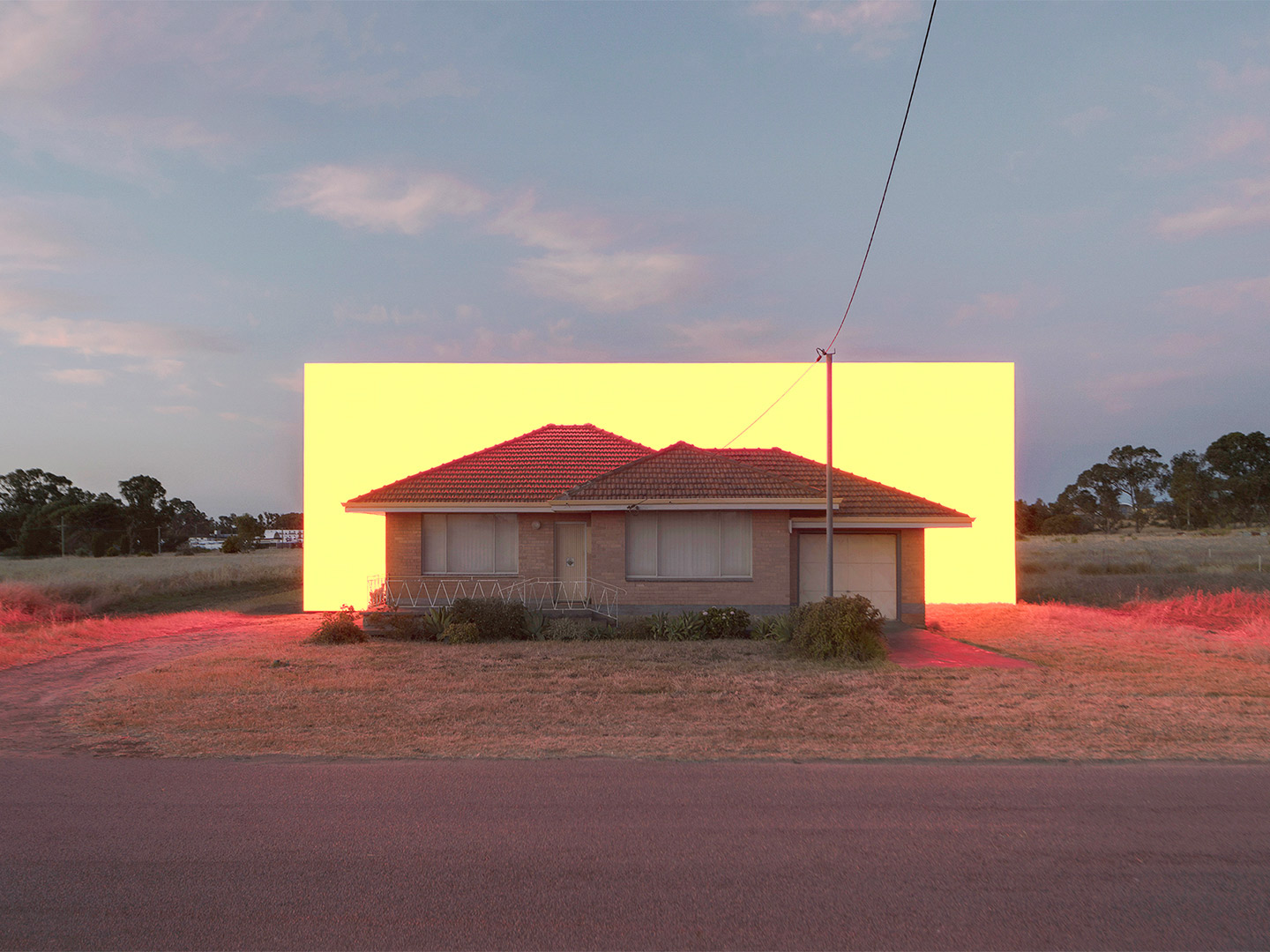
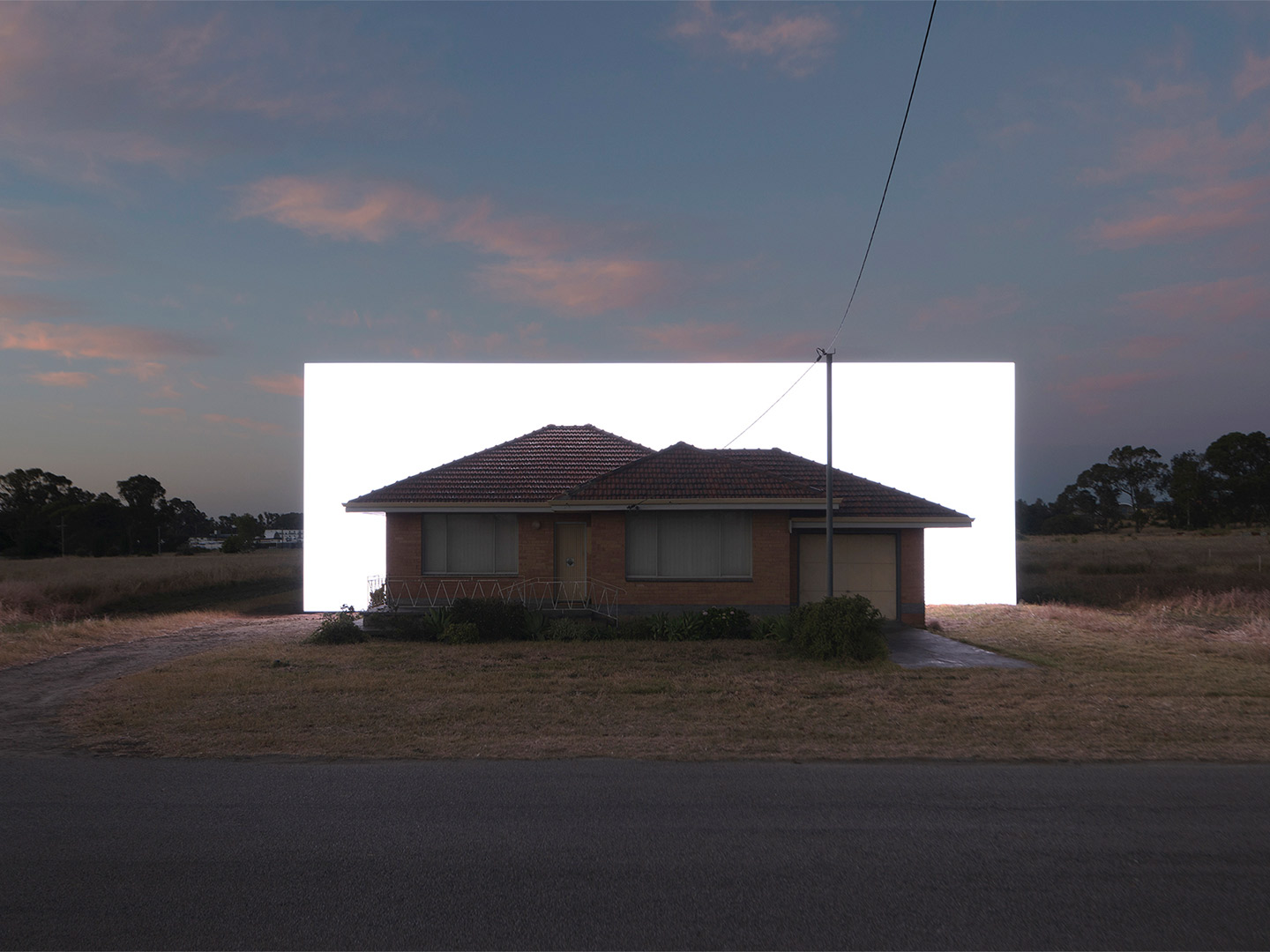
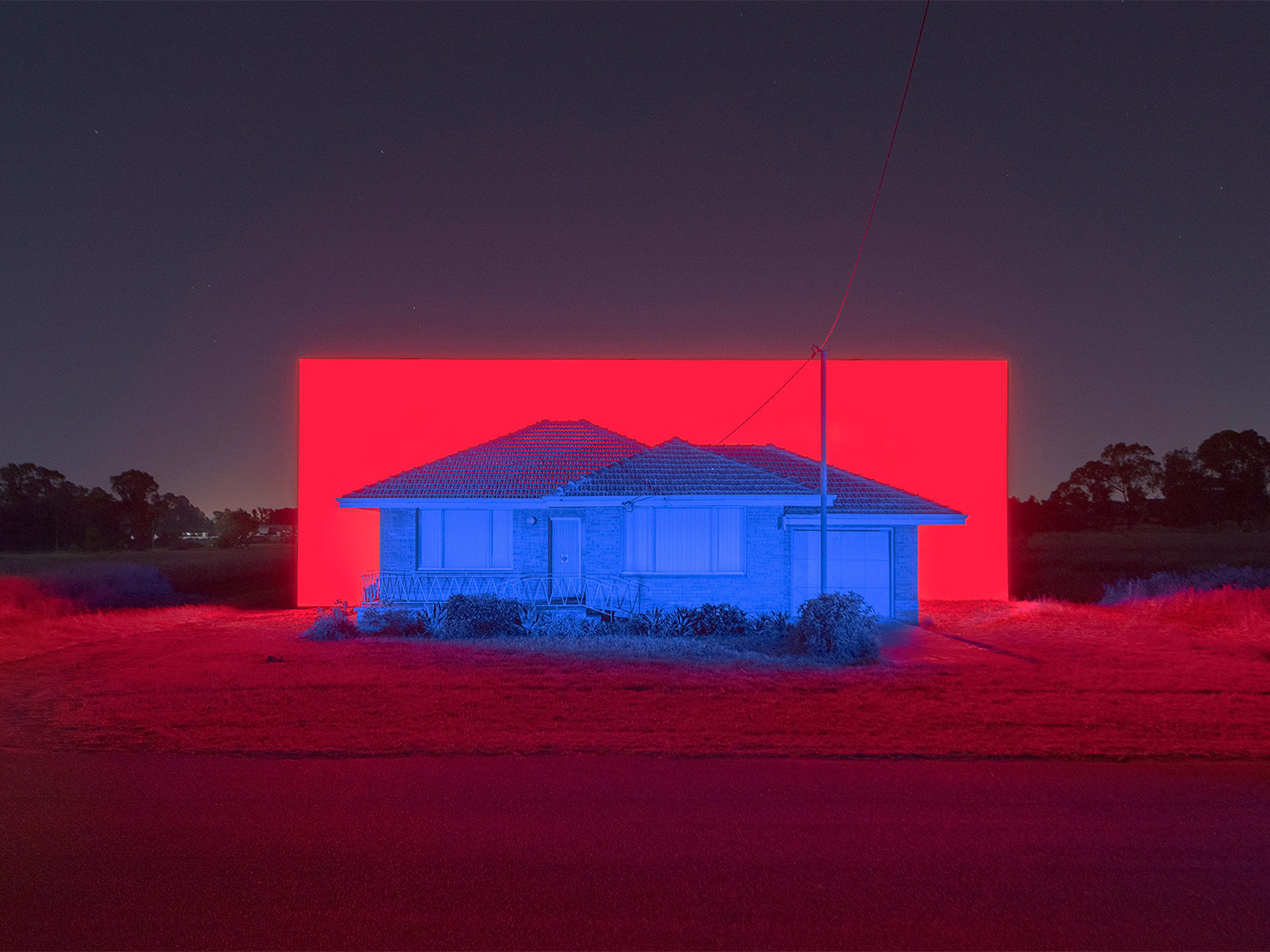
The artist moved quickly to secure a six-week lease of the property before it meets its fate.
Catch up on more architecture, art and design highlights. Plus, subscribe to receive the Daily Architecture News e-letter direct to your inbox.
Related stories
- Final days: ‘Intersections’ by Ian Strange lights up Sydney nights.
- Kelly Wearstler presents new lighting collection in virtual worlds.
- The Brick Bond in Delhi flips the script on showroom design.
Proudly supported by Brickworks, a major exhibition charting 50 years of studio ceramic practice in Australia is planned to open at the Powerhouse Museum on August 20. Bringing together works from 168 Australian artists, ‘Clay Dynasty’ will celebrate local studio ceramics, as shaped by three generations of makers. The exhibition will present more than 450 works from the Powerhouse collection and spotlight 70 new commissions and acquisitions from Australian artists.
“The Powerhouse collection of Australian studio ceramics is the most significant in Australia,” says Lisa Havilah, chief executive of the Powerhouse Museum. “We are committed to continuing to support contemporary Australian artists and documenting this significant field of practice for future generations.”
The making of ‘Clay Dynasty’
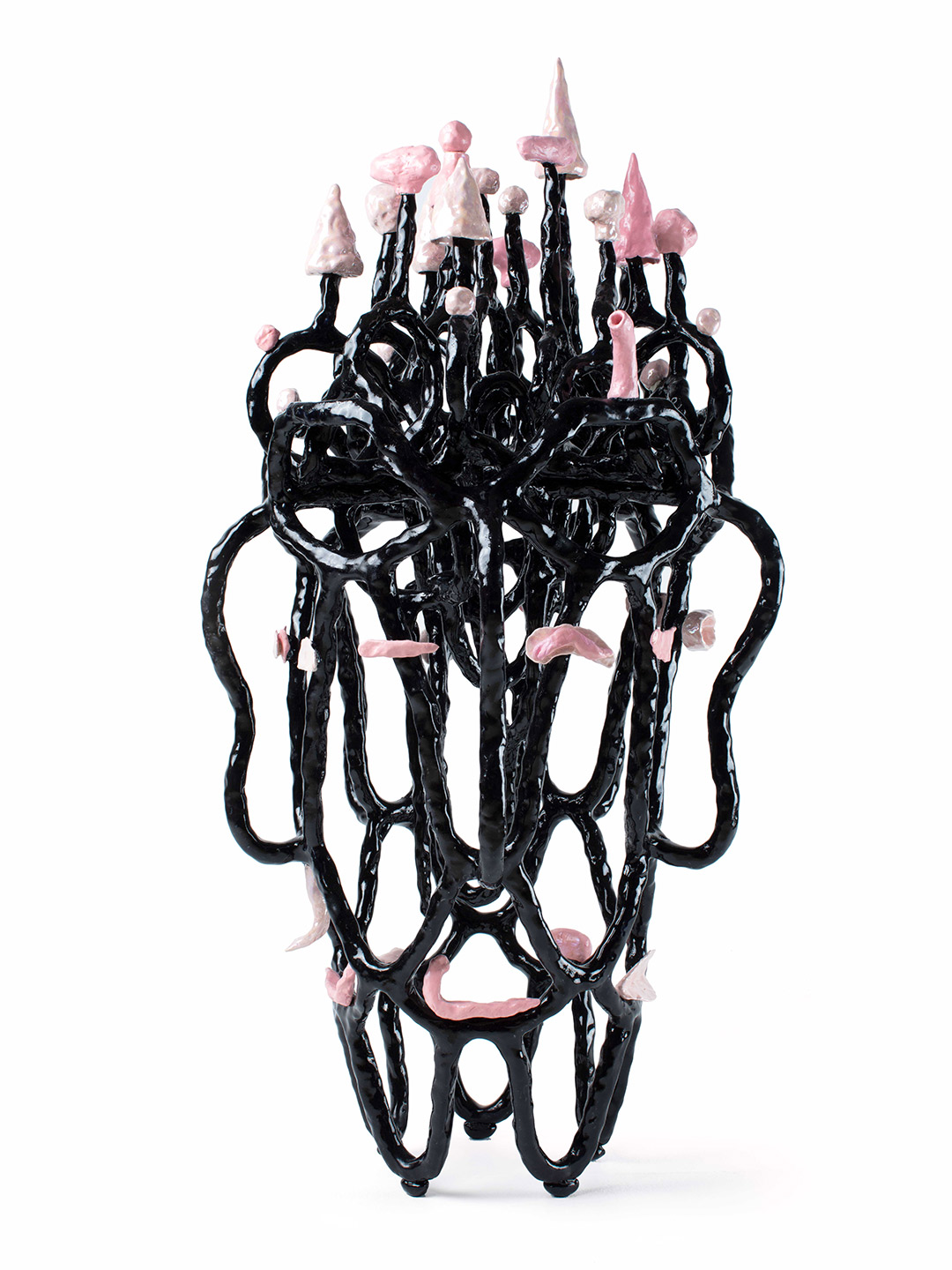
The ‘Clay Dynasty’ exhibit will feature works by “pioneer” potters who profoundly changed the course of Australian studio ceramics in the 1960s. Led by the English potter Bernard Leach’s interest in pre-industrial ceramic traditions of Europe and East Asia, these makers produced a new kind of Australian object, using local materials and responding to the Australian environment.
Alongside the functional tradition, the exhibition will explore the quest for artistic expression. Objects from the 1970s will illustrate the impact of the American Funk art movement and popular culture in Australia, while works from the 1980s will reveal how Australian artists explored the vessel tradition through postmodern forms, colours and patterns.
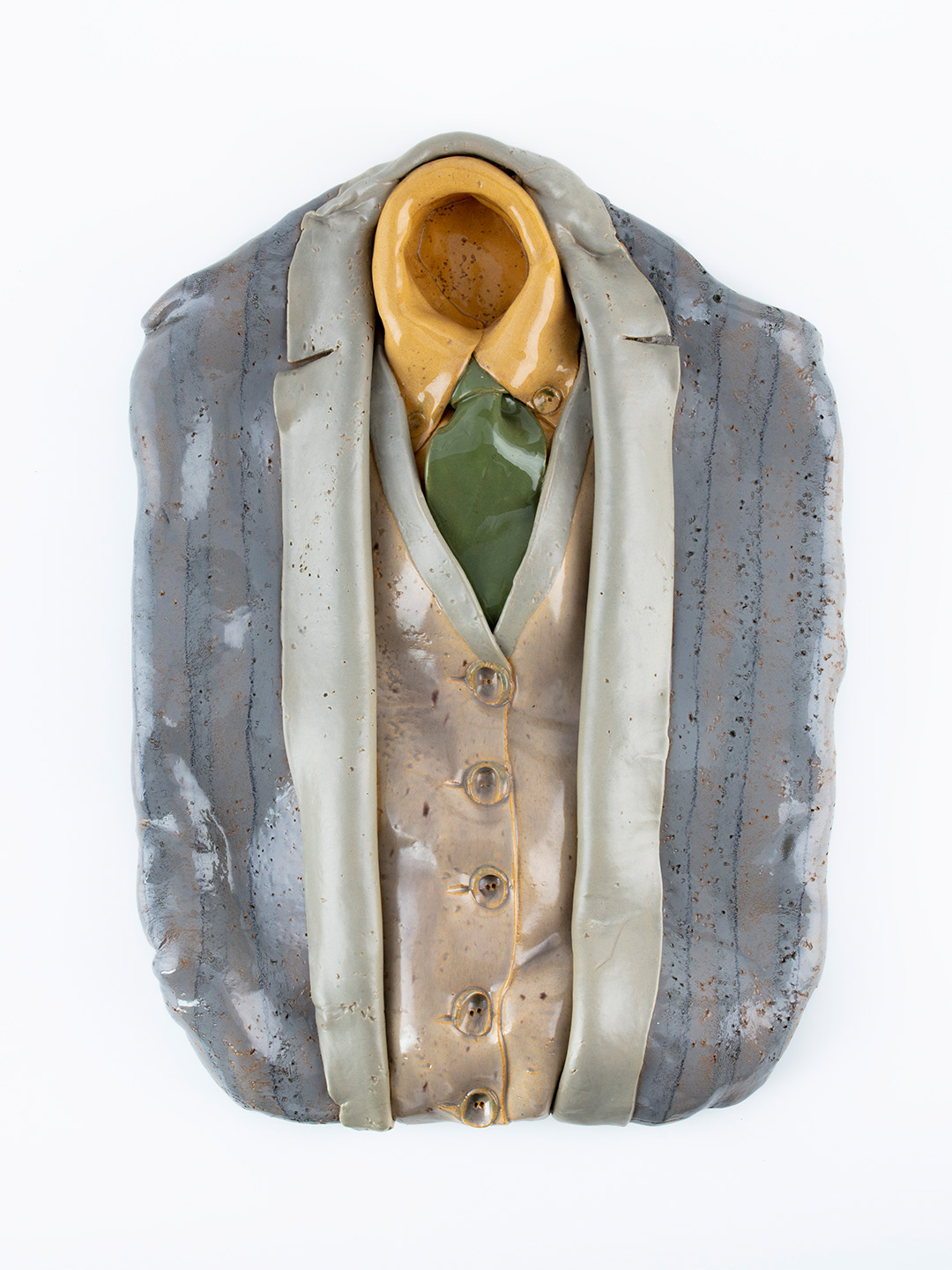
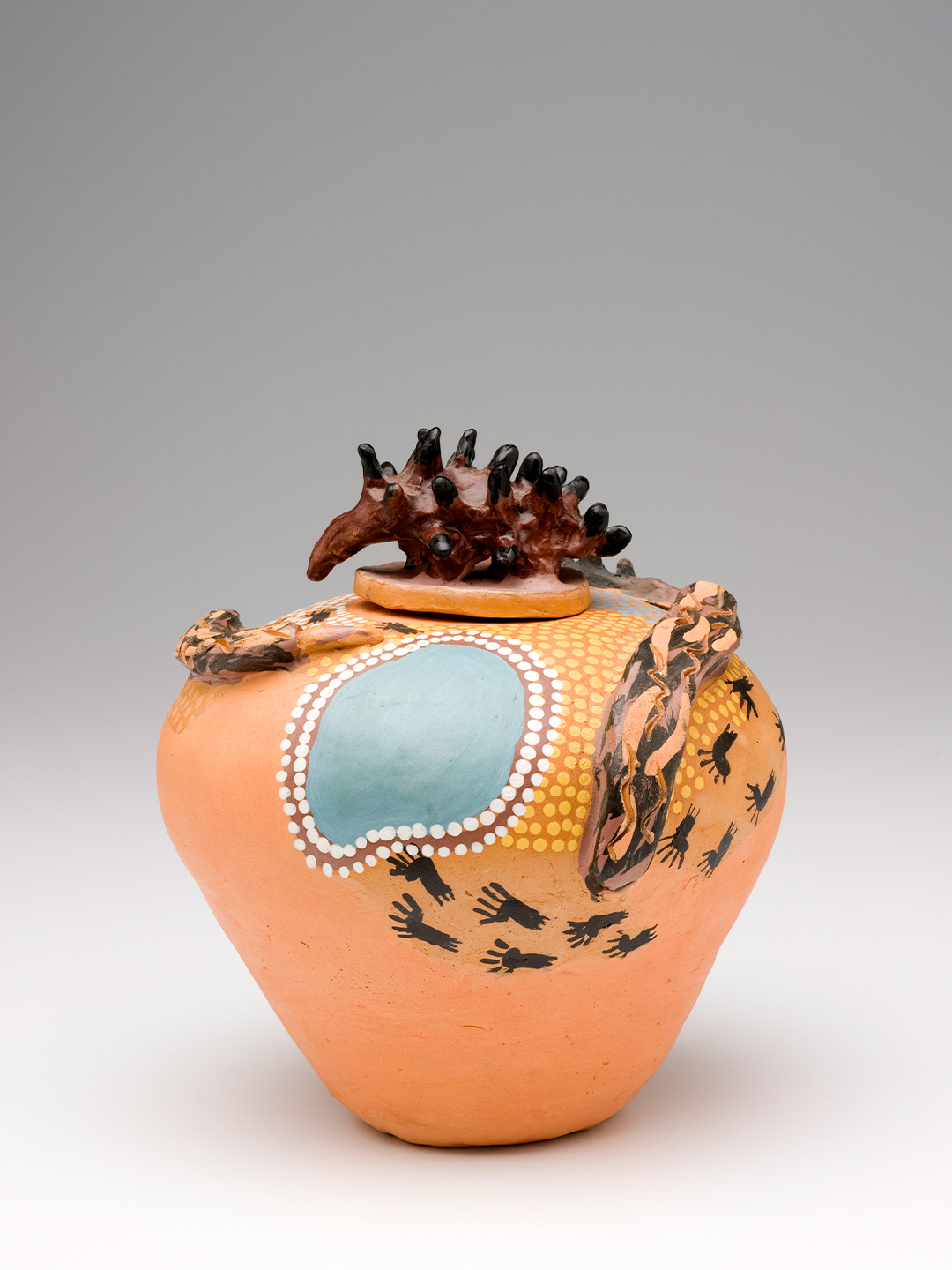
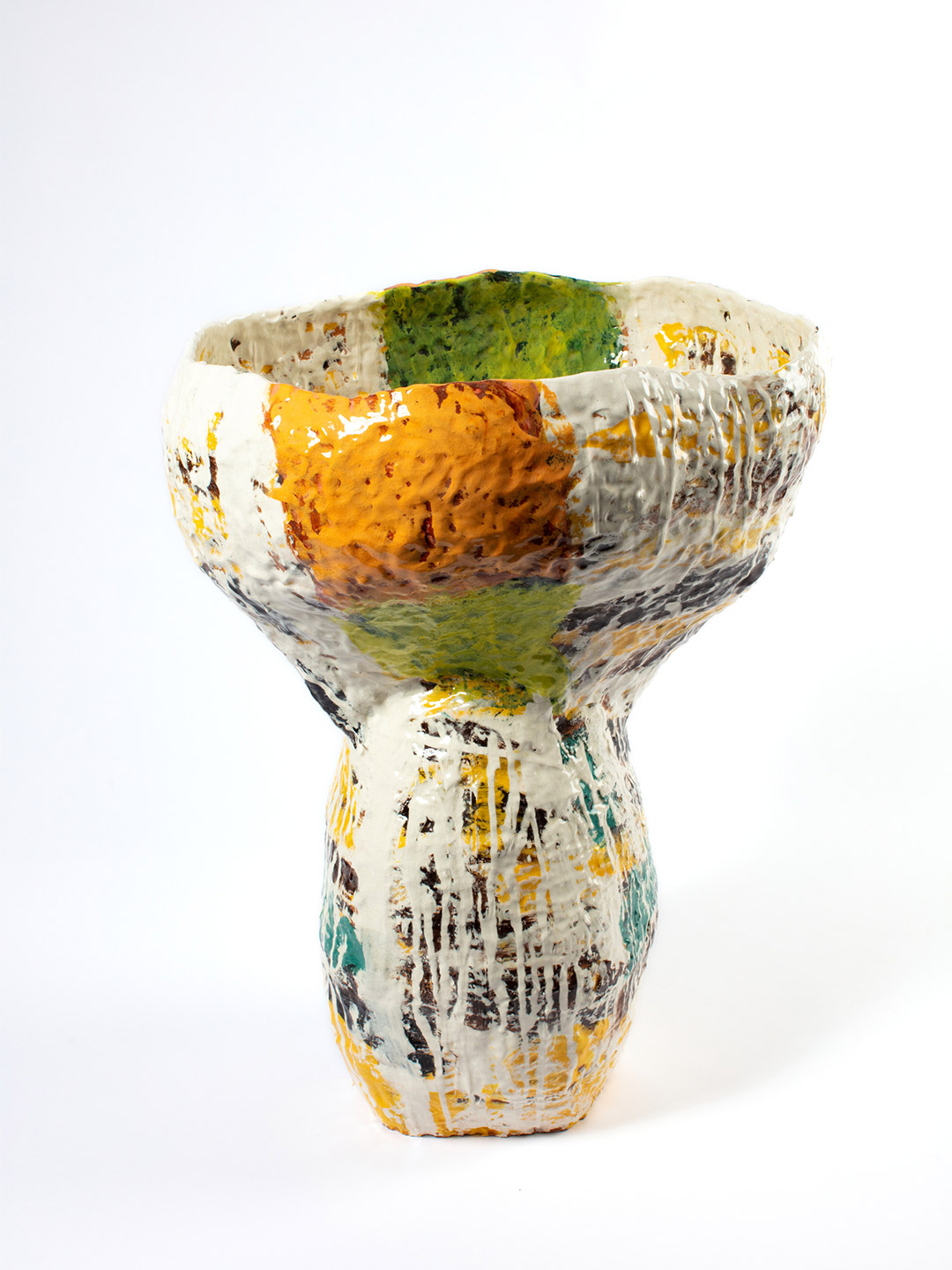
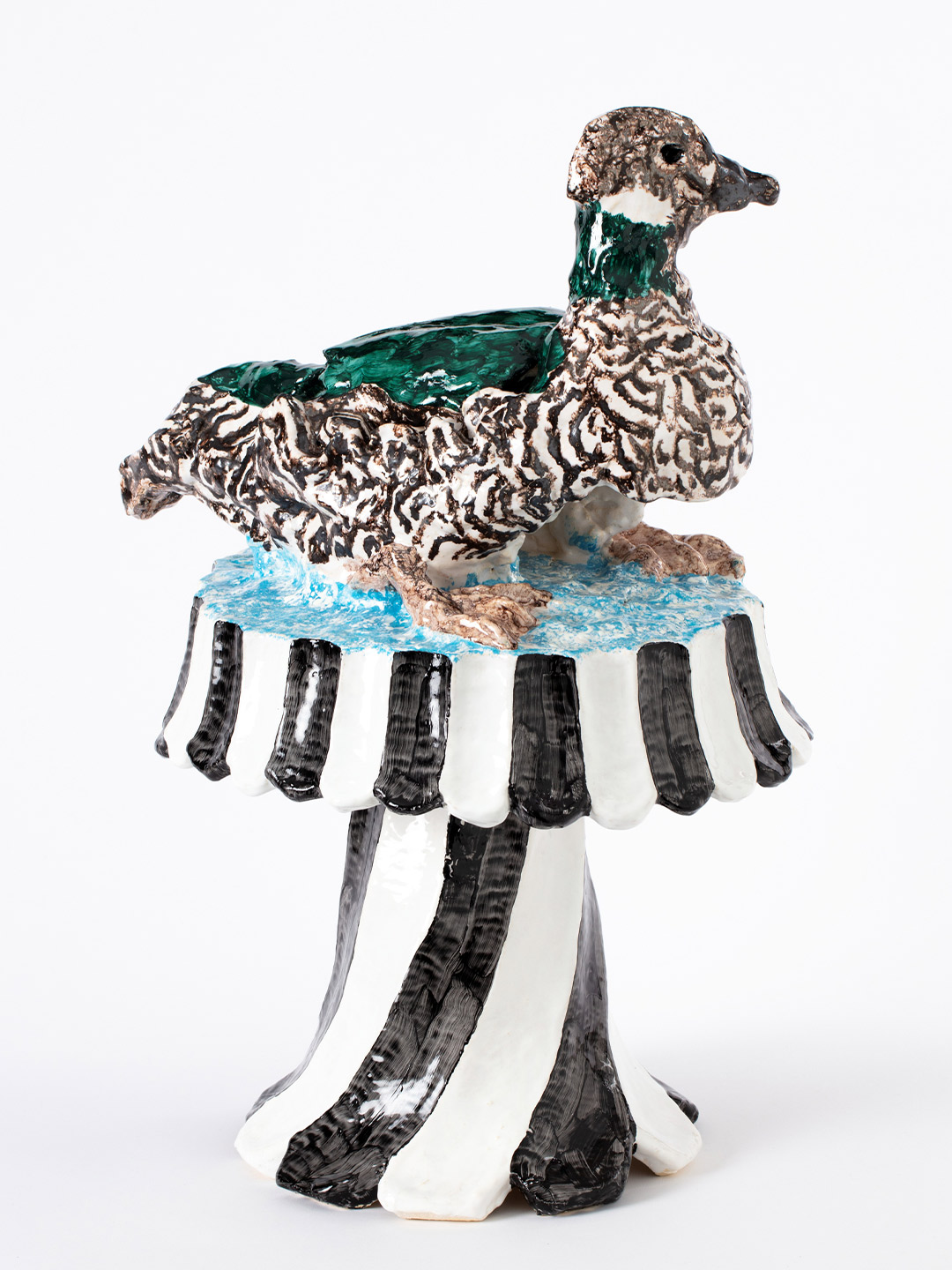
Left to right, from top: Portrait of a Father (1973) by Olive Bishop, Echidna is Looking for Food (1991) by Ida Enalanga, Wentworth Falls 4 (2004) by Peter Cooley, Small Green Goose (2020) by Peter Cooley.
Highlighting contemporary artists who are at the forefront of the medium today, ‘Clay Dynasty’ will showcase new works from across Australia. Commissioned by the Powerhouse Museum in 2020-21, these works see makers exploring historical and cultural traditions, pop-culture and current social issues to create contemporary works.
“As the first major exhibition exploring studio ceramic practice in Australia from the 1960s to now, ‘Clay Dynasty’ reveals a field of dedicated artists, teachers and communities,” says Eva Czernis-Ryl, curator of the exhibition. Continuing this legacy, the Powerhouse has partnered with local ceramic studios to develop a masterclass program that coincides with the exhibition, where guest artists will explore a range of ceramic techniques.
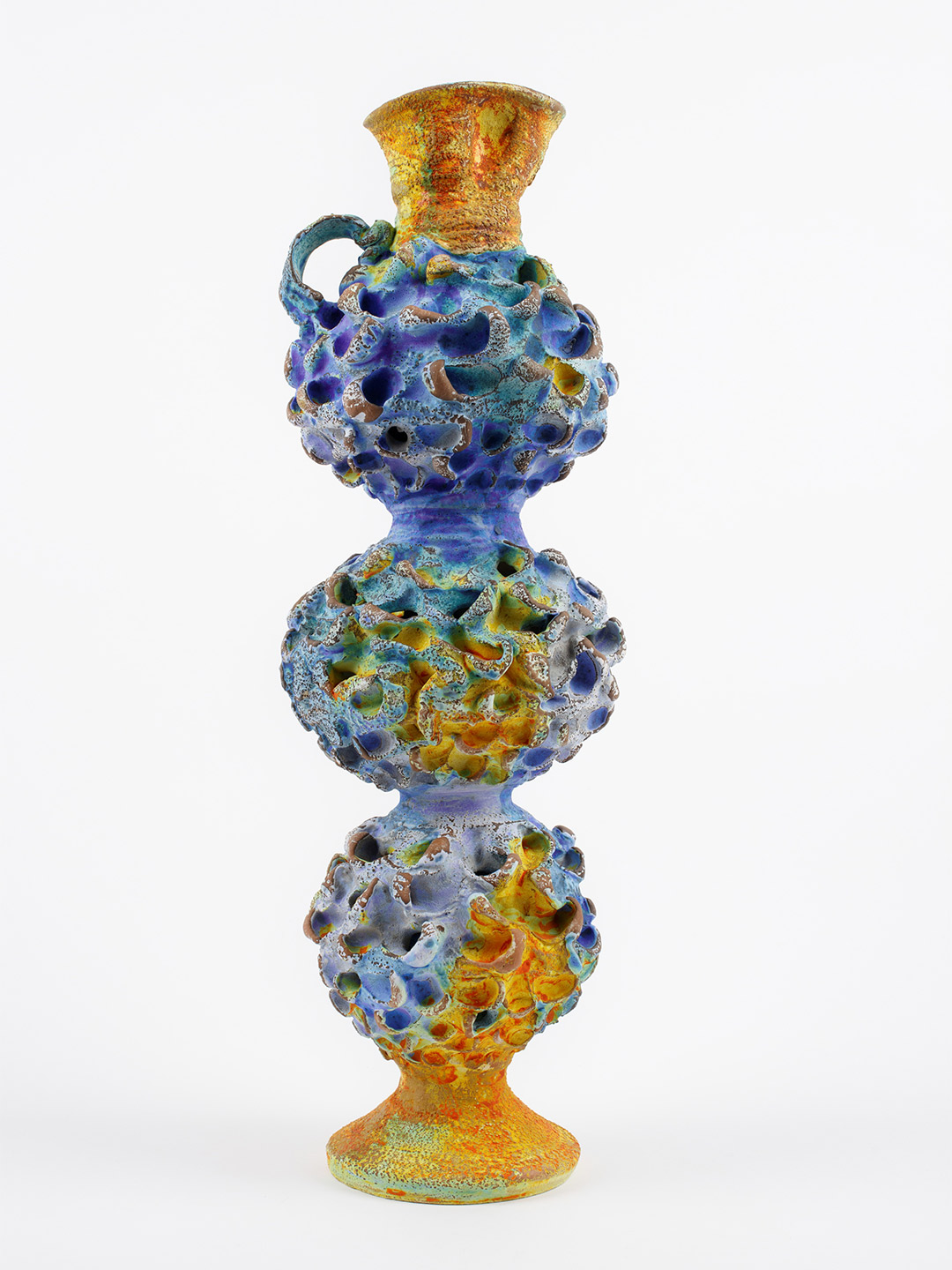
Trilogy (2018) by Simone Fraser.
‘Clay Dynasty’ – works on show
Artists presenting in ‘Clay Dynasty’ include Gamilaroi artist Penny Evans; South Australian artist Honor Freeman; Brisbane artist Nicolette Johnson; National Art School (Sydney) trained artist Juz Kitson; accomplished Tiwi ceramist and woodcarver Jock Puautjimi; National Art School lecturer Ebony Russell; London-based sculptor Renee So; Vipoo Srivilasa and Queensland-based artist Kenji Uranishi.
Alongside commissioned works, ‘Clay Dynasty’ will present works recently acquired by the Powerhouse, including works by internationally renowned Western Australian artist Pippin Drysdale; head of ceramics at the National Art School Lynda Draper; Luritja/Pintupi painter and ceramic artist Pepai Jangala Carroll; Sydney based artist Ramesh Mario Nithiyendran; Rona Panangka Rubuntja, award-winning artist and member of Hermannsburg Potters; Pitjanjatjara/Yankunytjatjara senior artist Carlene Thompson at Ernabella (Pukatja) Arts and contemporary potter Roswitha Wulff. Acclaimed artists Peter Cooley, Jeffery Mincham AM and Toni Warburton will also be featured.
Works from the Museum’s collection include ground-breaking pieces by Marea Gazzard AM, Gwyn Hanssen Pigott OAM, Margaret Dodd’s iconic Two blues Holden ceramic car which feminised the iconically macho FJ Holden of the 1970s; Joan Ground’s 1973 ceramic postal parcels and a rare collection of the earliest pottery made by Indigenous Australian makers in 1968–74 at the Bagot Pottery in Darwin, Northern Territory.
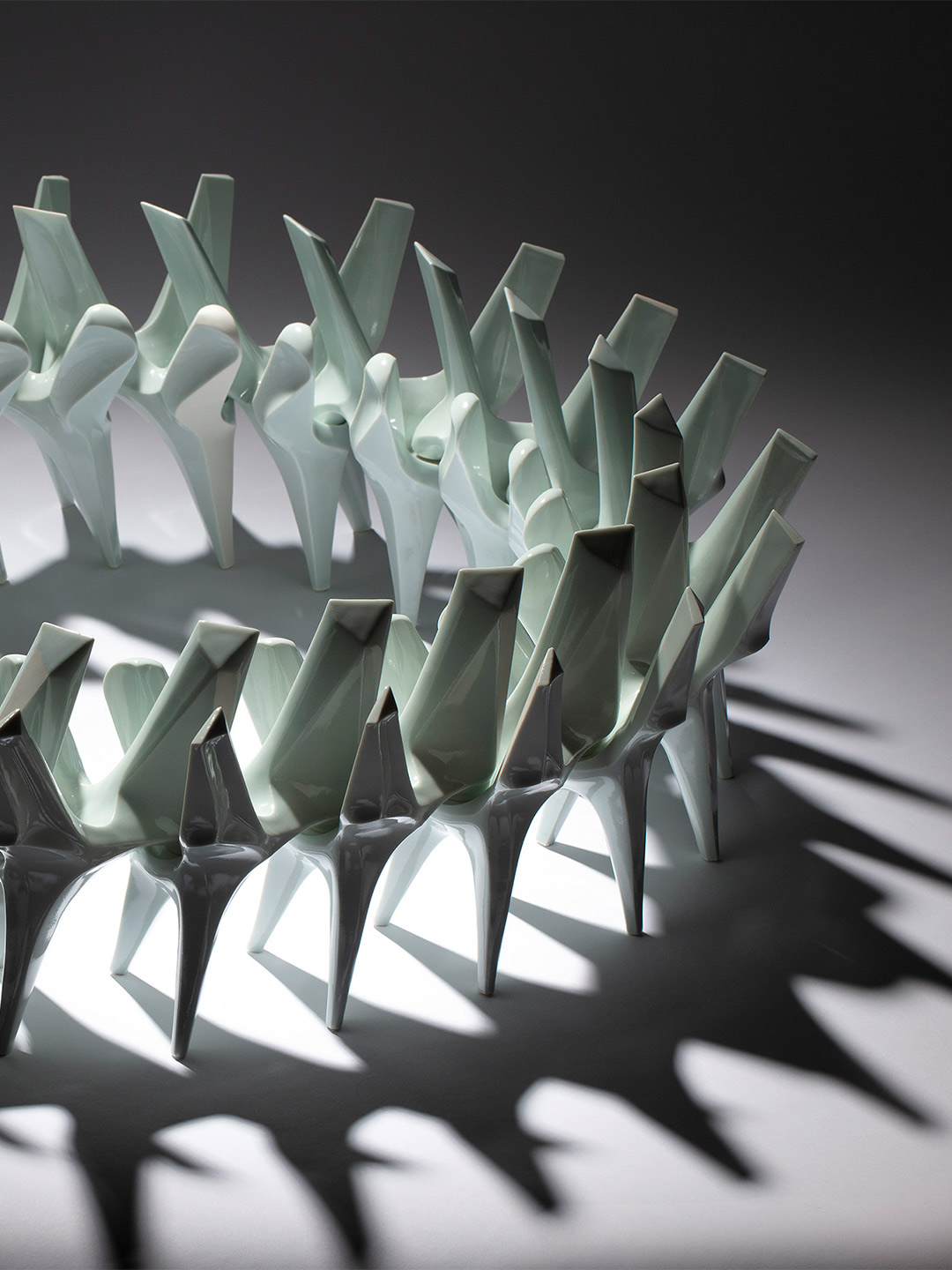
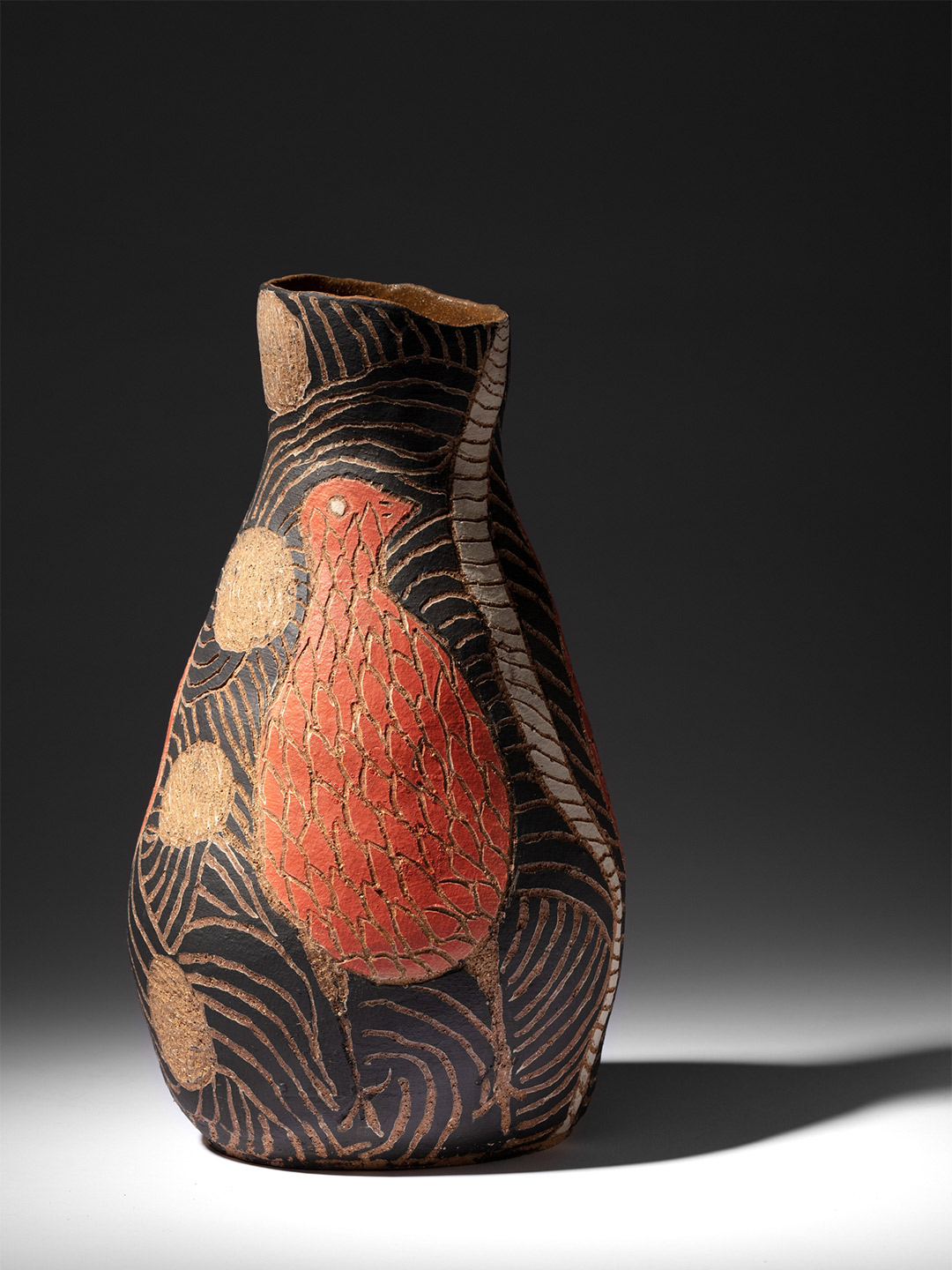
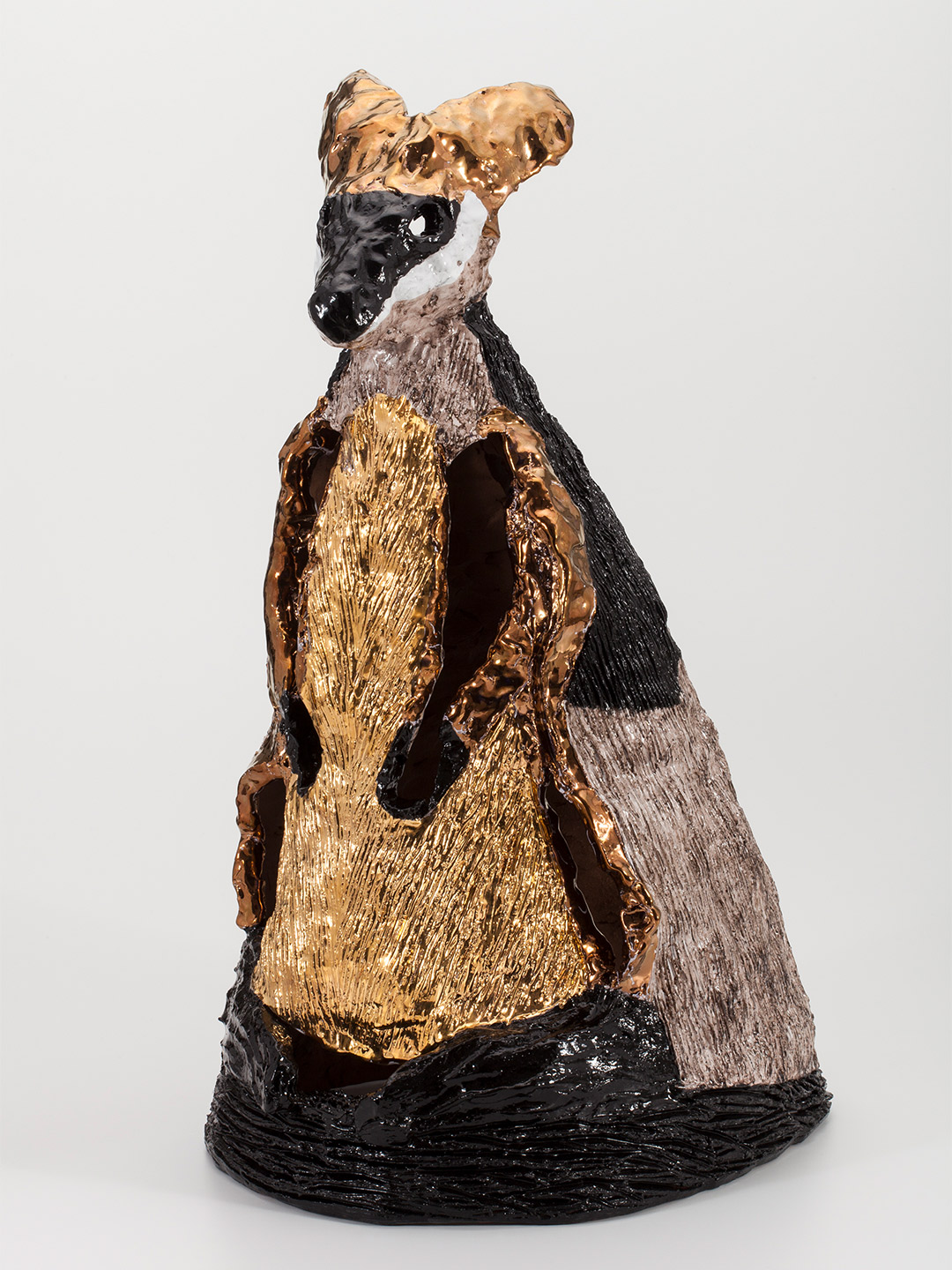
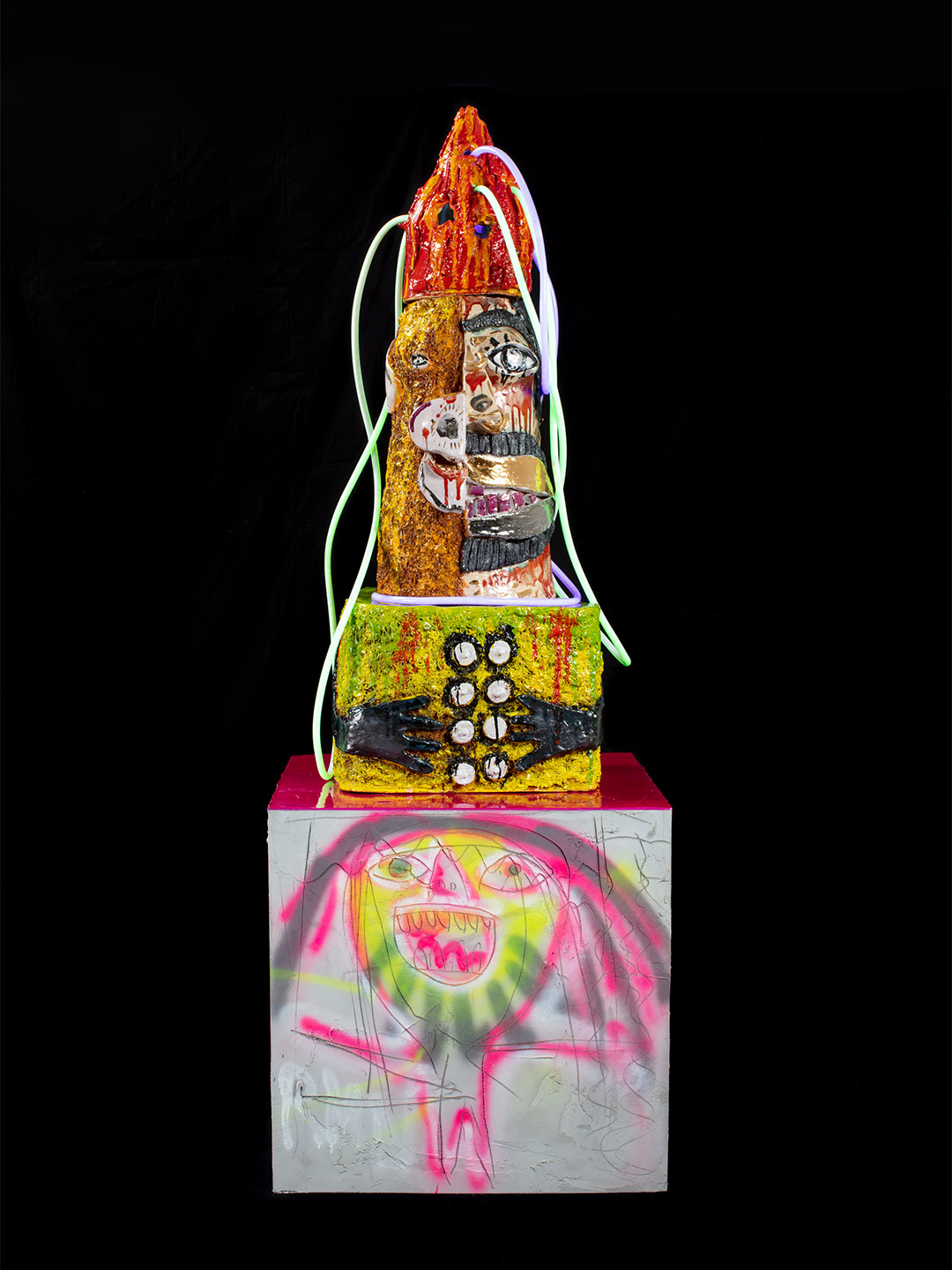
Left to right, from top: Walking in the Forest (2021) by Kenji Uranishi, Kalaya Ngura [Emu Country] (2020) by Carlene Thompson, Black Tailed Swamp Wallaby 9 (2015) by Peter Cooley, Hog/Human (2019) by Ramesh Mario Nithiyendran.
As the first major exhibition exploring studio ceramic practice in Australia from the 1960s to now, Clay Dynasty reveals a field of dedicated artists, teachers and communities.
Catch up on more architecture, art and design highlights. Plus, subscribe to receive the Daily Architecture News e-letter direct to your inbox.
Related stories
- ‘The Apple tree’ by Foster + Partners blossoms in Bangkok.
- Carla Sozzani curates new colours for classic Arne Jacobsen chairs.
- Adam Goodrum stamps all-Australian style on new breezeblock design.
Multidisciplinary artist Ian Strange is known for his large-scale exhibitions that unsettle our understanding of the home. What started as an autobiographical interest has swelled to encompass investigations into our universal needs for shelter and safety, as well as financial and psychological security. He is a master of conceptualising and executing super-sized artworks – in Australia and abroad – that combine installation, film and photography.
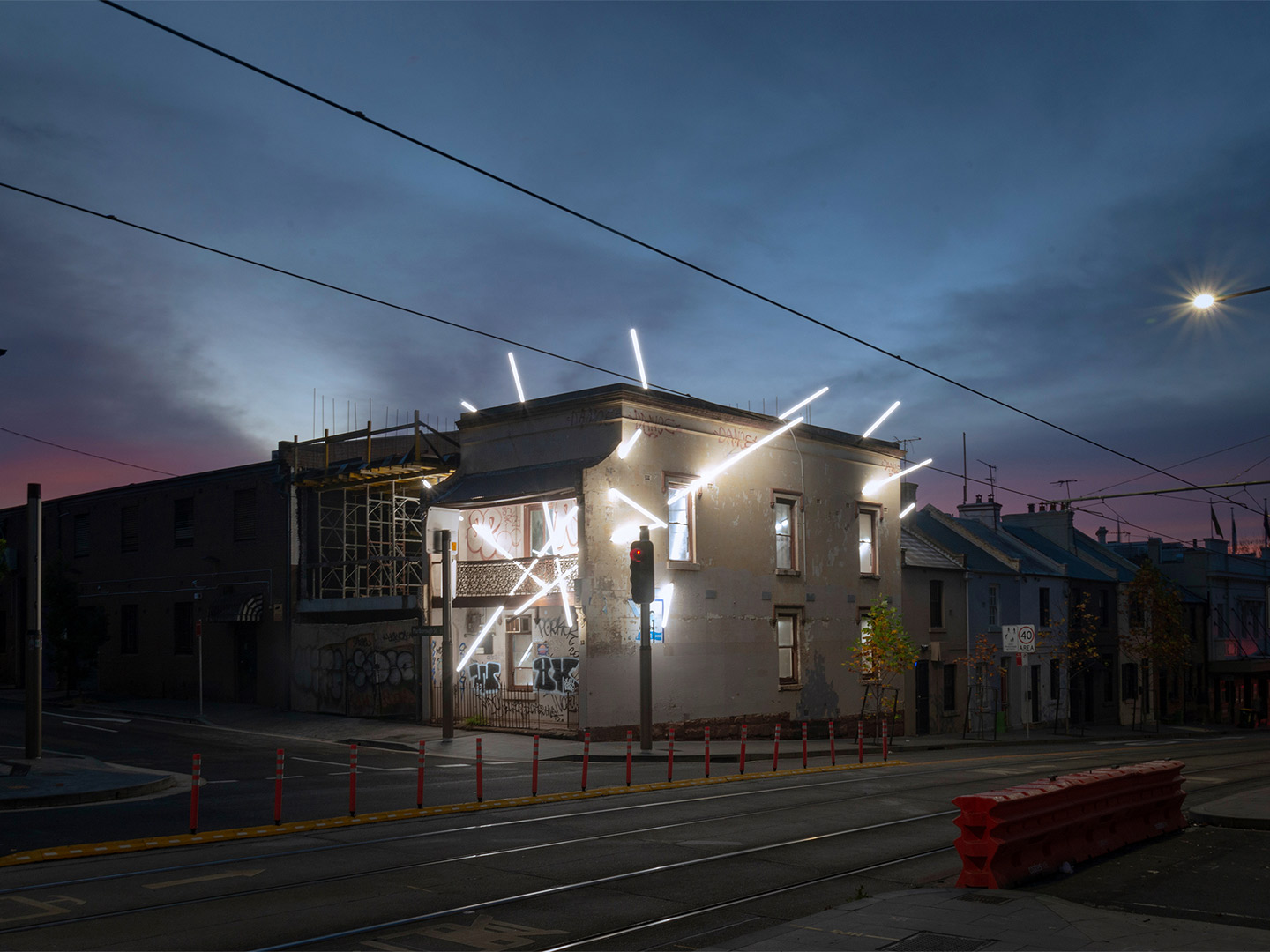
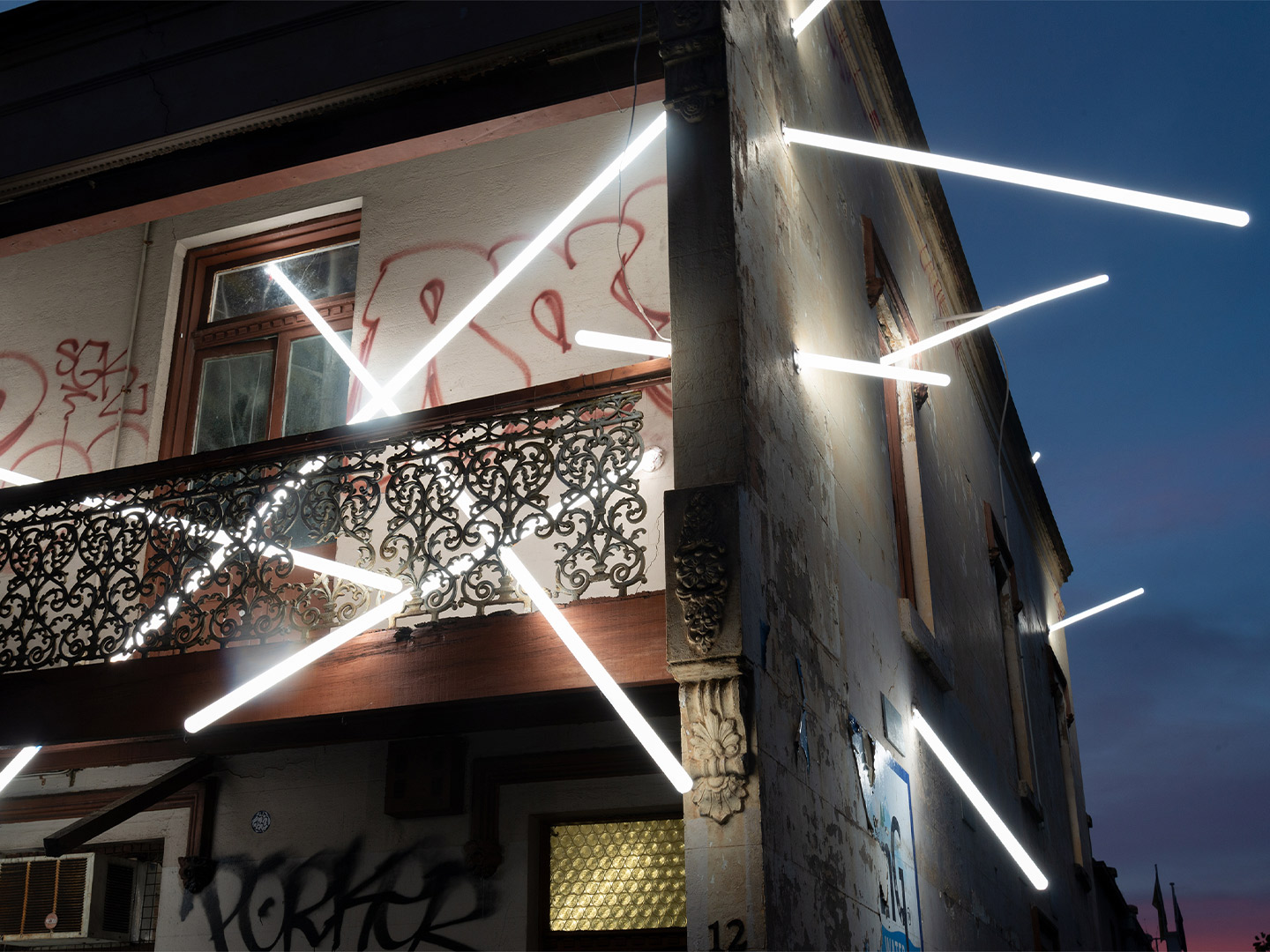
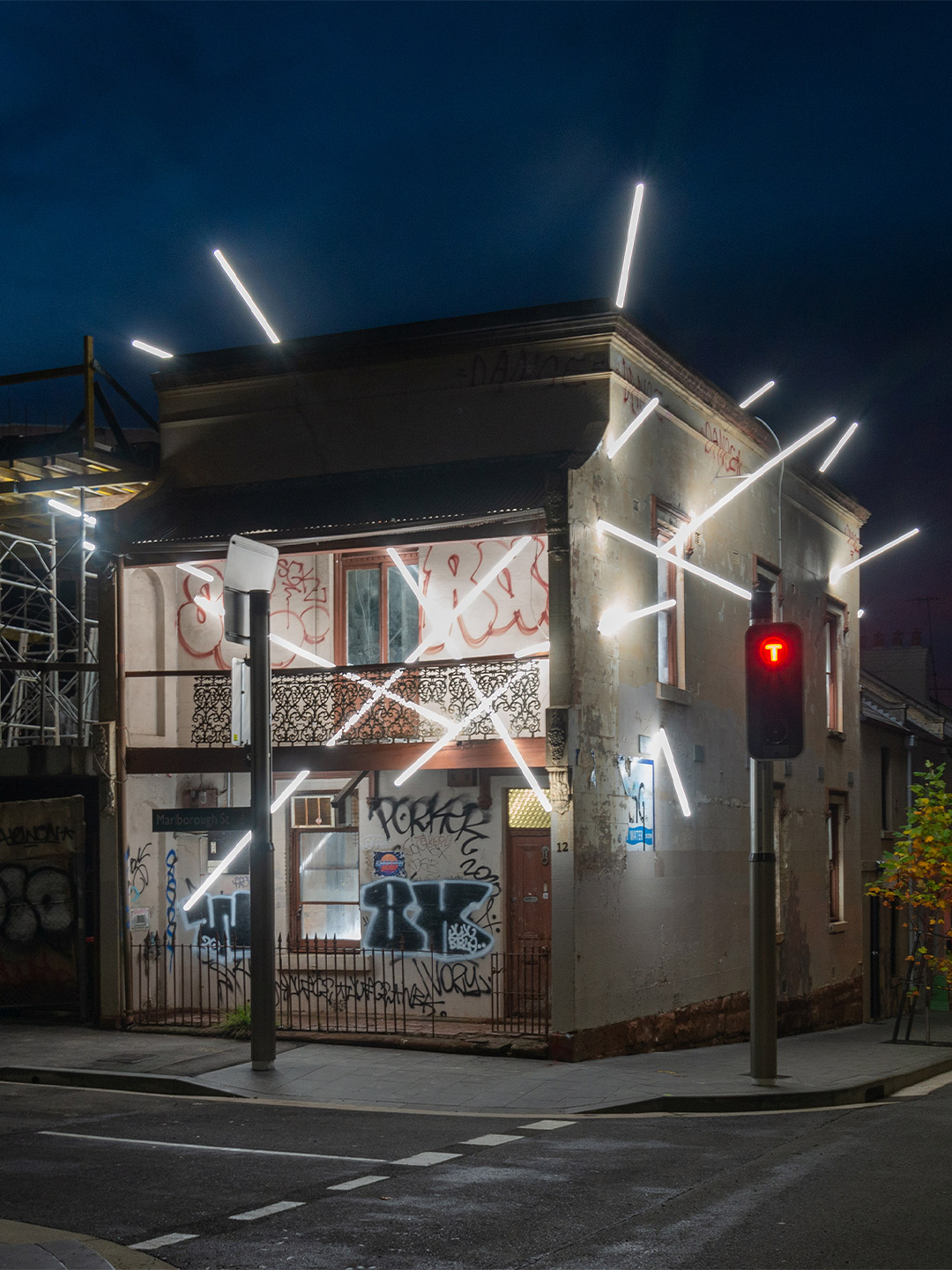
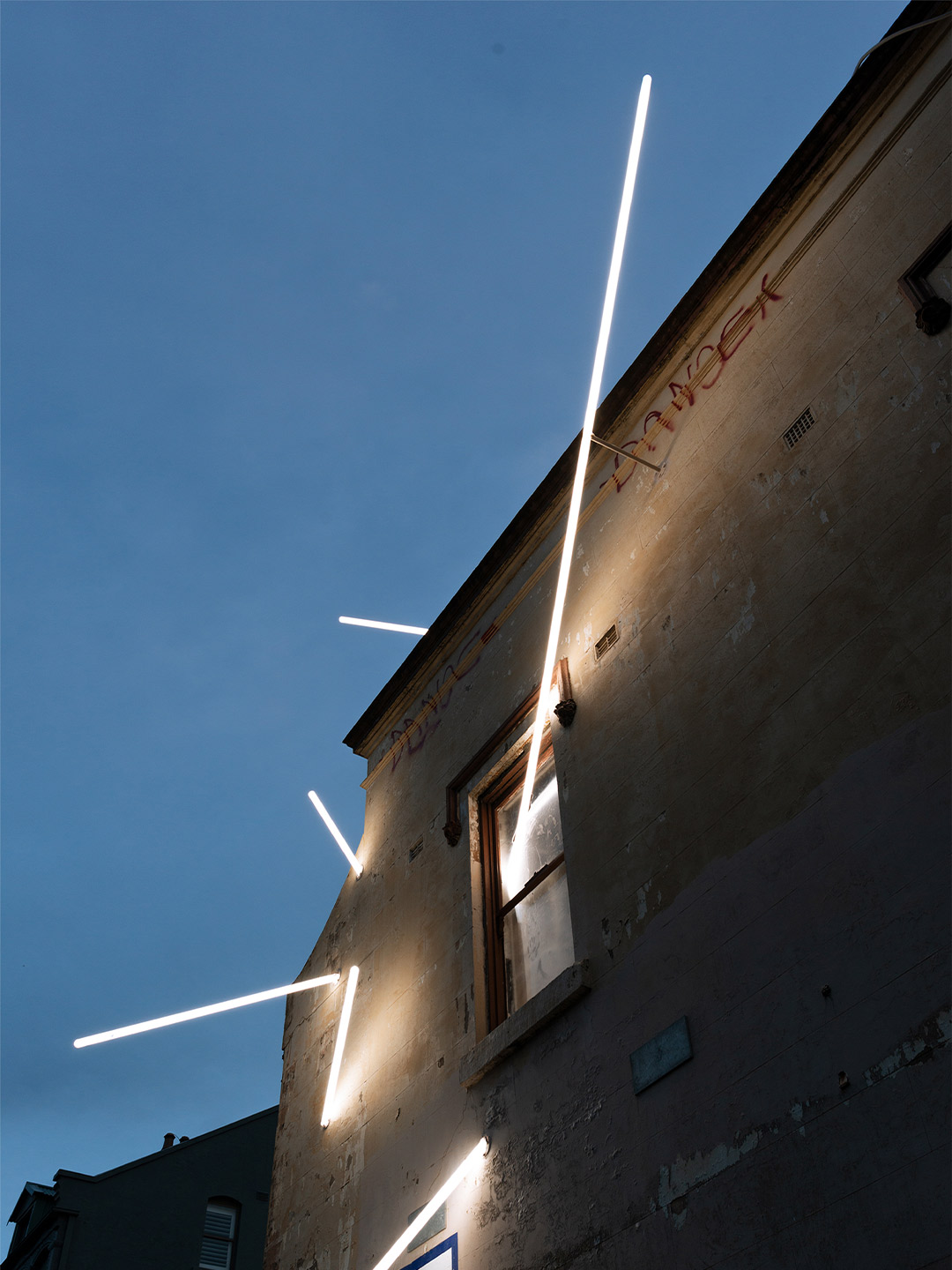
Ian’s latest work, titled ‘Light Intersections II’ from the Intersections series, has recently landed in Surry Hills as part of the City of Sydney’s Art & About program. The artwork sees 120 metres of LED light beams dramatically break through a graffiti-tagged terrace house. The light is used to draw attention to the Victorian architecture of the Marlborough Street terrace, while emphasising its dilapidated condition and the potential loss of built heritage.
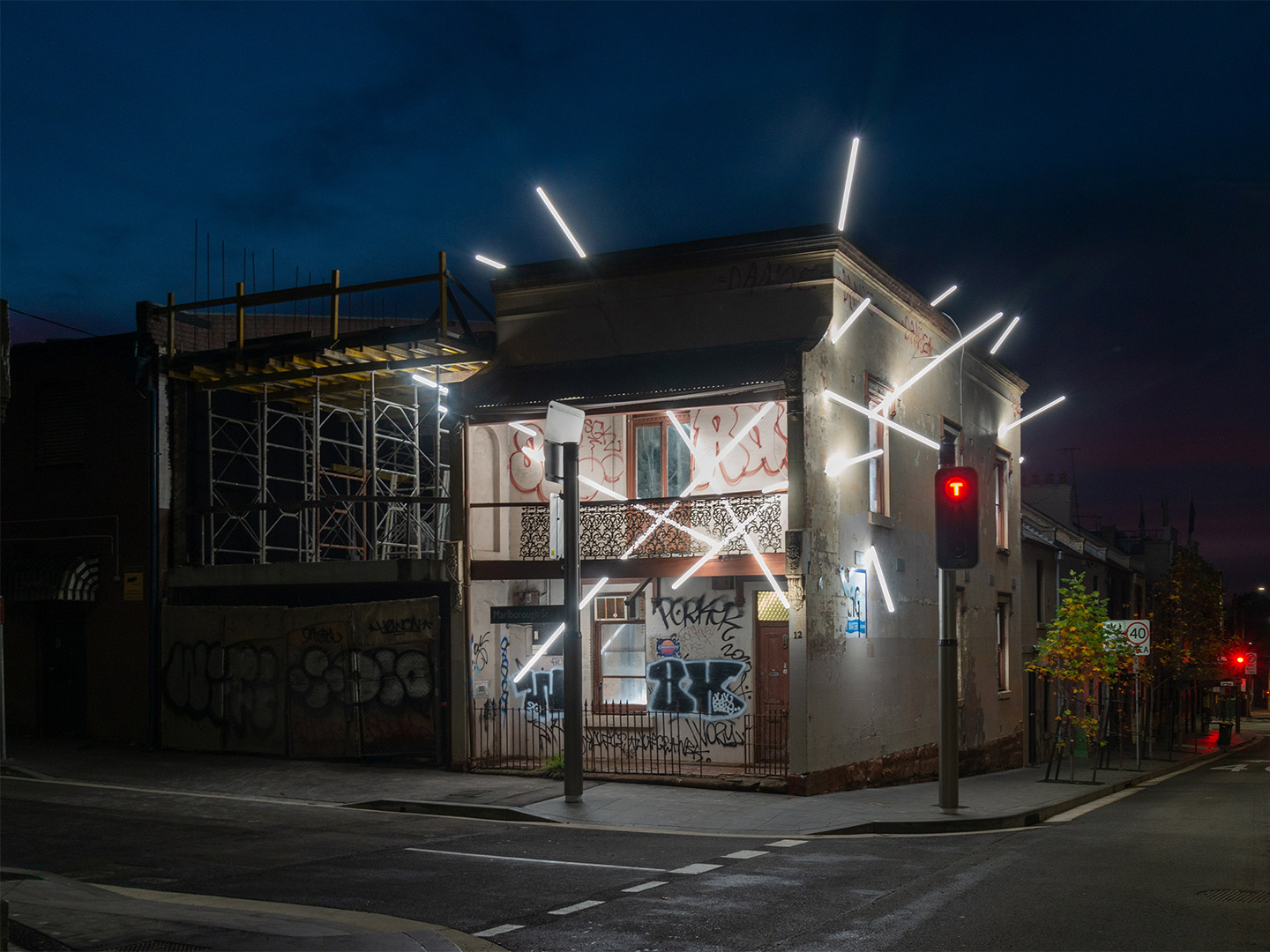
‘Intersections’ by Ian Strange in Sydney
“The lines of light in Intersections are an attempt to place abstracted perspective lines back into the environment,” Ian says. “These drawn perspective lines don’t appear in nature, but are staples in both painting, drawing, and architecture, used as a way of containing, representing, and changing the natural environment.”
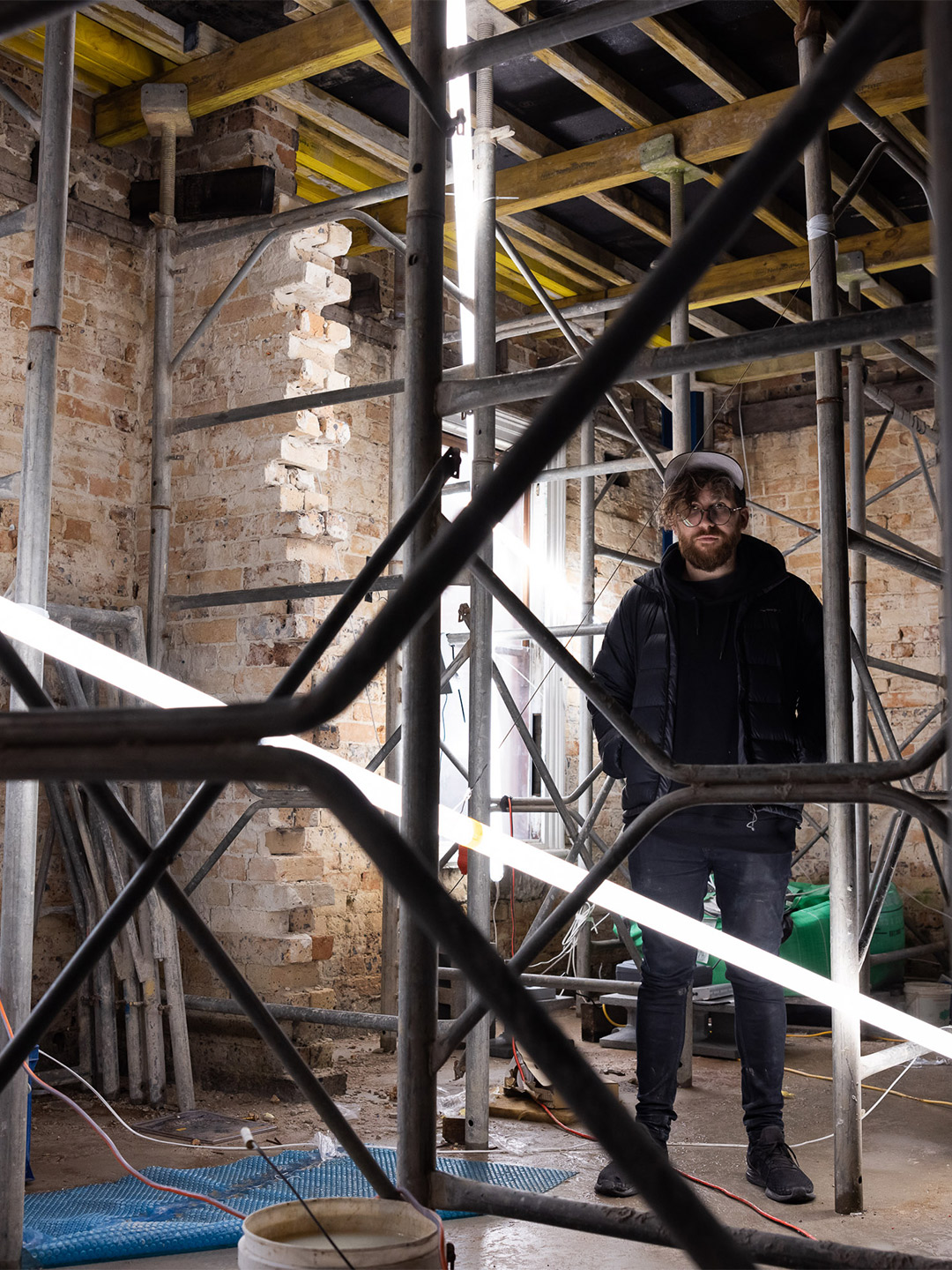
Appearing to pierce walls, floors and the ceiling, the installation provides a spectacular light show for city dwellers enjoying essential exercise during the recently declared Covid lockdown. “Intersections is designed to be seen from different perspectives,’ Ian adds. “People can photograph it themselves and interact with it. That is one of the wonderful things about creating work in public spaces. Once you make it, the ways people engage with it becomes part of the work.”
‘Light Intersections II’ was created in collaboration with OFFICE, Scoundrel Projects and Ian Strange Studios. Commissioned by the City of Sydney and its Art & About public art program, the installation is available to view until July 4. Visitors to the location should follow the latest health advice during the region’s Covid-induced lockdown. Visit NSW Health for more information.
artandabout.com.au; ianstrange.com
It’s exciting the work will be in a high traffic location so people can photograph it themselves and interact with it.
Catch up on more architecture, art and design highlights. Plus, subscribe to receive the Daily Architecture News e-letter direct to your inbox.
Related stories
- ‘The Apple tree’ by Foster + Partners blossoms in Bangkok.
- Carla Sozzani curates new colours for classic Arne Jacobsen chairs.
- Adam Goodrum stamps all-Australian style on new breezeblock design.
Multidisciplinary artist Ian Strange is known for his large-scale exhibitions that unsettle our understanding of the home. What started as an autobiographical interest has swelled to encompass investigations into our universal needs for shelter and safety, as well as financial and psychological security. He is a master of conceptualising and executing super-sized artworks – in Australia and abroad – that combine installation, film and photography.
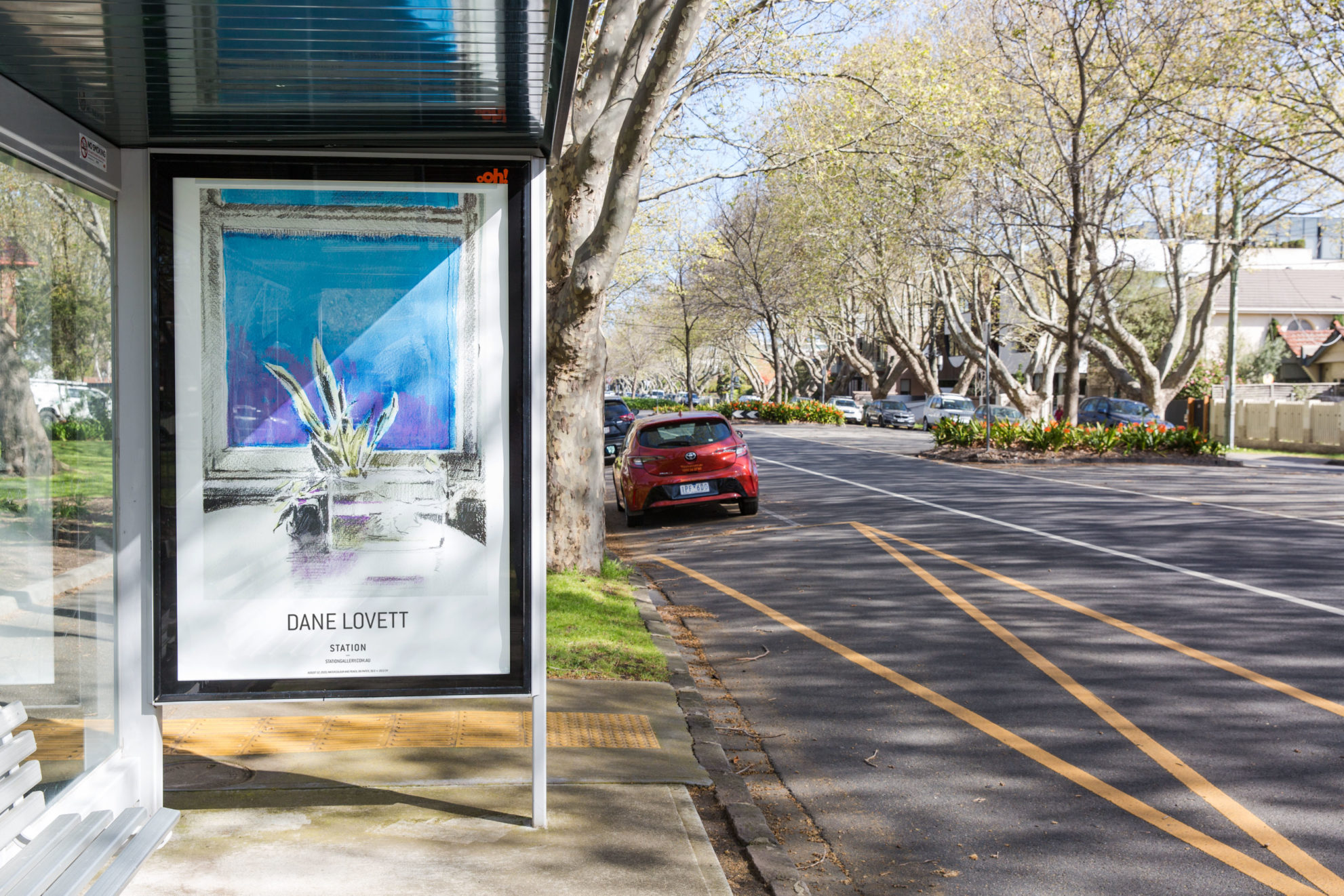
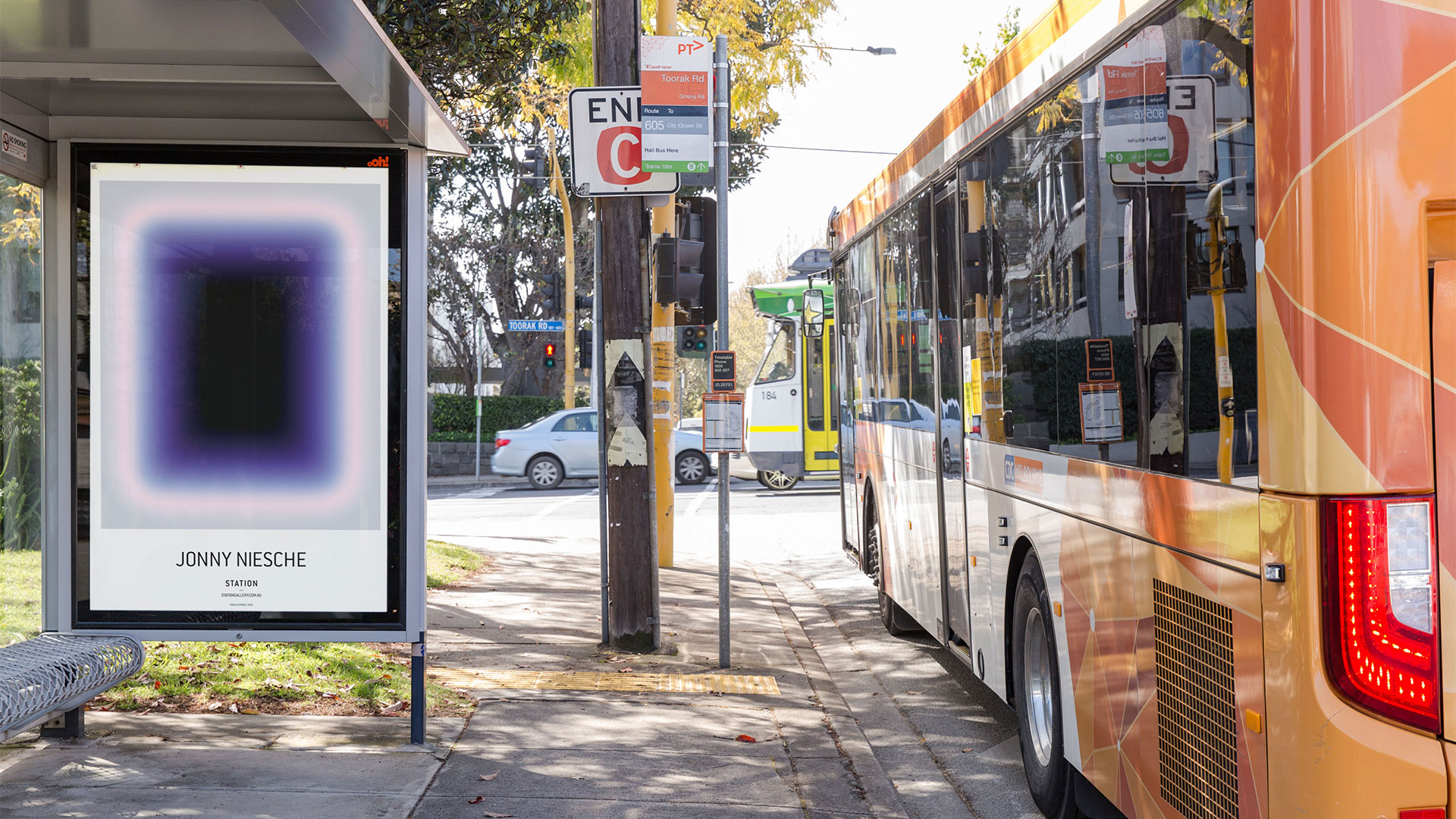
“For STATION, like many businesses, one of the biggest challenges has been the forced temporary closure of our physical spaces,” says STATION gallery director Samantha Barrow. In a response that builds on Melbourne’s reputation for public art initiatives, STATION has partnered with oOh!media to deliver a thought-provoking exhibition using Melbourne’s bus shelters and train stations as temporary gallery spaces.
STATION gallery and oOh!media launch open-air exhibition
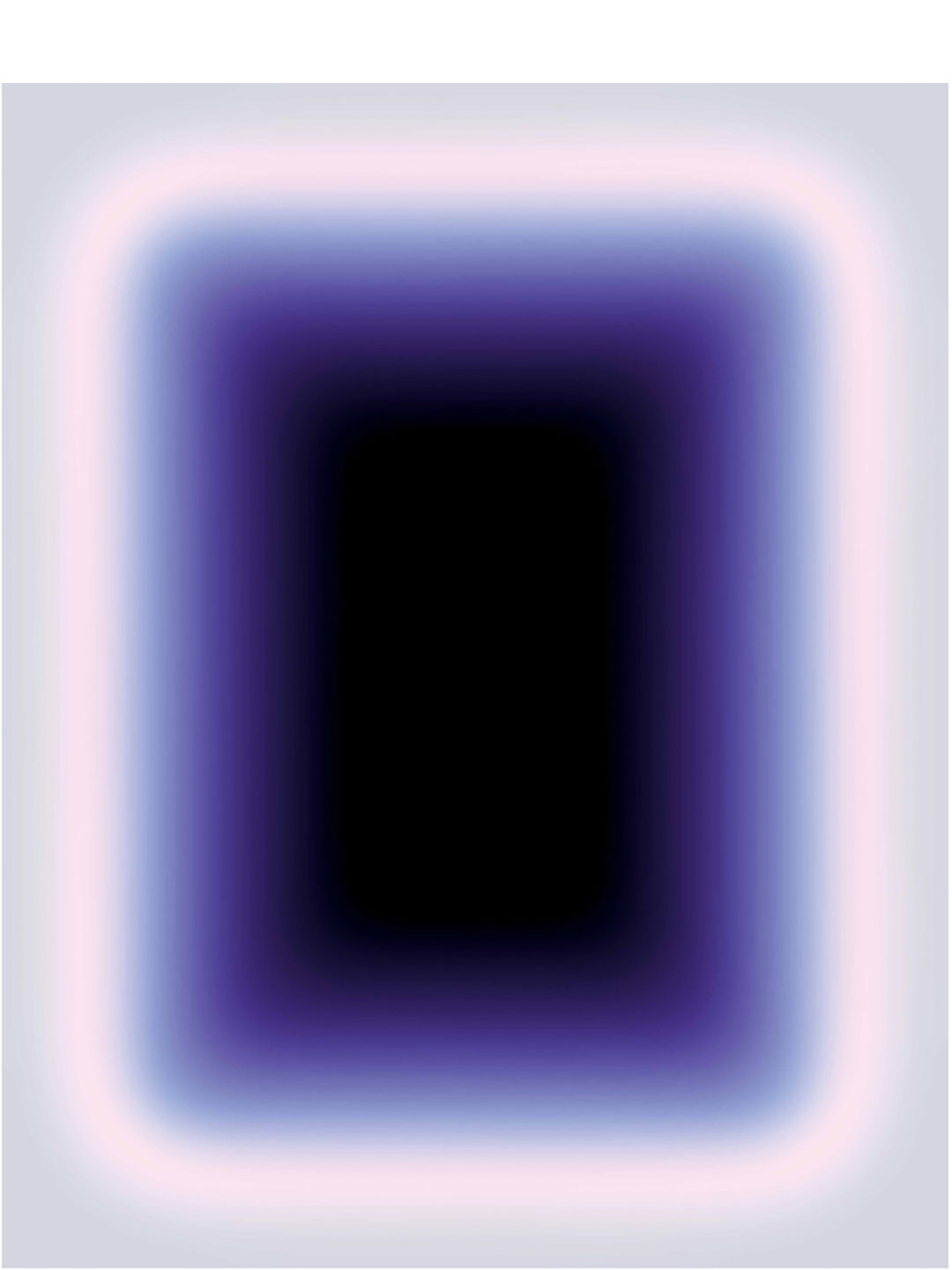
Throughout the month of September, works by a selection of STATION’s artists – including Adam Lee, Dane Lovett, David Griggs, Jason Phu, Jonny Niesche, and Nell – will be thoughtfully displayed around Melbourne suburbs.
It is the combined hope of all involved that this small gesture will strike a chord with the city’s residents, commuters and essential workers at multiple points throughout the day, when access to the outdoors is made available to them. “If we can encourage some moments of quiet reflection from the chaos of lockdown, then it’s worth it,” says Neil Ackland, chief content marketing and creative officer at oOh!media.
If we can encourage some moments of quiet reflection from the chaos of lockdown, then it’s worth it.
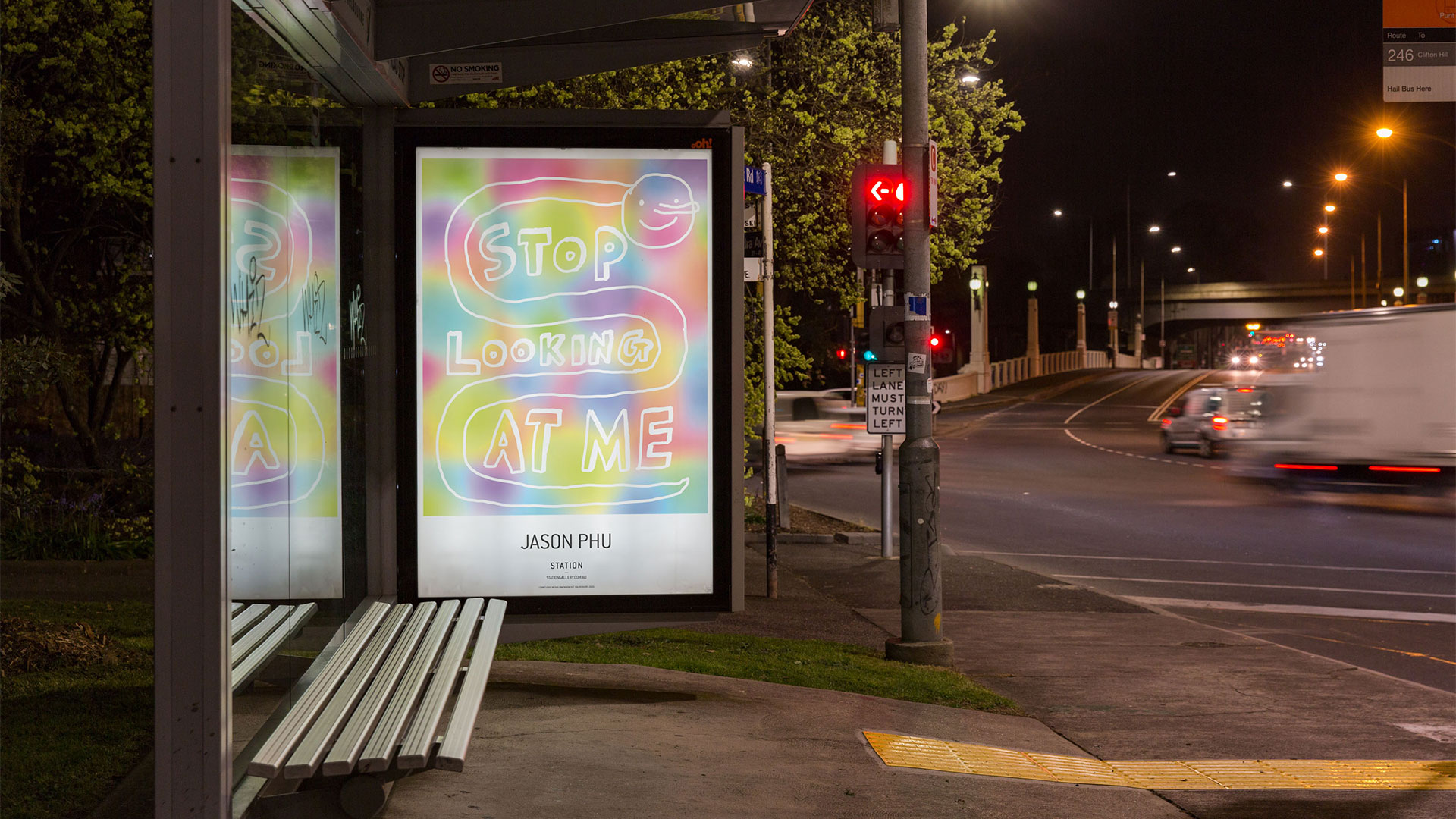
Designed as a “love letter” to the city of Melbourne, the program celebrates the importance of art and artists in these challenging times. Artworks created for the campaign focus on the artists’ responses to the Covid-19 pandemic, interpretations of emotions felt during lockdown, shared experiences, and some of the possibilities and positive outcomes to arise from Victoria’s period of isolation.
Participating artist Jonny Niesche says the display of his work in an environment that would ordinarily be used for “static advertisements flipping from one to the next trying to sell you something” provides opportunity for observers to experience a moment of quiet contemplation. Defined by continuous, dreamy gradients that wrap around in cycles, Jonny’s work Dream Sequence features “no cuts, no breaks,” he says. Instead, the entrancing image revolves continuously “to form a moment of respite on the streets of Melbourne when time outside is so limited.”
Jason Phu’s neon-coloured works combine the deeply emotional side of the new pandemic world with a dash of uplifting humour. “These works are about how you should feel during lockdown, to help you understand that all the good things in life can come from within you, deep in your guts,” he says. “You should understand there are many people that love you very much. And also, you shouldn’t stare at strangers at bus stops.”
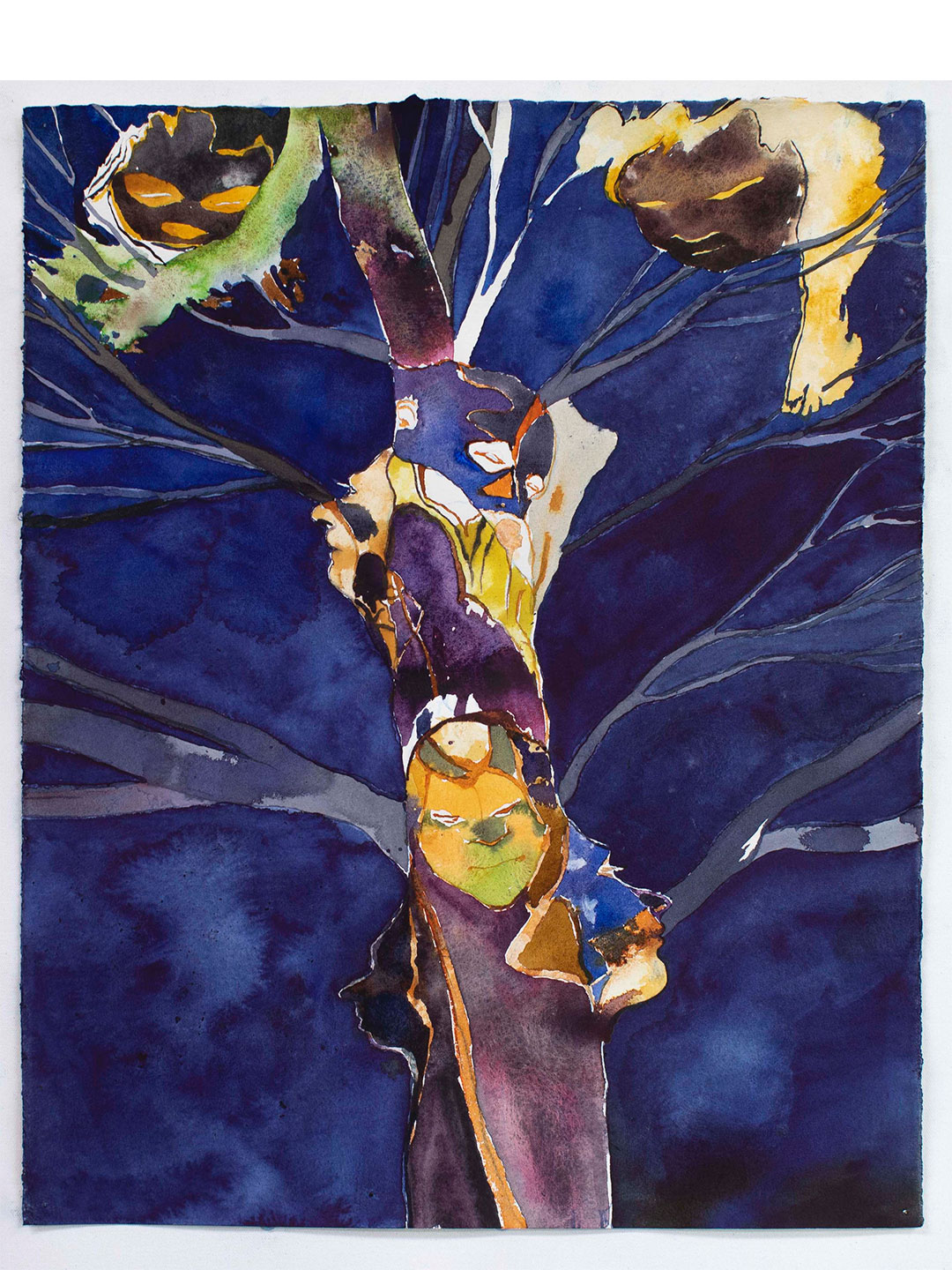
‘The Propaganda Paintings’ series by artist David Griggs was shaped by the impact of the first wave of Covid-19 and carries much relevance into Melbourne’s second lockdown. “With a bombardment of news smashing into our minds, second by second I was left feeling confused. One day I felt hope, and the next was fear,” says the artist. “These works are innately personal and painting them enabled me to externalise a range of internal dialogues in a therapeutic manner as I navigated what our world was and is still going through.”
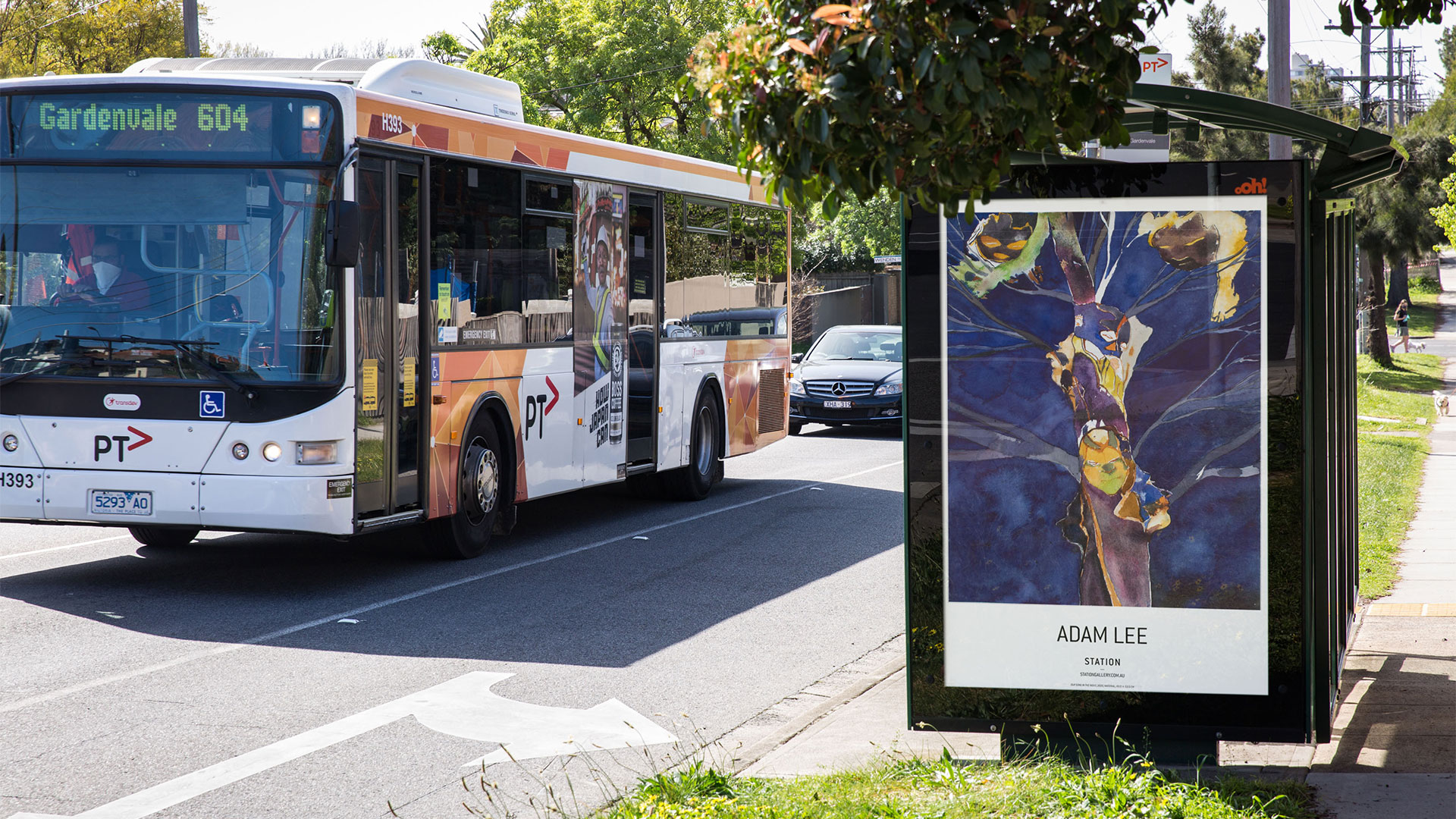
From the moment that lockdowns impacted cities across the globe, new avenues to present creative exhibitions have steadily opened up, each with the overarching goal to connect with audiences, share messages of love and hope, and to support artists during this challenging time. Most of these initiatives have been focussed in the digital arena, says Samantha, who strongly believes that virtual experiences, though a satisfactory quick-fix with significant audience reach, cannot fully replace physical experiences.
“We are so excited by this project, which has given us the opportunity to create a timely and accessible city-wide exhibition,” says Samantha. “Our collective hope is that they may bring stimulation, comfort and joy to Melburnians in this moment of isolation and restriction.”
Not in Melbourne? You can view all the artworks on Instagram by following along here and by viewing #STATIONinthecity, the social media hashtag that observers are encouraged to use when sharing their interactions with the artworks across the city.
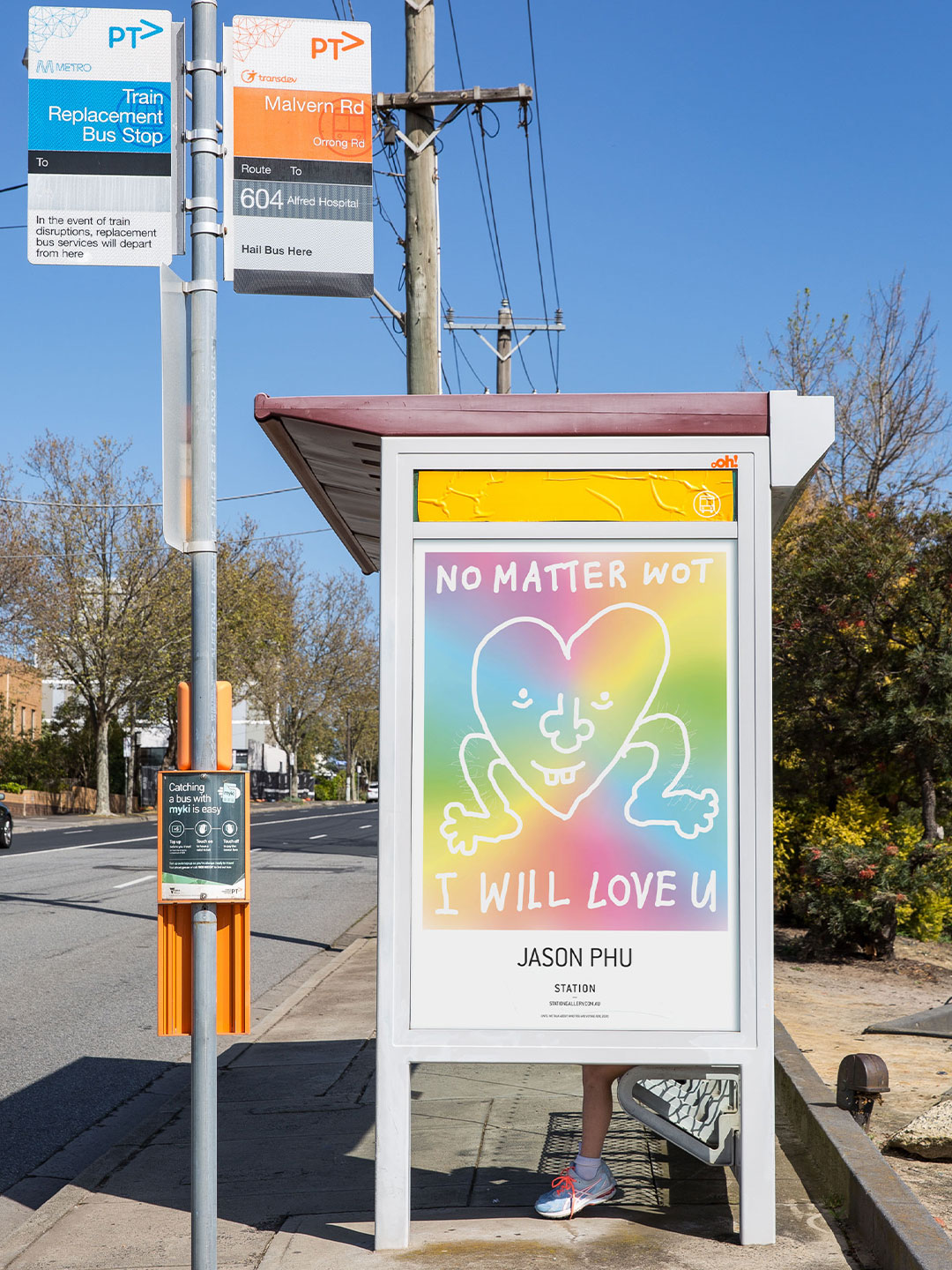
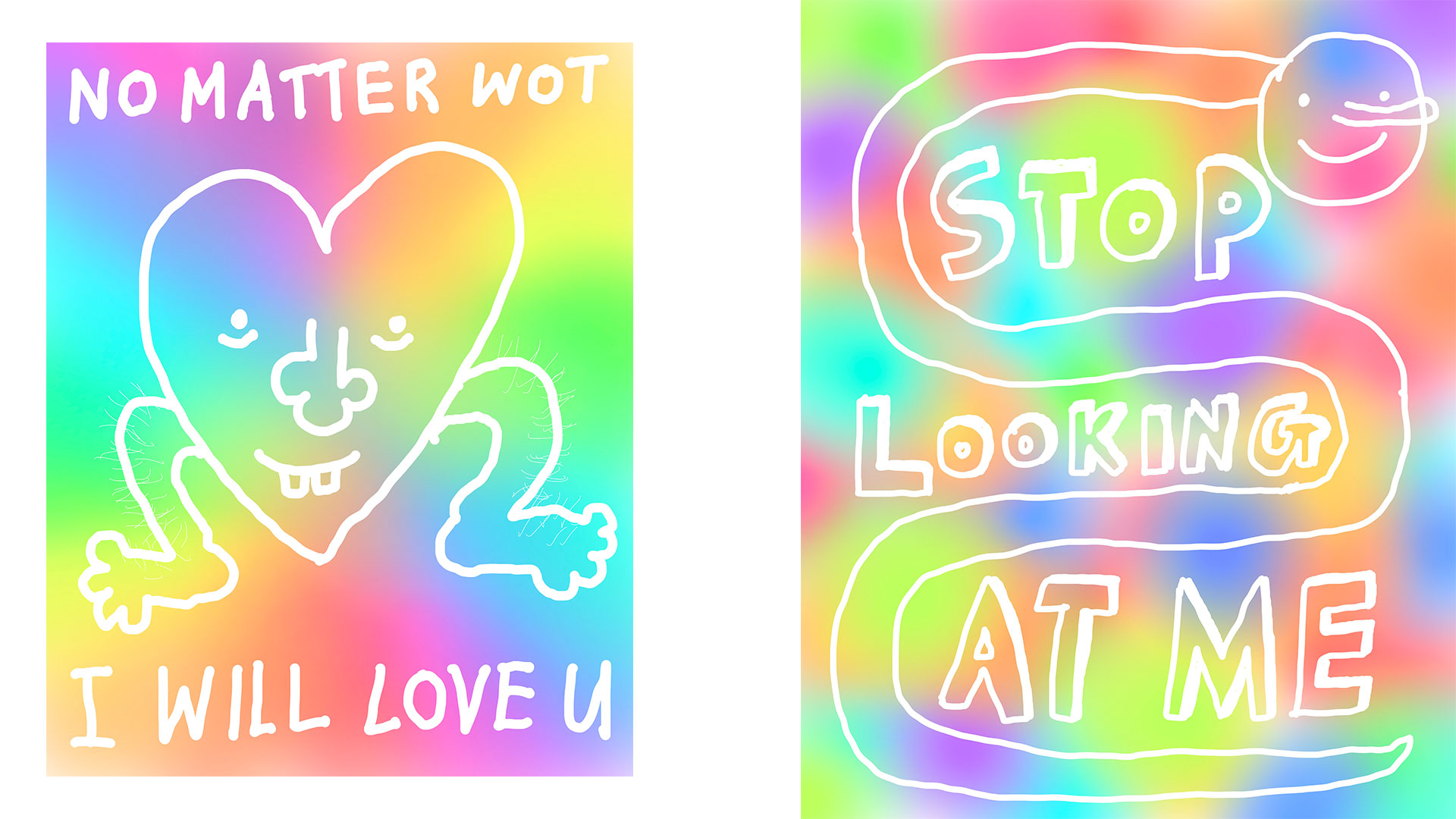
Until we talk about who you are voting for, 2020 (left) and I don’t exist in this dimension yet, you pervert, 2020 (right), both by Jason Phu.
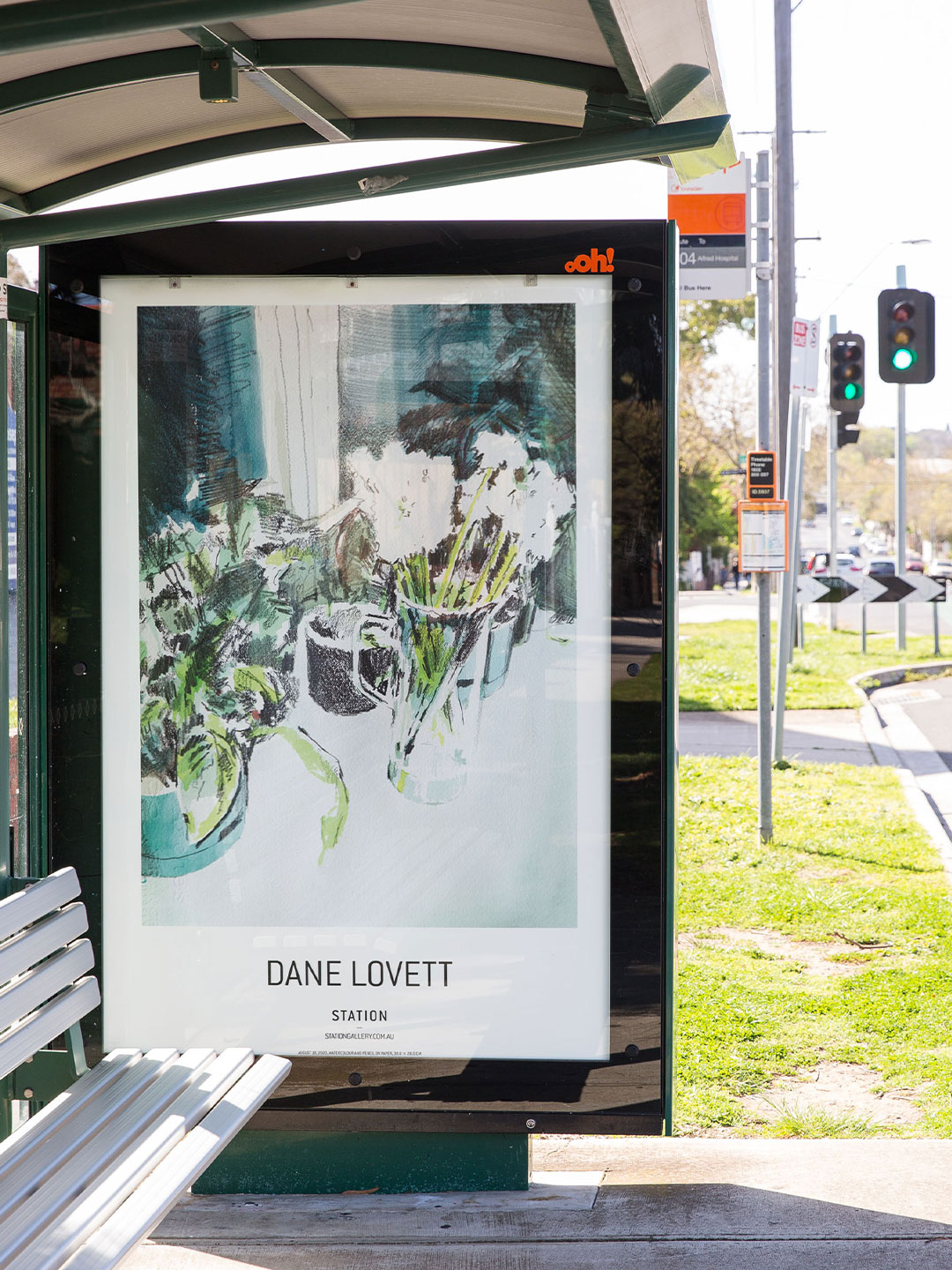
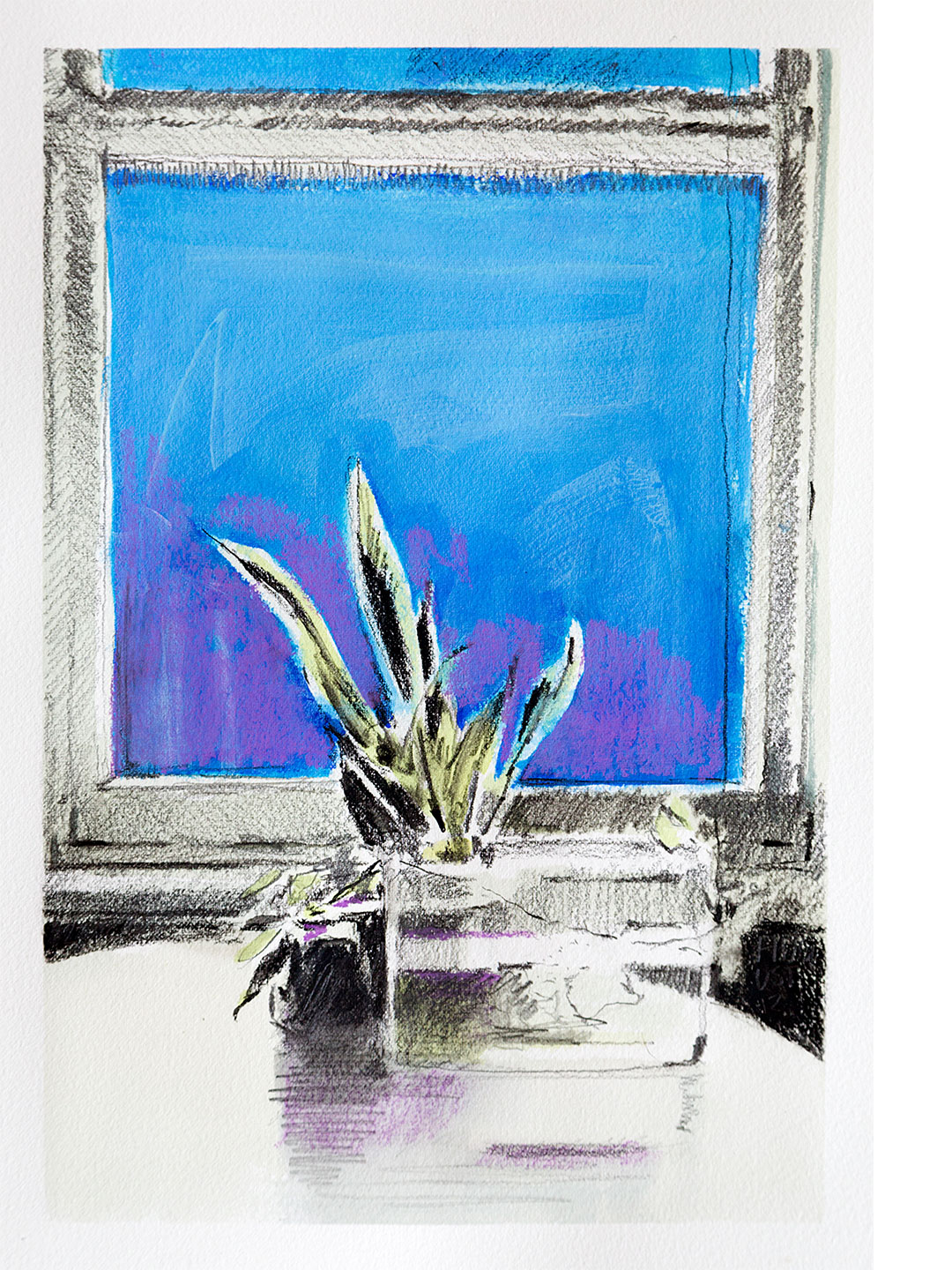
August 18, 2020 by Dane Lovett. Photo: Kate Collingwood Photography.
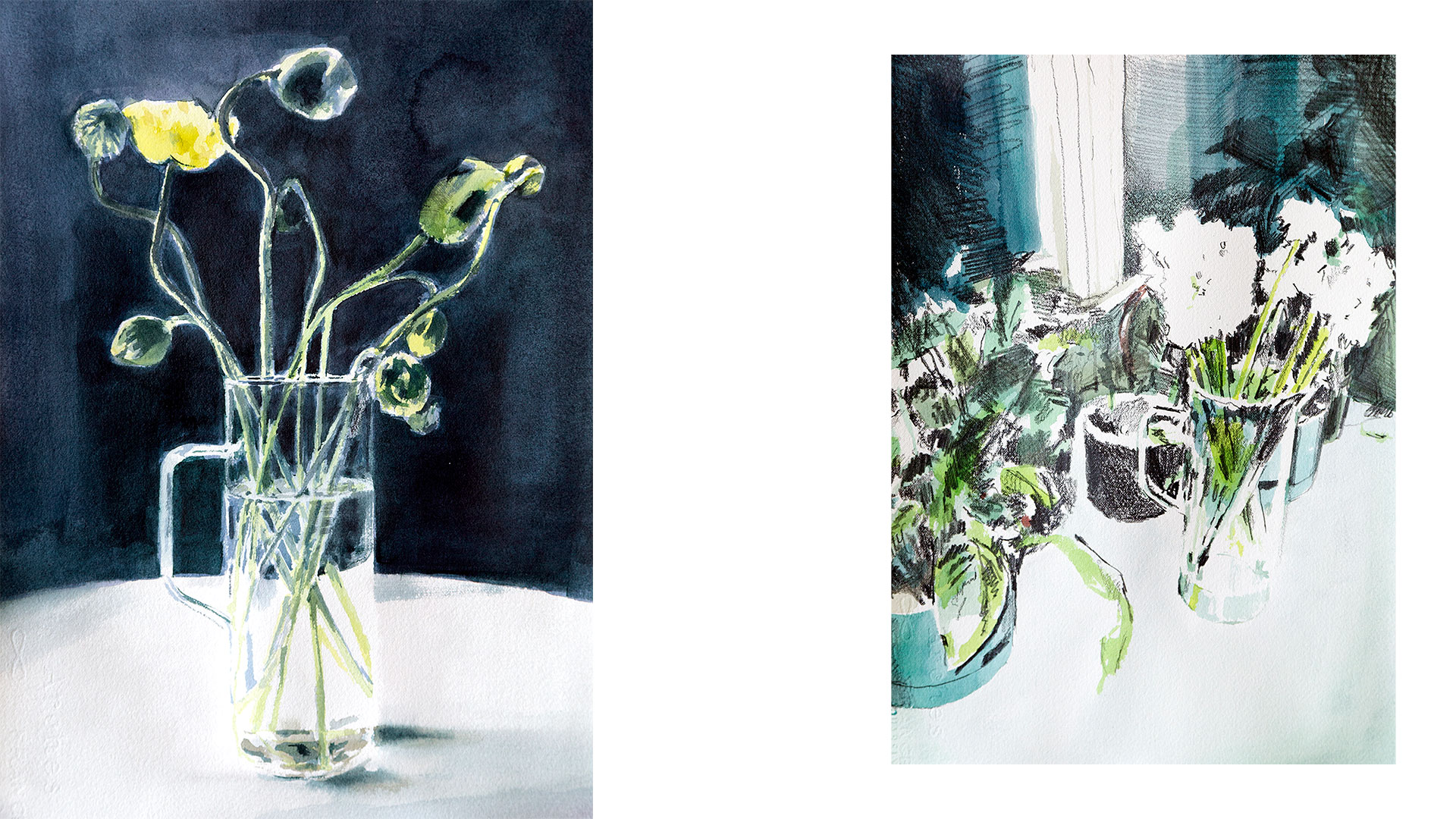
August 26, 2020 (left) and August 18, 2020 (right), both by Dane Lovett.
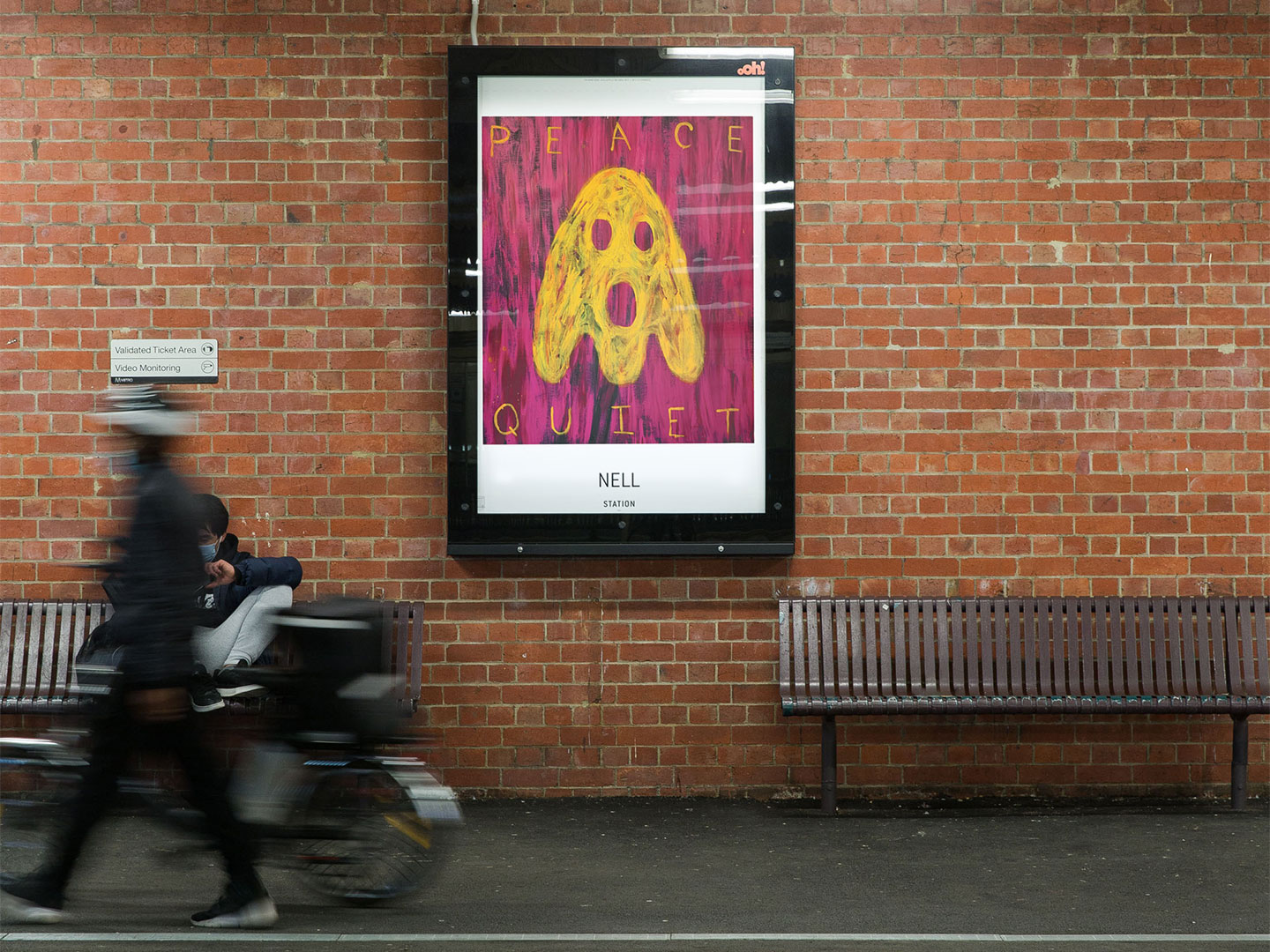
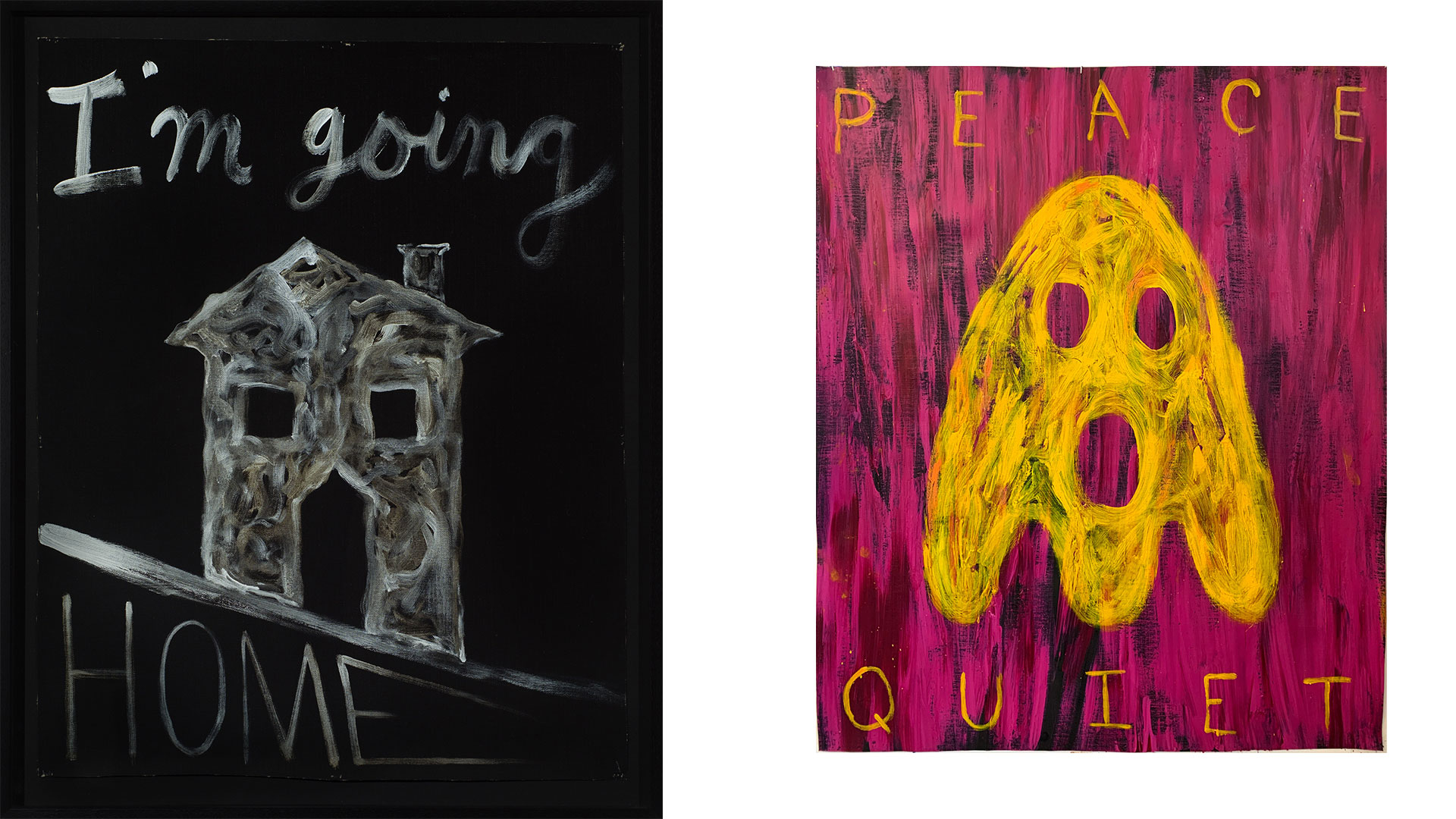
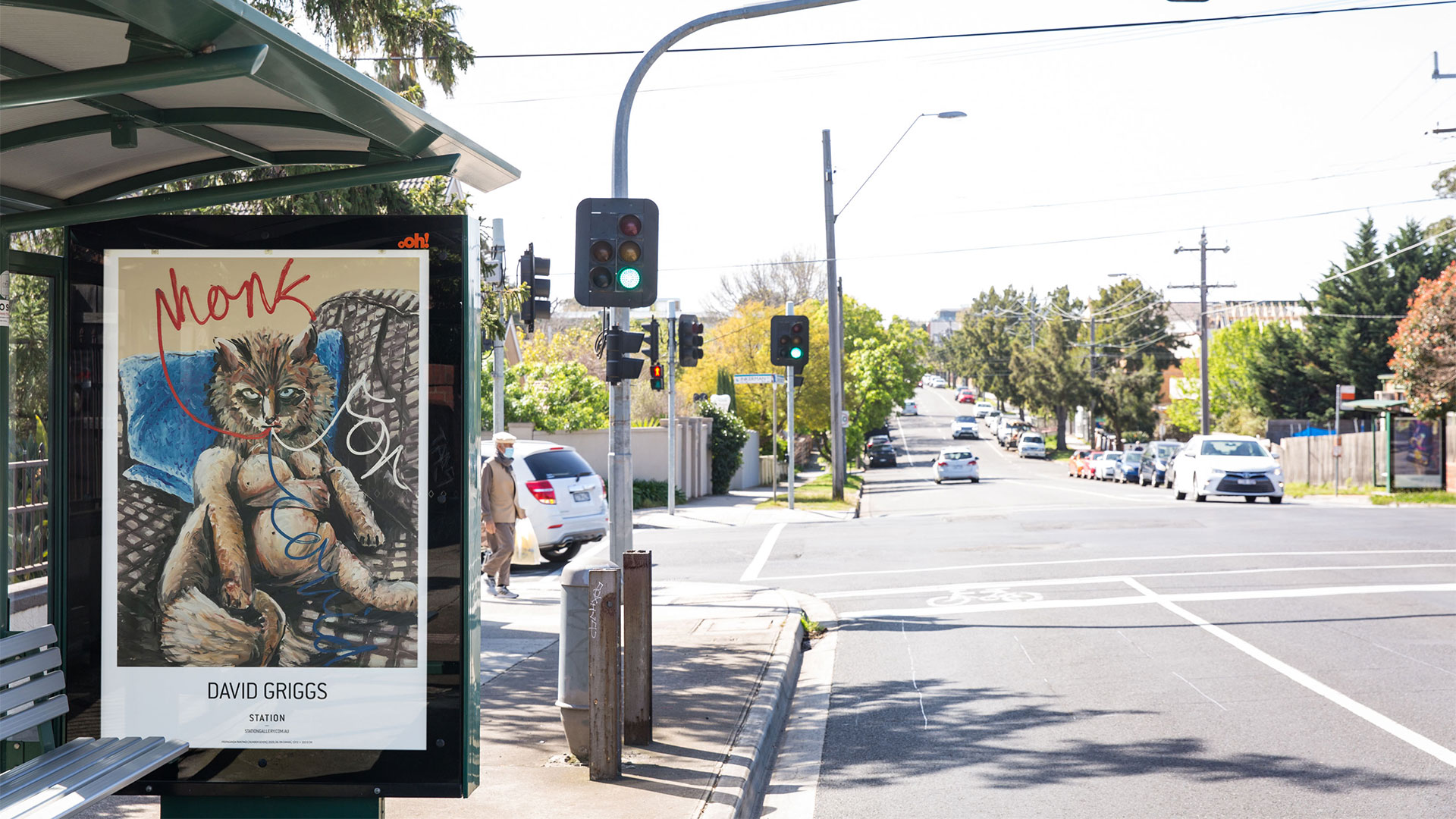
Propaganda paintings (number ten), 2020 (left) and Propaganda Painting (Number Seven), 2020 (right), both by David Griggs.
Related stories
- Five (or so) minutes with artist Tom Adair.
- Five (or so) minutes with artist Patrizia Biondi.
- The ‘Hortensia’ armchair by Andrés Reisinger and Júlia Esqué for Moooi.
- At the NGV: Australian Impressionism shines in the sunlight.
Multidisciplinary artist Ian Strange is known for his large-scale exhibitions that unsettle our understanding of the home. What started as an autobiographical interest has swelled to encompass investigations into our universal needs for shelter and safety, as well as financial and psychological security. He is a master of conceptualising and executing super-sized artworks – in Australia and abroad – that combine installation, film and photography.
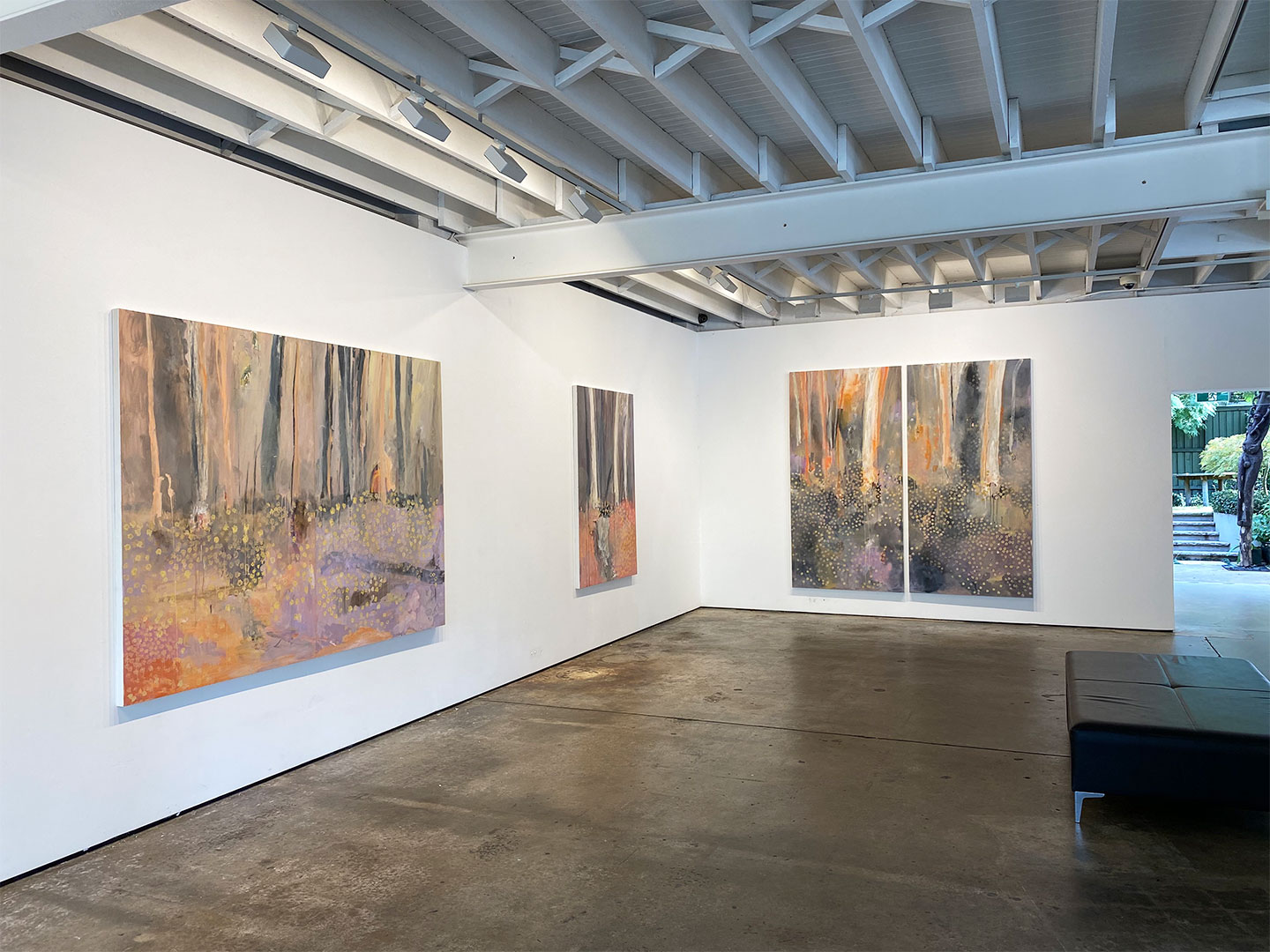
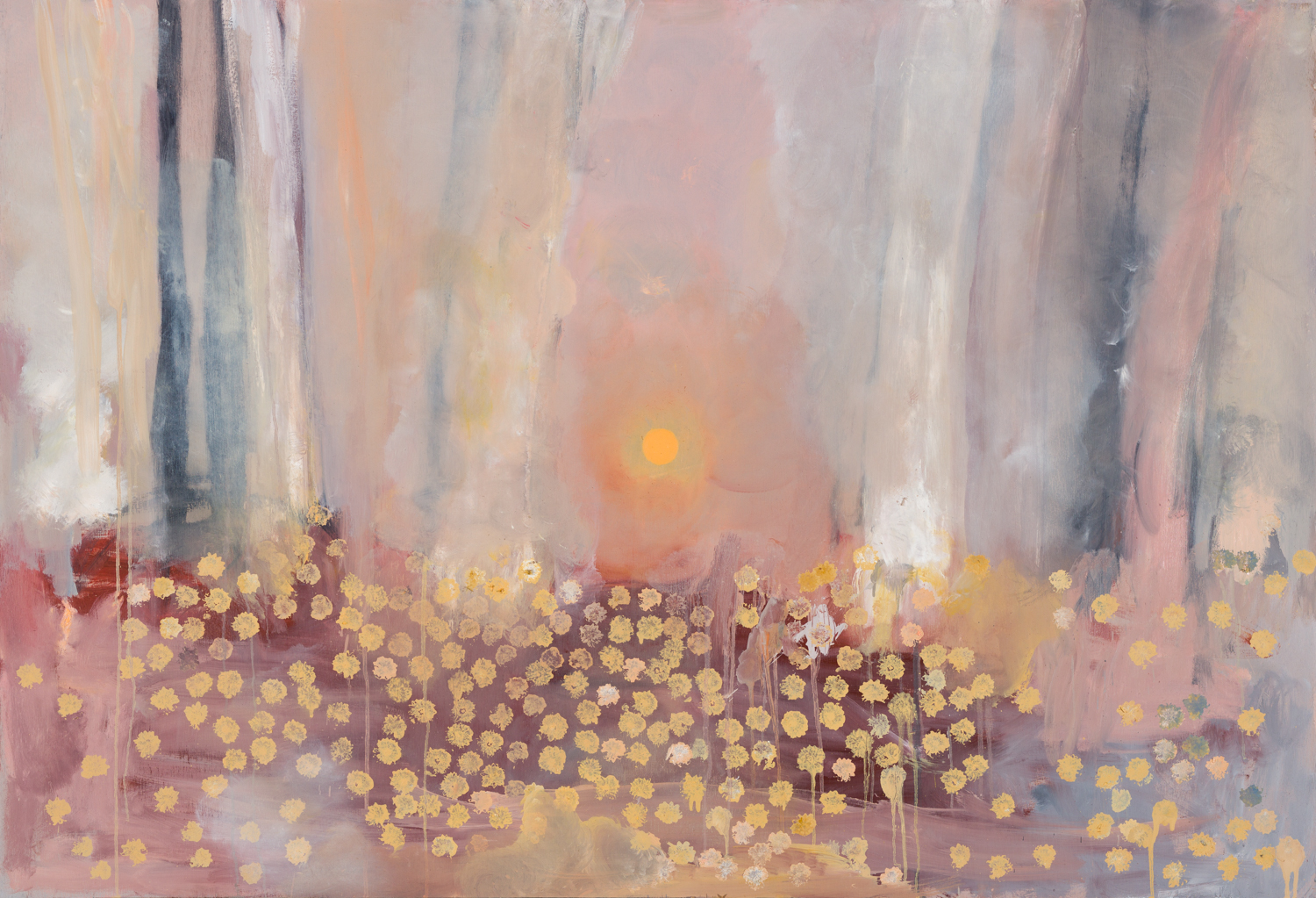
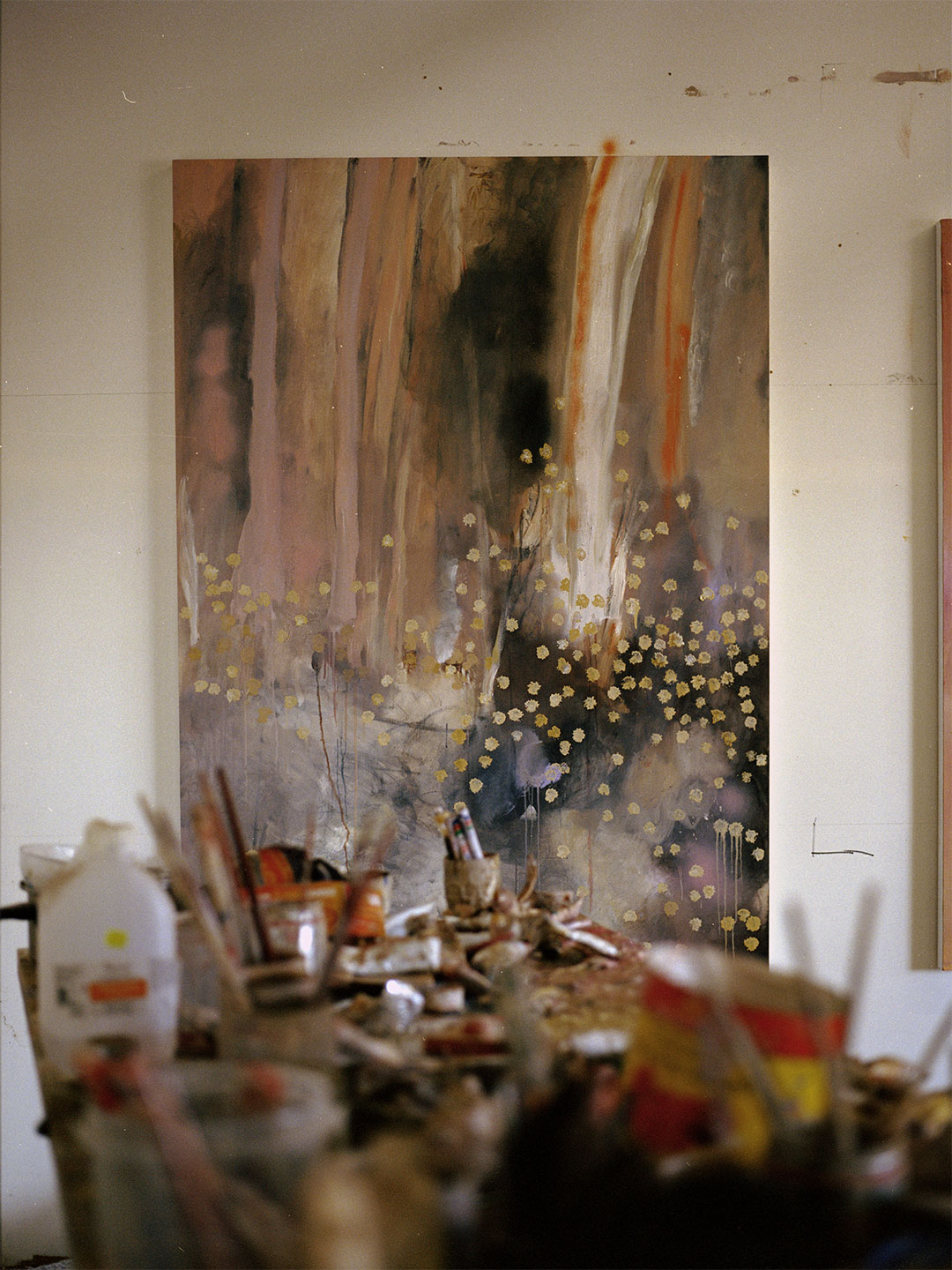
When ferocious bushfires ravaged the region in late 2019 through to early 2020, Dan felt a gut-wrenching sense of loss, sadness and absolute helplessness. Darkness had descended upon his beloved bushland, and blackened earth and smoke-washed hot-glowing skies replaced the famous blue-green haze of the mountain range.
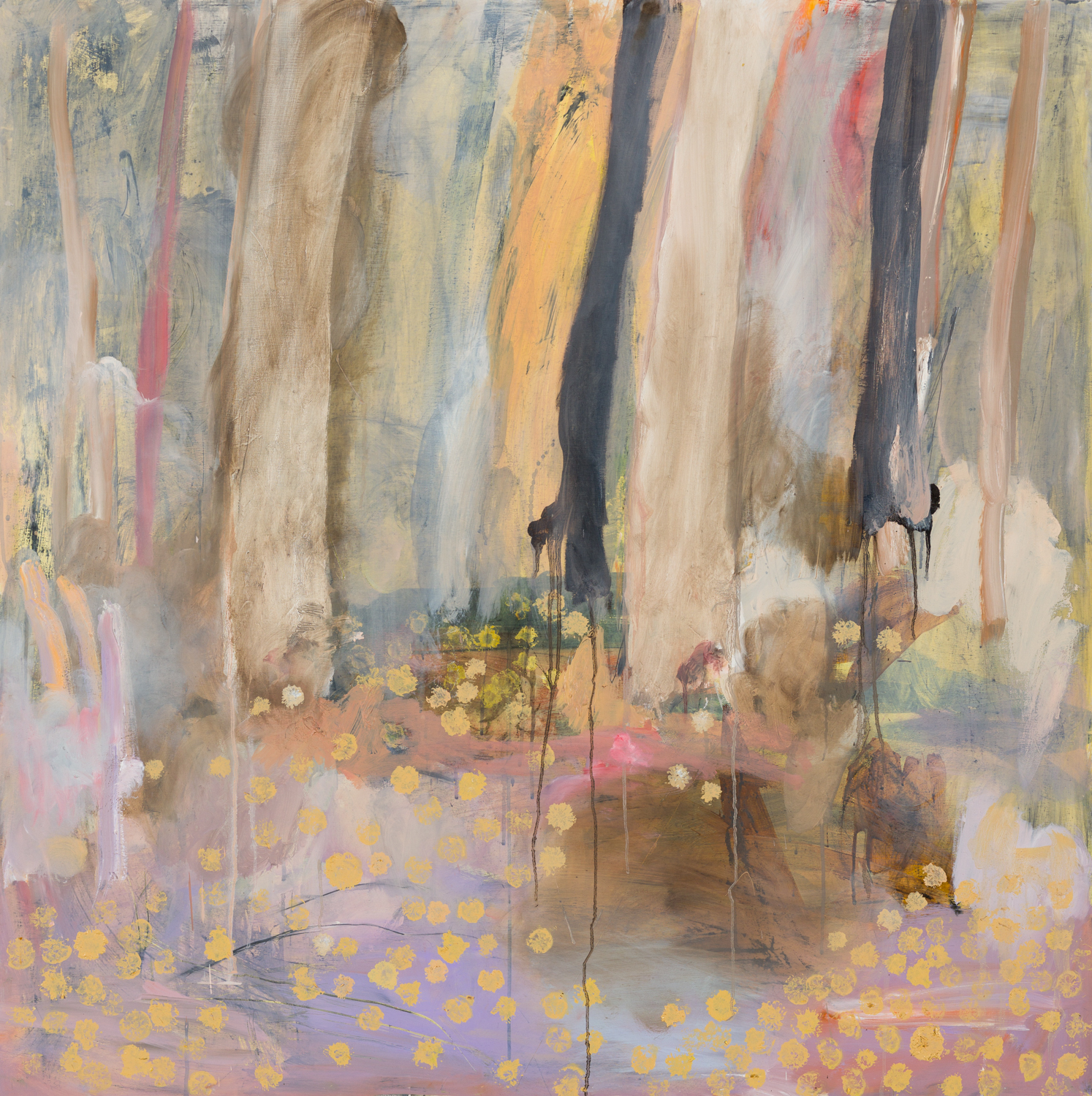
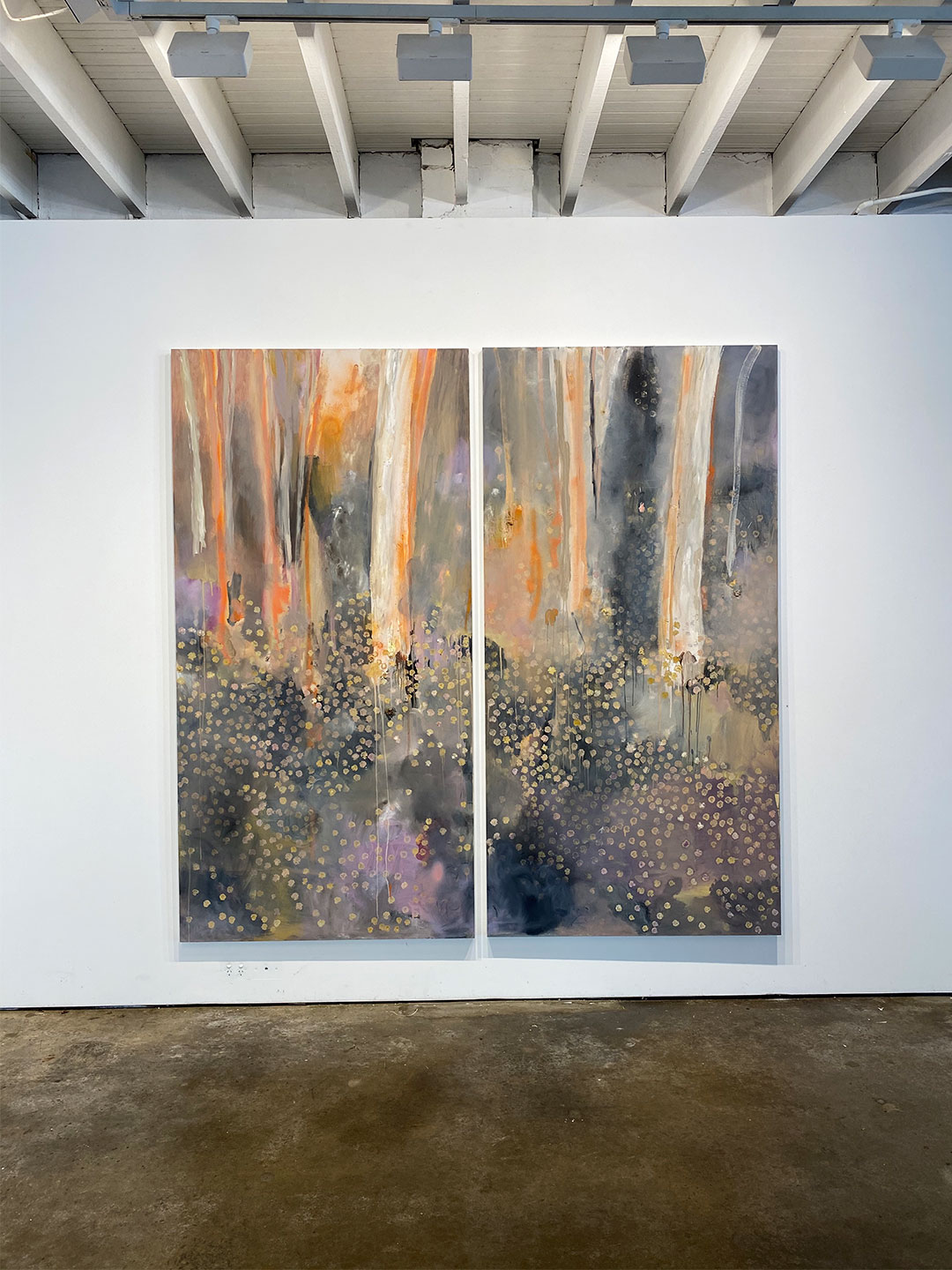
Captivated by the rapidly changing natural environment and the bizarre, almost pretty quality of light created by the choking bushfire smoke, Dan captured his local landscape in its altered state: scenes of haunting beauty where the paper daisy prints add an enchanting glow of hopefulness among ecological tragedy.
Daily Architecture News caught up with artist Dan Kyle following his recent exhibition at Martin Browne Contemporary to discuss his love of the Australian bush, a potential move into sculpture-making and world peace! Read on.
Where do you paint most of your works, in a studio environment or en plein air?
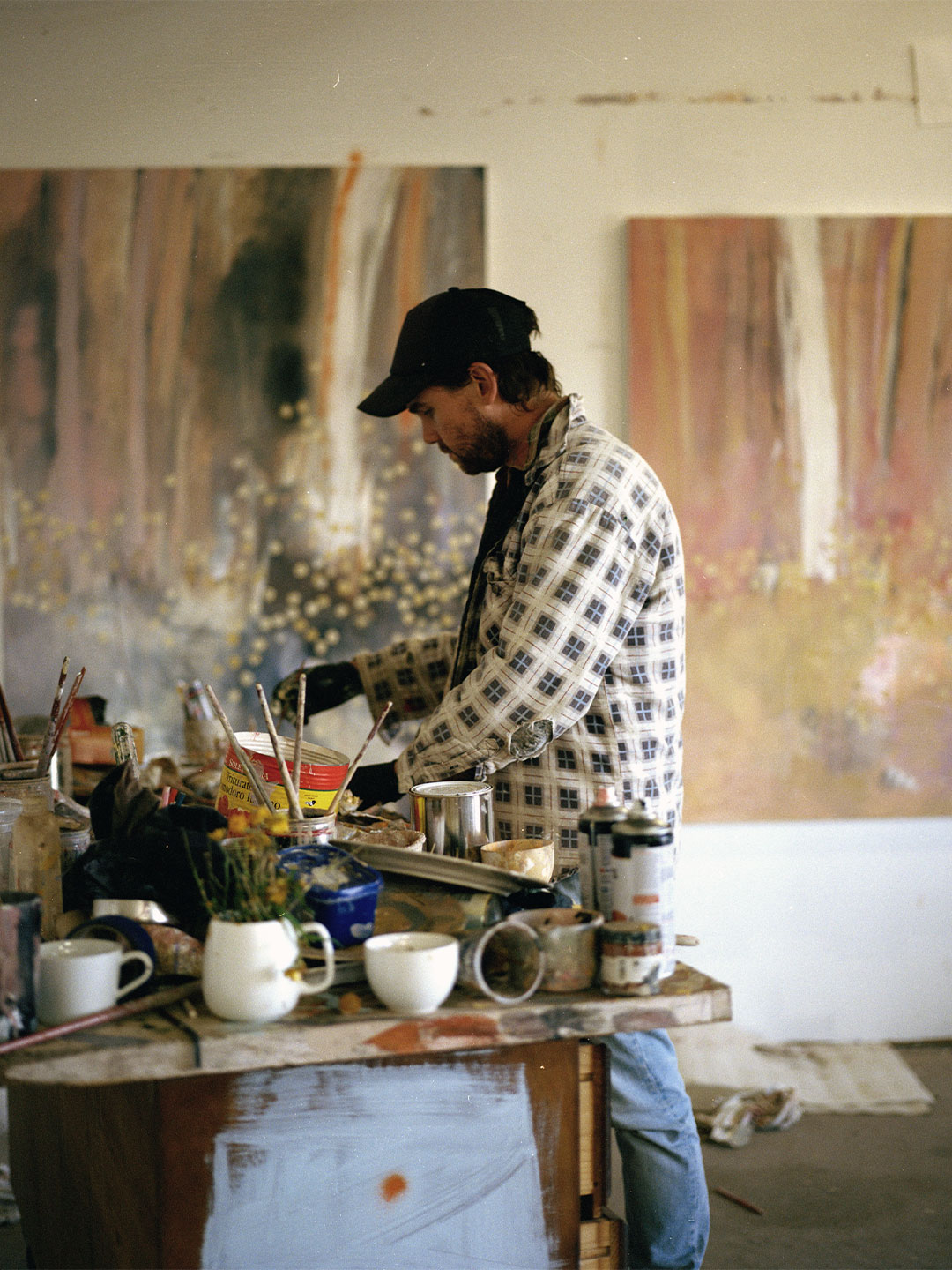
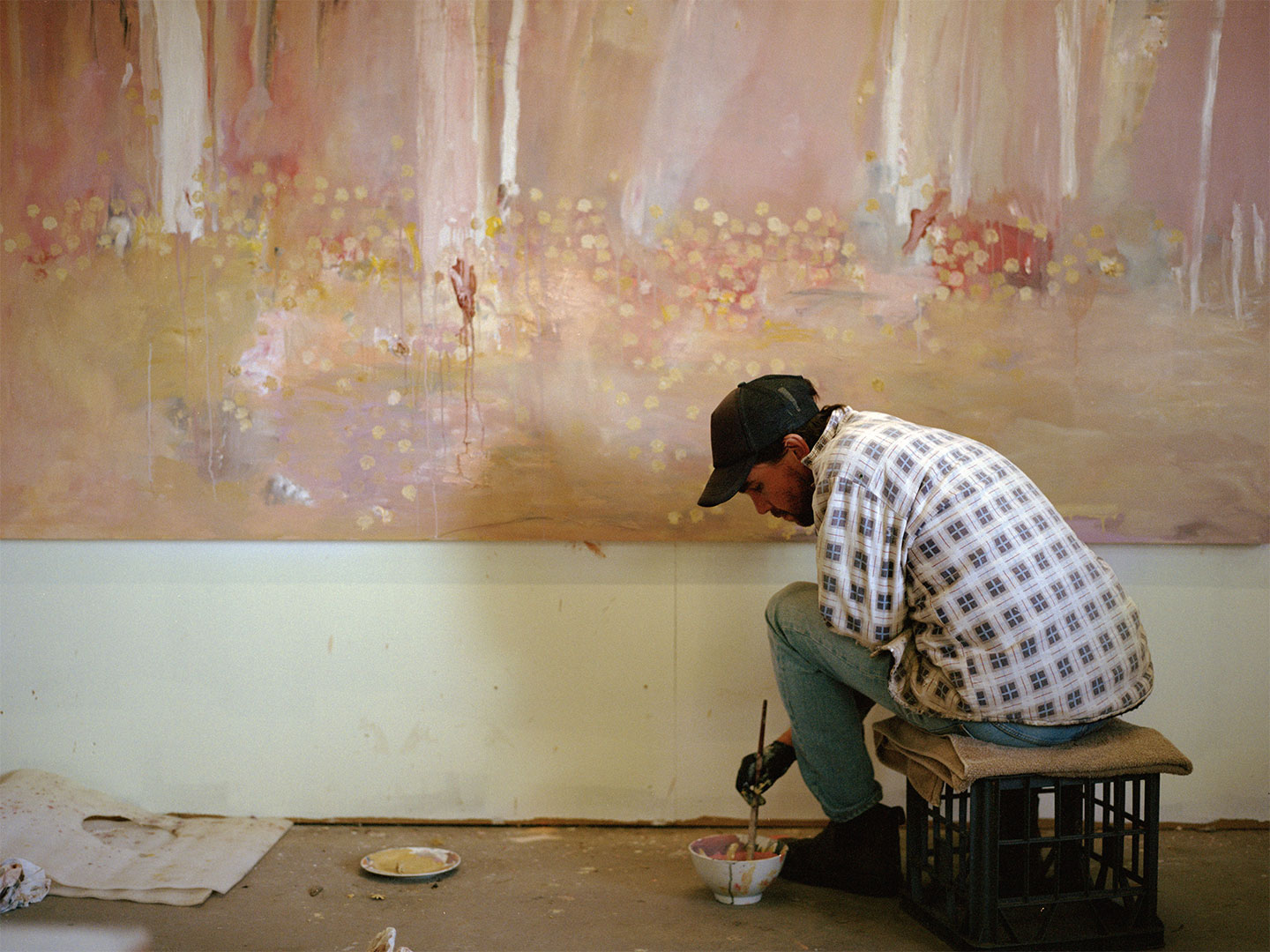
Dan Kyle: I paint on my property in Kurrajong Heights at the foot of the Blue Mountains [in New South Wales]. I have a studio in the middle of the bush – it’s incredible! I’m either in the studio or, if the weather is good, I’m out in the thick of it with my paints.
What is a current or an ongoing source of creative inspiration for you?
DK: The bush! I’m so in love with it. There isn’t a day that goes by where it hasn’t left me in awe. The mornings and the evenings here are so special and I feel so grateful to be able to be living literally inside my subject, experiencing it every day.
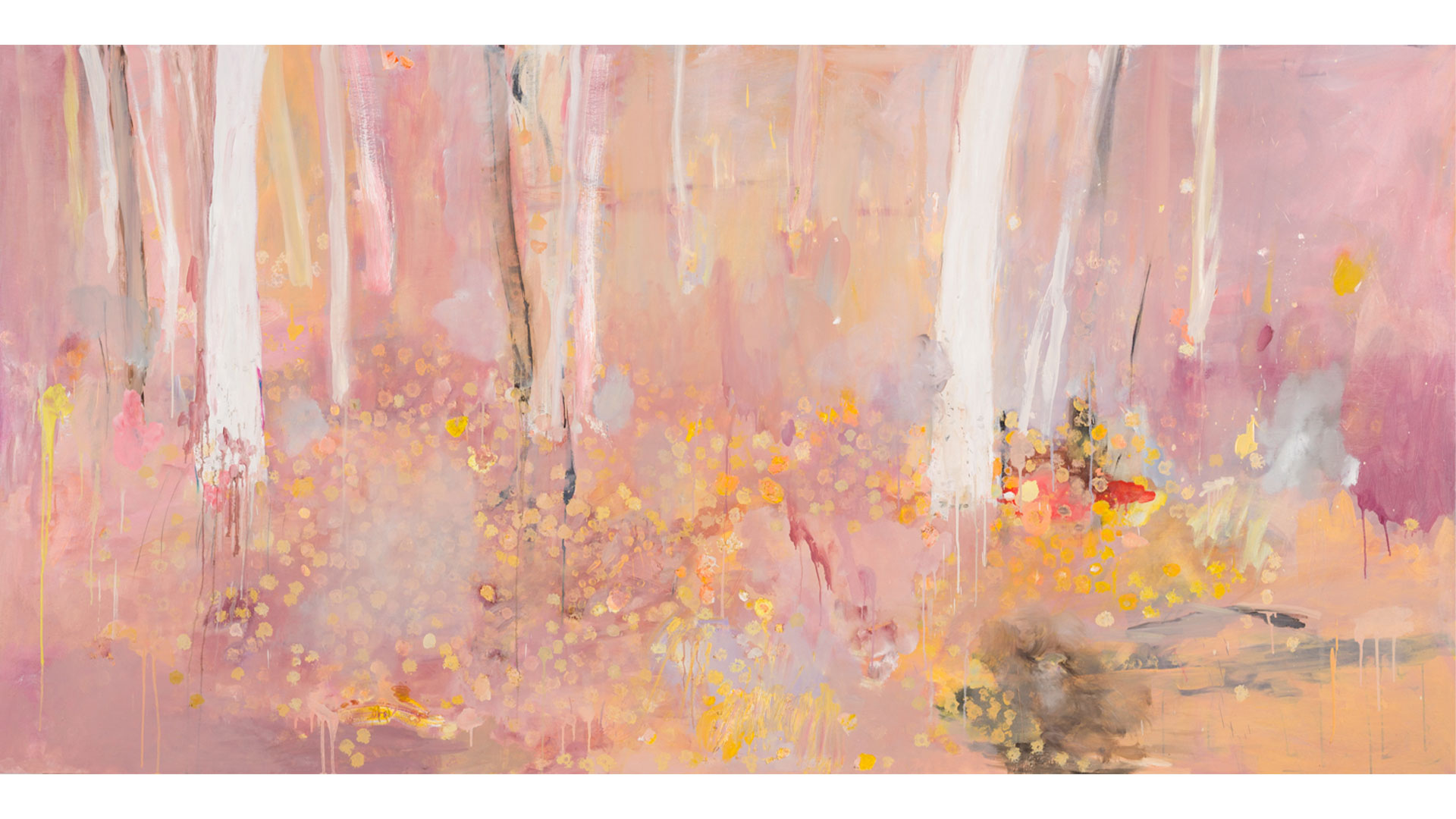
The mornings and the evenings here are so special and I feel so grateful to be able to be living literally inside my subject, experiencing it every day.
Your recent exhibition at Martin Browne Contemporary was released after devastating bushfires in Australia. With Australian bush scenes a recurring theme in your work, how did the impact of the bushfires influence your art making?
DK: It was completely unavoidable as a subject and it had to be painted. For weeks and months leading up to the fire that affected my community in late December [2019], I was fascinated with the beautiful but eerie, almost dirty light that was caused by the smoke haze that covered most of the state at times, so I started painting that.
Then much of my beloved bush was totally obliterated when the fire hit.
A huge part of my practice is hiking, and my friends and I spent day-after-day walking through the burn, looking for life and mourning the loss. It was truly traumatic. I had never felt so sad and helpless for the bush and its future.
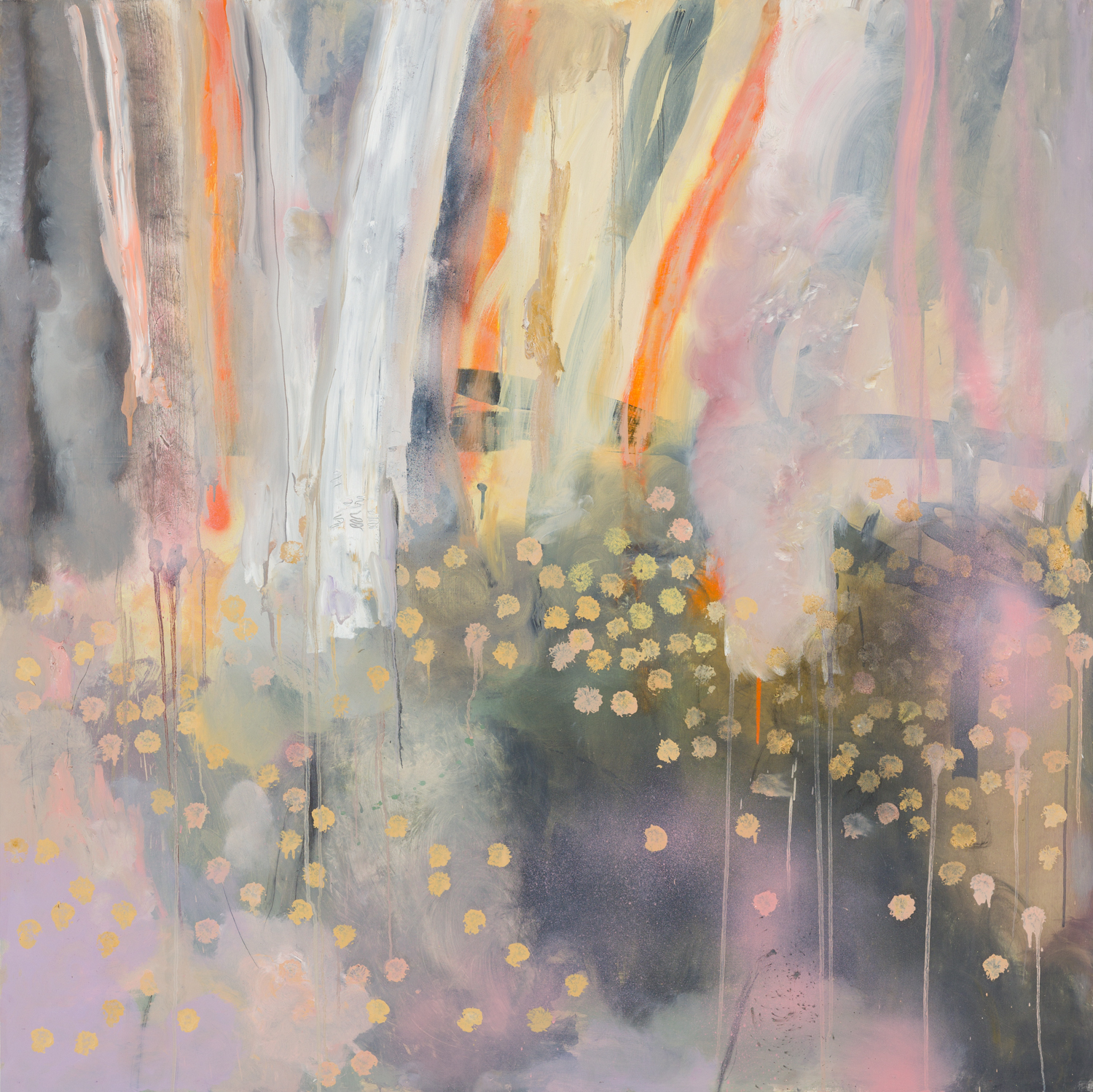
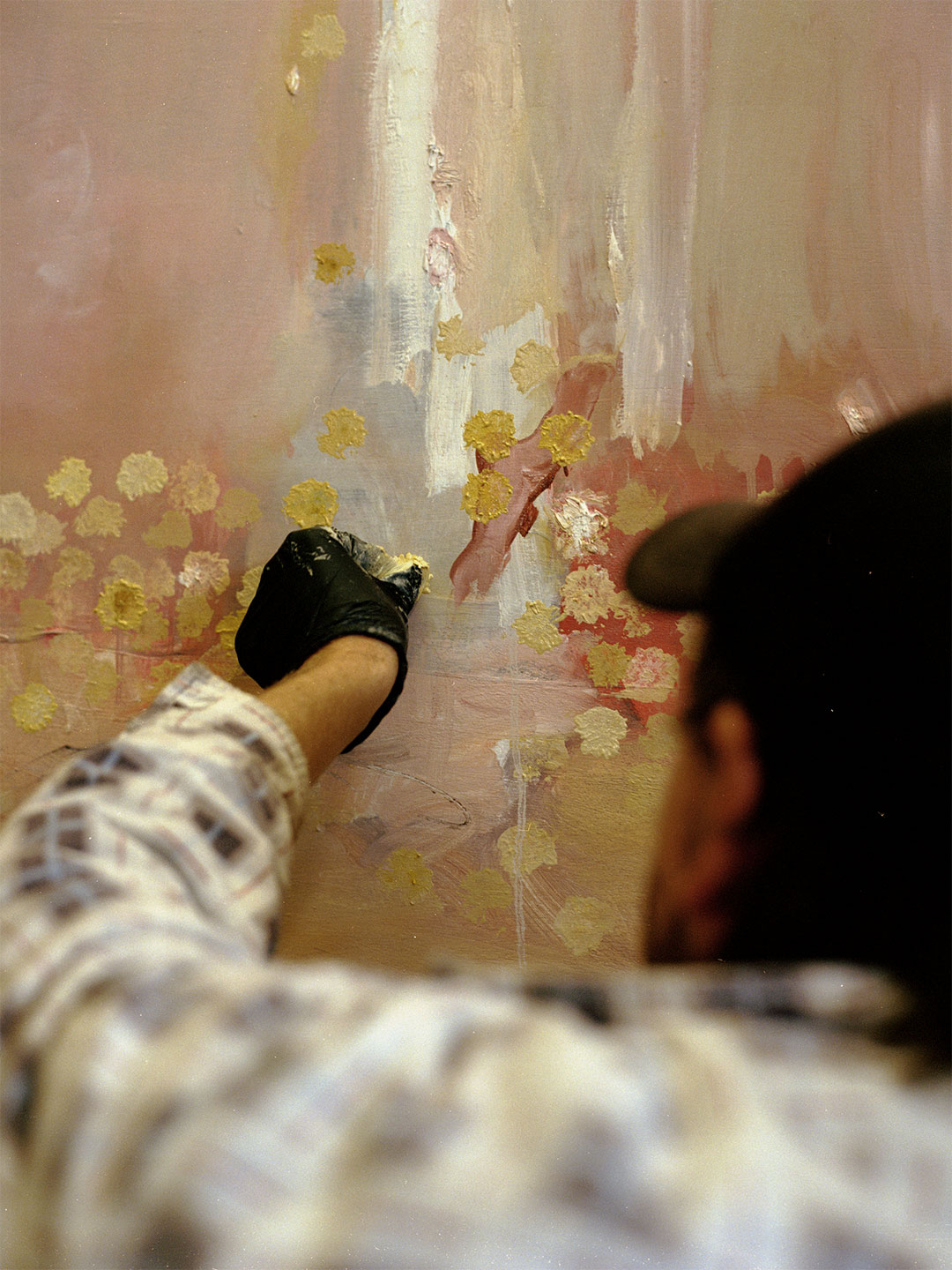
A number of your recent works have seen paper daisies employed as painting tools – what you call ‘printer daisies’. What prompted this idea?
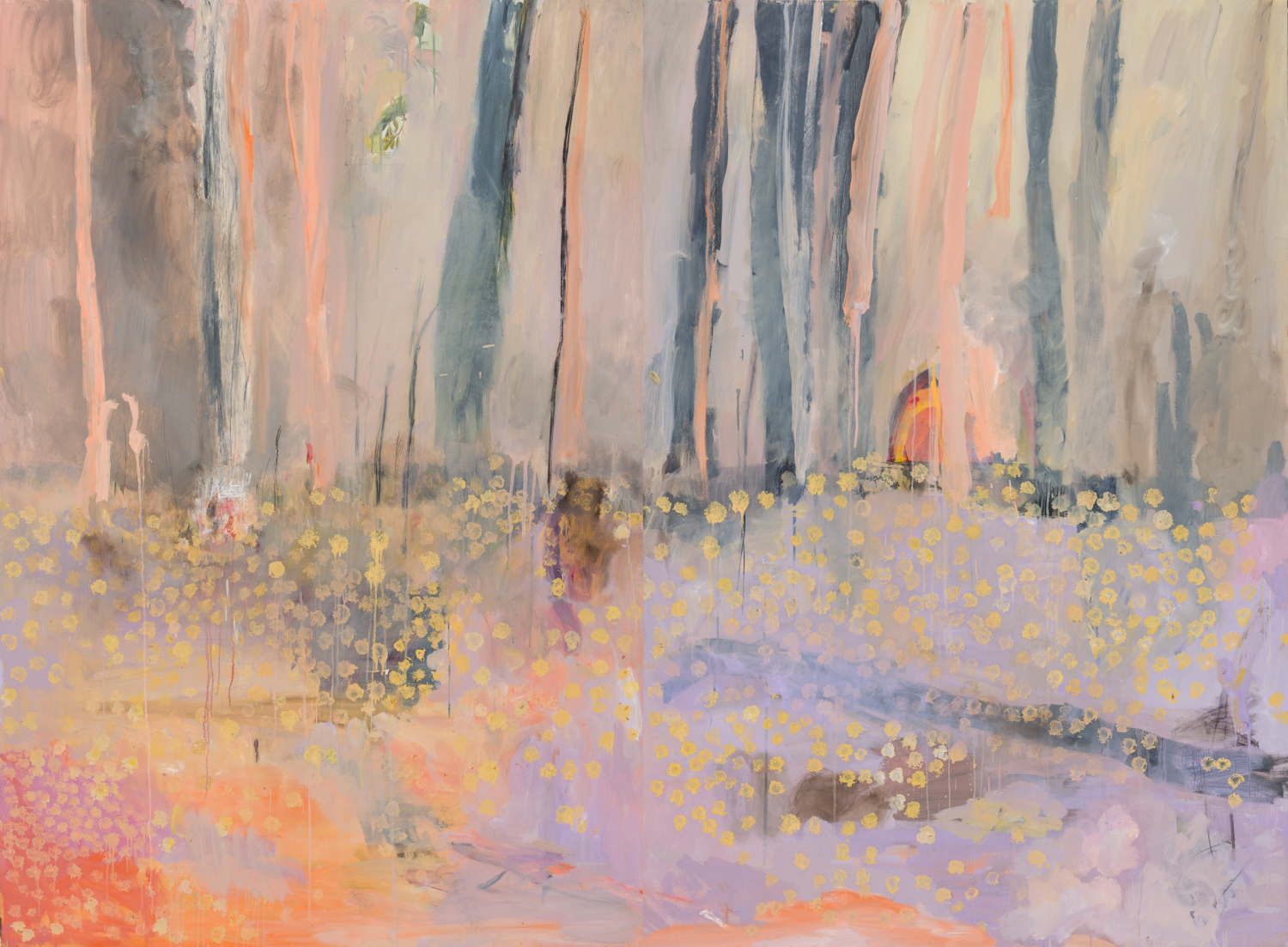
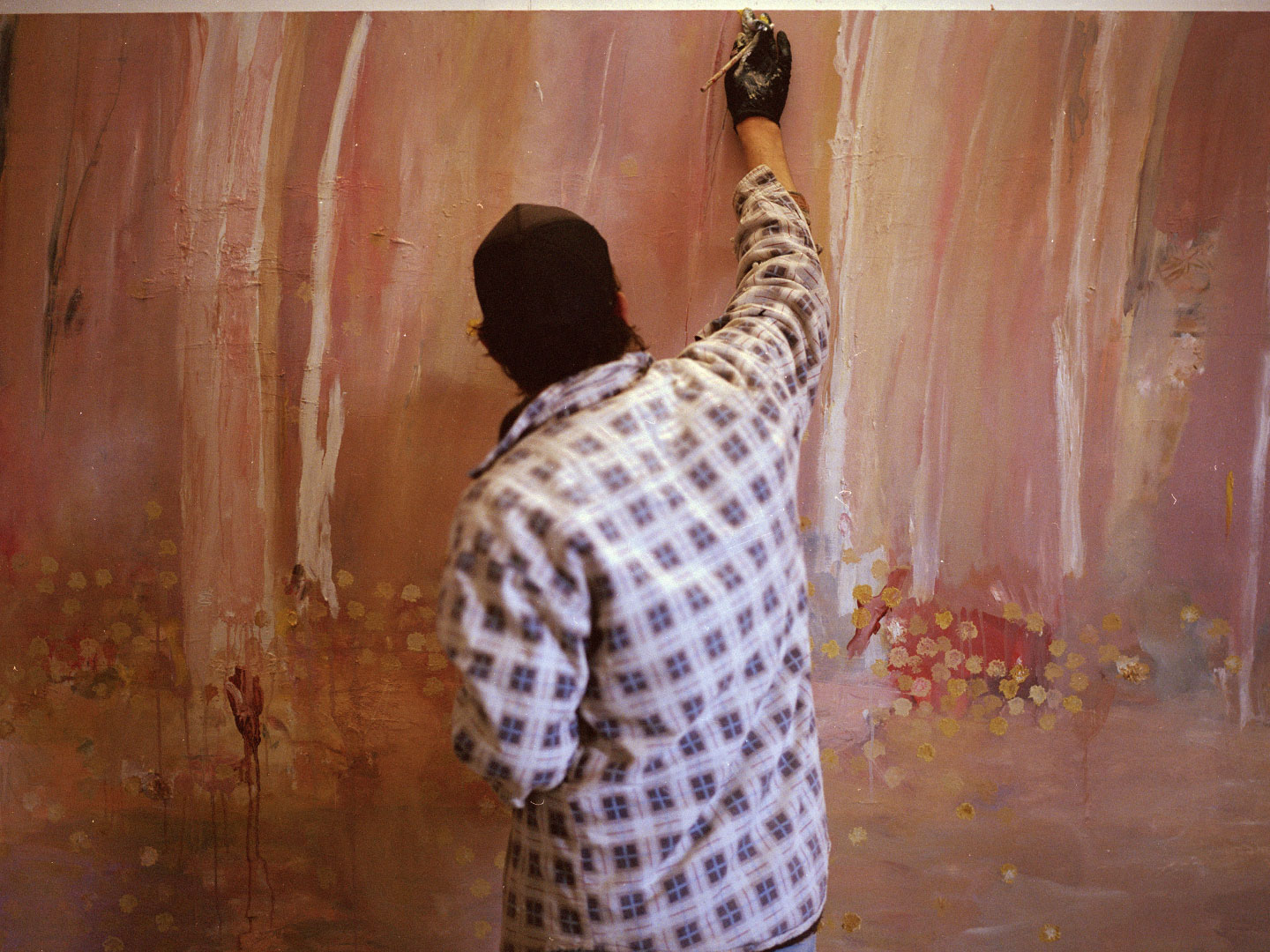
DK: I’ve always been obsessed with the little paper daisies that pop up everywhere here – their structure, their vibrant colour and just their cuteness has always drawn me to them. I had been experimenting with collage and stencilling and I was collecting all different types of flora from the bush, exploring each one with paint to see what I could come up with, and the paper daisy has really stuck. I love the process. From collecting to sorting to painting then printing. Each print that I create with the flowers is so unique.
Digital exhibitions are becoming a more frequent way of showing art. Do you think this more accessible method of showing art will stick around post-Covid or have an impact on your future exhibitions?
DK: I’m not sure. I’m a little bit conflicted with that. It’s been a great tool for showing work during the pandemic, but I have always believed that art really needs to be seen in the flesh to really work. Things like texture, detail and even colour can either be missed or translate way differently in the digital world. I’m worried the magic could be lost.
Career highlight so far?
DK: I’m not convinced it’s a ‘career highlight’ but I’ve been fortunate enough to be invited to spend time in the desert with some of Australia’s leading painters – painting, exploring and learning. They were truly formative experiences for me not just as a painter but also as a person.
What are the most covetable pieces on your wish-list?
DK: I’ve lusted over Ildiko Kovacs paintings for many years now so that definitely has to hit the list. Her work is so dreamy, so innovative. I wouldn’t mind a printing press … a beautiful old one with a big steel wheel. I would really love one of those! Oh, and is world peace too much to ask for?
Is there a project that you are most looking forward to in the future?
DK: Sculpture has always interested me and it’s a nice break from painting to focus my attention on the 3D world. I’ve just been throwing around ideas in the studio at the moment but it’s really fun exploring new mediums. I’ve been looking into the bronze casting process and really want to see how the delicate paper daisies might translate.
Sky’s the limit: what’s a dream project for you?
DK: Imagine filling the walls of an entire gallery space with the daisy prints, layered and layered, even the ceiling … a cosmic garden wonderland! I’ll need an apprentice!
Finally, art-related or not, can you tell us something we probably don’t know about you?
DK: I actually majored in ceramics not painting during my BFA [Bachelor of Fine Arts] at the National Art School.
Imagine filling the walls of an entire gallery space with the daisy prints, layered and layered, even the ceiling … a cosmic garden wonderland!
Related stories
- Five (or so) minutes with artist Tom Adair.
- Five (or so) minutes with artist Patrizia Biondi.
- Five (or so) minutes with architect Camilla Block.
A somewhat entrepreneurial dalliance with Melbourne’s graffiti scene and a streetwear start-up during his teenage years led artist Tom Adair into the world of fashion after high school. Designing and curating homeware collections for Australian furniture mecca Jardan presented itself as the next obvious path for the intrinsically creative spirit.
But it was the quiet desire to make art and its increasing gravitational pull during these formative years that delivered him to the well-worn fork in the proverbial road: to take the leap and pursue making art full-time or follow the momentum of established commercial success? “Art won,” says Tom who is fresh from having presented his collection ‘CHROMATONES’ in a solo show at Sydney’s Nanda\Hobbs gallery.
Daily Architecture News caught up with Tom to talk about the ups and downs of showing his recent collection of work during a particularly tumultuous time in the world, how the lockdown forced a pivot in the way he presented his work to collectors and art-lovers, and what’s getting him out of bed at 5.45am each morning. Read on.

DAN: Can you tell us about yourself and your approach to making art?
Tom Adair: I come from an unconventional path into the art world – a commercial world without formal art education. I’ve always naturally gravitated to being creative with my hands. From an early age, I could always be found drawing, painting or building things in the garage at home.
Toward the end of my high school years, I discovered graffiti while taking trips to the city [from the Mornington Peninsula] and was motivated to start a clothing brand with street art-inspired screen prints. That led me to later enrol and study fashion at RMIT with a side-gig of painting on the streets at night. Eventually, I realised that if I wanted a professional career where I could freely travel the world, that it would be best to trade the streets for studio practice.
Seven years after fashion had swallowed me up, I decided a career in homewares and furniture would be a nice transfer of skills and more sustainable long-term, so I approached [furniture brand] Jardan and expressed how much I wanted to work for them. I became the homewares manager and began designing and buying their homewares ranges. Working for such an esteemed Australian company that holds high regard for authentic design really influenced how I approached my art. My time at Jardan was very formative for me by exposing me to the workings, professional practices and relationships of the interior design and architecture world.
Eventually, I had to make a decision between a career in art or a career in the commercial world. Art won. Since then, I have had to learn really quickly, as not having a formal education has presented a steep learning curve in regards to art history and theory. But I have been very proactive in learning as much as I can by talking to as many other artists, gallery owners, or critics in the industry. They have helped to guide me and give me advice. Since doing this, I keep opening new doors to the art world that I never knew existed and it’s been a very enjoyable journey of discovery.
It’s still early days as a professional full-time artist but I have a clearer vision of where I’d like to go, how to get there, what my interests are and what art and my voice is really all about.

DAN: What is a current or an ongoing source of creative inspiration for you?
TA: I have always found inspiration in falsehoods of appearance, illusions of reality, human interaction within the environment as well as technology and digital media. I have most commonly explored this through the built form as a motif. I find it interesting that when material possessions and facades are removed we are able to see the truth and vulnerability up close, similar to how my paintings are viewed – they are perfect images when viewed from afar but they disintegrate the closer you get and you can see all the faults and imperfections. The same way people have their own personal issues that are unmasked when you dig a little deeper behind their fancy things.
Since having discussions and working with some key people within the art world, I have shifted how I find inspiration and how I approach my work. The latest series is definitely the first time I’ve used investigation and research to inform my practice. While painting my latest series, I was informed by how humans live within the environment and the intersection of control – Mother Nature or humans? The desert landscape is rugged and a perfect place to analyse this ongoing arm-wrestle.
Previously, I sourced inspiration from imagery I was drawn to. But I’ve flipped that and now let themes I’ve researched influence and guide the images needed to communicate my thoughts and messages through my paintings.

DAN: Your latest collection ‘CHROMATONES’ recently showed at Nanda\Hobbs Contemporary in Sydney and depicts the modernist mid-century architecture of Palm Springs. What sparked this focus?
TA: For ‘CHROMATONES’, I took a three-week road trip through the West American deserts of California and Arizona – Mojave Desert, Palm Desert and down to Tucson, Arizona and the Saguaro National Park which was the basis for my investigation of houses in the desert.
When I first discussed the show with Ralph Hobbs [director at Nanda\Hobbs Contemporary], I immediately knew I wanted to go back to California. I was first drawn there two years ago for the architecture, but I wanted to revisit the area looking through a new lens. For this new series, I wanted to explore the meeting point, where the equilibrium lies, between the earth and humans living within it – built form in the landscape.
While the architecture I’ve included in the paintings is mid-century, I have tried to paint the new work with a focus on the meeting point between the human-built form and the natural environment. Luckily this part of the world – and the meeting point – has the beautiful architecture of the 60s!
For me, the deserts in California and Arizona are particularly interesting because of the unique landscape in which homes and the desert conditions co-exist. The deserts I visited are extremely rugged and I think a great example of how architecture is built around the landscape, the environmental conditions, and it’s hard to tell who’s encroaching – humans on the landscape or vice versa. It’s an even tug of war. This is what I set out to capture in my works.

DAN: The collection was released as a digital experience during the Covid-19 pandemic. What were the learnings from this adjustment, and do you think this more accessible method of showing art will impact future exhibitions?
TA: Covid-19 wasn’t much of an issue while I was painting my show but then quickly became very serious. My representing gallery, Nanda\Hobbs, and I had to adjust very quickly to showing the work in a new online format or risk cancelling or postponing the show. At the time, it was unknown how other artists and galleries would adapt but now, as the dust has settled, it seems like most galleries and art fairs have moved to a digital platform with various iterations of viewing ‘rooms’ or 3D virtual tours of physical spaces. This technology has been around for a while in other industries, such as real estate, to create virtual tours.
The visual art world has always been more inclined to have physical interaction, but the pandemic has changed the game. As an artist, it’s always a great achievement to have an opening to celebrate and show your work to people. But while this isn’t currently possible, the positive for having exhibitions online is the reach you can achieve to expose your work to a wider audience. It’s much easier for anyone to hop online for five minutes and see a show than to travel across town in an Uber, let alone travel interstate or internationally.
My experience from the virtual show was great sales-wise, but I definitely missed talking directly to collectors and admirers of my work and explaining the concept, meanings and process behind my work. The limitation of showing online is that you miss the textures and intricacies of the materials that have been hand-worked. That for me was the biggest disappointment.
With a large percentage of galleries and artists moving to online it has also created much more content to consume. My inbox and Instagram have been inundated with new shows and new works which is hard to take in. There is also a risk that artists aren’t getting paid for their time when creating new content at such a rapid pace – just so they can be ‘seen’.
Moving forward, I think the art world will naturally gravitate back to physical openings. However, I think the lower cost to put on digital exhibitions will see them becoming more regular events throughout the year between the normal yearly schedule of fairs and exhibitions.

DAN: Career highlight so far?
TA: Gee, this is a hard one. I have been very fortunate that a lot of things have fallen positively in my favour. That’s not to say there hasn’t been lots of hard work, but I am very grateful for all the opportunities that have come my way so far.
For me, my short professional career highlights include getting my first solo exhibition in September 2018, something I’d talked about for over five years. Also, being asked to be fully represented by Nanda\Hobbs – it really validated my practice. Having a solo show at Art Basel week in Miami with an LA gallery in December 2019, and having a sell-out exhibition during Covid-19 with an entirely new body of work in Sydney, in May of this year.

DAN: What are the most covetable pieces on your wish-list?
TA: Ooft, this is a hard one! Trace outdoor sofa from Tait Furniture. ‘Bat Stake’ Bronze Sculpture by Darren Sylvester. Tona Lamp by Adrian Cruz Elements.

DAN: Is there a project that you are most looking forward to in the future?
TA: Moving into a new studio in 2021 and creating something special that hasn’t been done in an art studio yet. I’m not sure what that is yet, but I’ve been throwing around a few ideas. Something inner-city, maybe with an element that’s open to the public.

DAN: Sky’s the limit: what’s a dream project for you?
TA: Getting some work into a collection at one of Australia’s great national galleries such as the NGV [National Gallery of Victoria], NGA [National Gallery of Australia], AGNSW [Art Gallery of New South Wales], MCA [Museum of Contemporary Art Australia] or having a retrospective in 10 years from now.

DAN: Finally, art-related or not, can you tell us something we probably don’t know about you?
TA: I am one of the Run Bosses of the 440 Run Club in South Yarra, a free community running club that was founded in Bronte, Sydney, and has taken off around the world in different cities. We start in the dark at 5.45am and run 440 metres up Anderson St hill at The Tan for up to 10 laps. It’s super fun and I’ve met some amazing people that inspire me to do wonderful things outside of art.

Follow Tom Adair on Instagram.