Deeply biblical, the Sea of Galilee, also called Lake Tiberias or the Kinneret in Hebrew, is believed to be where Jesus performed some of his most impressive miracles, including walking on water. Lying within the Jordan Rift Valley – a narrow depression that began to form millions of years ago as the Arabian plate tore away from Africa – the majestic freshwater lake and surrounding region elicits fond memories for London-based Saar Zafrir, who used to visit the area as a child. So when his eponymous studio, Saar Zafrir Design, was enlisted to renovate the iconic 123-room Galei Kinneret Hotel in northern Israel, it was met with an air of affectionate nostalgia.
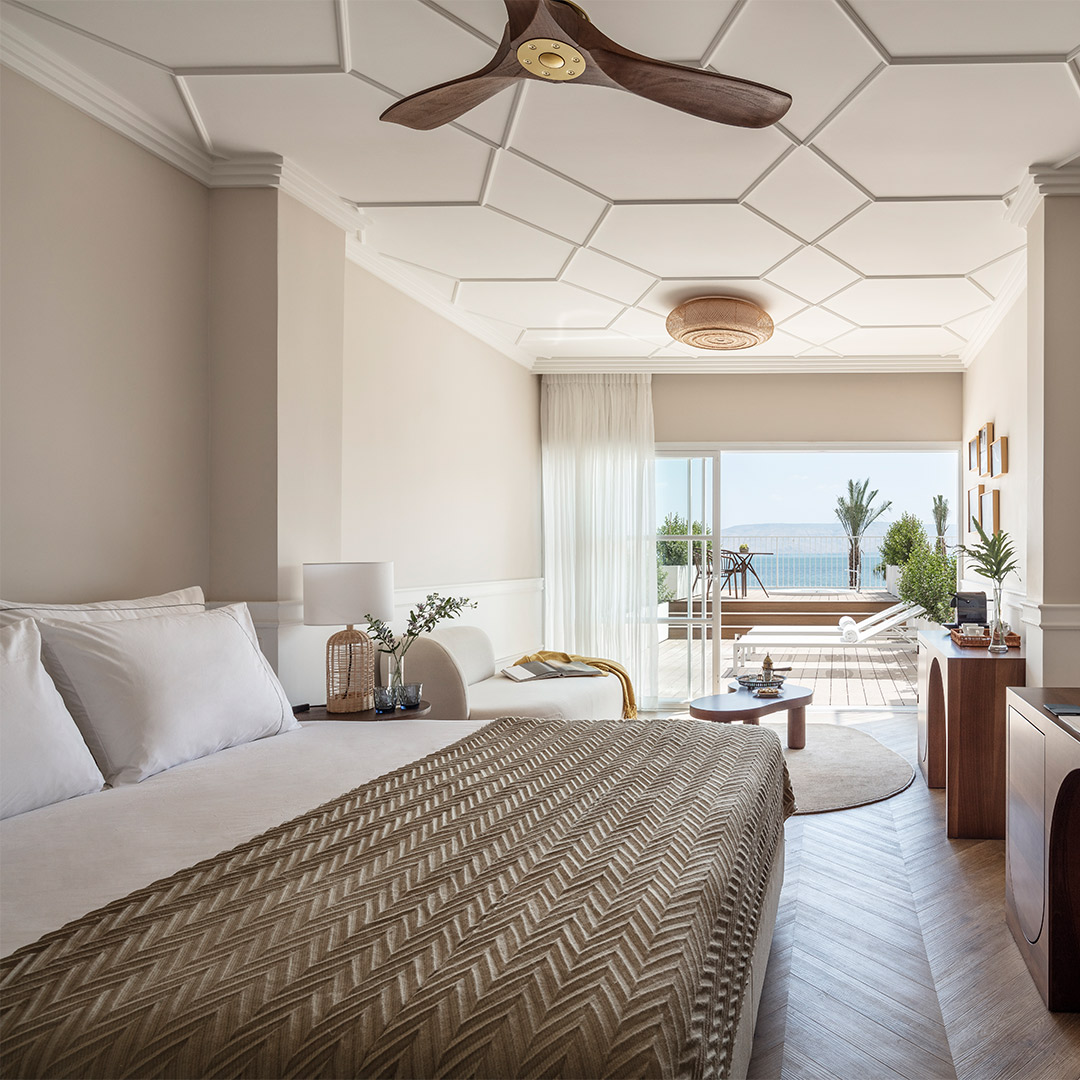
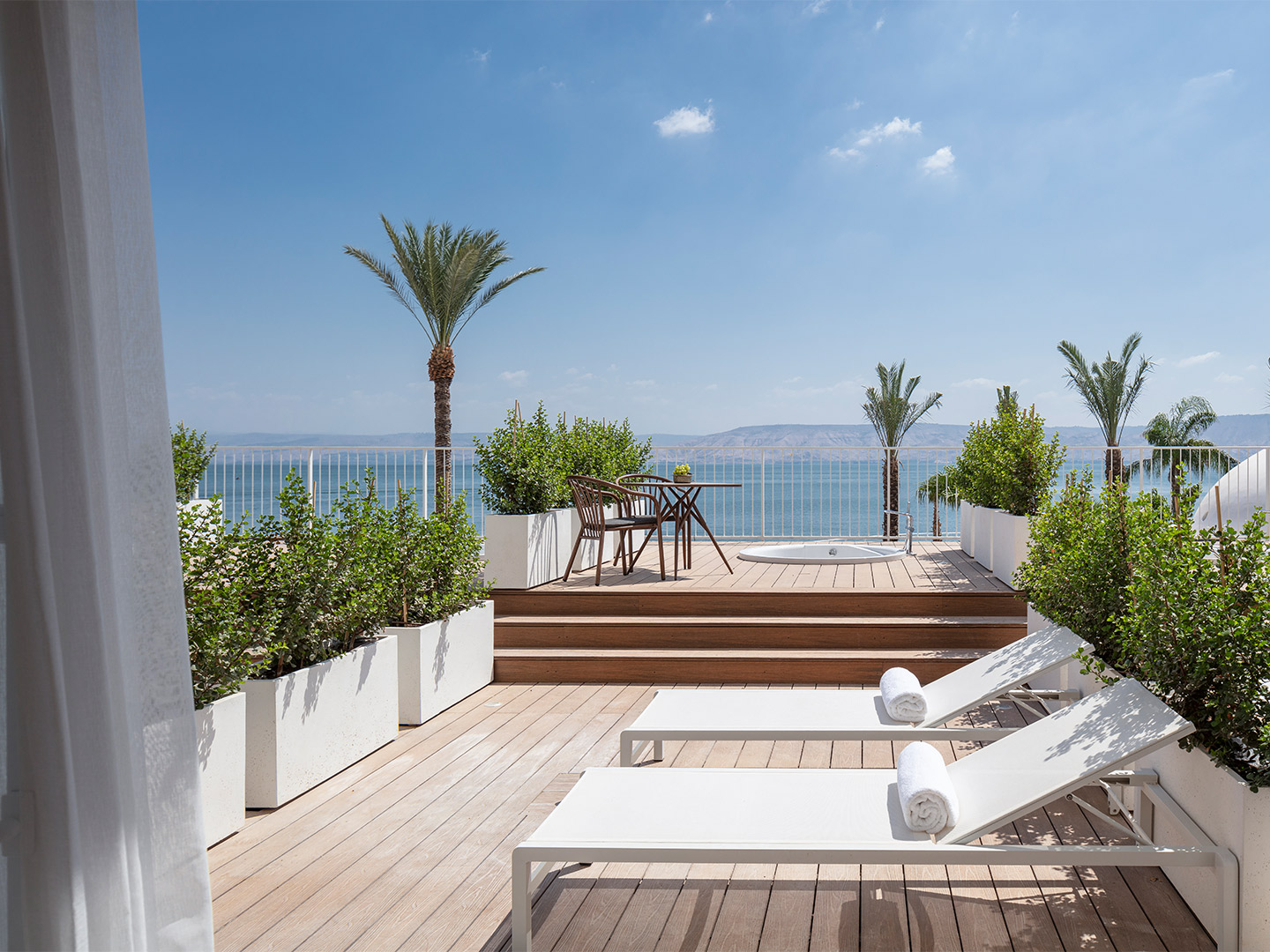
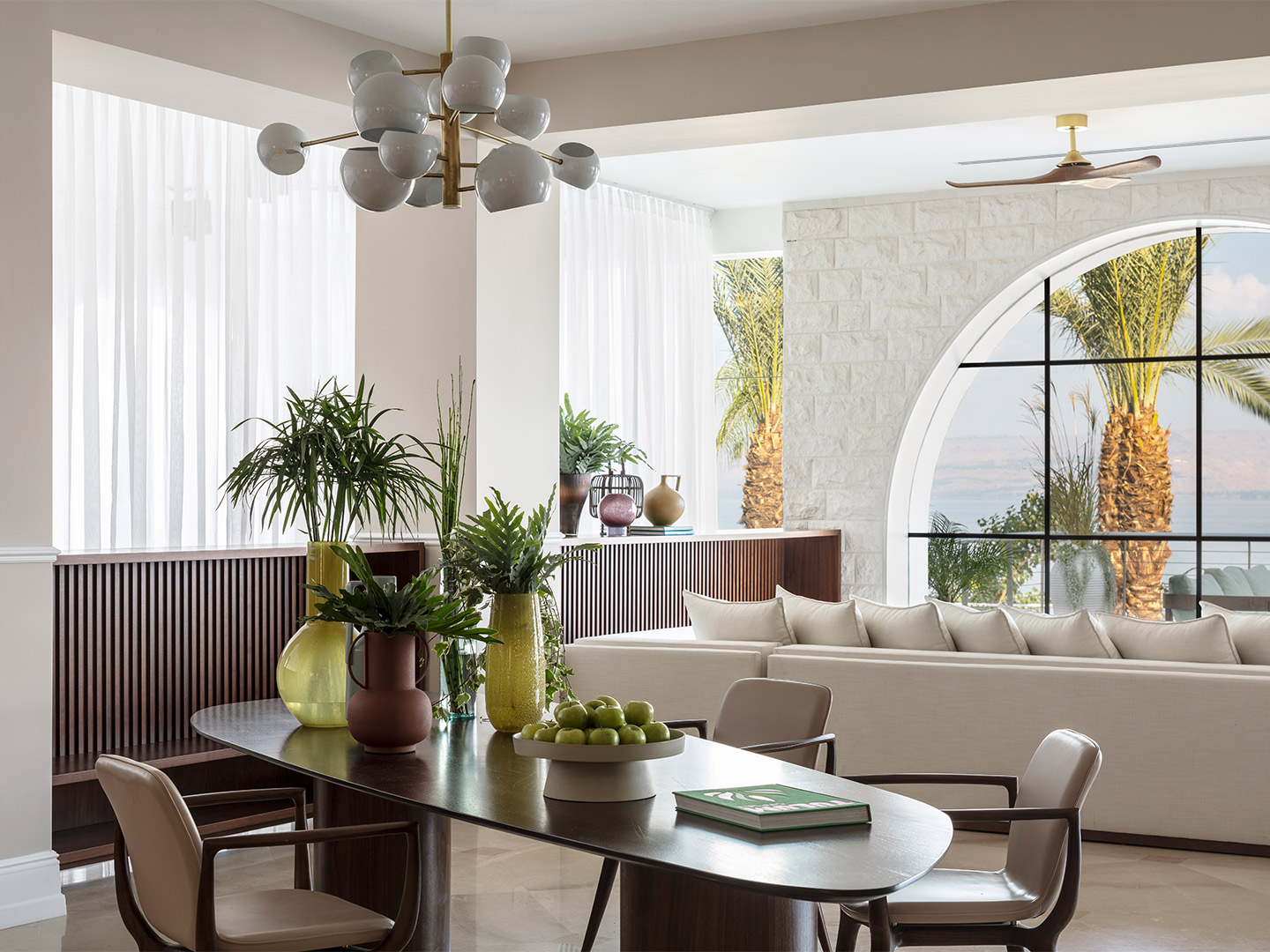
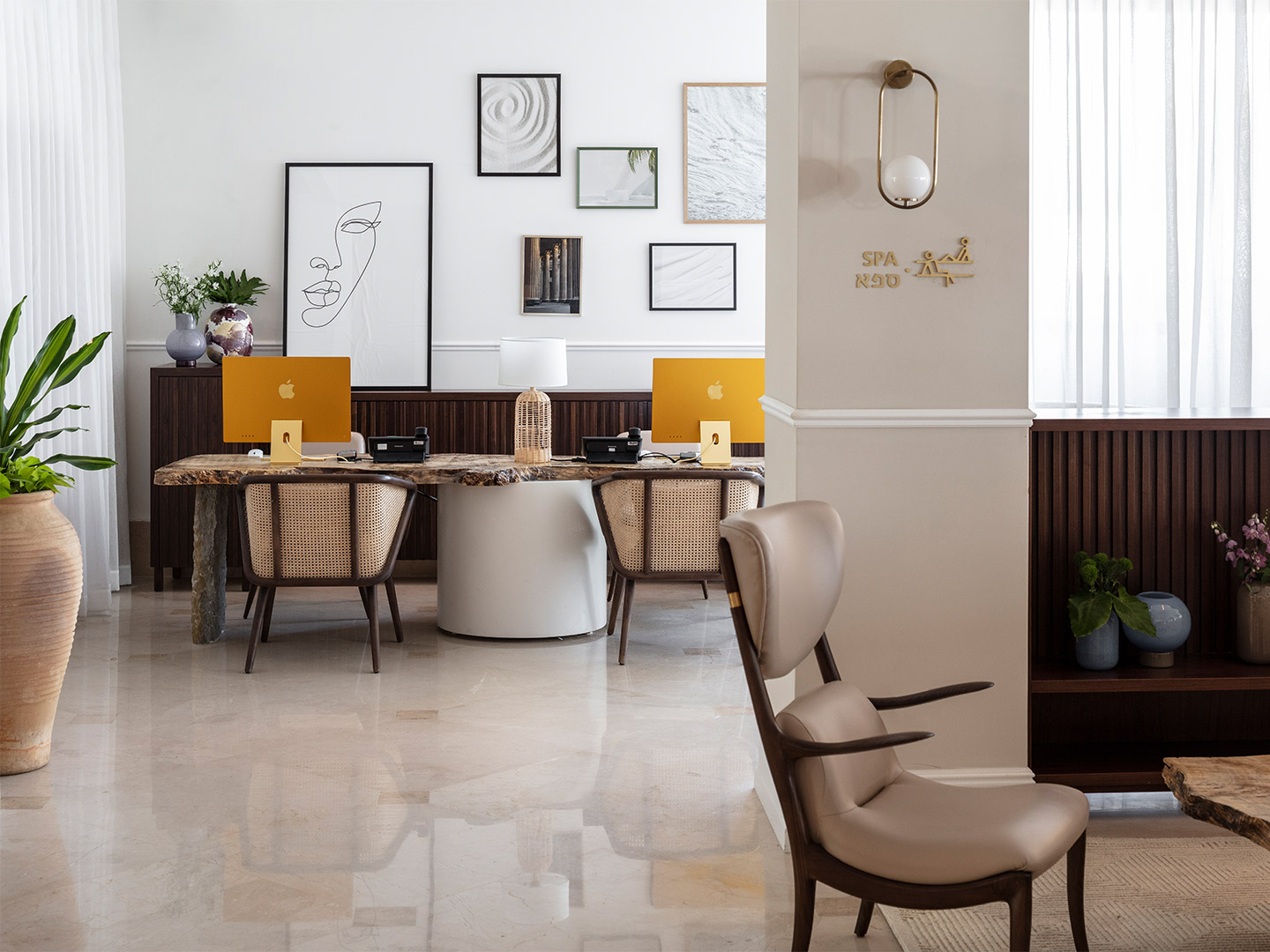
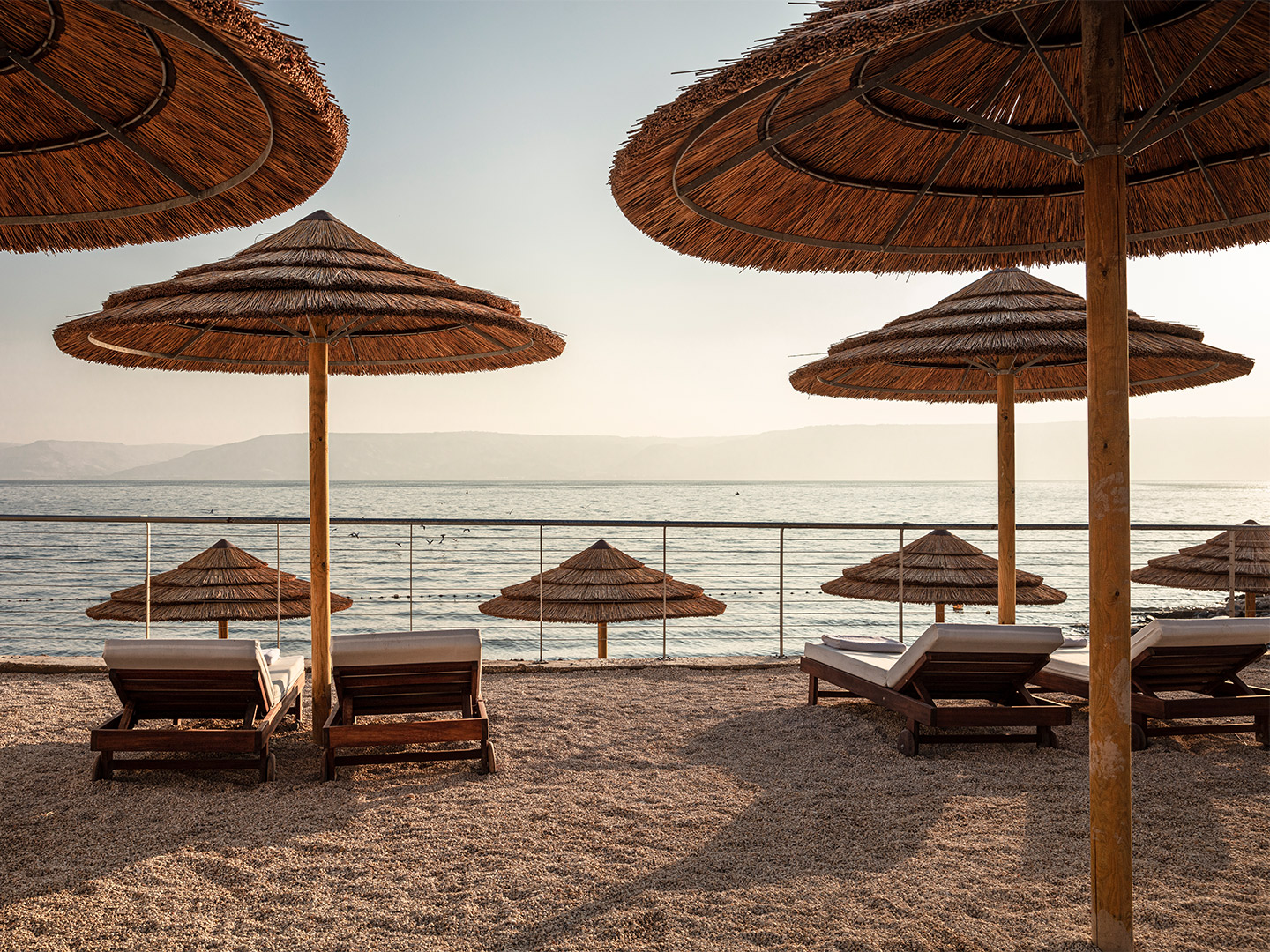
Dating back to 1946, the Galei Kinneret boasts a rich and storied history. The founder, inspired by a trip she took to the Villa d’Este hotel on Lake Como, fitted it out with Persian rugs and antiques she had procured from all over the world. While its monumental facade has remained intact, its latest reimagining is a world away from the original design with a refined new materials palette consisting of mostly oak, Carrara and natural stone. “Aside from the restaurant, all of the public spaces and rooms are muted because I didn’t want to distract from the view,” Saar says. “The idea for the entrance was to create a beautiful monochromatic ‘corridor’ that leads guests to the Sea of Galilee. For the rooms, we achieved a similar thing through the use of light and natural materials.”
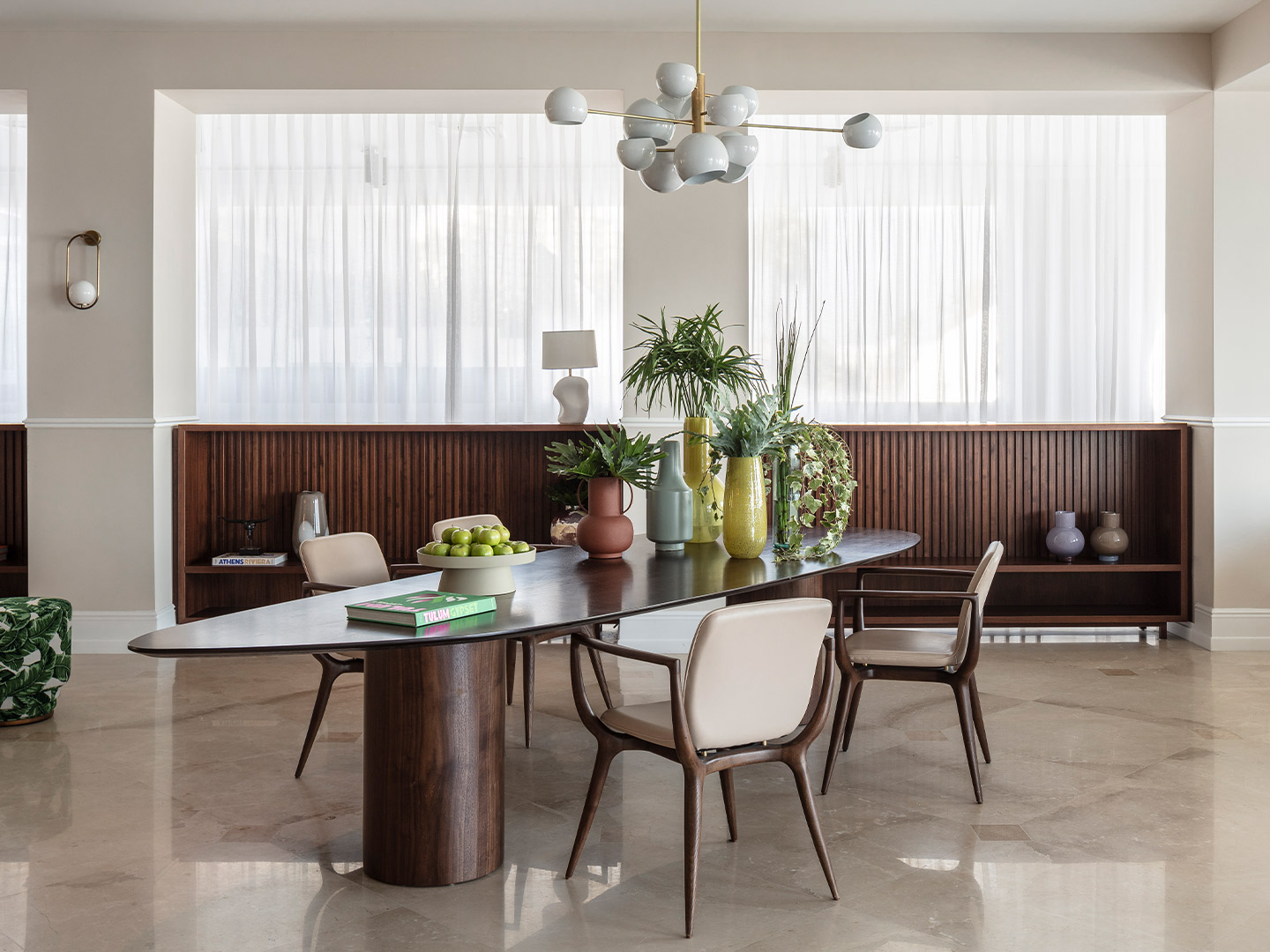
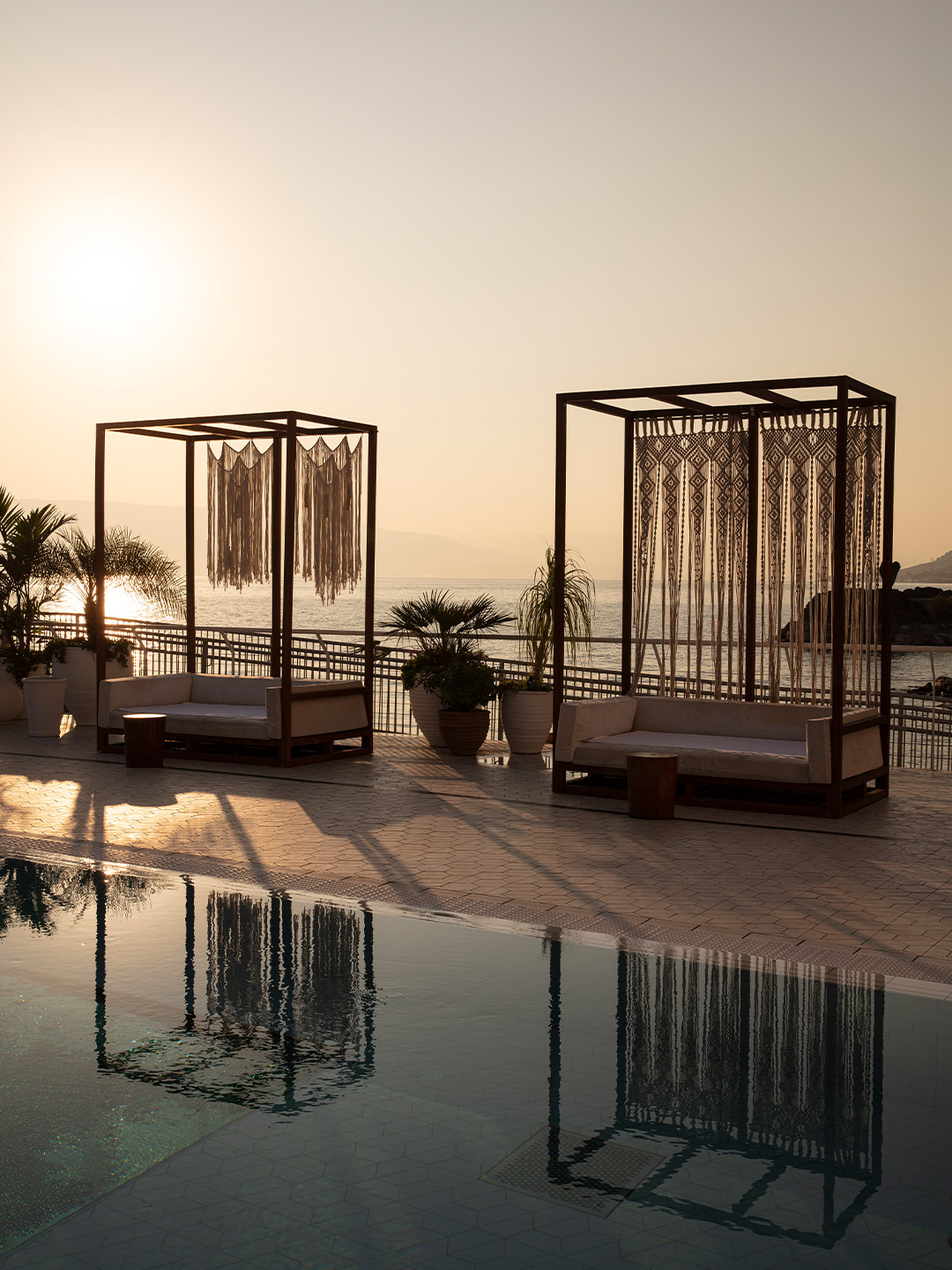
Galei Kinneret Hotel in Israel by Saar Zafrir Design
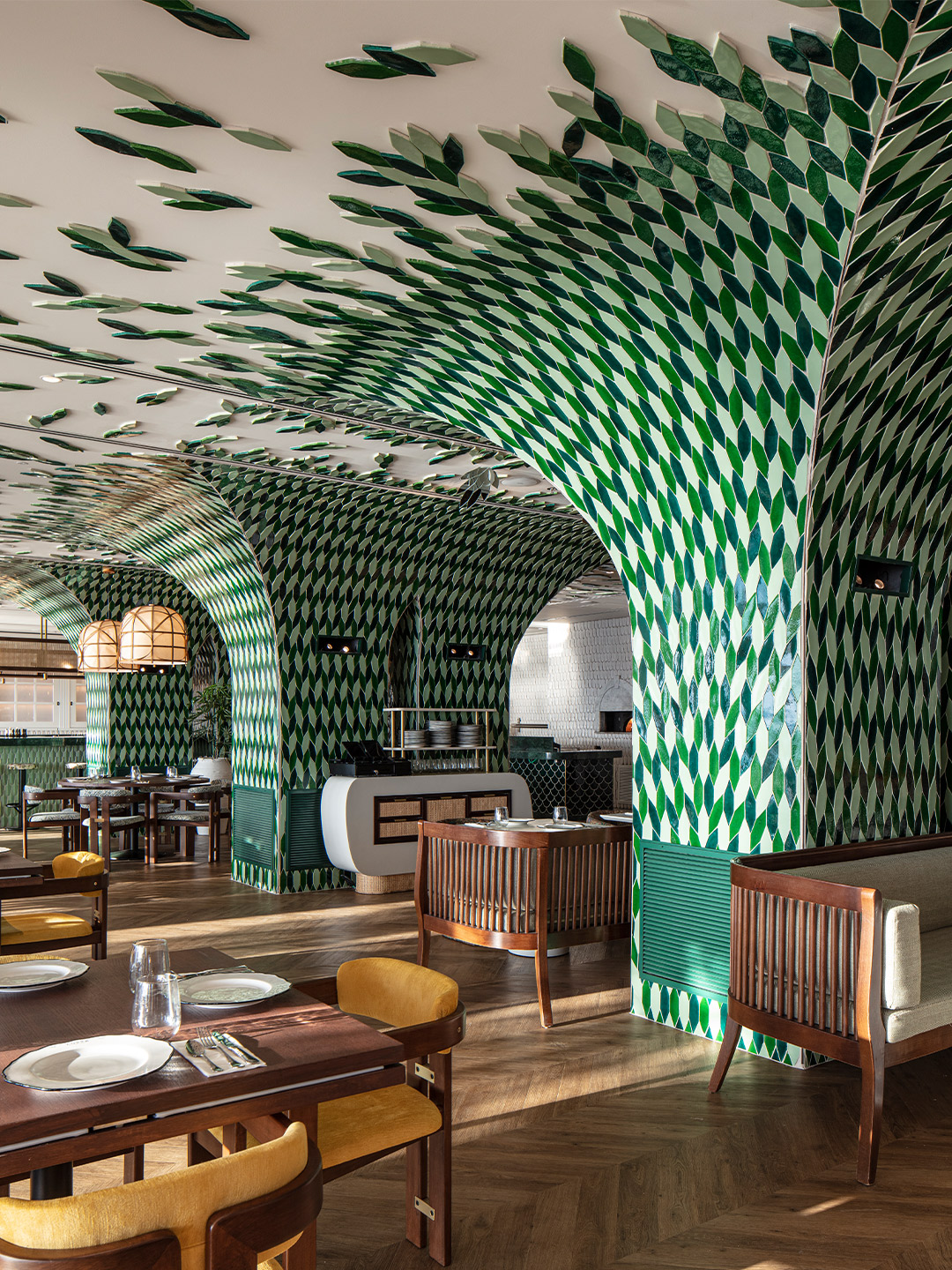
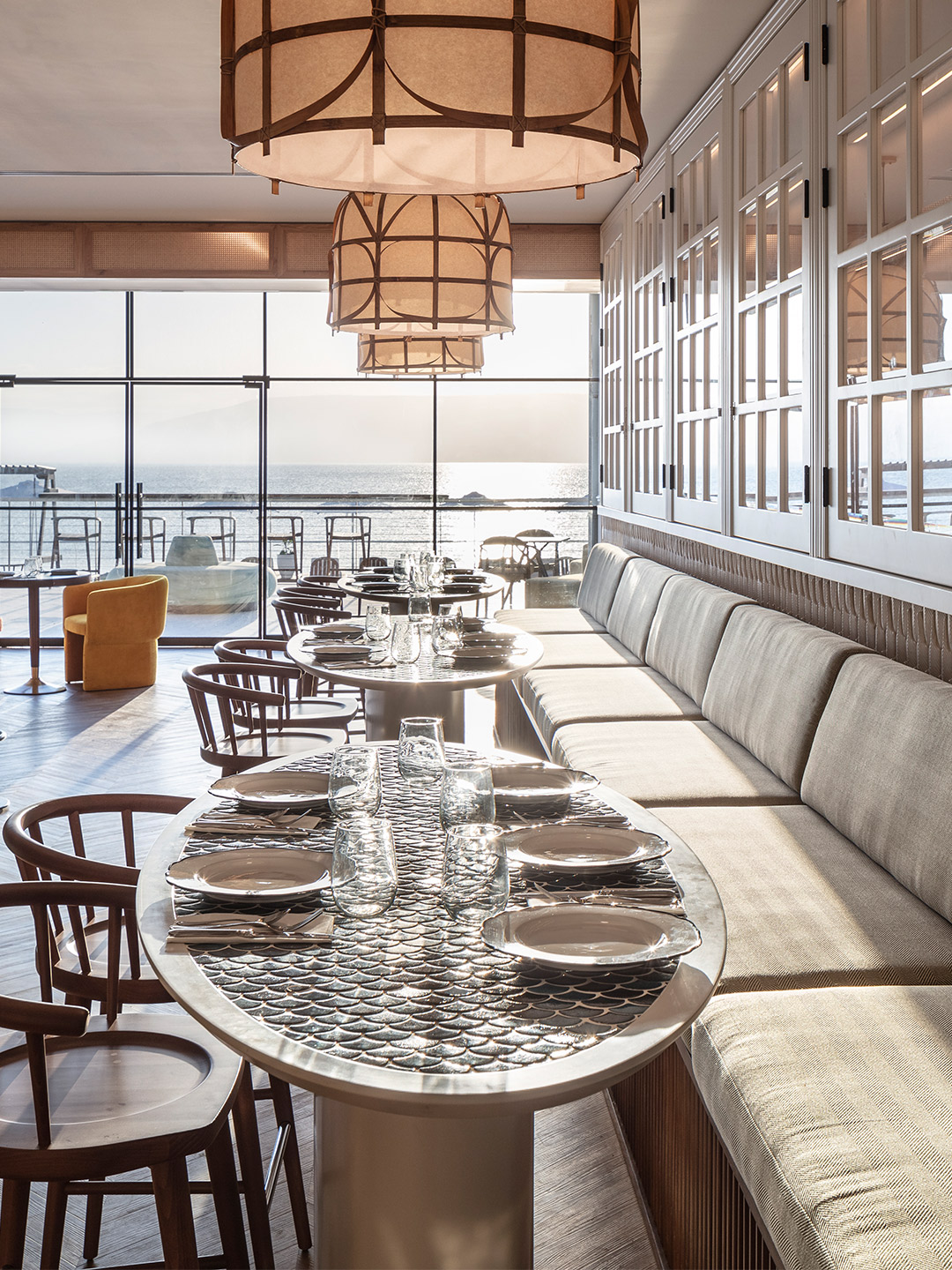
Keen to retain the spirit of the original hotel which hosted dignitaries, prime ministers and movie stars, the restaurant, named Lotte, was designed to be a drawcard, celebrated with a lively main dining room. Accessible from the lobby, the entry to the restaurant is through an arched timber doorway where guests are met with an explosion of green. “We wanted to create a definition between the hotel and restaurant which is a destination for locals too,” says Saar.
Thick columns rise up from the walls, forming an arced, tunnel-like silhouette lined in emerald and pistachio coloured tiles that splinter and fragment when they reach the ceiling. Saar explains the design was inspired by olive trees. “I wanted to create something like a statue that represented the tree,” he says. “We created a pattern by arranging the tiles, mapping the ceiling and placing them in a kind of a puzzle.”
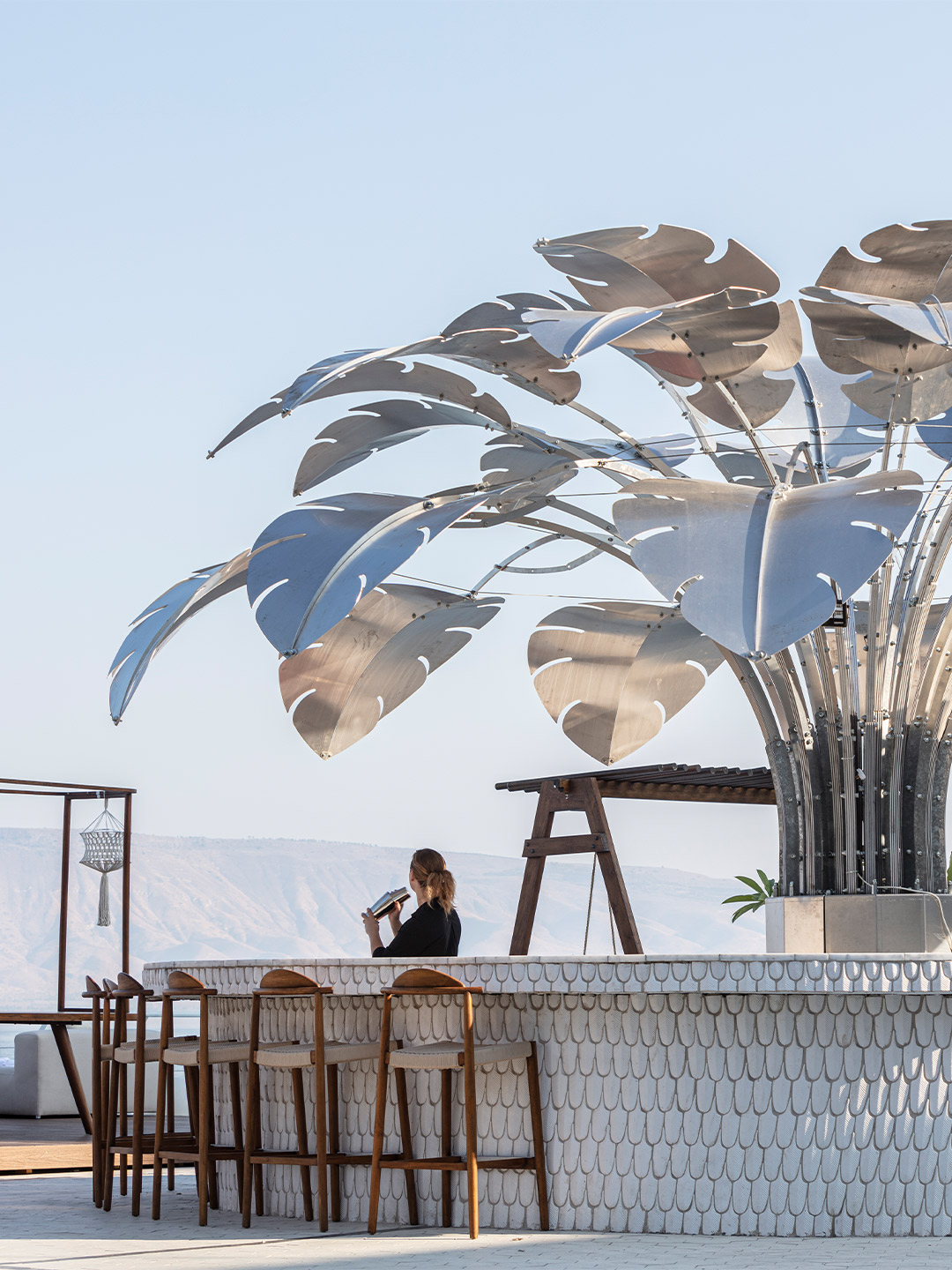
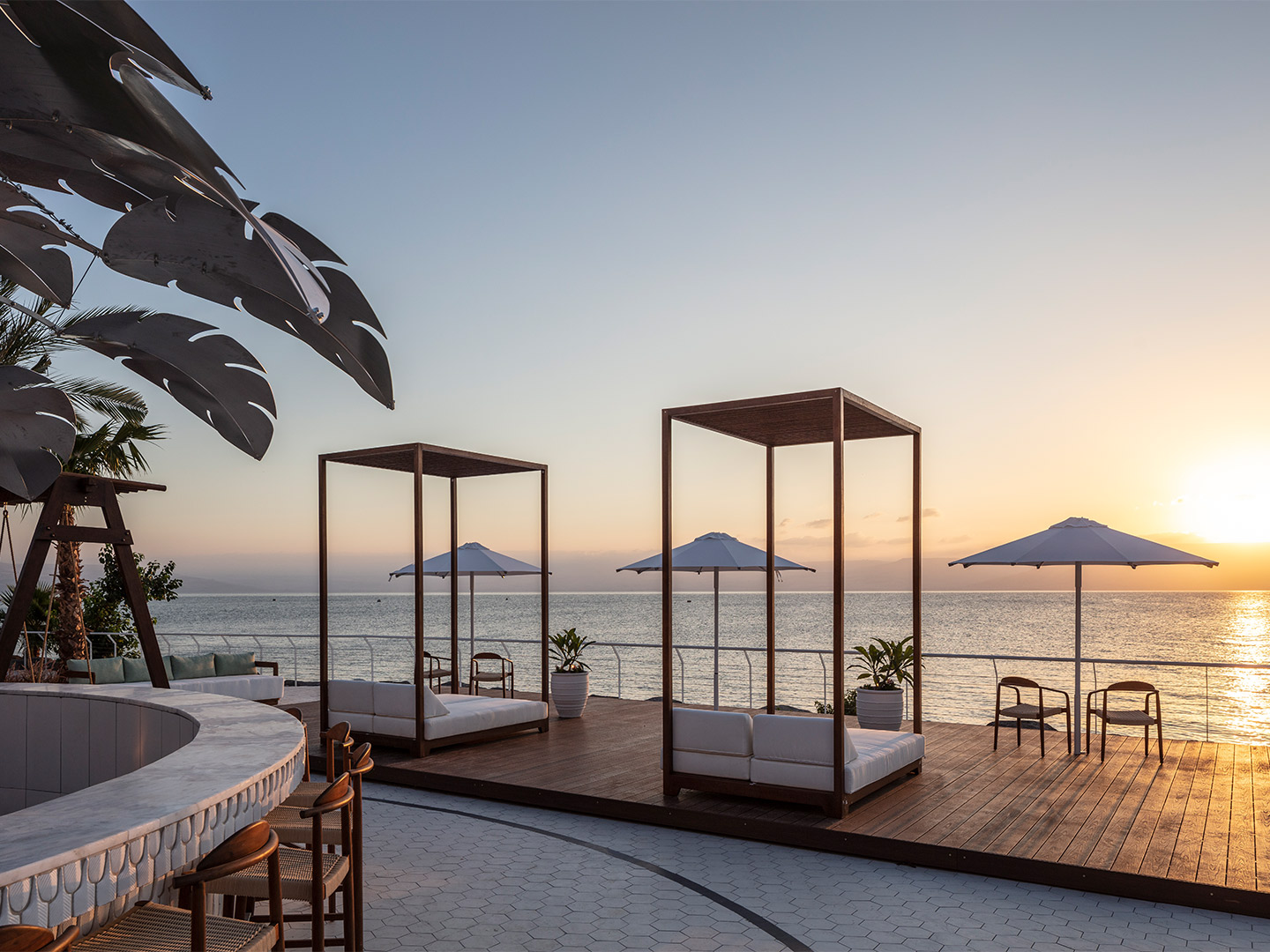
Outside, multidisciplinary artist and sculptor Gilad Kenan created a giant 7-metre high, 5-metre wide aluminium sculptural tree blooming out from the centre of the circular bar, its immense scale offering shade to patrons as they sit with a drink. In homage to archaeological ruins found on the site that date back to the Roman and Byzantine eras (they are now protected by the Israel Antiquities Authority), sculptor Yuval Lufen recreated the artefacts which were then submerged into glass panes at the base of the hotel’s swimming pool, acting as a reminder to guests of what was once there.
galei-kinneret.com; saarzafrir.com
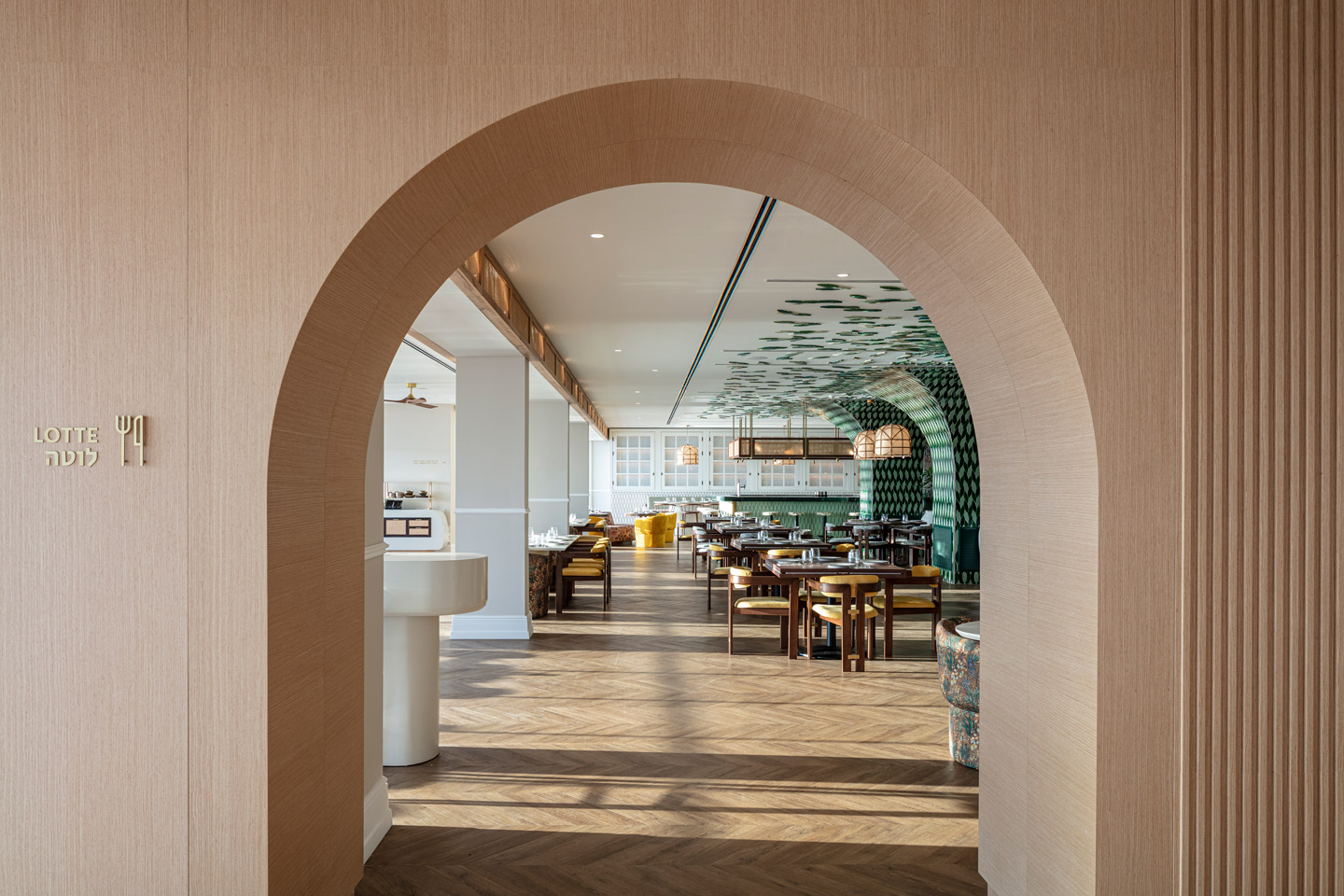
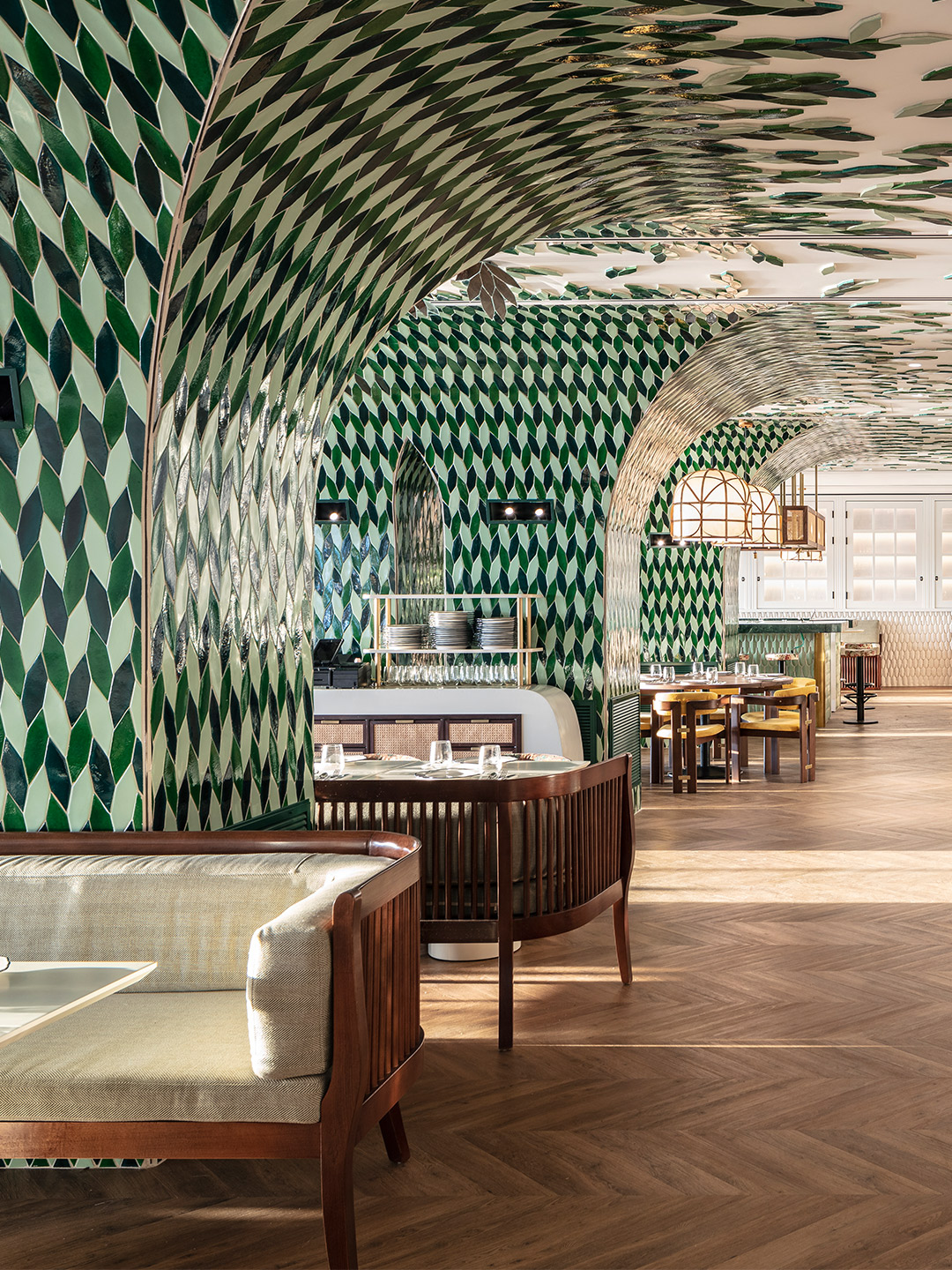
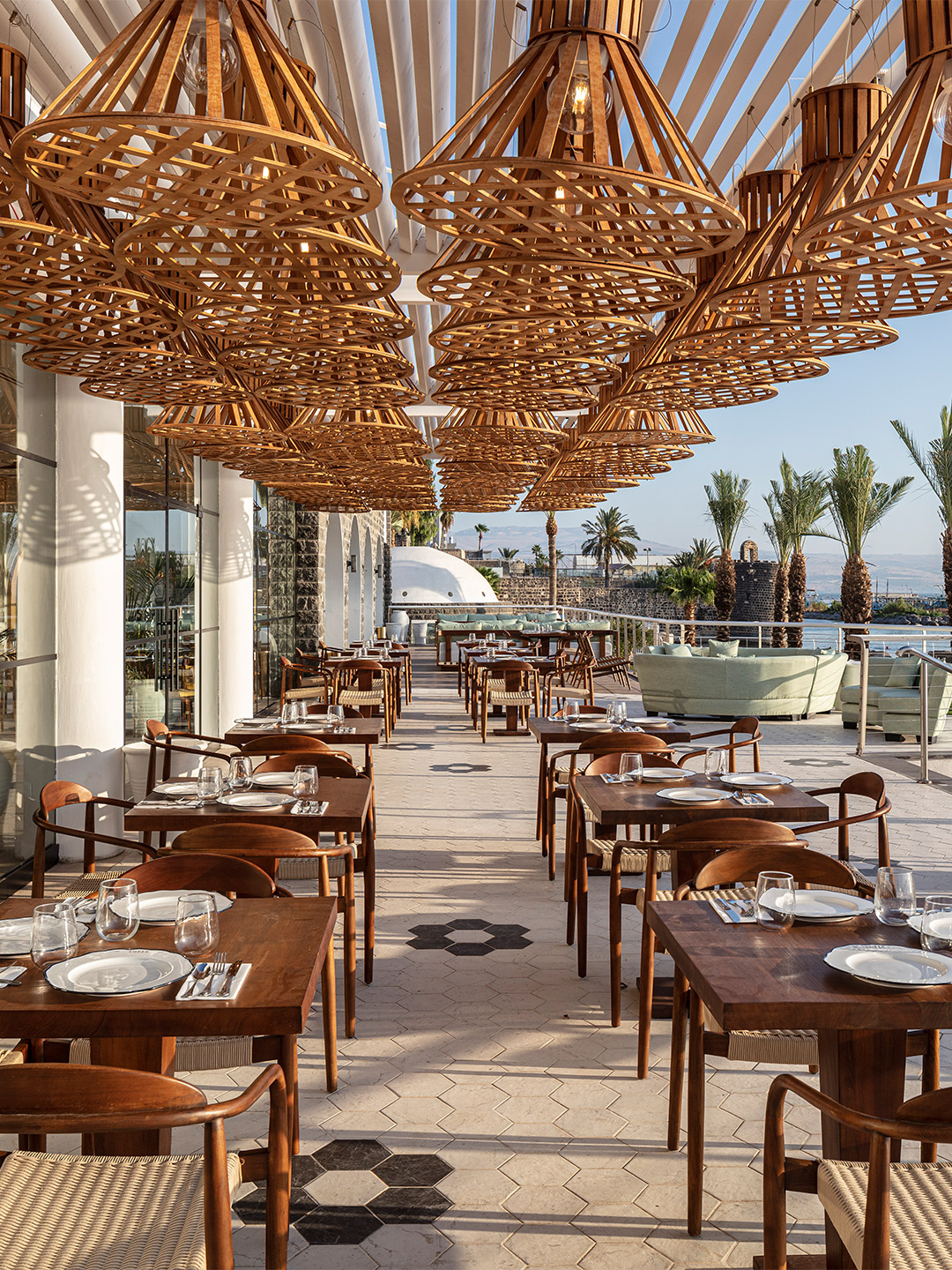
Aside from the restaurant, all of the public spaces and rooms are muted because I didn’t want to distract from the view.
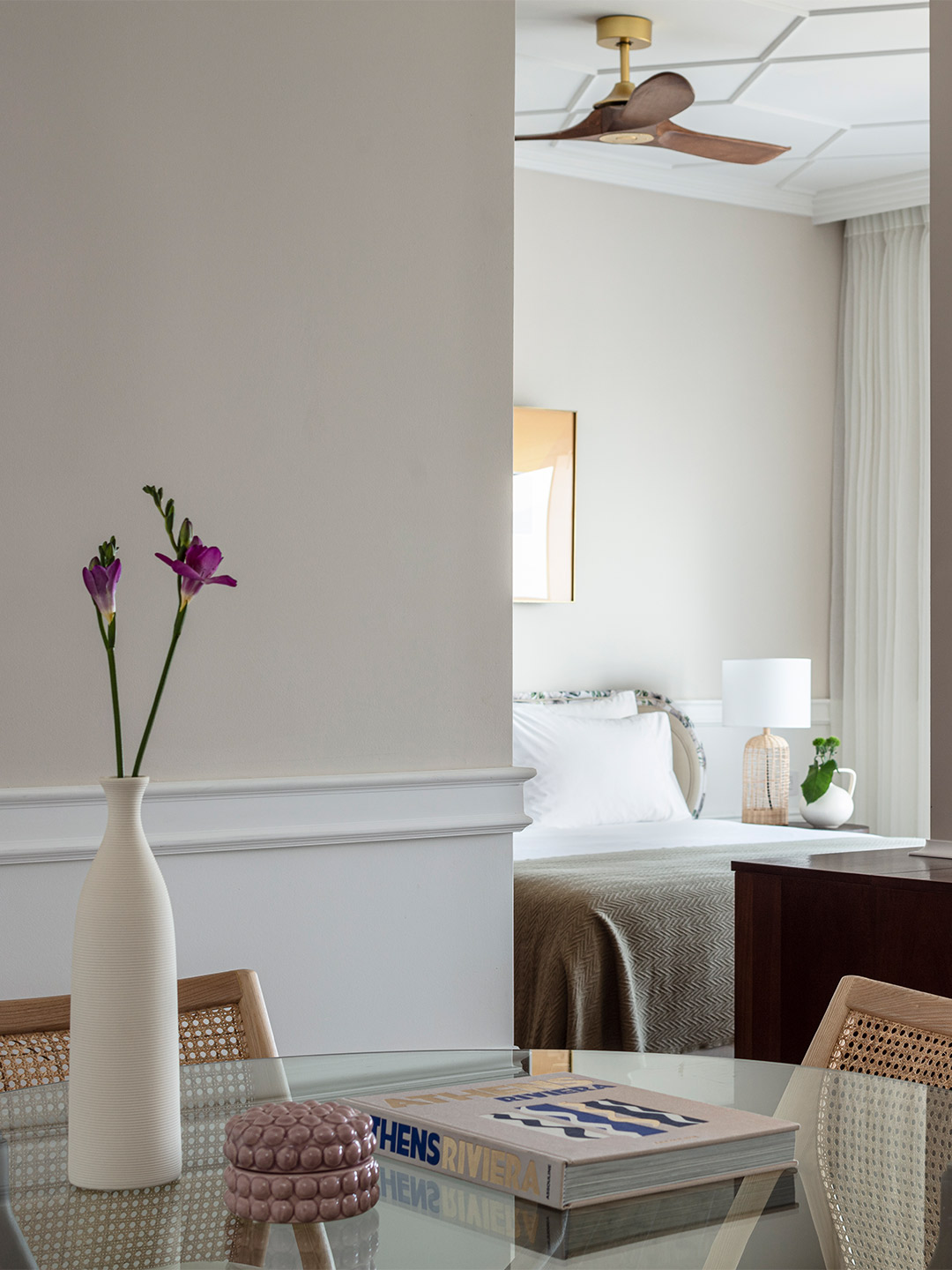
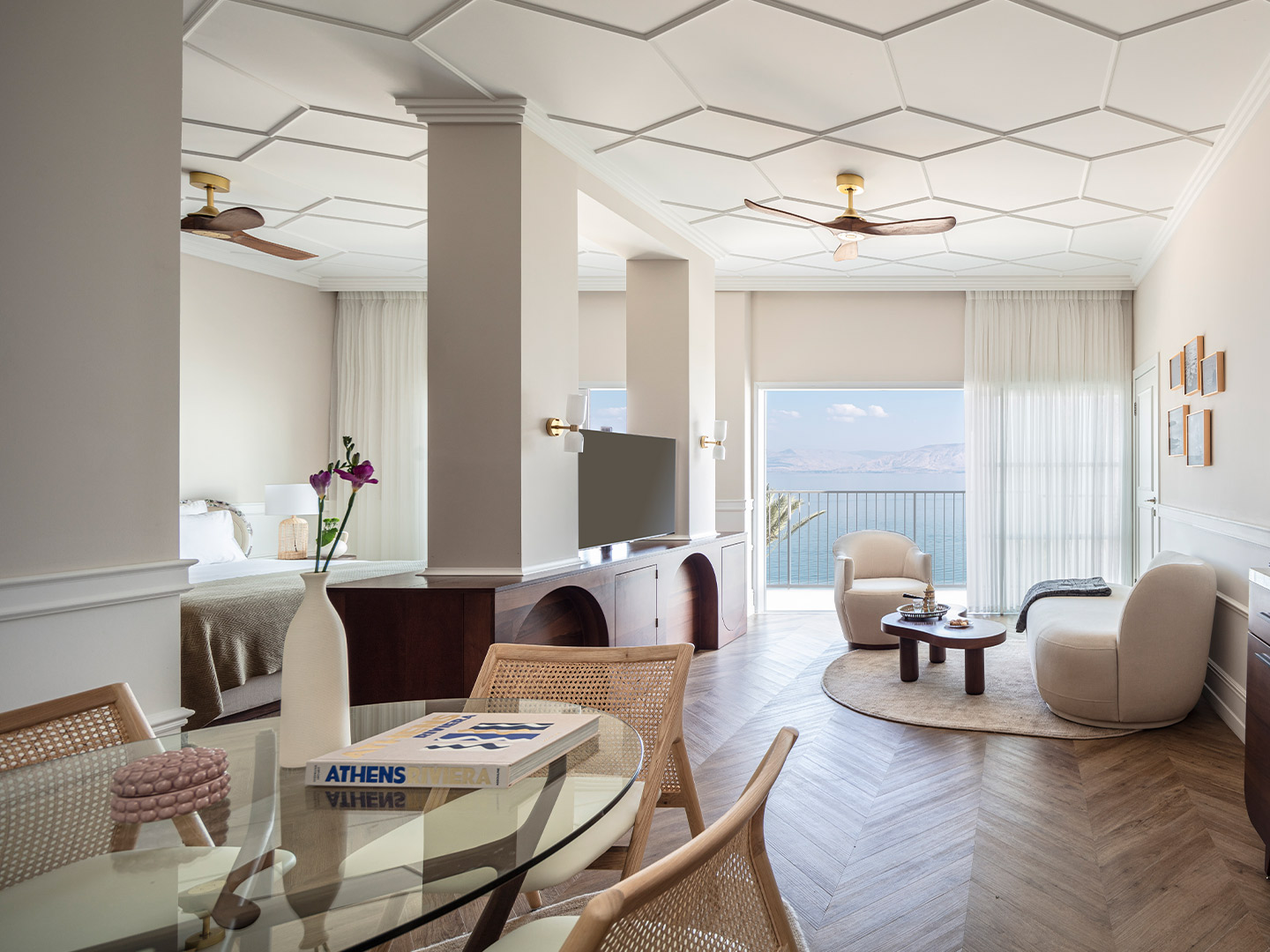
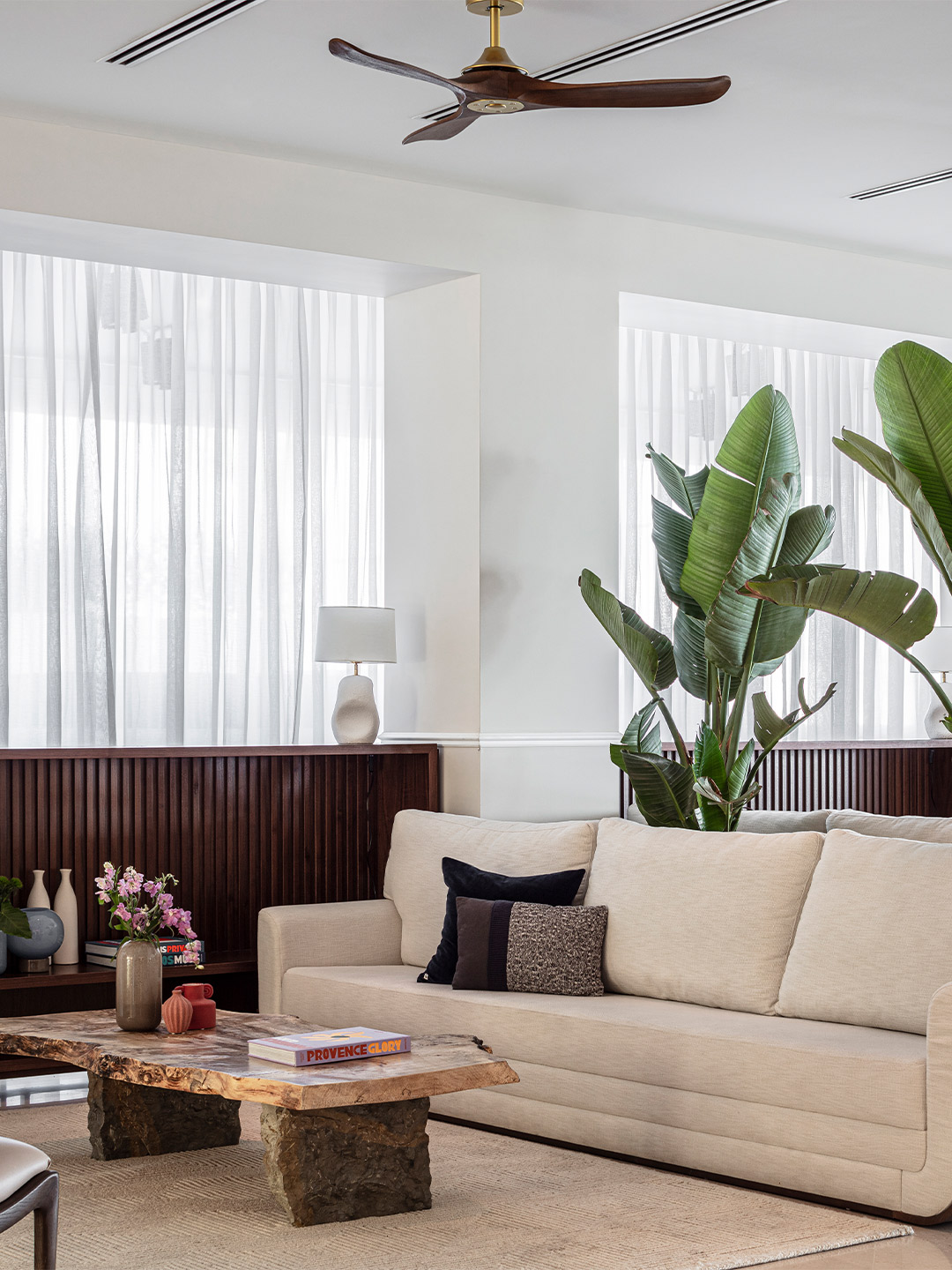
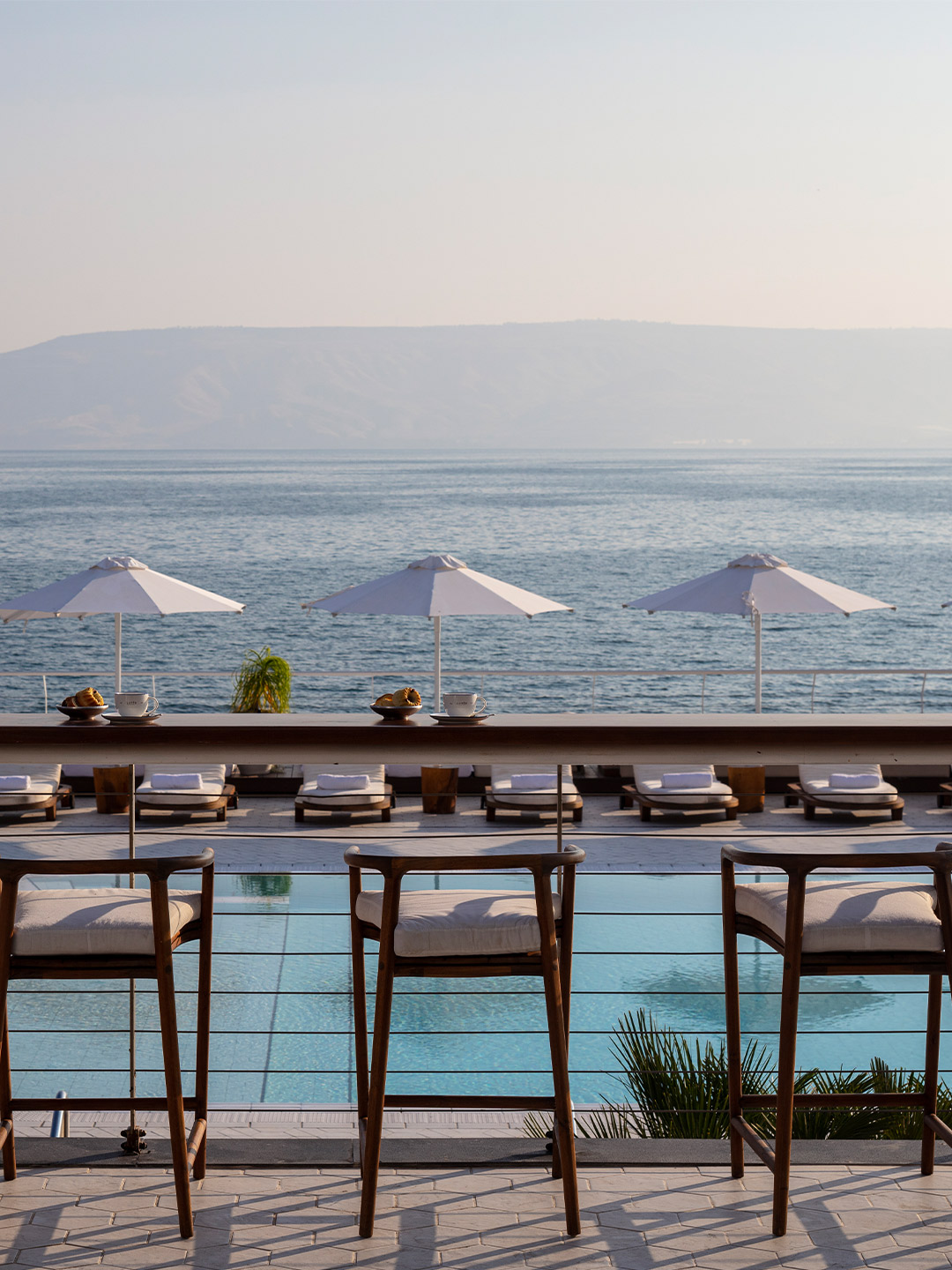
Love the Galei Kinneret Hotel in Israel by Saar Zafrir Design? Catch up on more architecture and design highlights. Plus, subscribe to receive the Daily Architecture News e-letter direct to your inbox.
Related stories
- Artful lodger: Inside the Ace Hotel Sydney by Flack Studio.
- Haute hotel: Inside the long-awaited Aman New York.
- Checking in: Downtown LA Proper Hotel by Kelly Wearstler design studio.
- Inside the Saint-André des Arts Hotel in Paris by Studio Chloé Nègre.
- Step inside Hotel June, the Proper’s suave Californian spin-off.
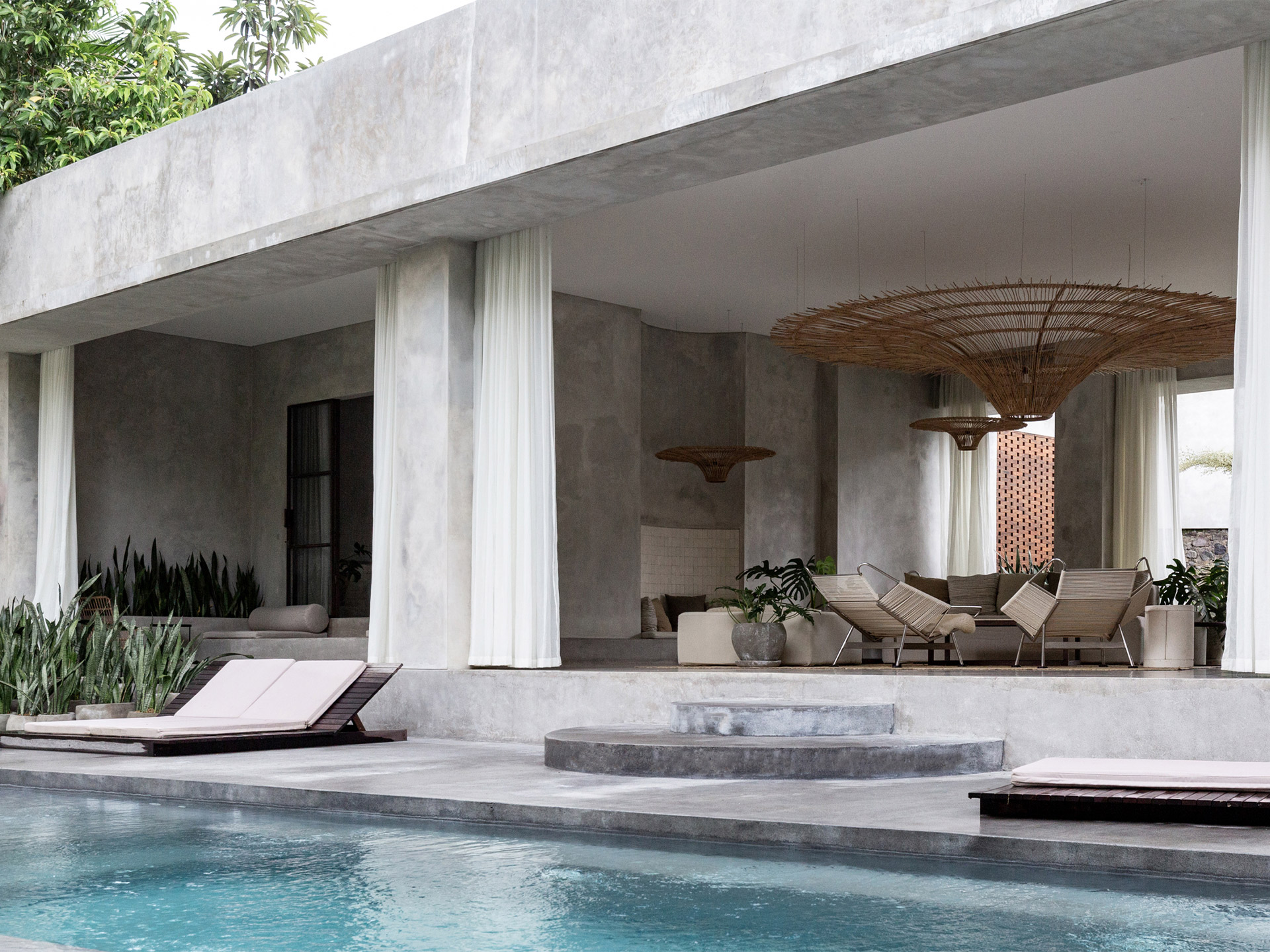
While the crisp geometries and clean lines of this villa are ultra-contemporary, the architectural concept is rooted in the traditional Balinese building style of the surrounding rice terraces. Appearing as water-filled steps in the hilly terrain, the graduated fields have been used by locals for centuries to aid in crop cultivation. Similarly, this home in the seaside village of Canggu on Bali’s south coast unfolds across three staggered platforms which, given the gently sloping plot of land, works to great effect.
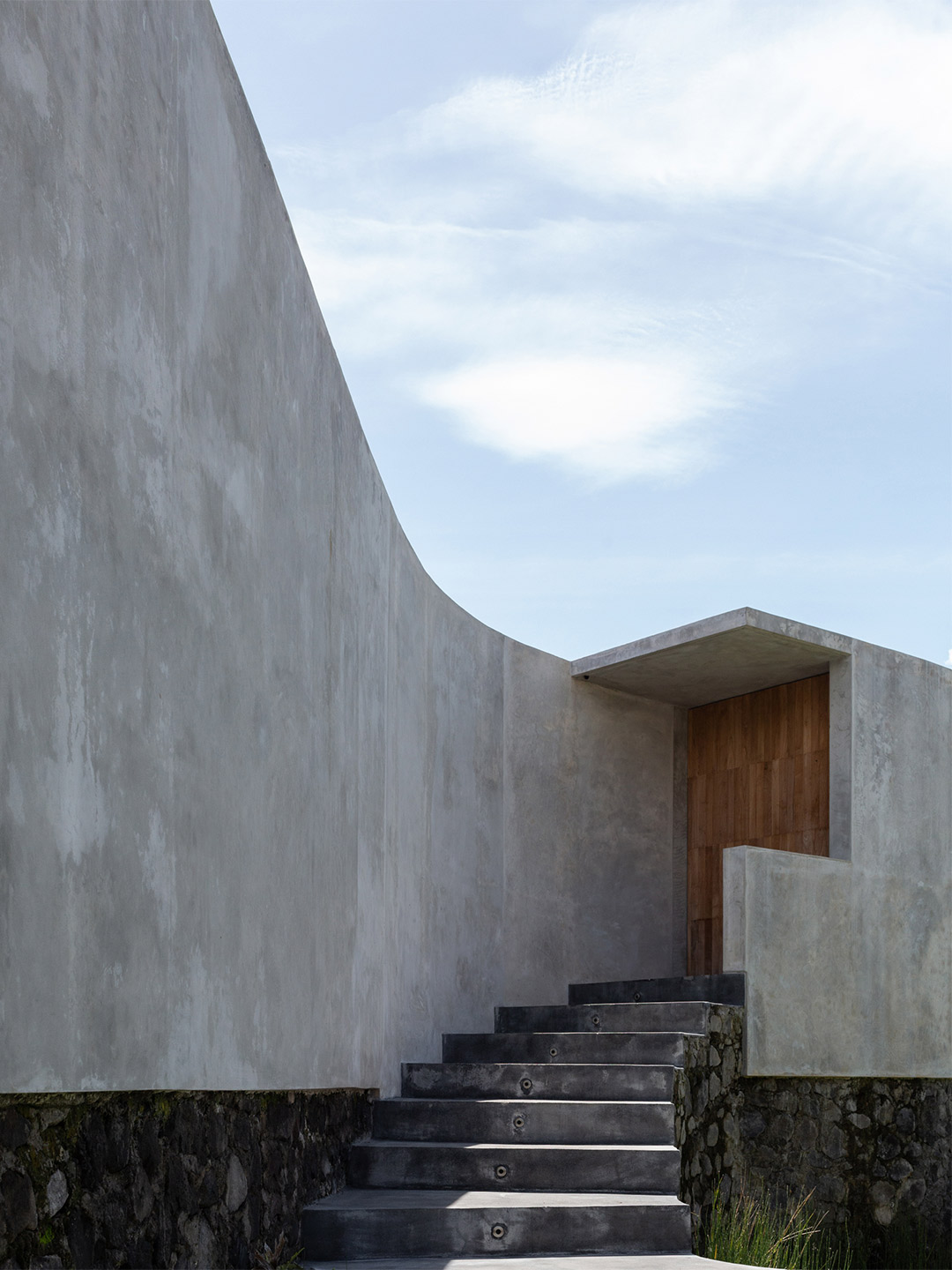
A minimalist facade with a curved wall clad in cream tiles serves as a slip entrance to the villa and was inspired by the arched ceilings of Sydney’s train tunnels, a feature the Australian owner researched as part of the project. At the top of the site are two bedrooms followed by a decline of fifteen stairs that wrap around the boundary wall, leading to a 180-square-metre open plan living zone (complete with an ice bath) and adjacent master bedroom.
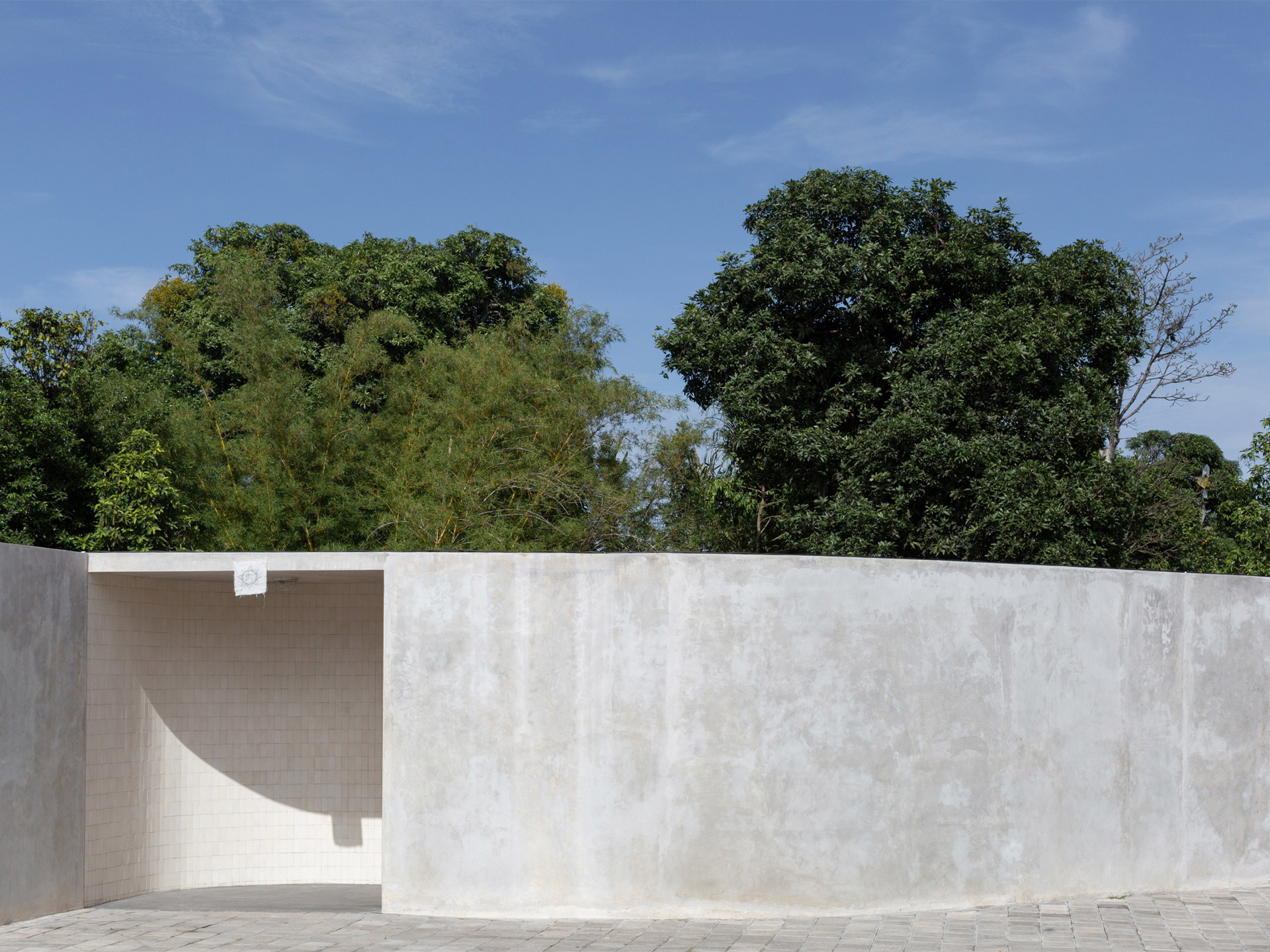
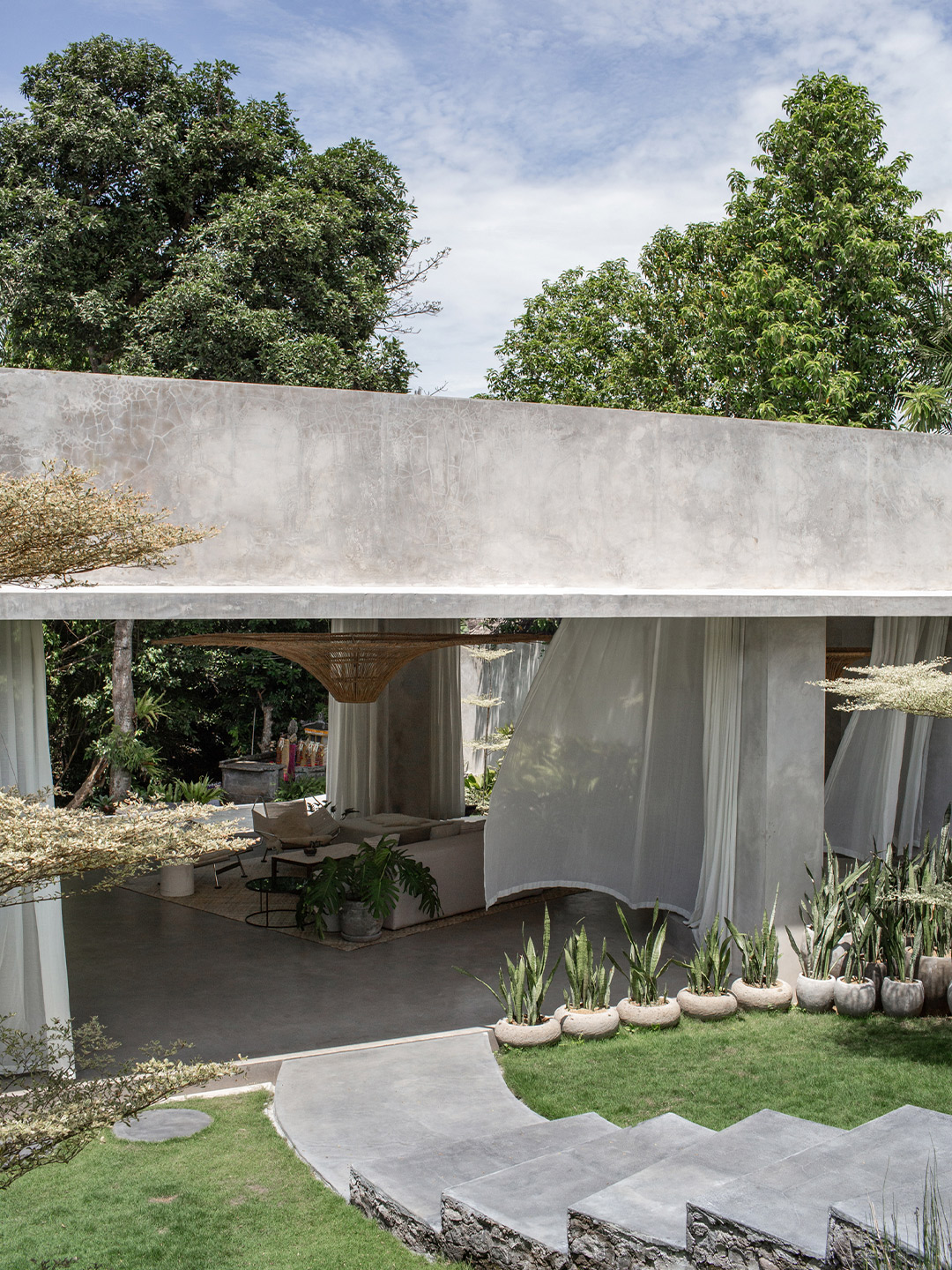
A tropical brutalist villa in Bali open to the elements
Above the central space lies an elevated split-level platform used as an open cinema room, with a projector to screen films directly onto the concrete wall. Below the open-air living area is a small patch of grass – a welcome suntrap – with another bedroom and, beneath that, following the angle of the site, is the swimming pool. A lush tropical garden and small river follows.
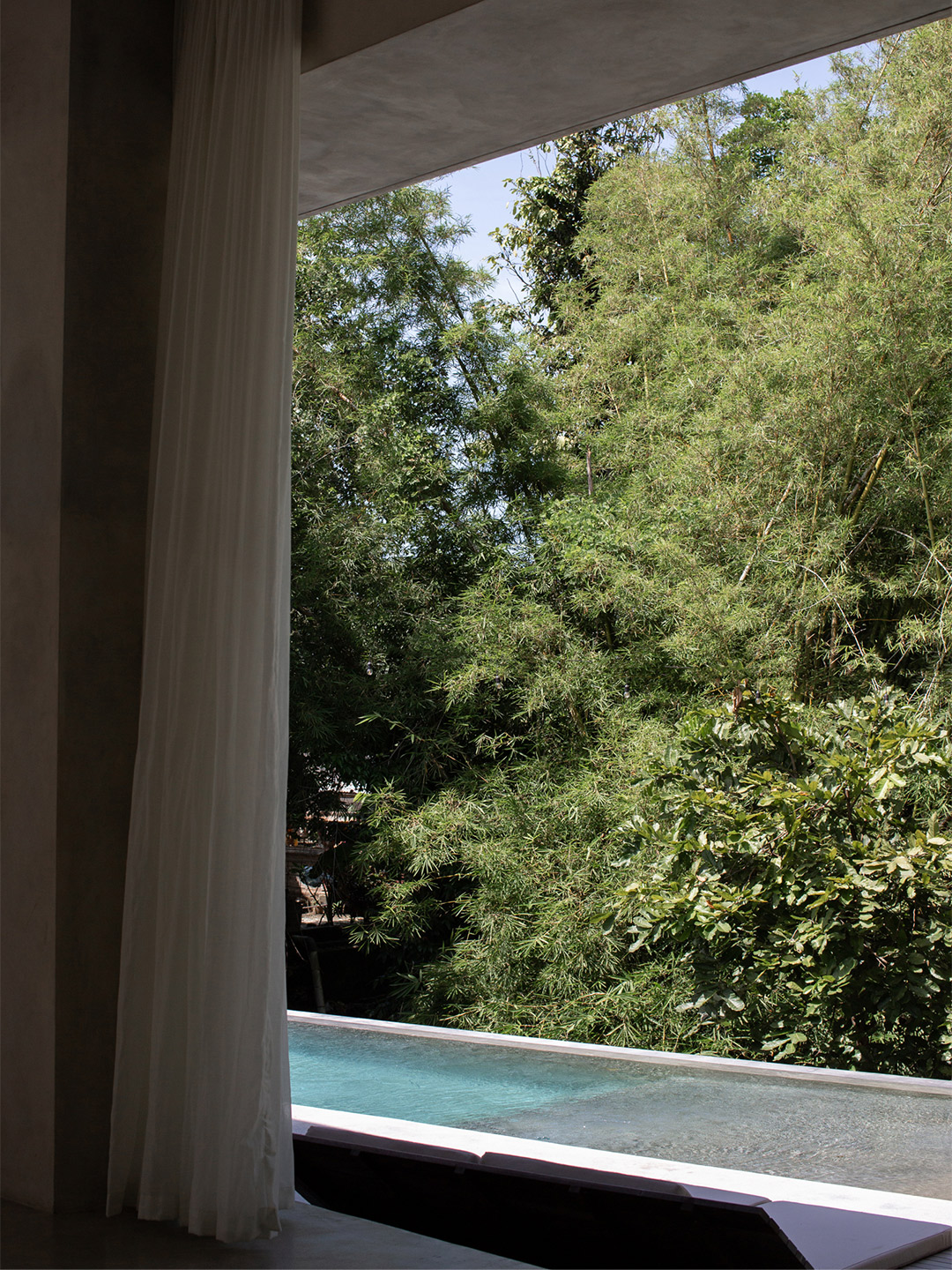
Designed to take full advantage of the sloping ground, the pool has a smooth descent with an easy graduation that mimics the sensation of going into the ocean. “There’s no jarring step – you can walk in gently so you feel like you’re in full control and sit with your head out and your body totally submerged in water,” says the owner and self-taught designer, Beau Bruderlin. “It works particularly well for people that don’t necessarily feel that comfortable swimming.”
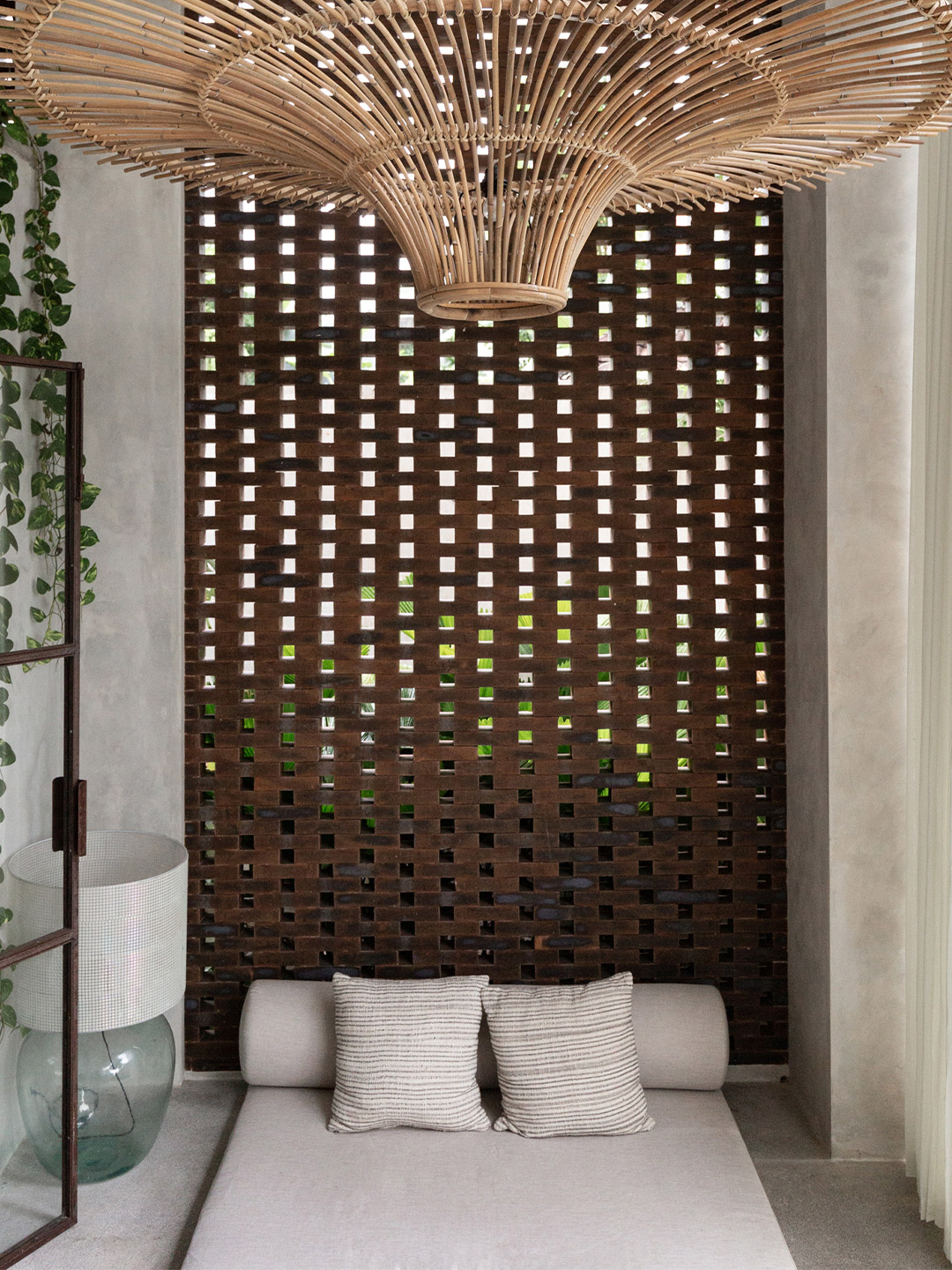
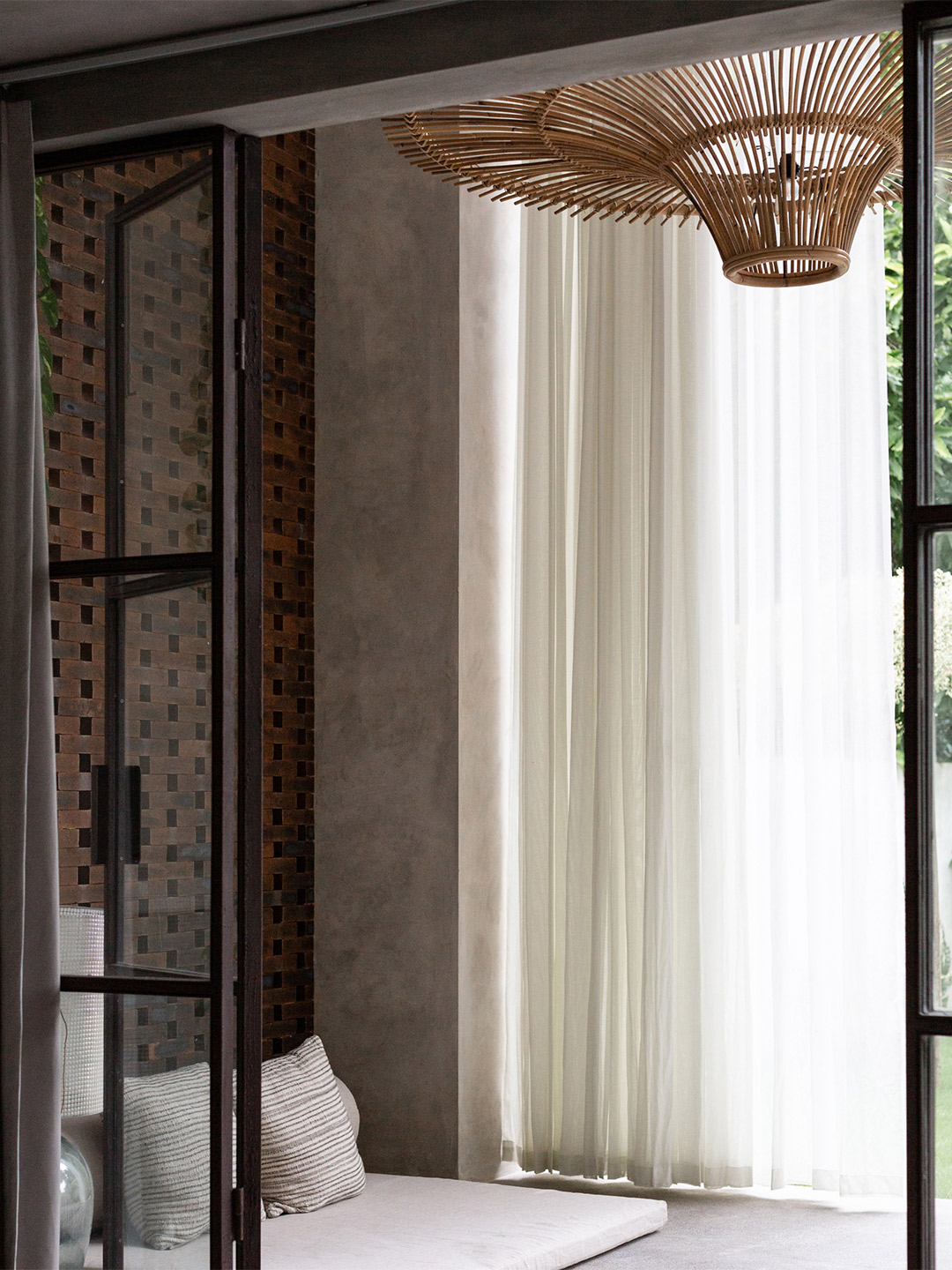
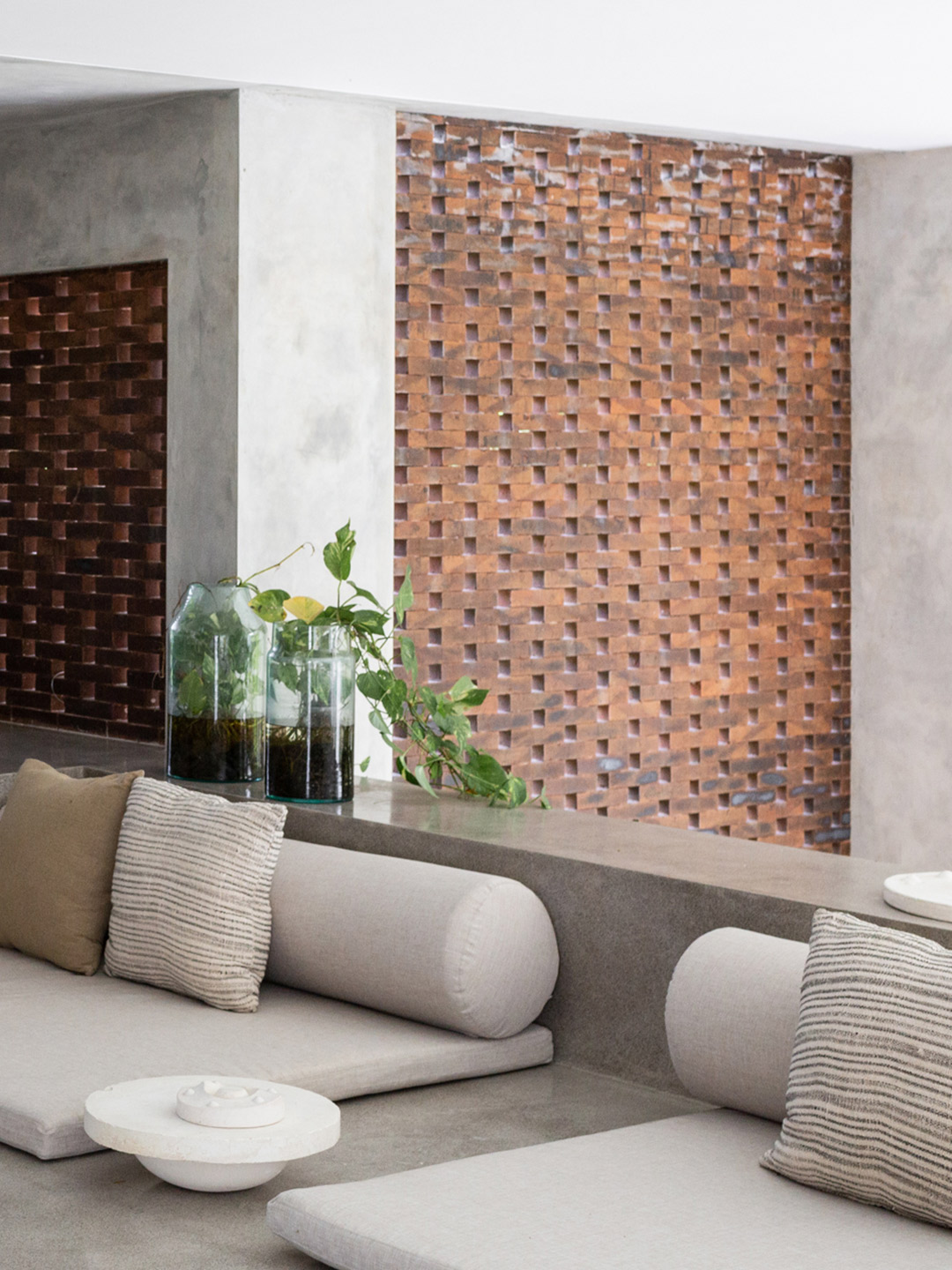
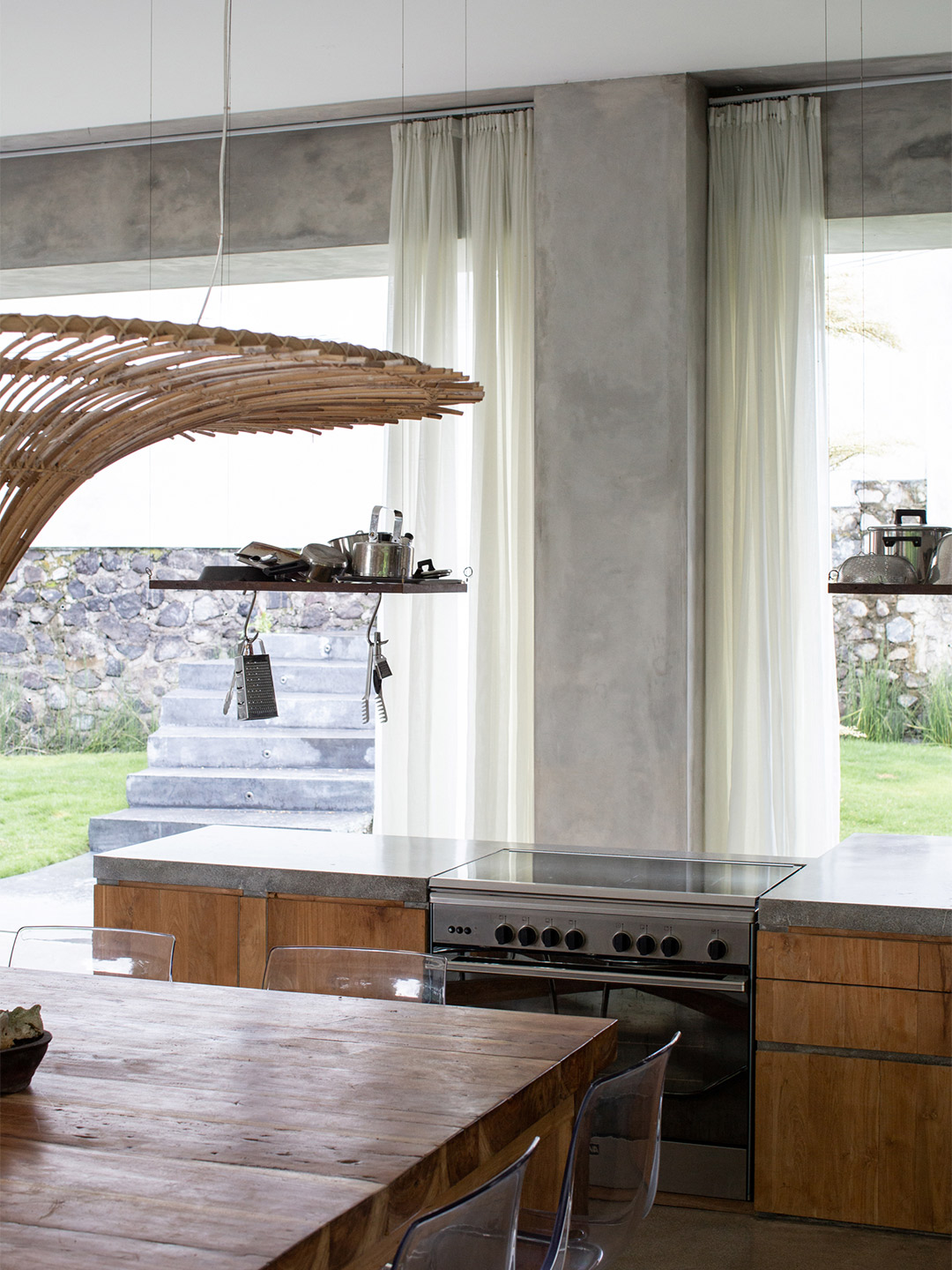
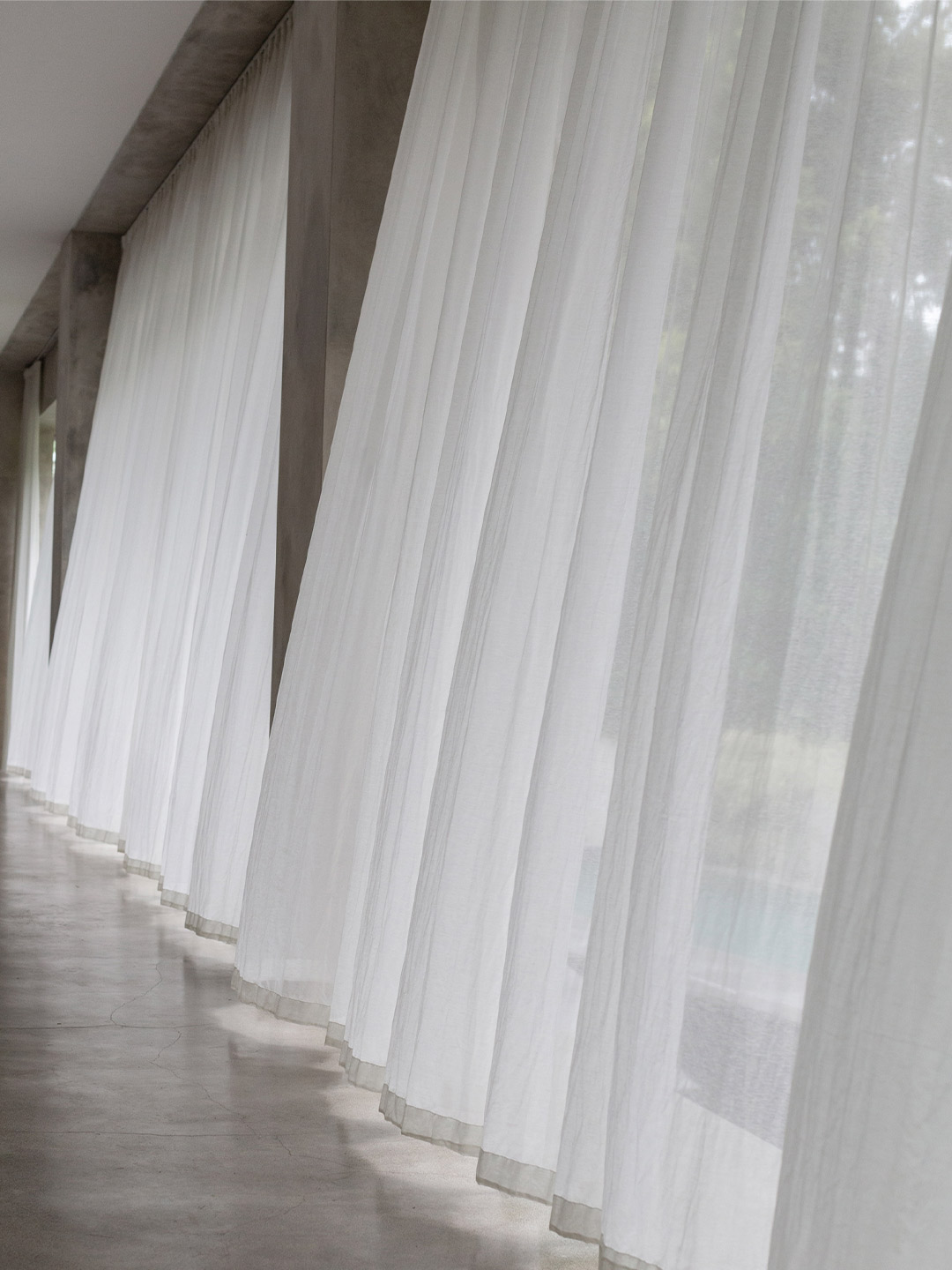
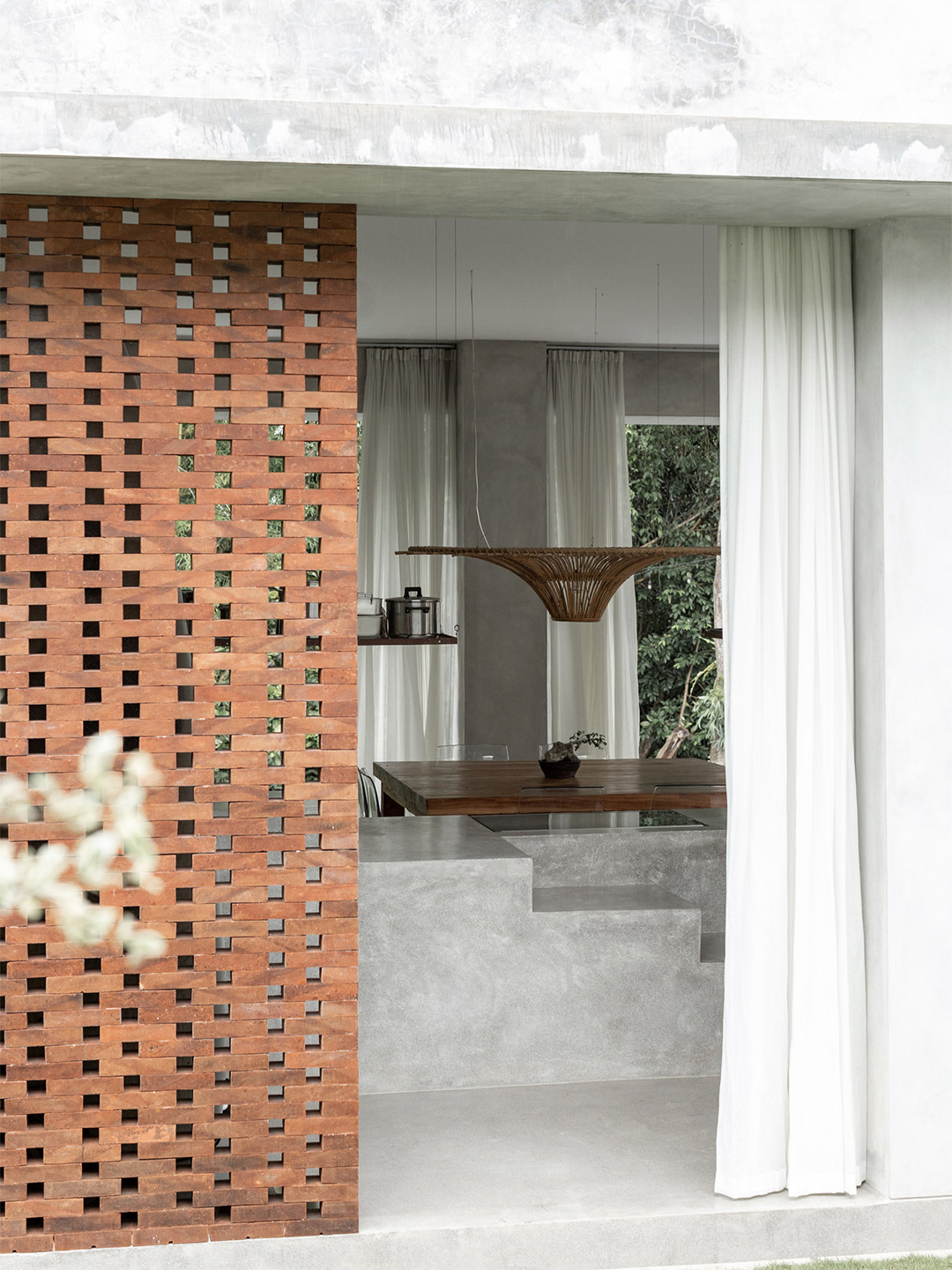
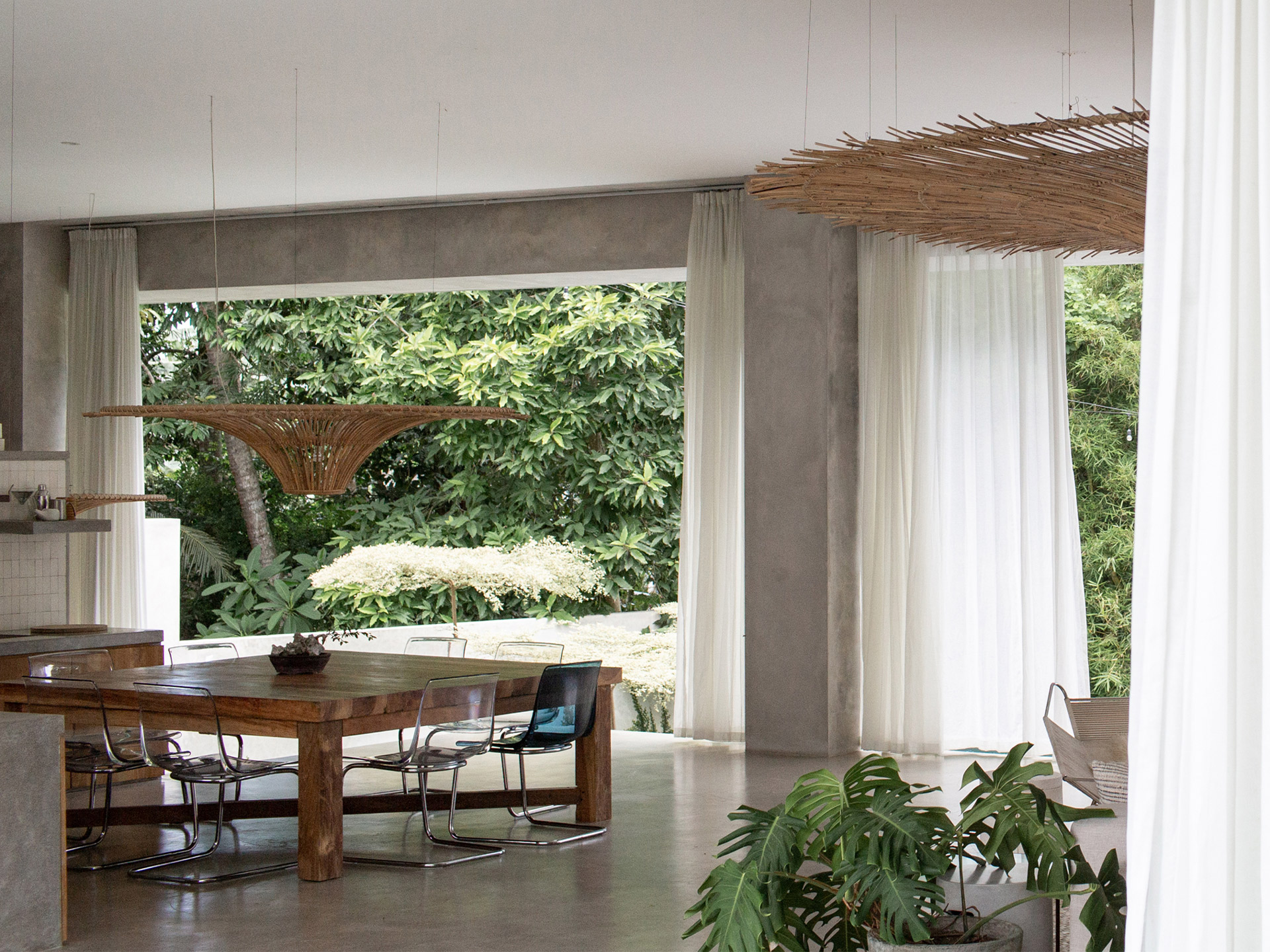
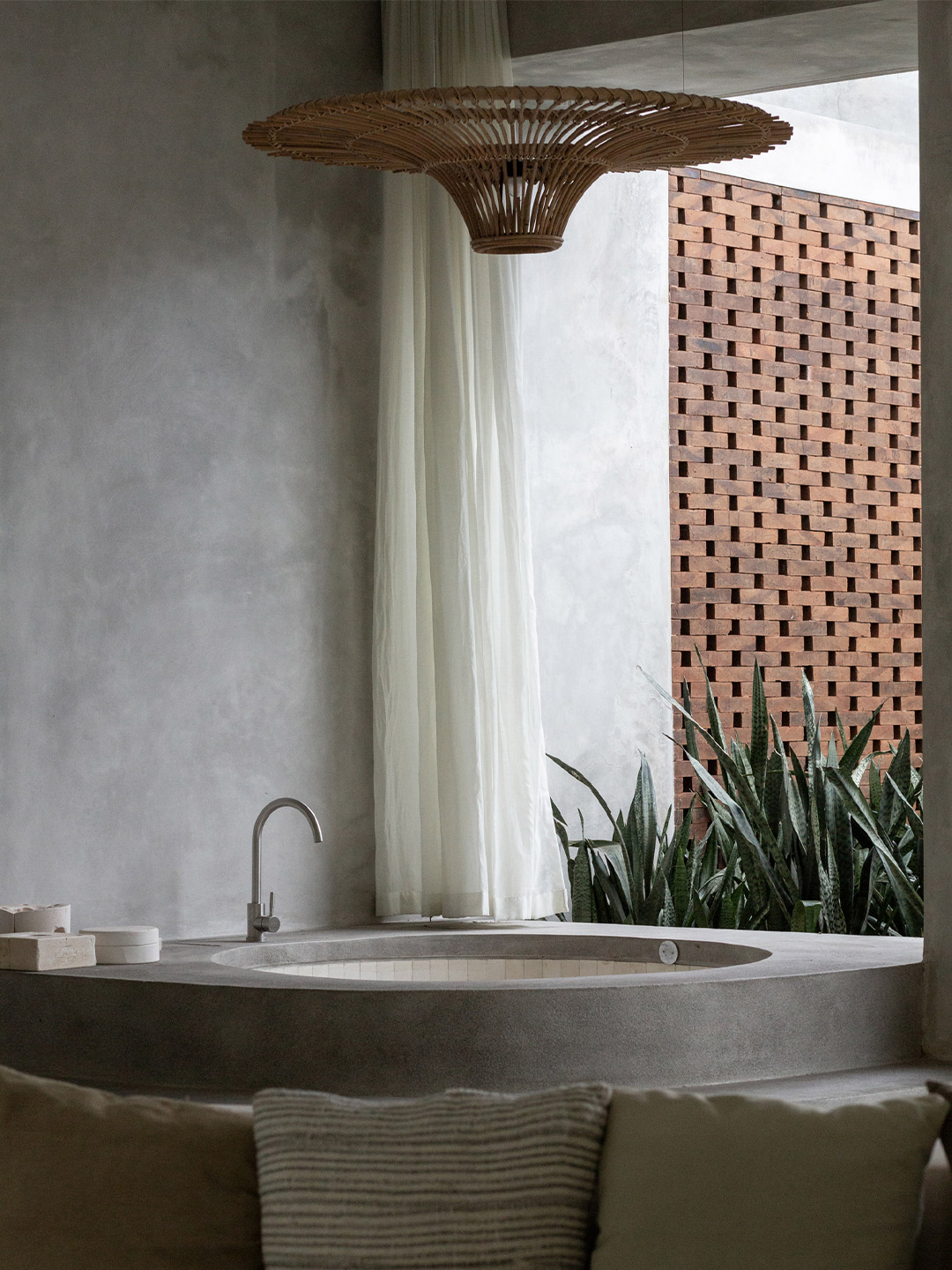
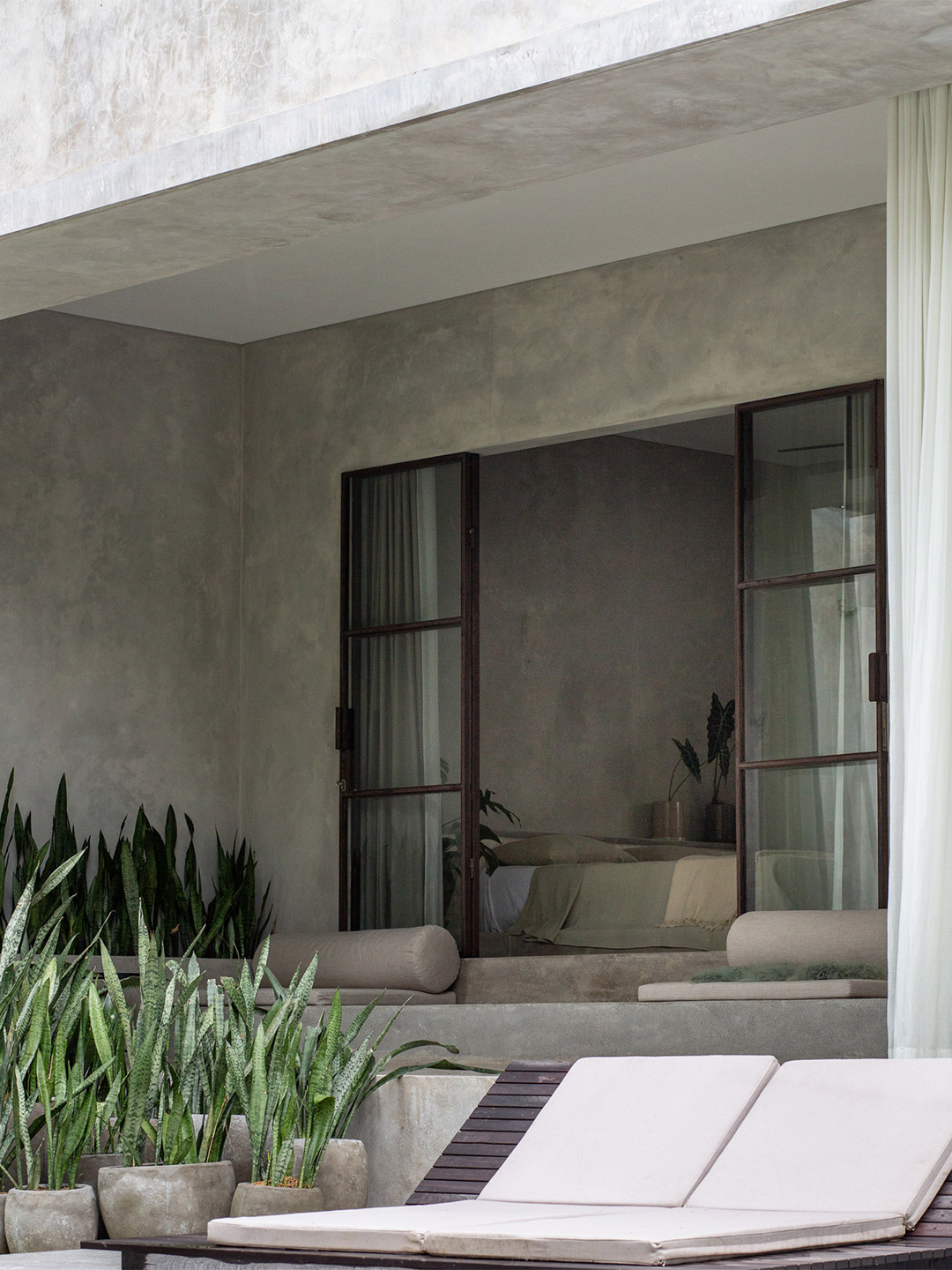
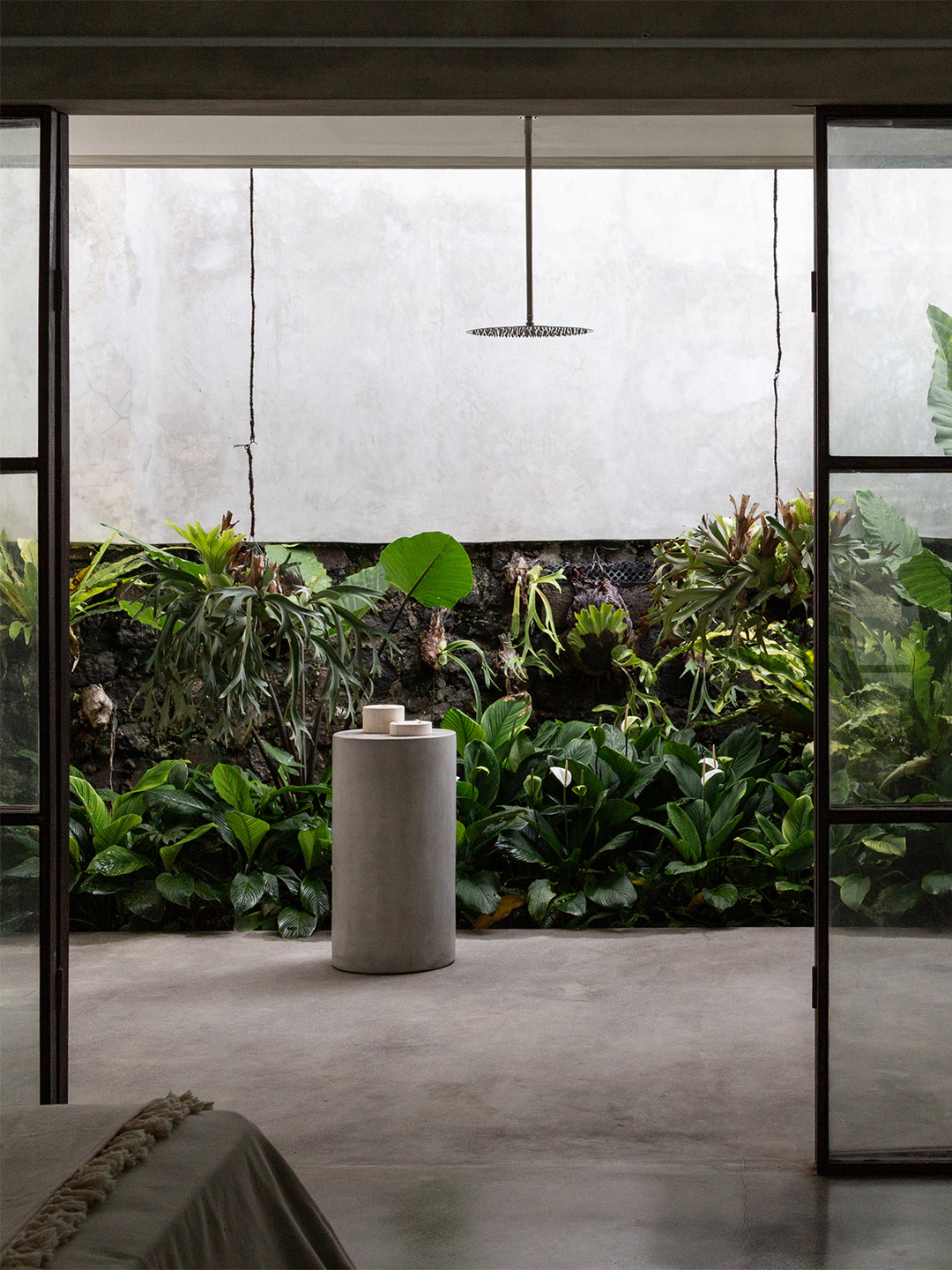
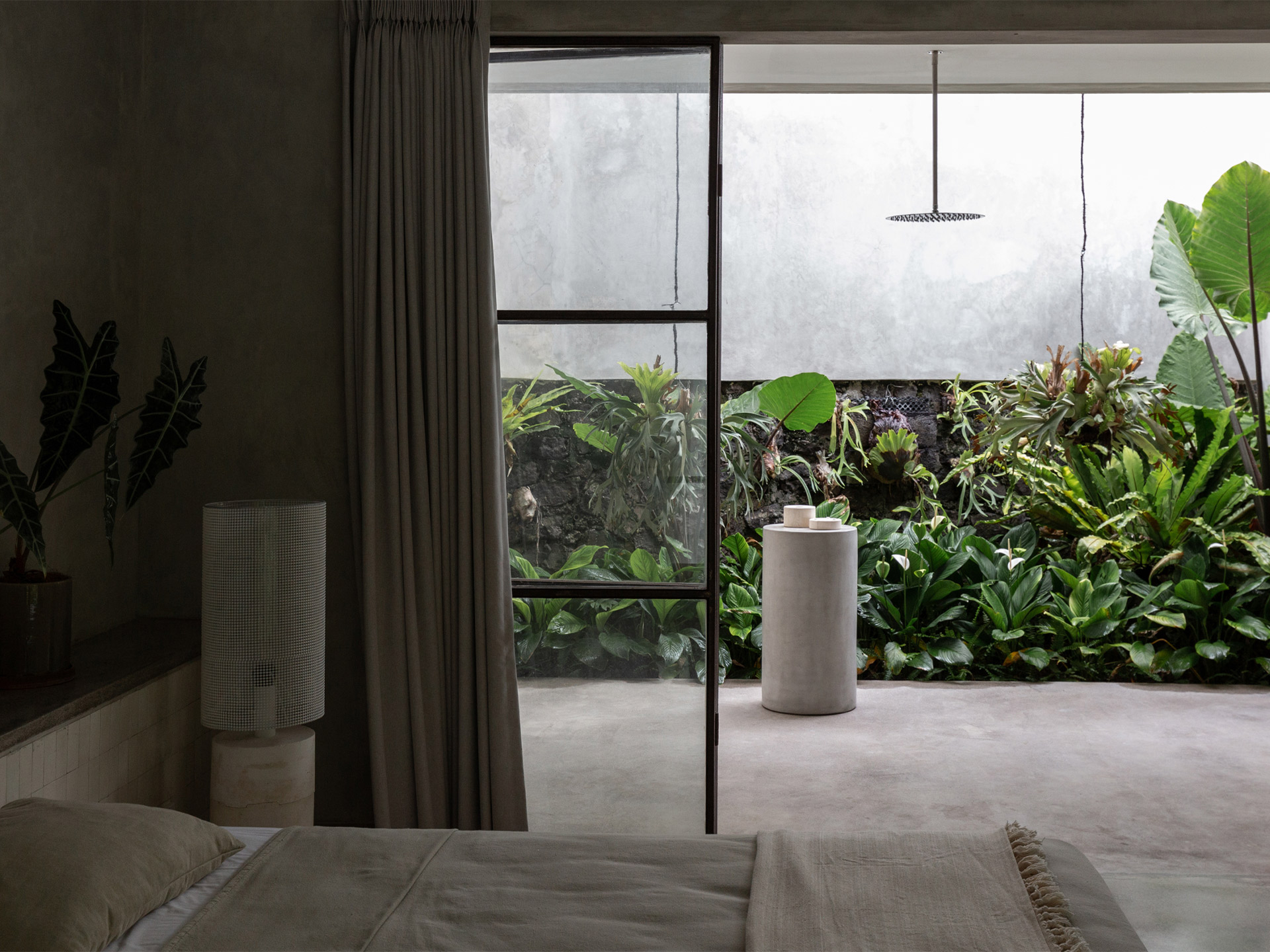
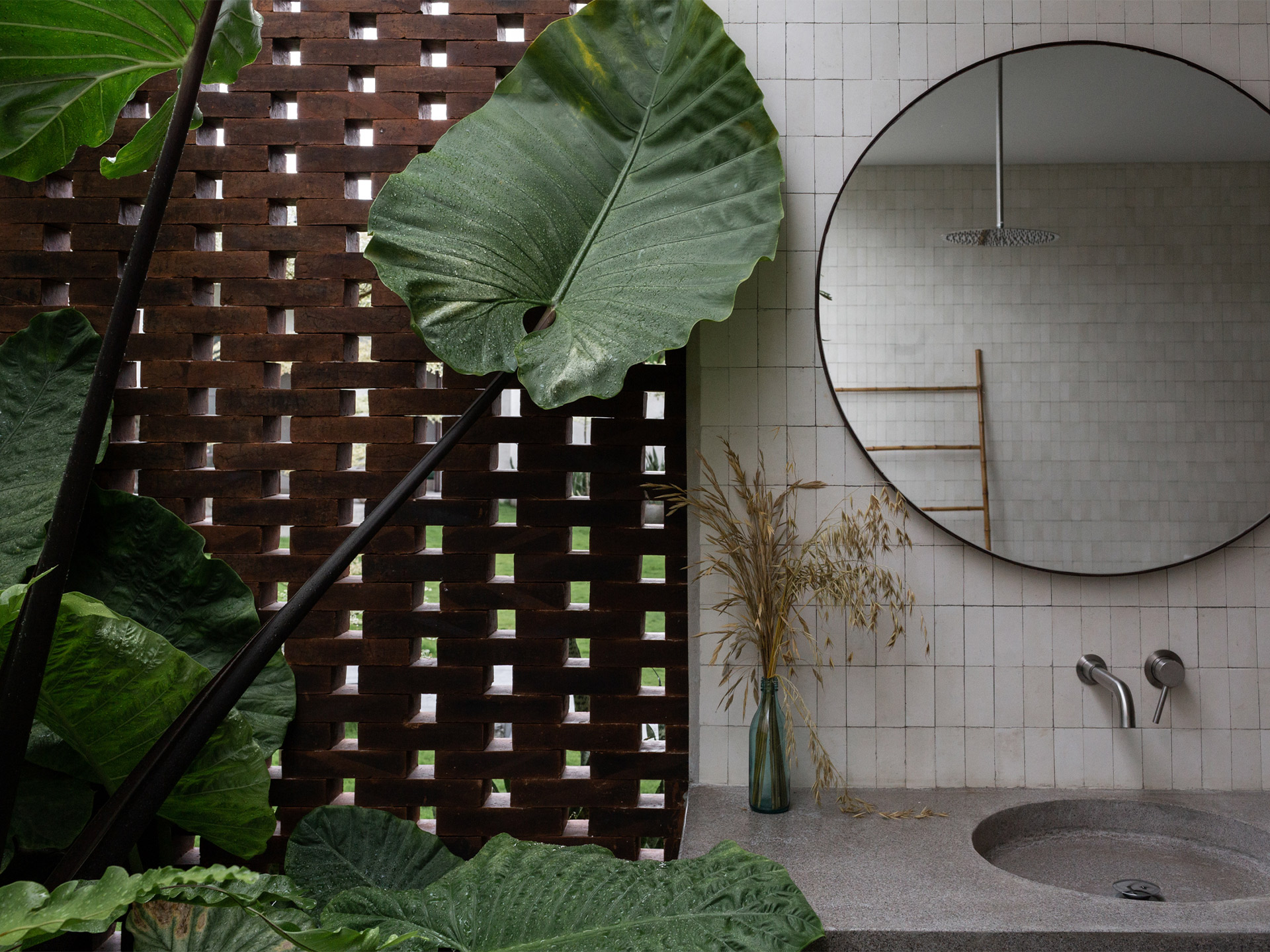
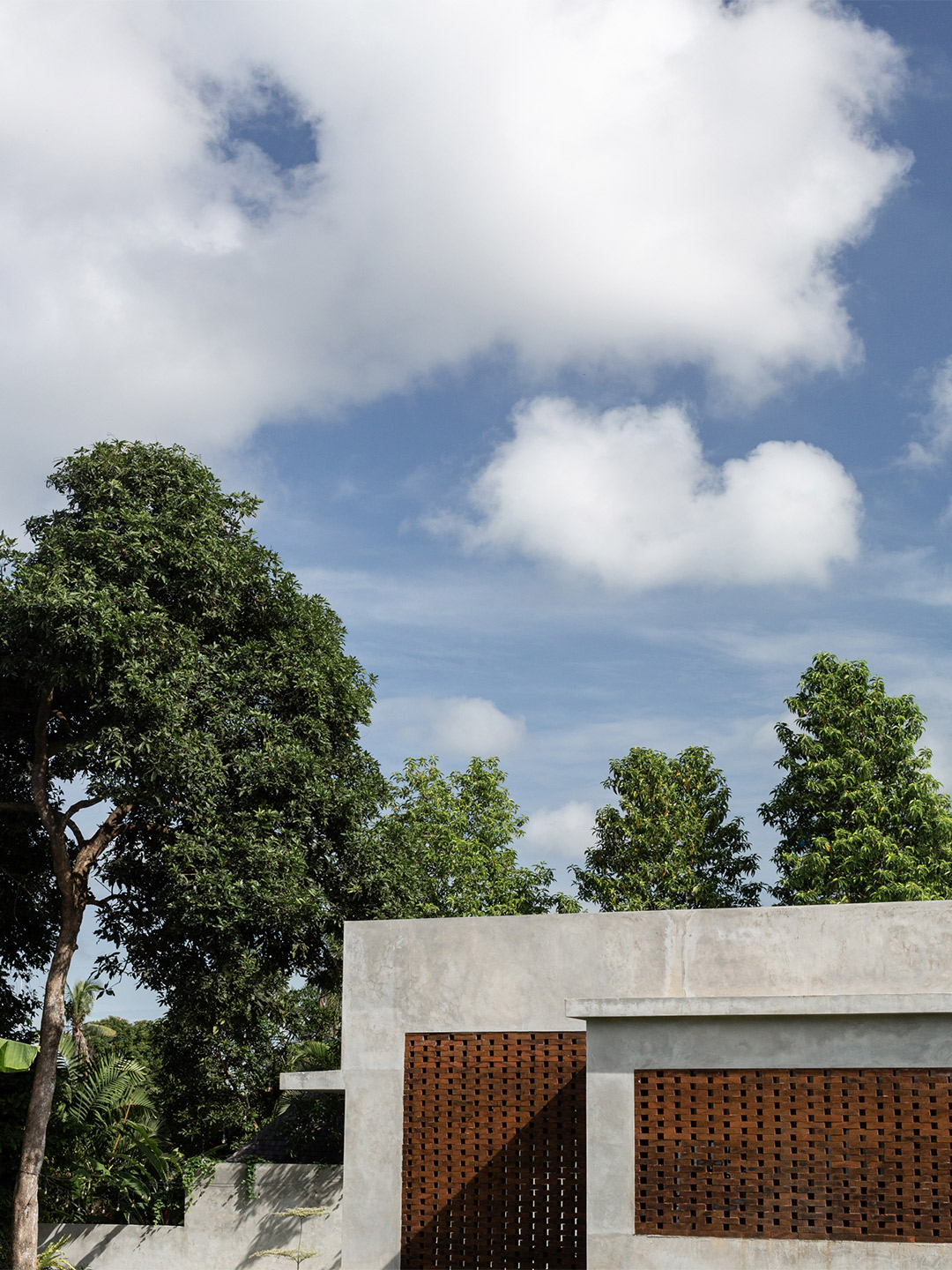
Given the isolated location, privacy wasn’t a concern for Beau, so he chose to completely expose the house to the elements, incorporating outdoor showers and avoiding solid walls where possible so that a breeze runs all the way through. Responding to the year-round humidity, the villa was designed to withstand the heat by way of natural ventilation rather than artificial cooling. This was achieved by incorporating walls of simple red bricks laid in a hit-and-miss arrangement – often seen in Asian temples – which allows air to flow through the gaps between each brick.
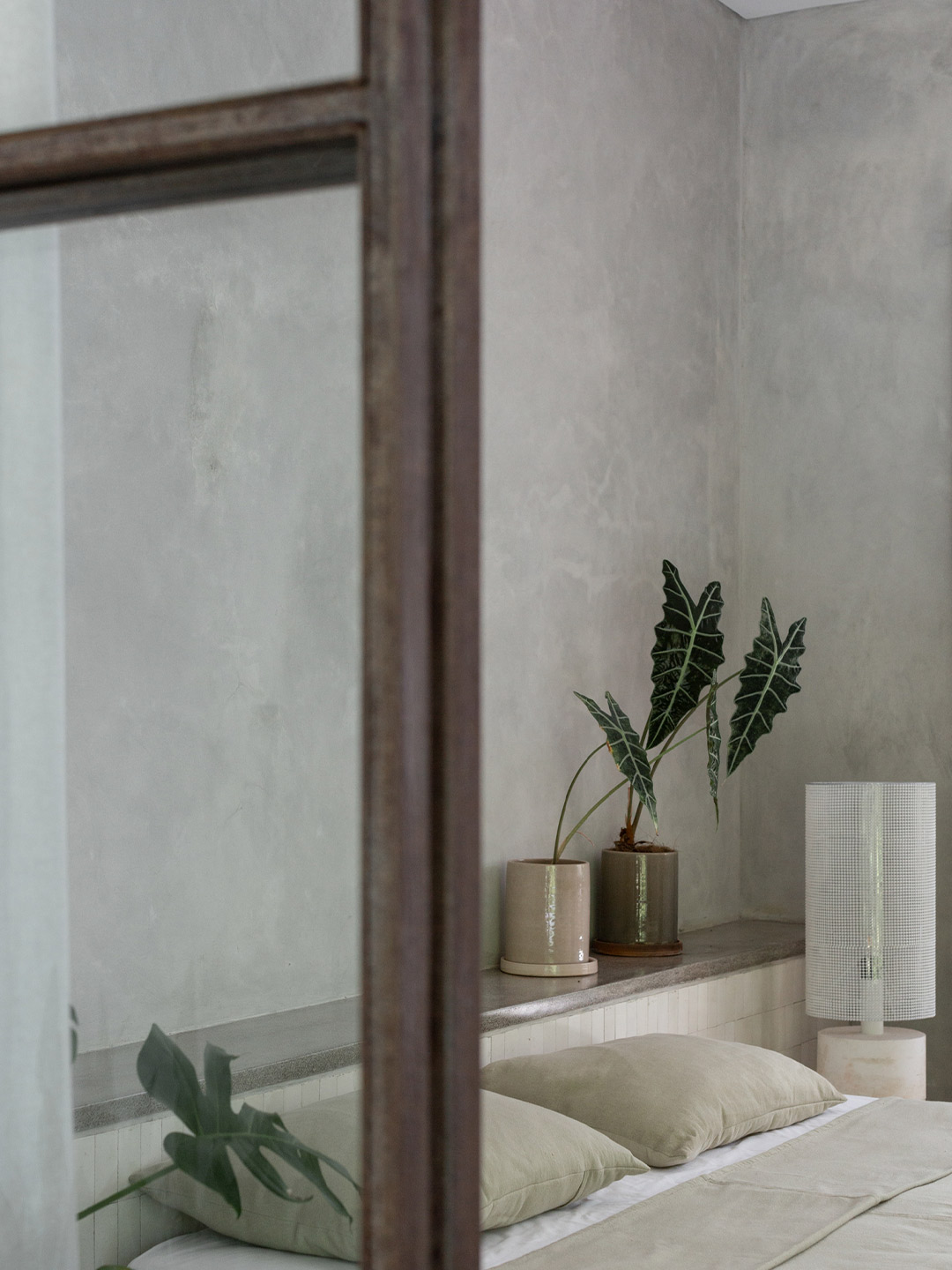
As a surfer who often tracks sand through the house, Beau selected a simple materials palette that would be easy to maintain. “I wanted to use the minimum combination of materials for simplicity and because I am a fan of repetition. The house is mostly pebble wash, red brick and cream tiles. There’s also loads of concrete – I could hose this house down if I needed,” he says.
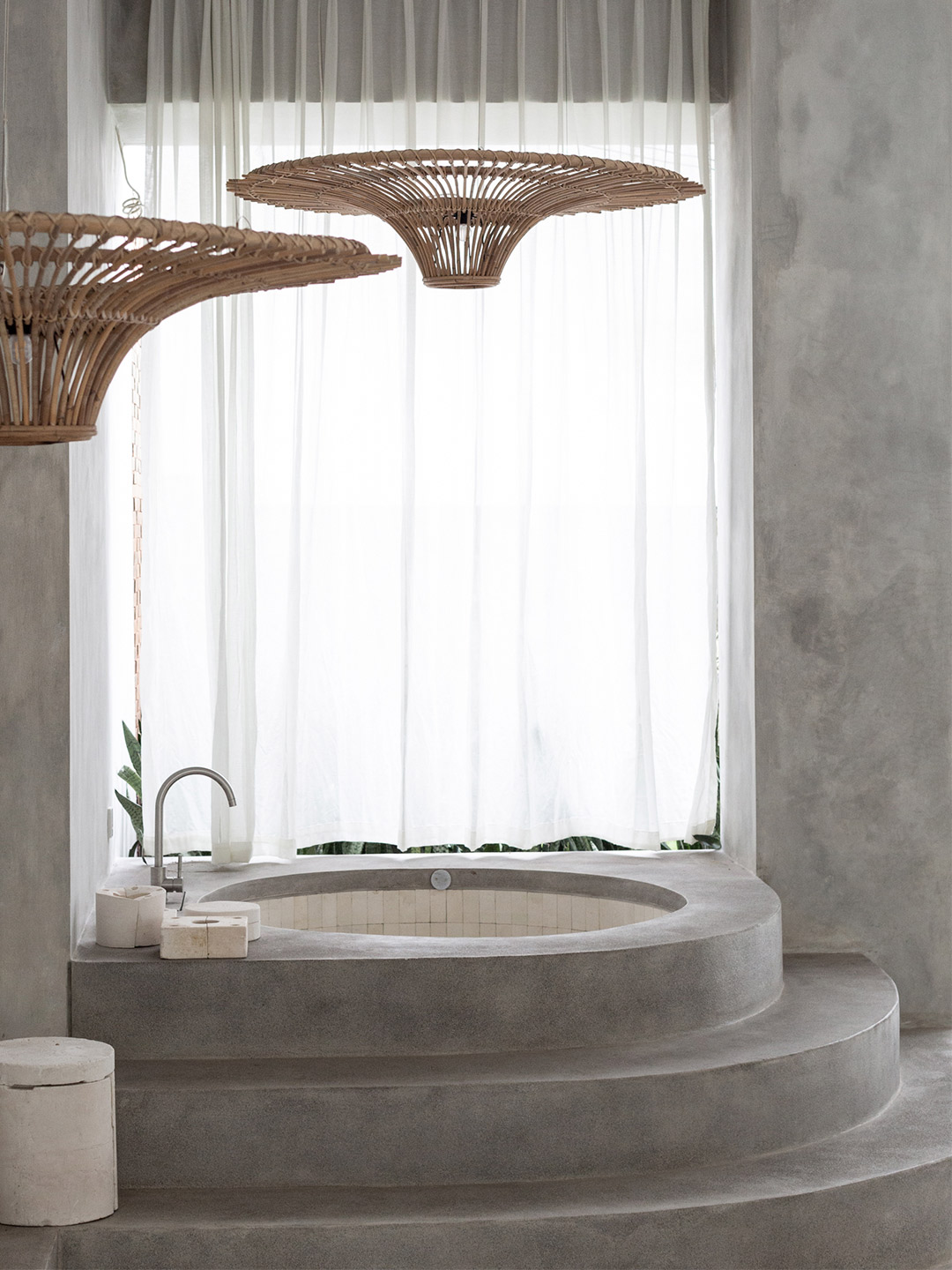
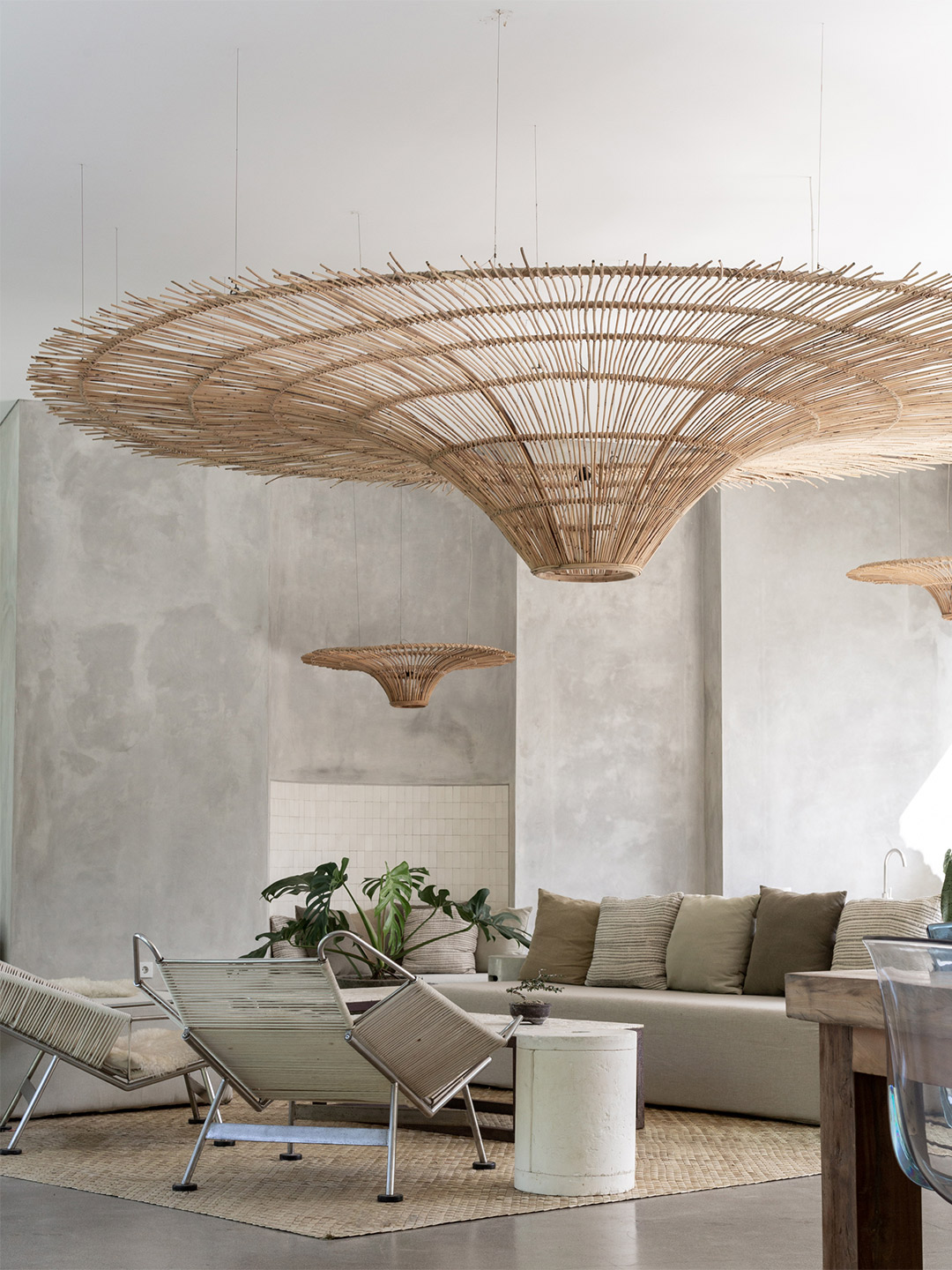
To temper the harsh geometries and the purposely unfinished rendered walls, massively over-scaled natural pendants grace the ceiling in the living area. Woven in rattan, their shape echoes the silhouette of the tropical Ketapang varigata trees outside. “The trees are so ethereal and ghost-like and the pendants have a similar shape,” says Beau. “They mirror each other.”
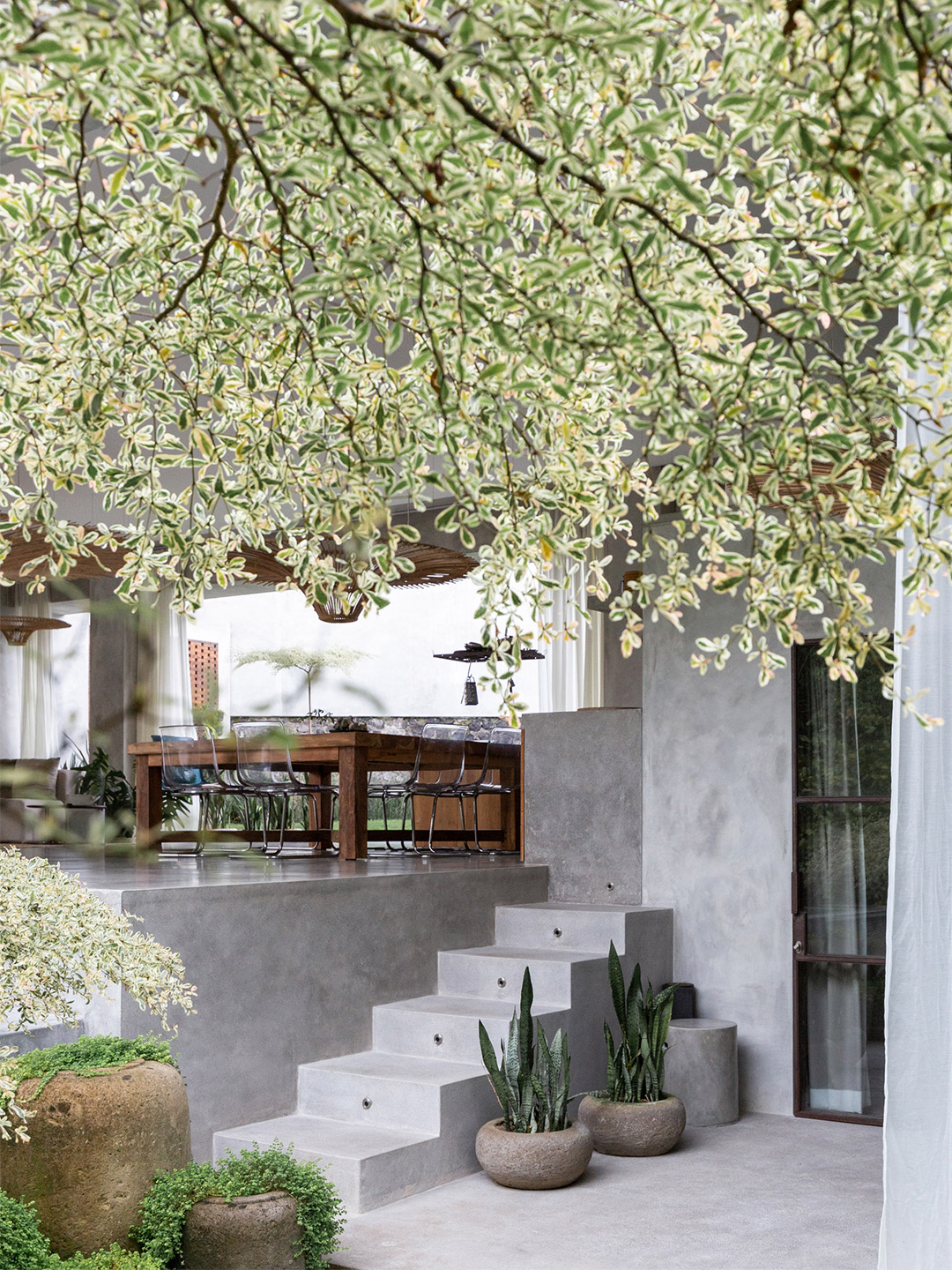
The trees are so ethereal and ghost-like and the pendants have a similar shape. They mirror each other.
Love this tropical villa in Bali? Catch up on more architecture and design highlights. Plus, subscribe to receive the Daily Architecture News e-letter direct to your inbox.
Related stories
- Bethan Gray launches Inky Dhow collection during 2022 Milan Design Week.
- Paved paradise: Fish Lane Town Square by Richards & Spence.
- A 1960s London post office is now a swinging sushi restaurant.
- Hot desks: Spacial co-working office in Montreal by Ivy Studio.
- Artful lodger: Inside the Ace Hotel Sydney by Flack Studio.
For Bruno Moinard, one half of Paris-based interior design agency Moinard Bétaille, hotels have a certain sense of theatre about them. Their presence, something felt and experienced fleetingly, rather than lived in as you would a residential space, is one created by “sets”, with its characters, secrets and individual moments of intrigue creating something truly transformative.
To Claire Bétaille, the other half of the lauded design team, reinvigorating these storied spaces carries a responsibility akin to guardianship – a duty of protecting the true nature of a building for generations to come. “We take over these stories, allowing the hotels to continue to write them,” Claire says. “Never cutting the thread, but rather reviving them by soaking them up, consuming them and listening to the tales that are told.”
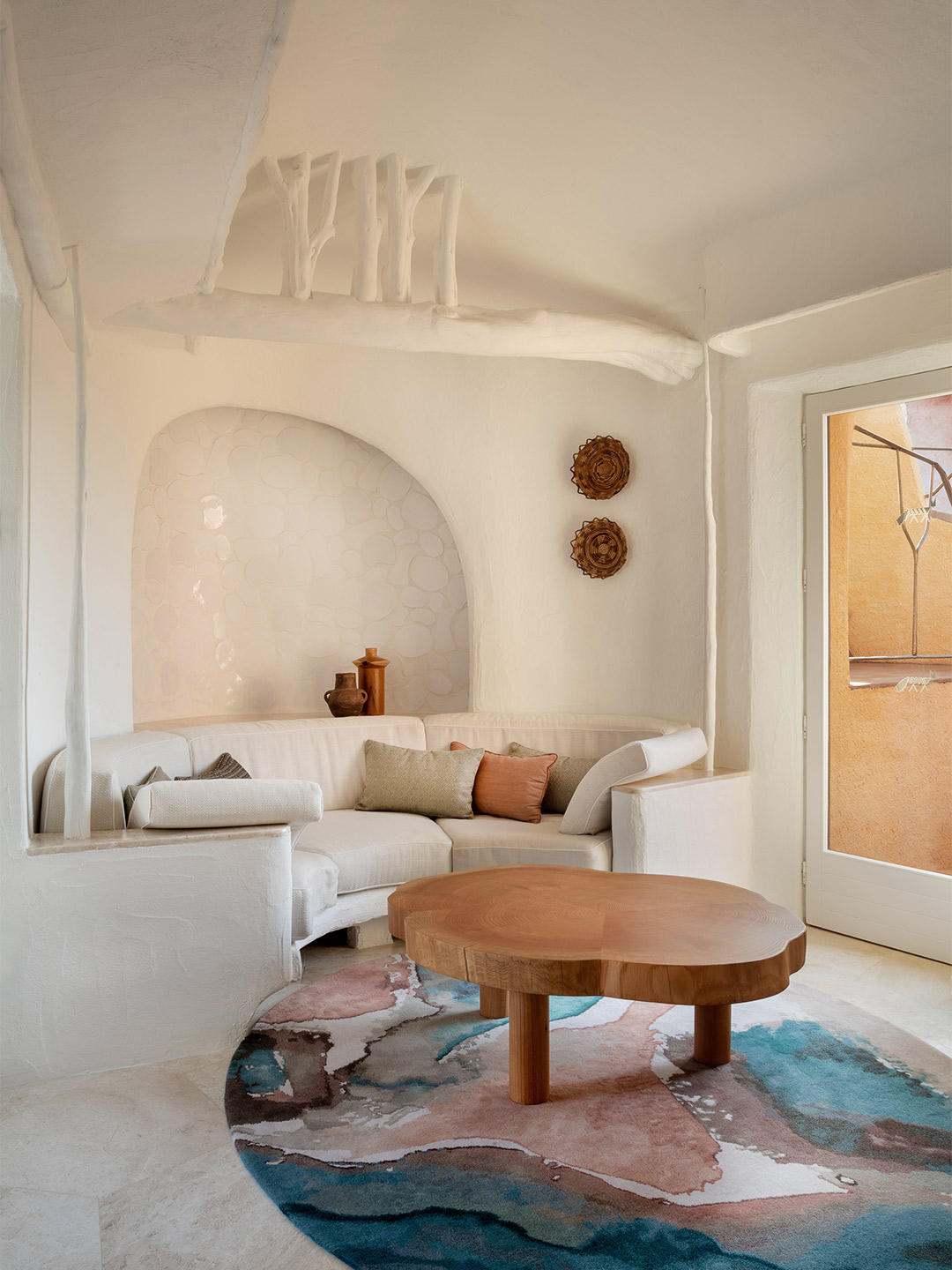
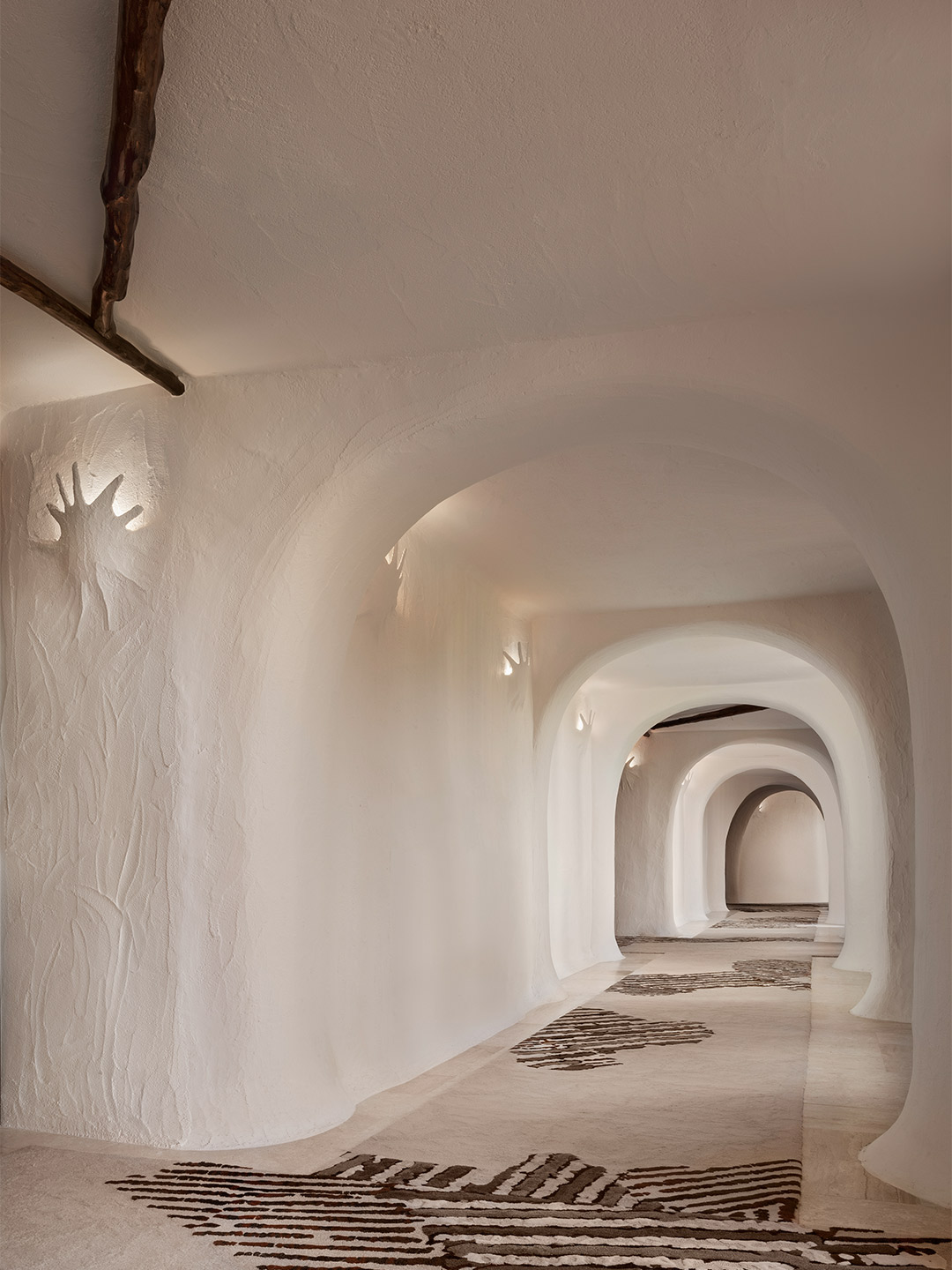
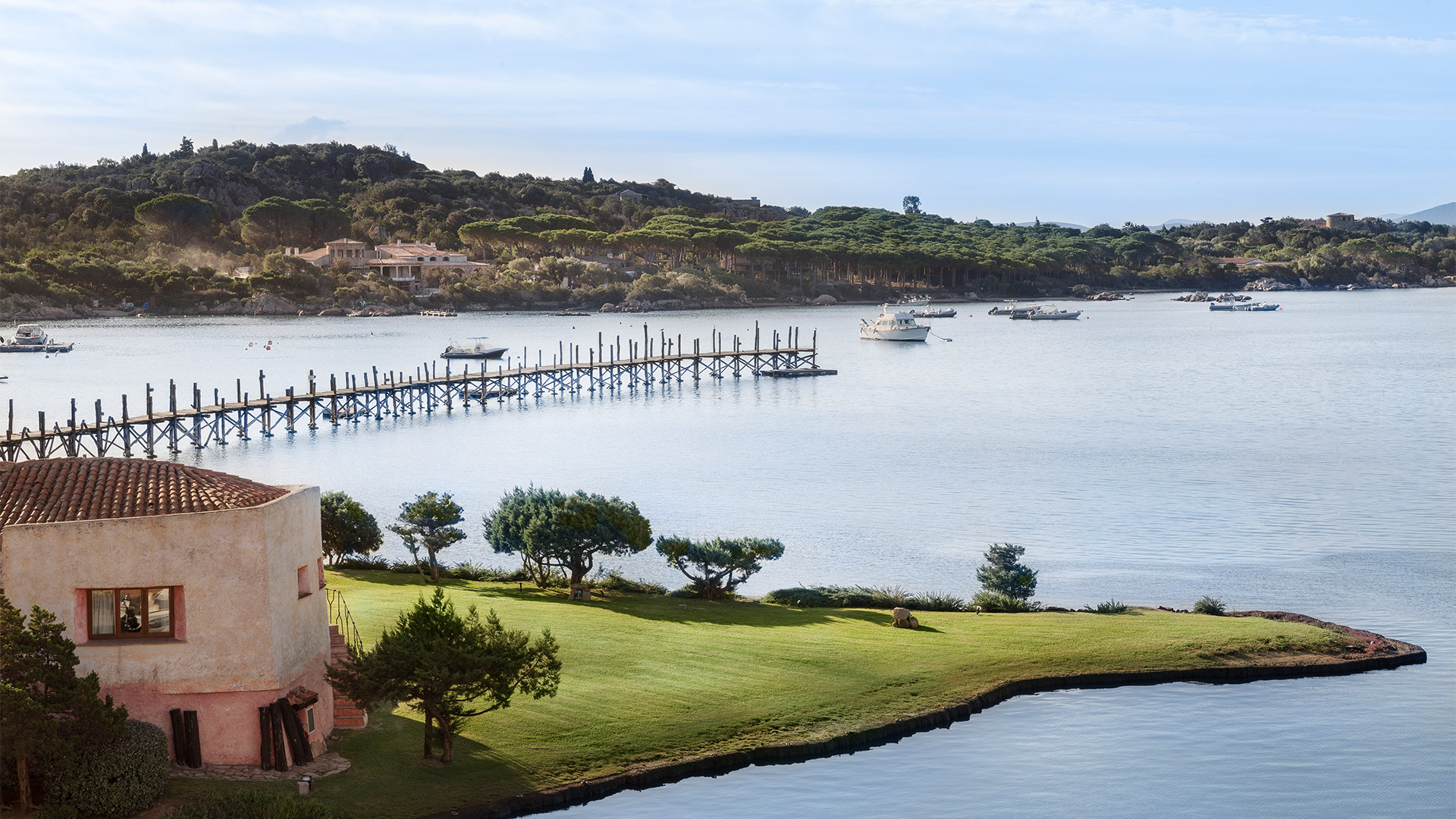
A retelling of sorts, Moinard Bétaille’s gentle approach to the renovation of Hotel Cala di Volpe on Sardinia’s Costa Smeralda pays homage to its original architect, the late “sculptor of houses” Jacques Couëlle, with a new narrative that speaks of a storied past while being anchored firmly in the present. Four years in the making, the renovation has warmly embraced the original concept of its maker, staying true to his revelatory surrealist vision initially designed to feel like an ancient Mediterranean fishing village.
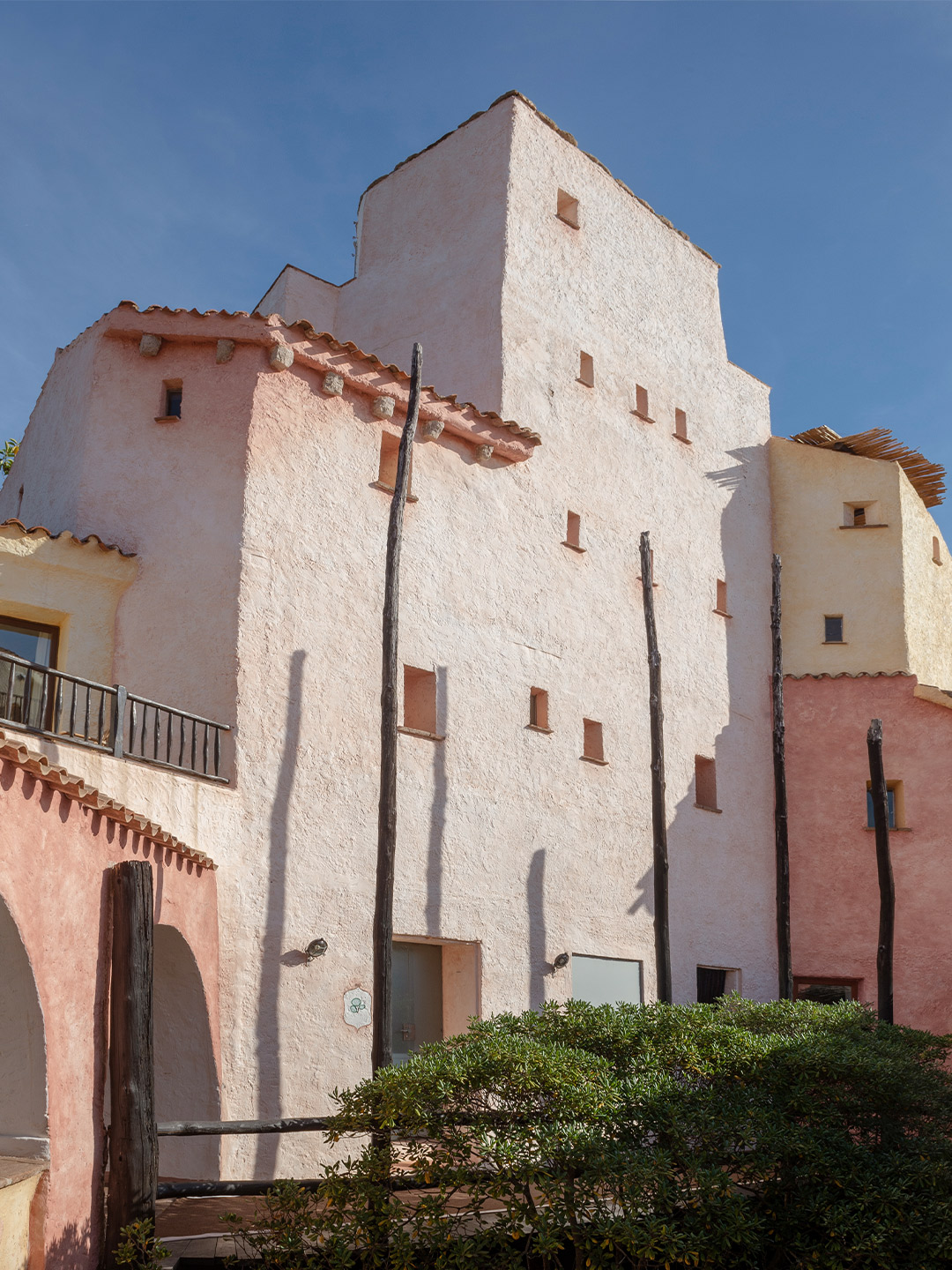
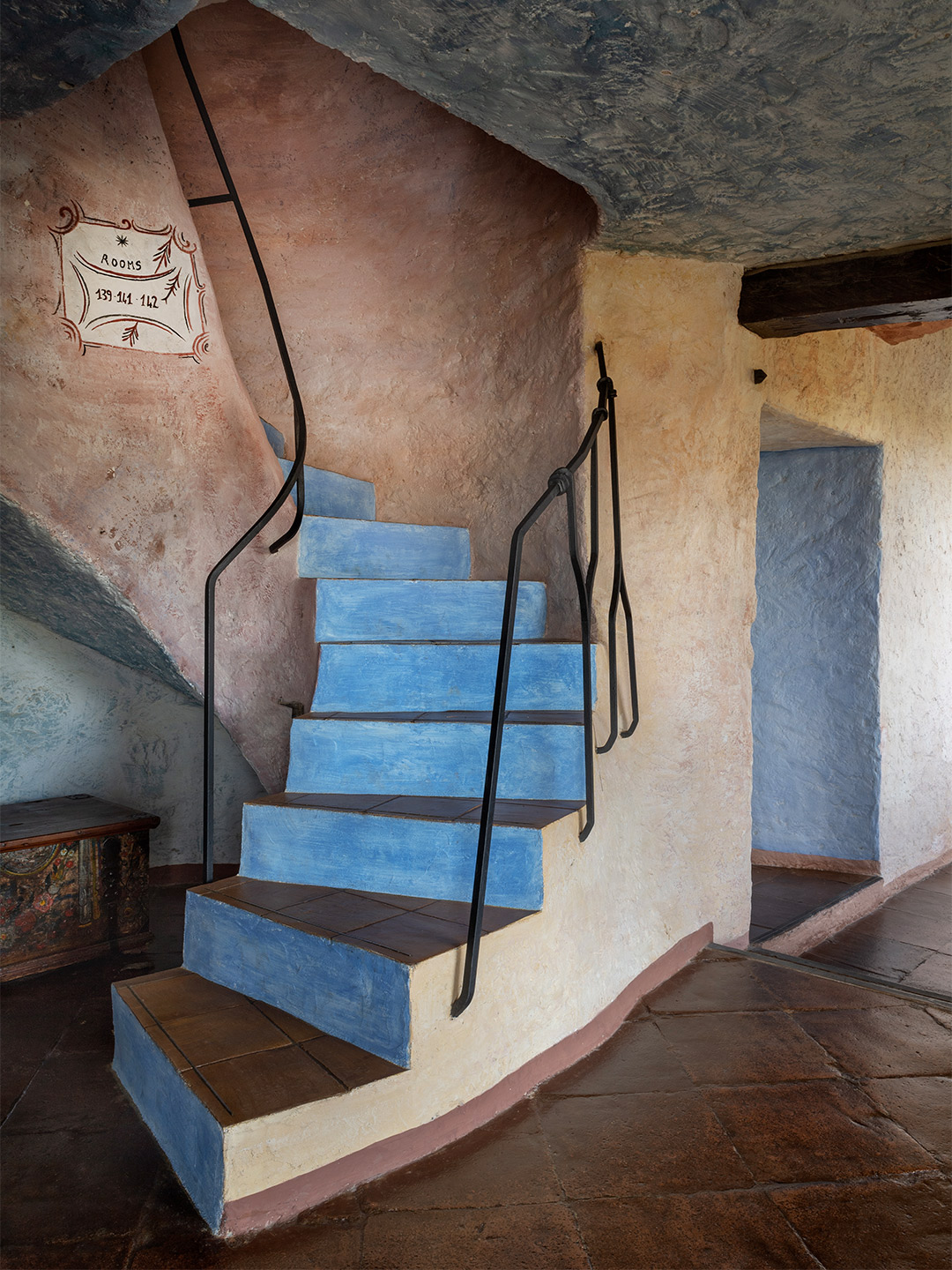
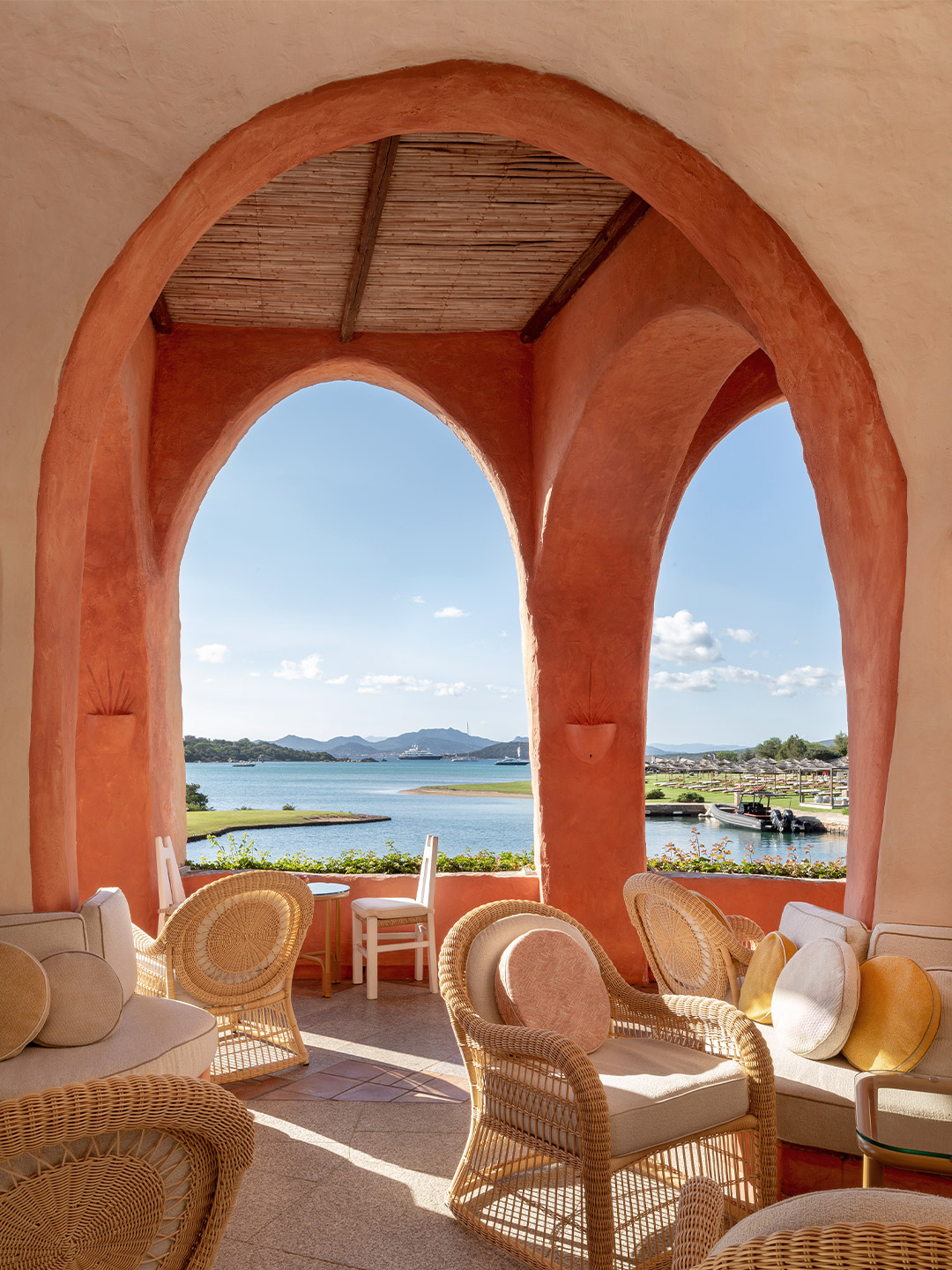
Hotel Cala Di Volpe in Sardinia by Moinard Bétaille Agency
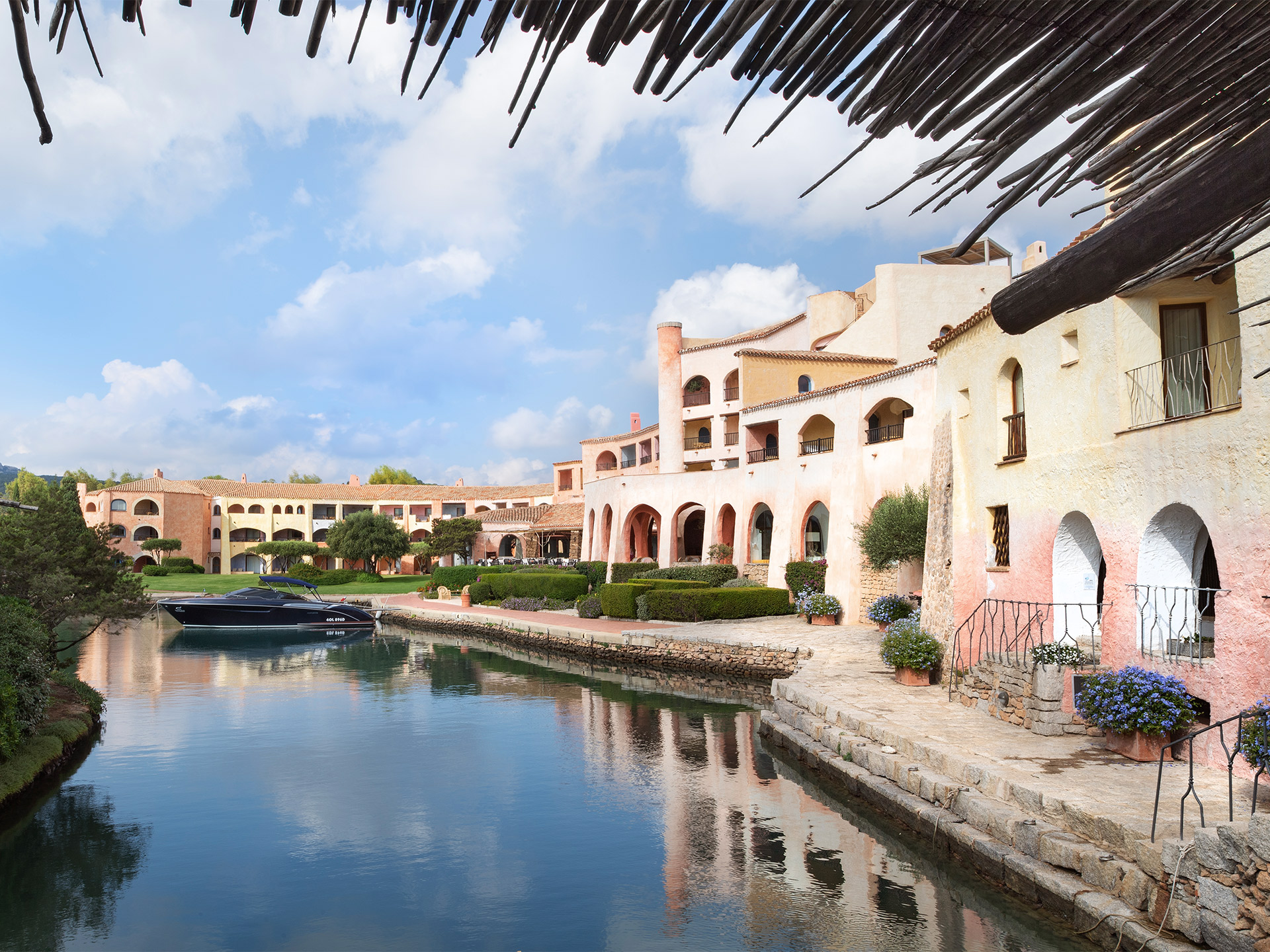
Guests to the hotel (now part of Marriott’s Luxury Collection) are still greeted by an extraordinary exterior with its interconnecting terracotta rooftops, turrets, porticoes and terraces – alive with bougainvillea – but are welcomed inside by fully reimagined shared spaces, as well as a host of private luxury suites, guest rooms and in-house restaurants.
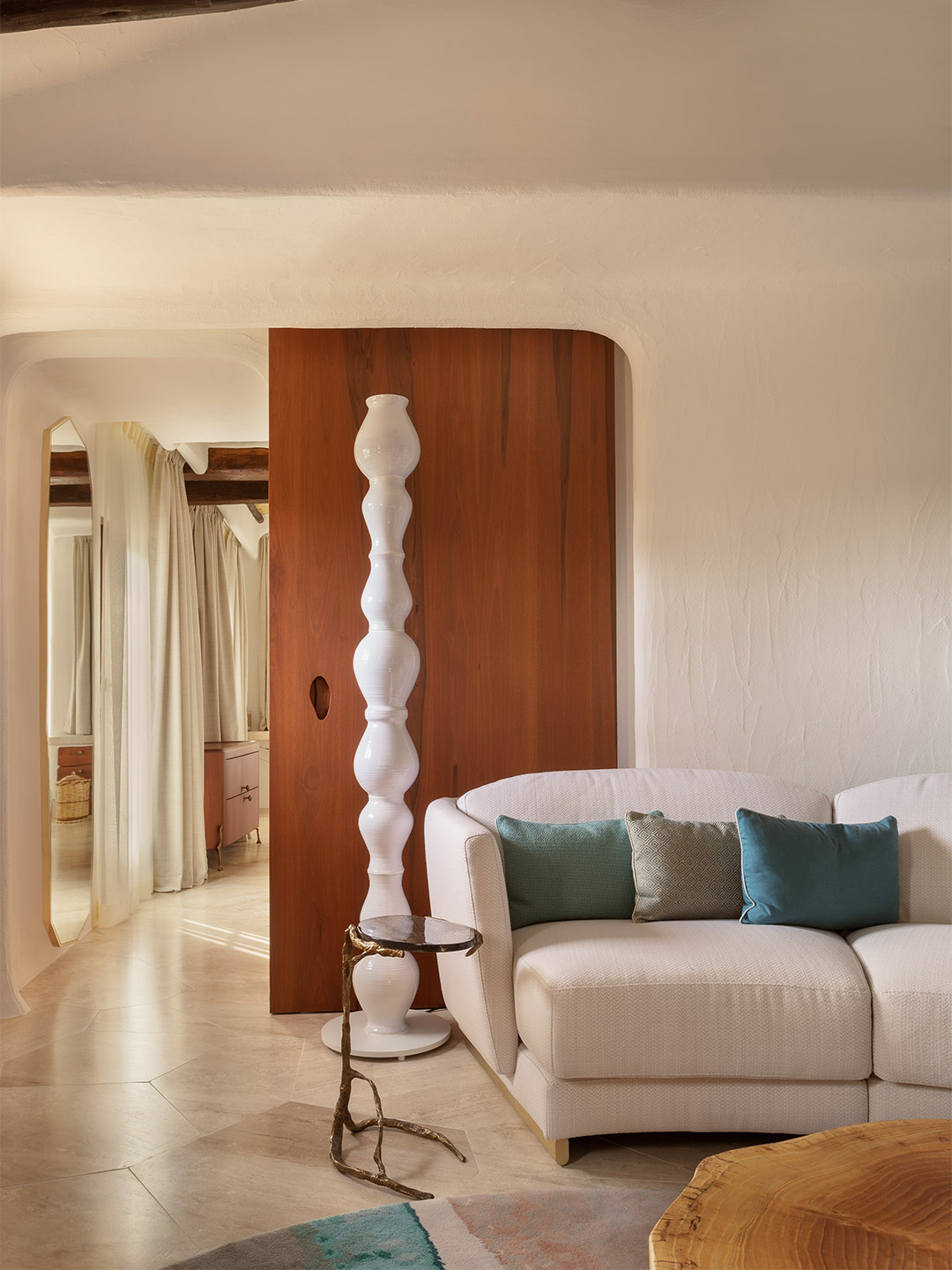
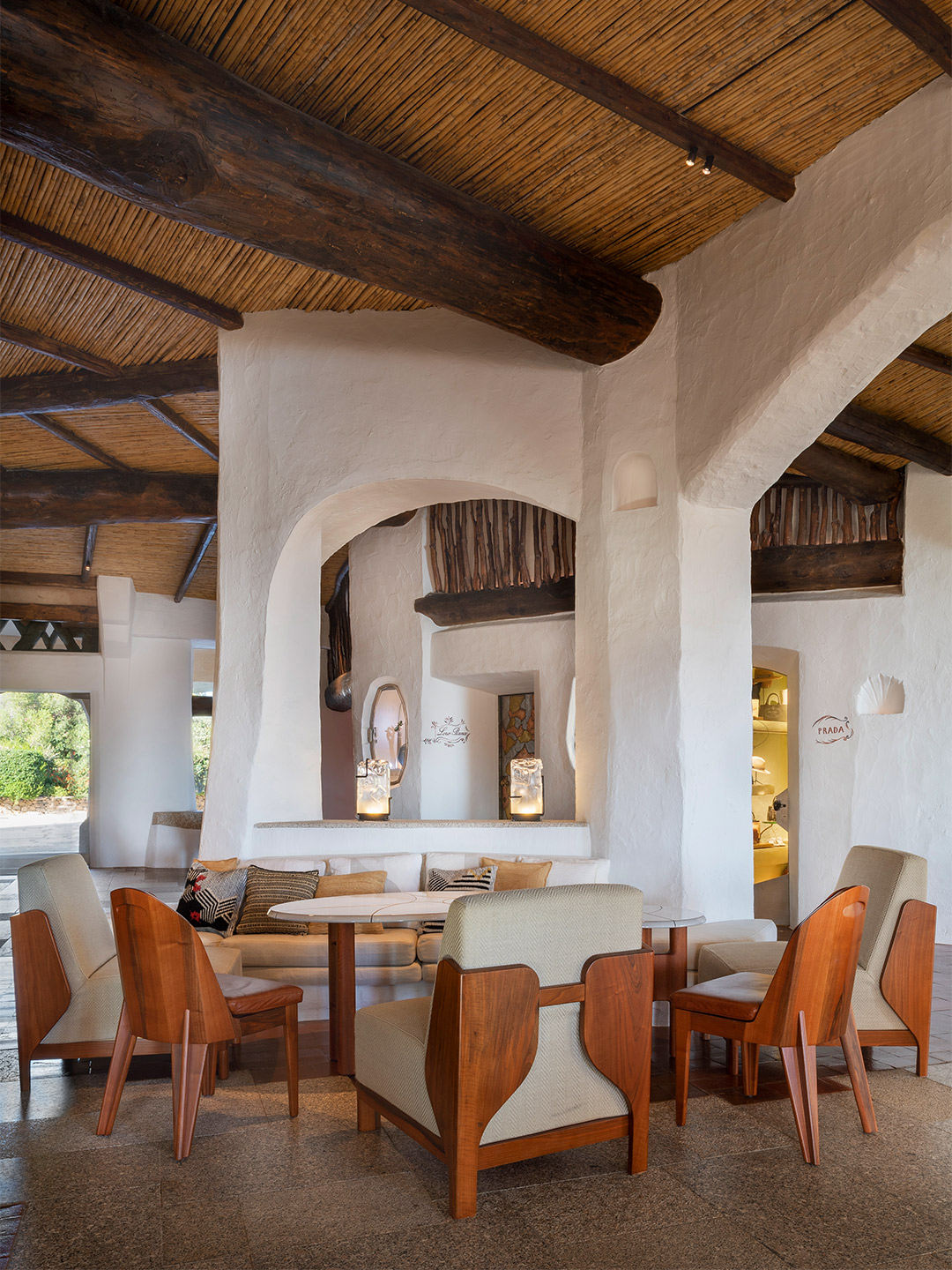
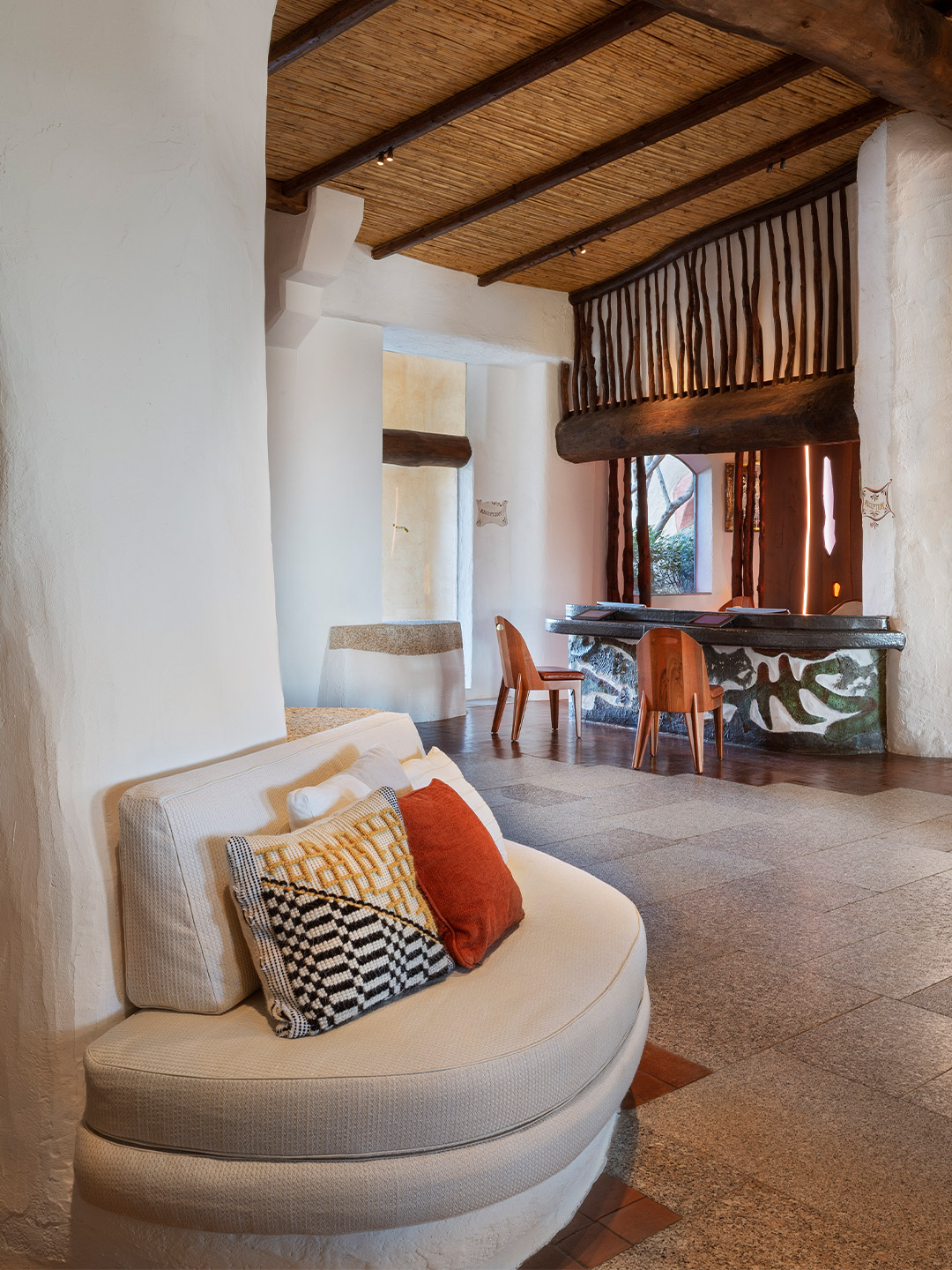
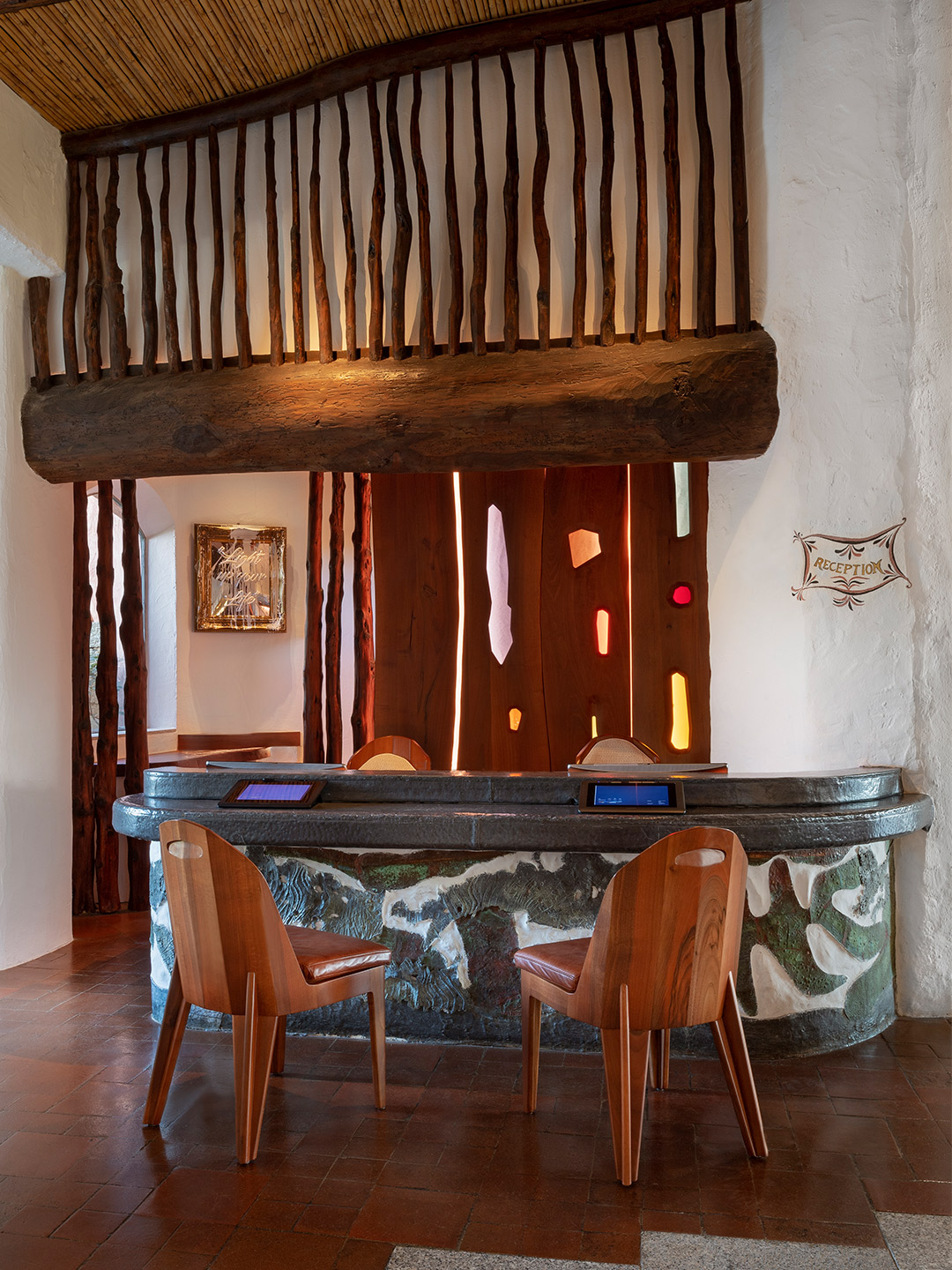
“Our ambition was to give this magical place its lustre,” the design duo reveals. “But also find its function in today’s world,” they add – a calling that saw Moinard Bétaille begin the renovation process in the hotel lobby and lounge, retaining the structural elements – rustic beams and grand vaulted ceilings – while revising the lighting, layout and furnishings for a new generation.
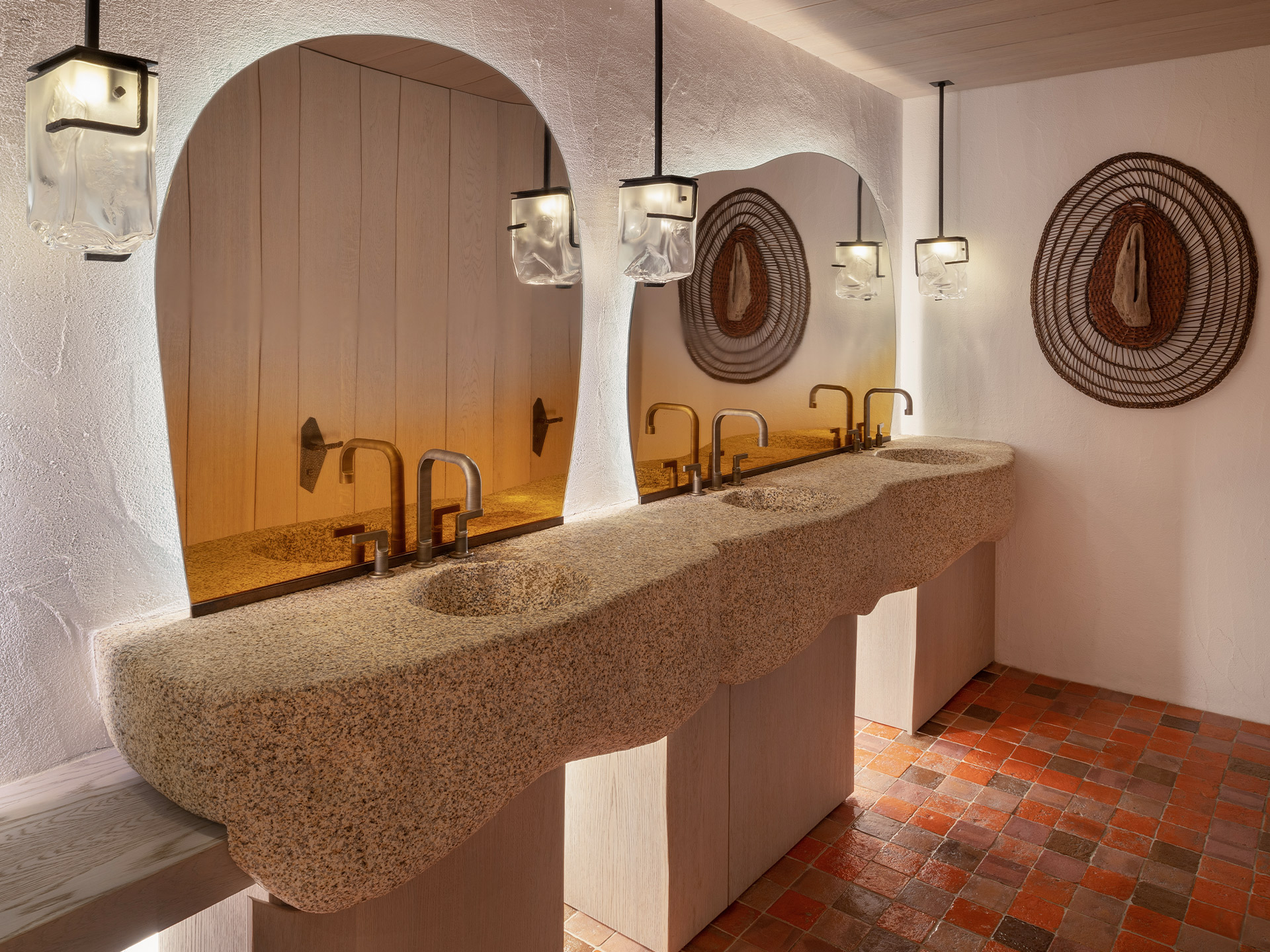
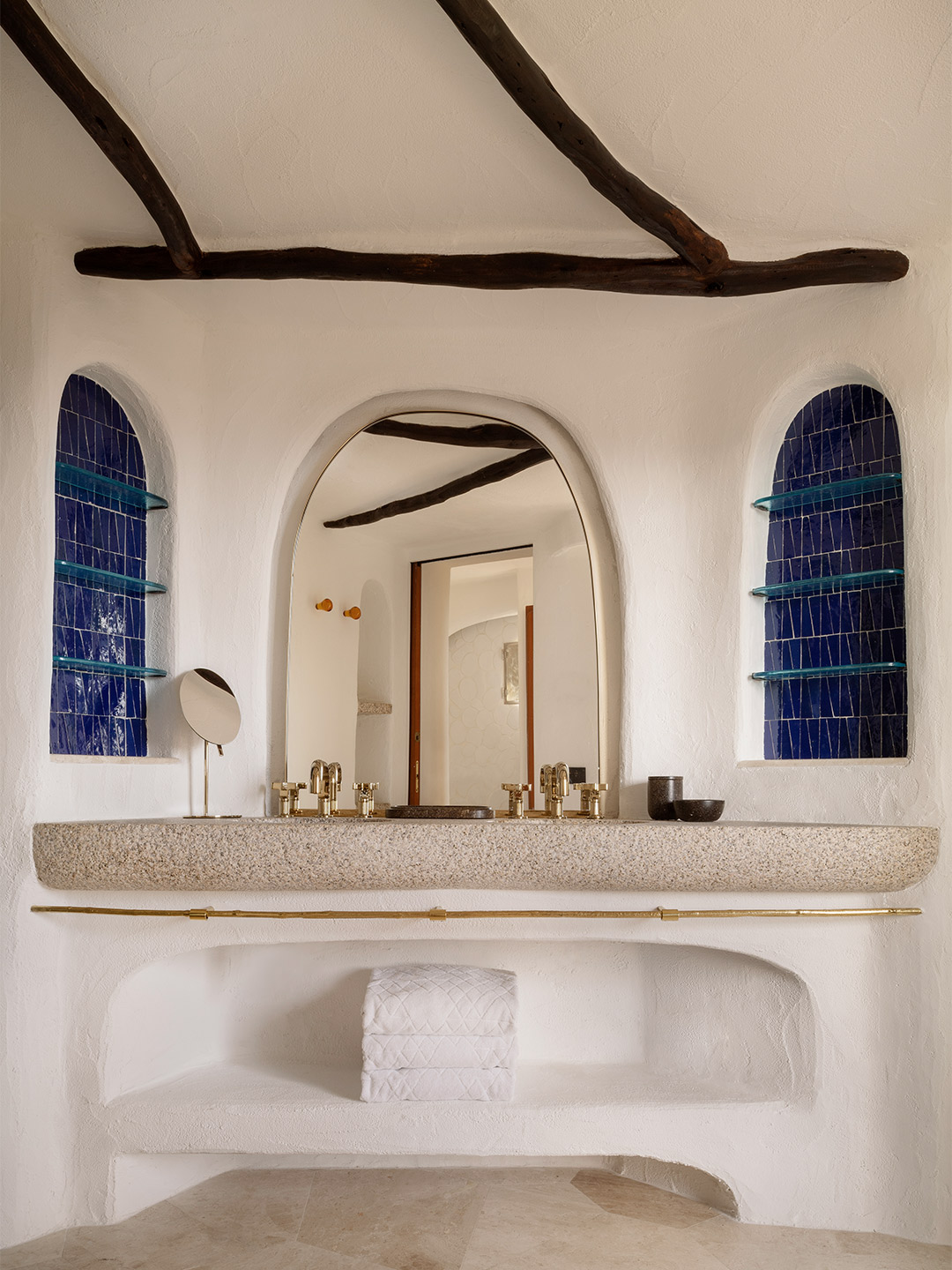
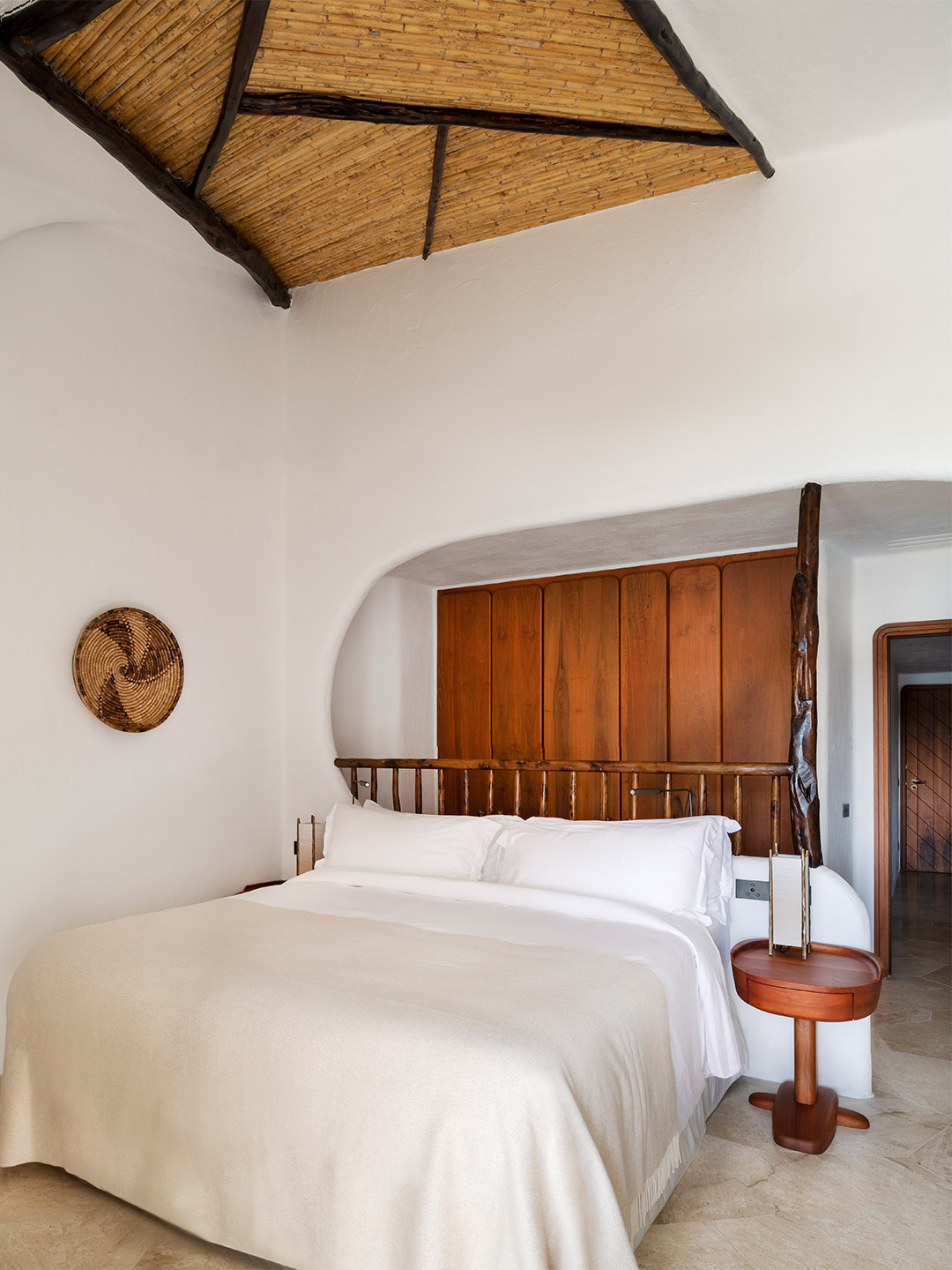
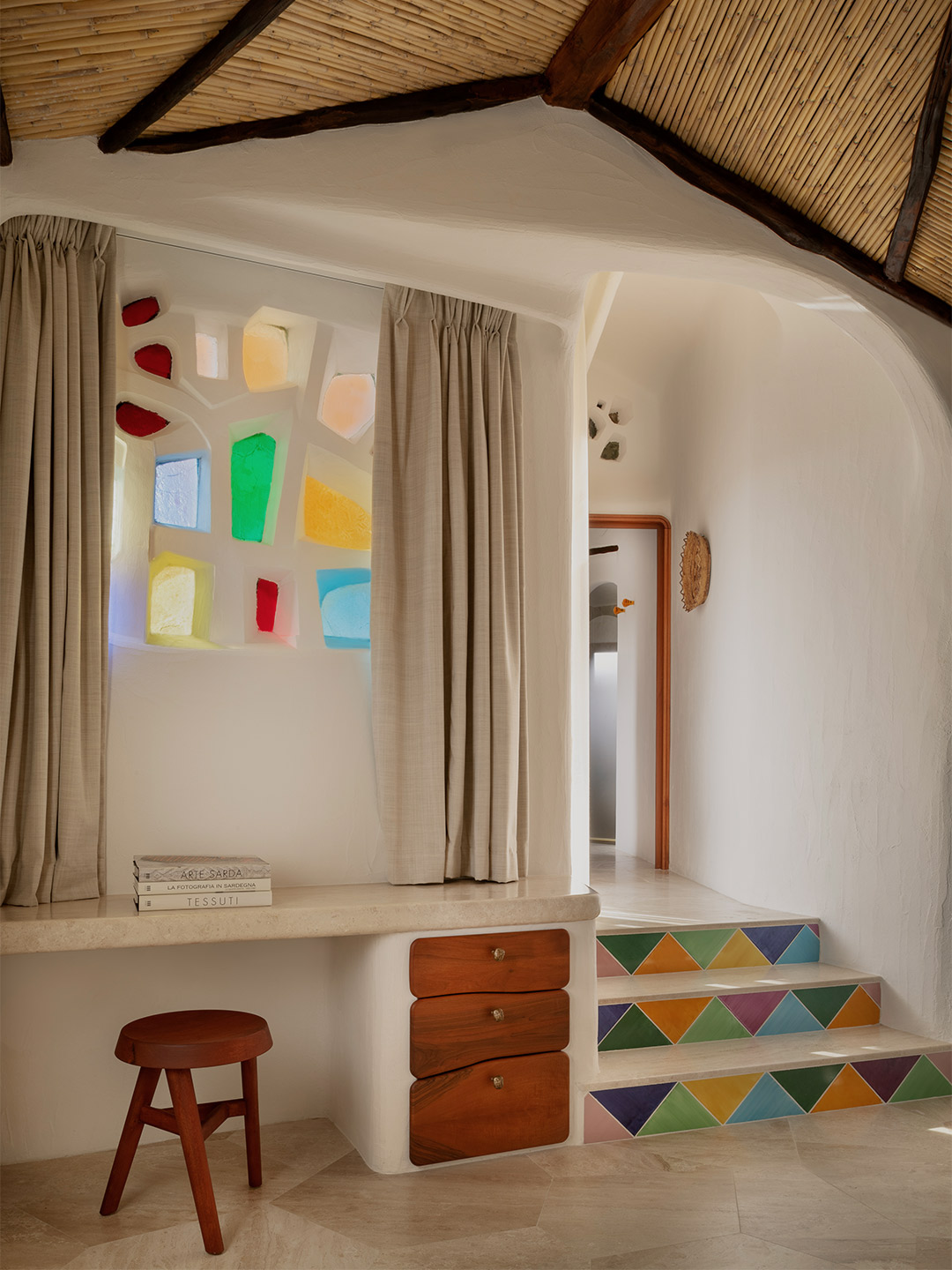
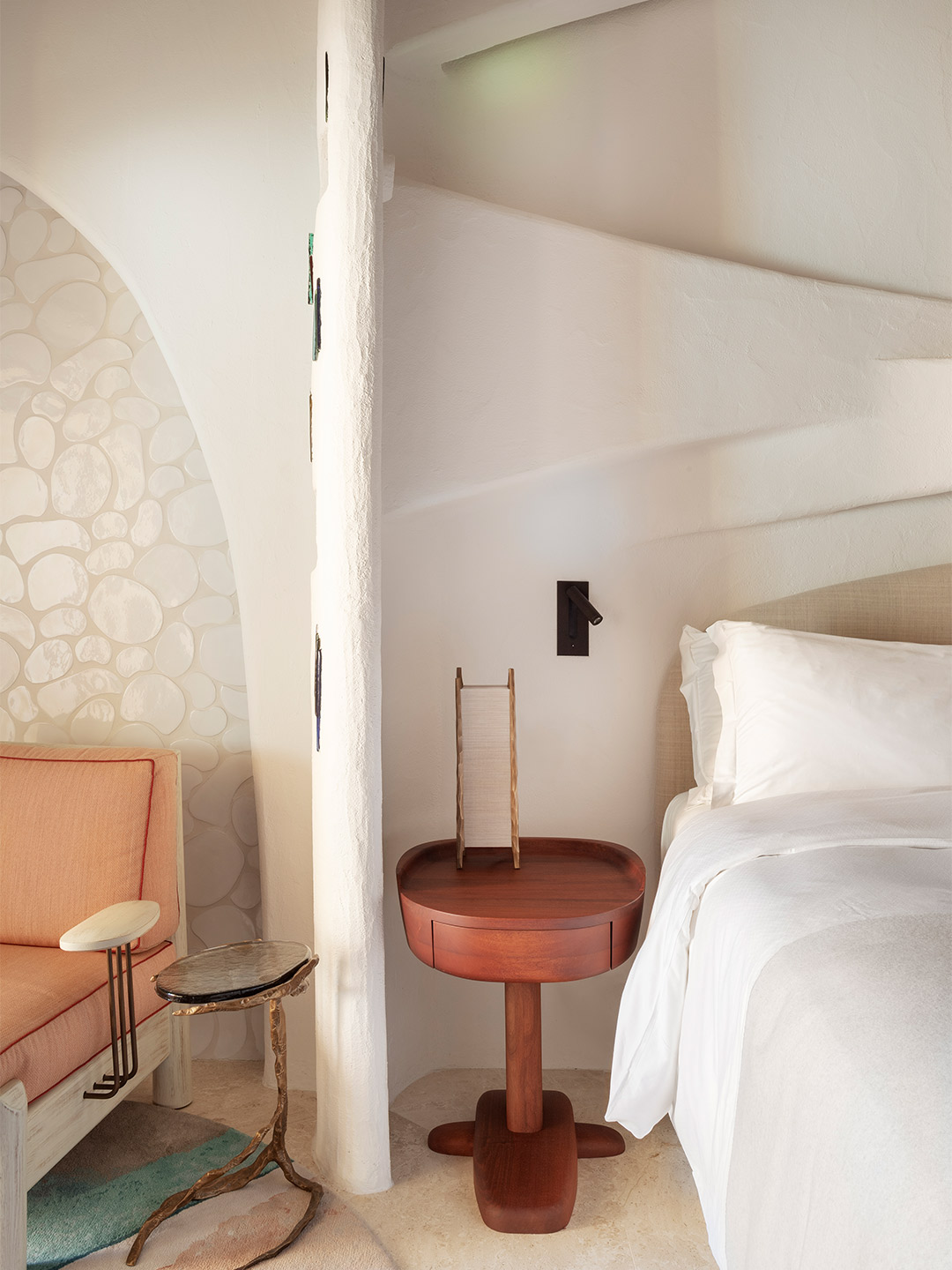
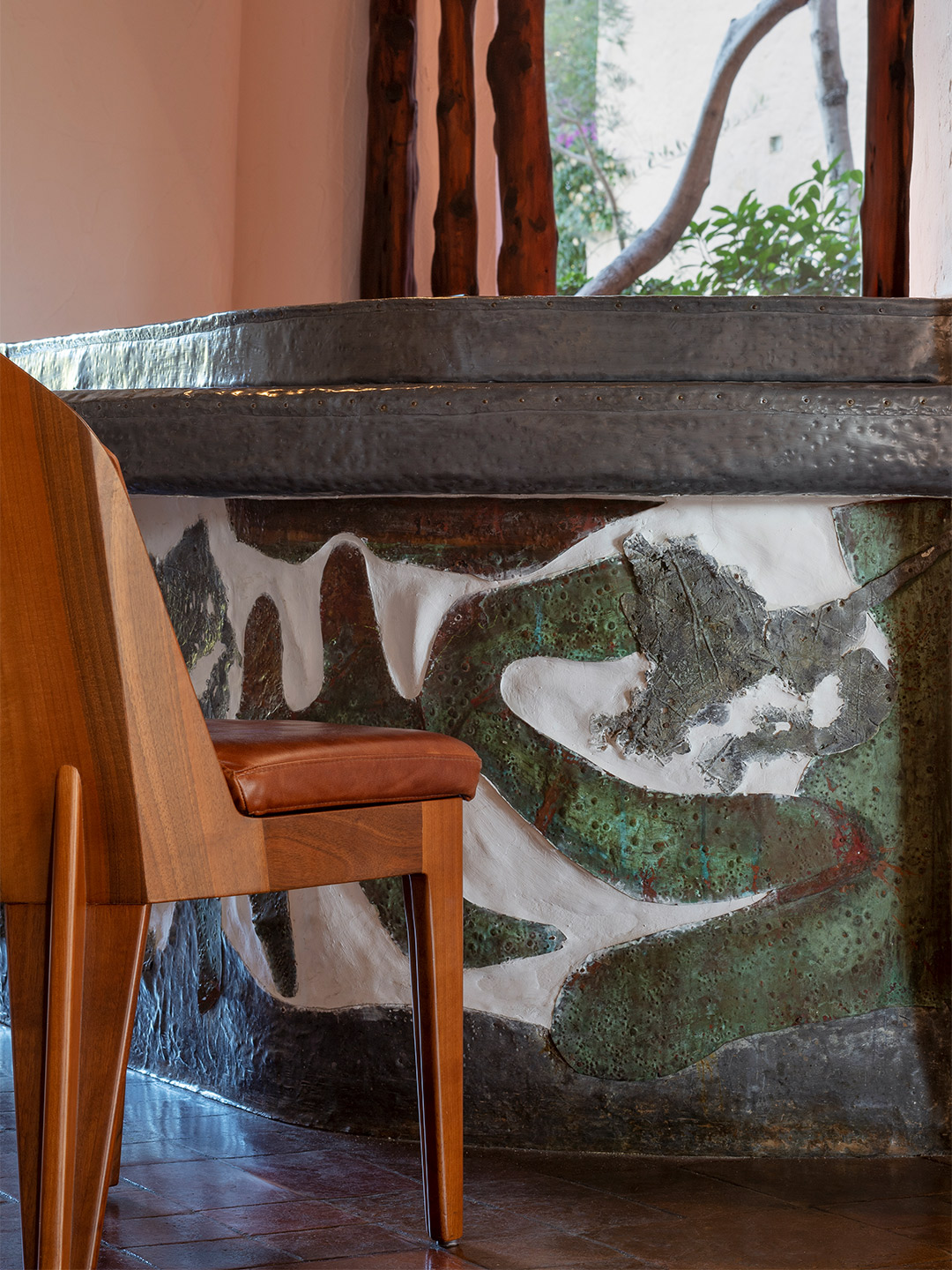
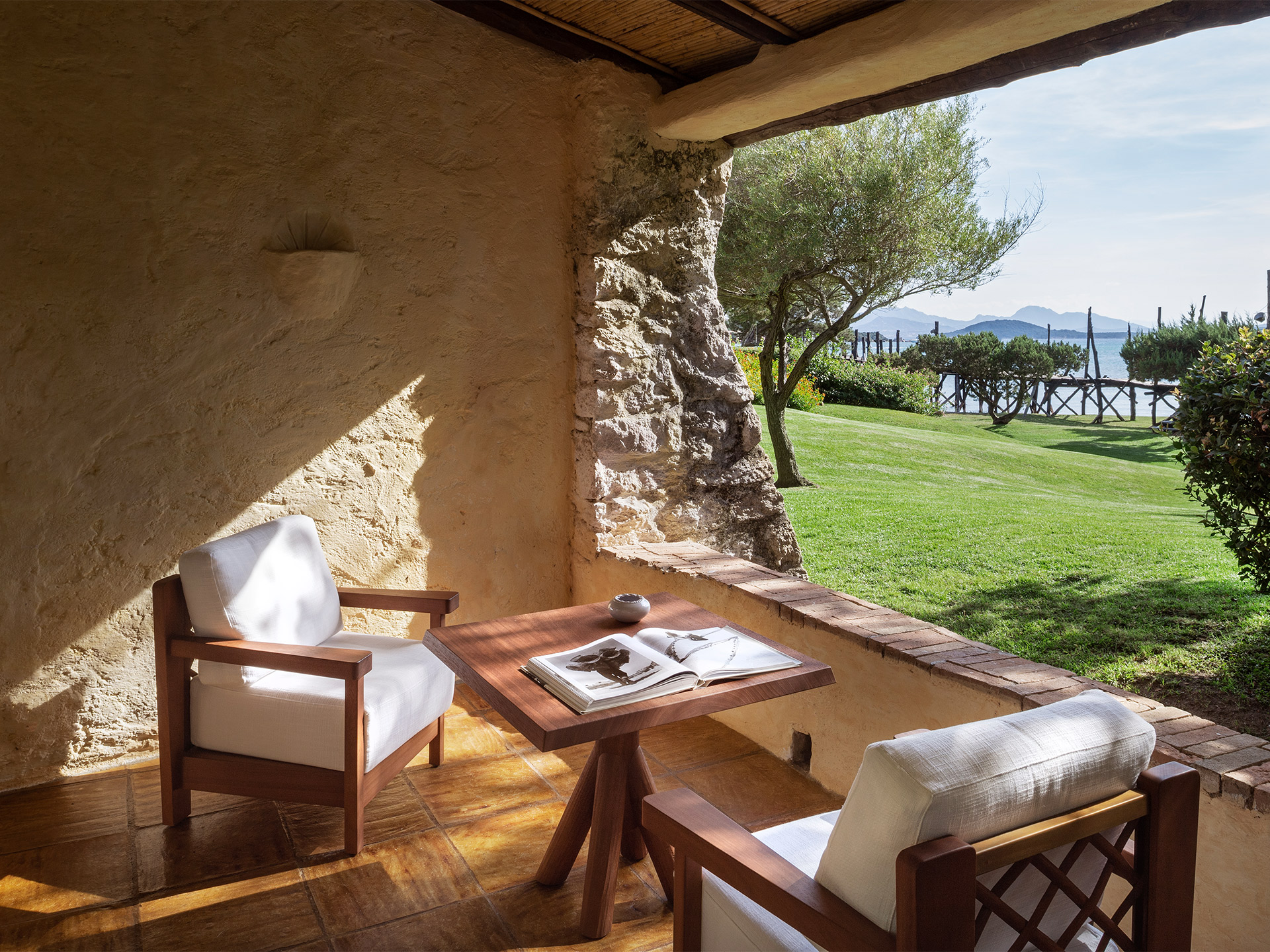
Due to the architectural significance of the hotel and its inherent artistry, all the furniture is bespoke, crafted by local artisans and some of Europe’s most esteemed makers. Any original furniture has been repurposed or painted in soft pastels to meet the vision of the new design. Wood, woven fabric and buttery soft leather rest naturally against the stucco walls and textured plaster, while ceilings clad in cane, held tightly by rough-hewn timber beams and trusses, add a richness of atmosphere that encapsulates the magical Mediterranean offering.
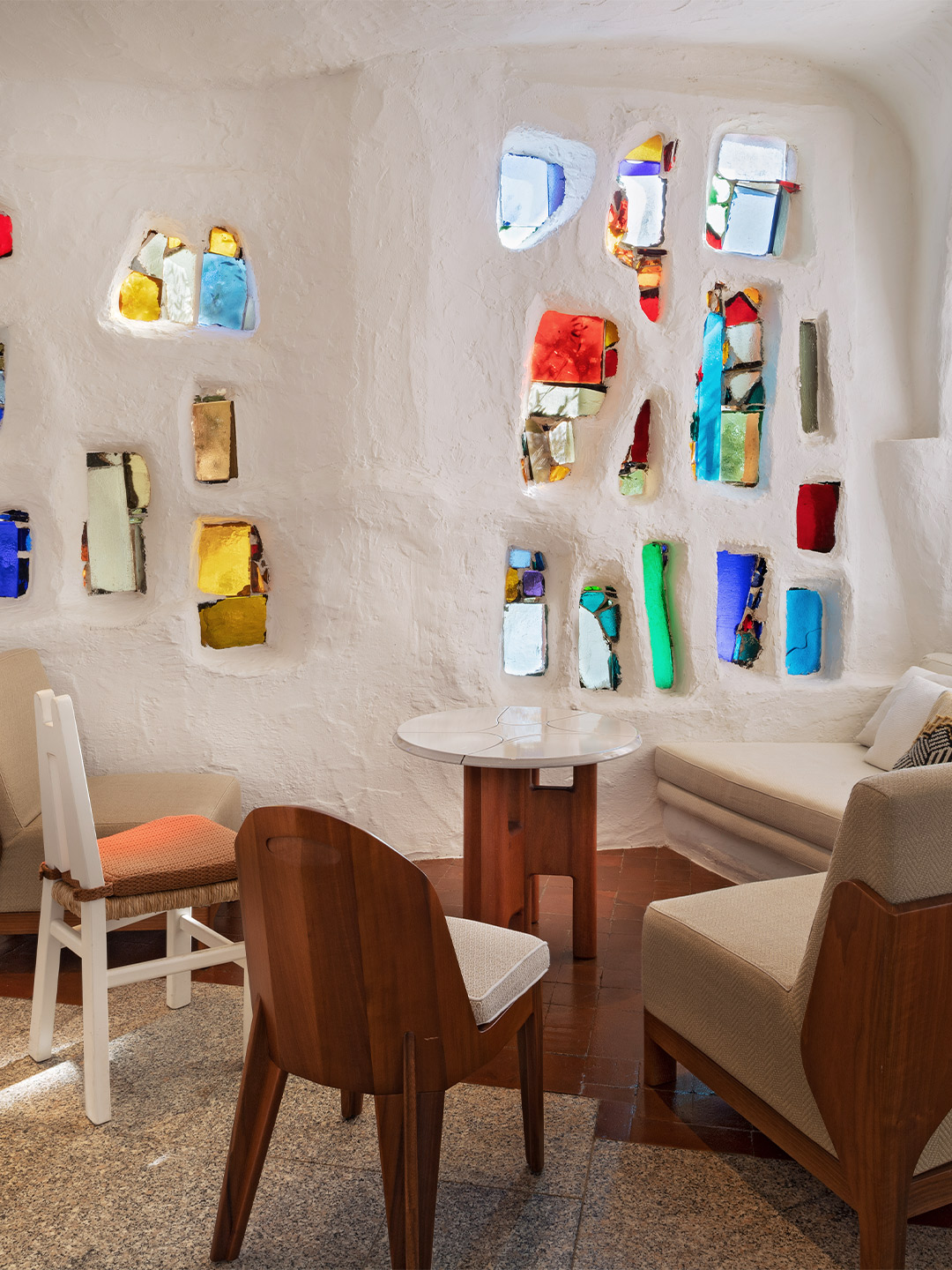
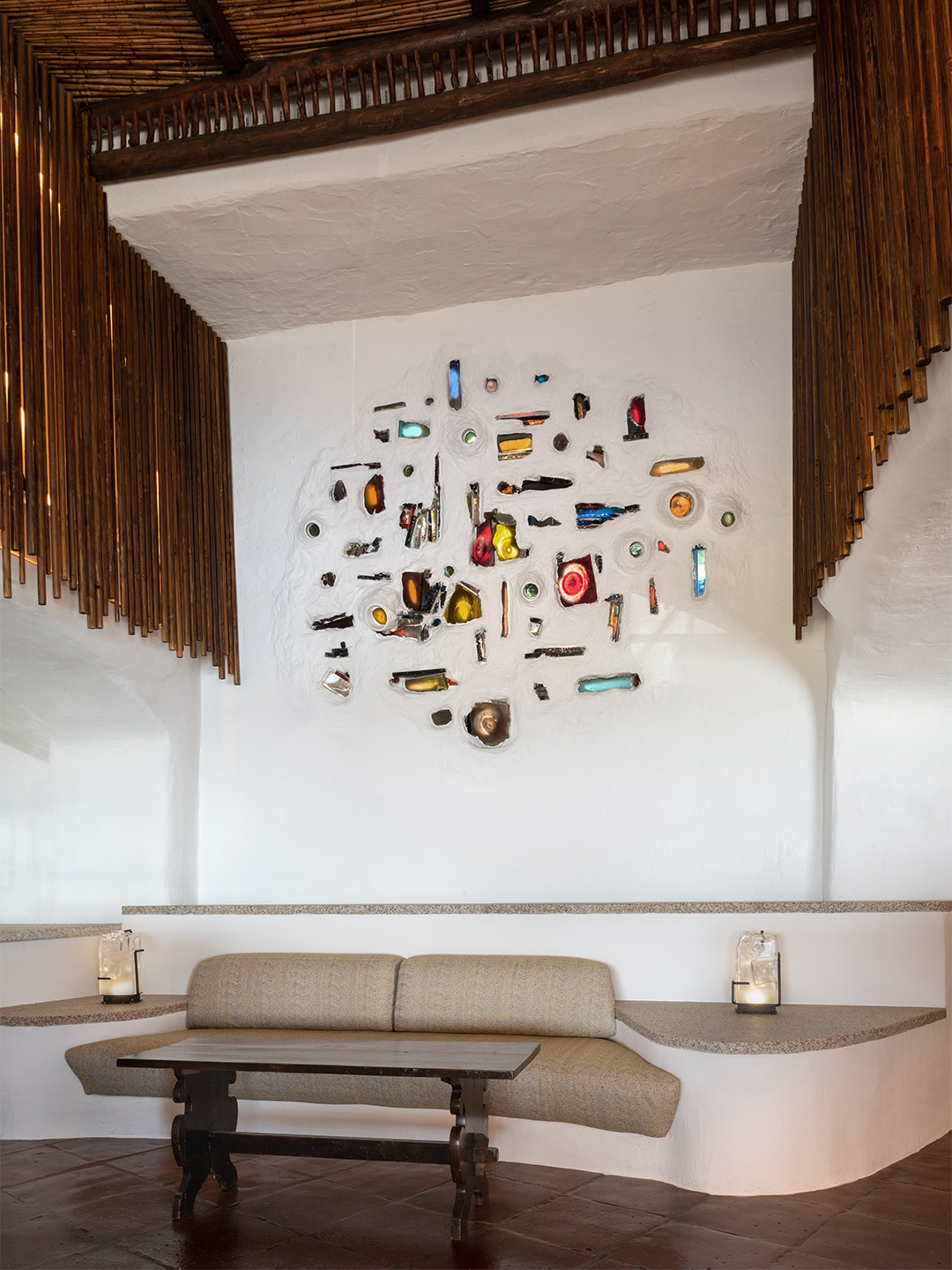
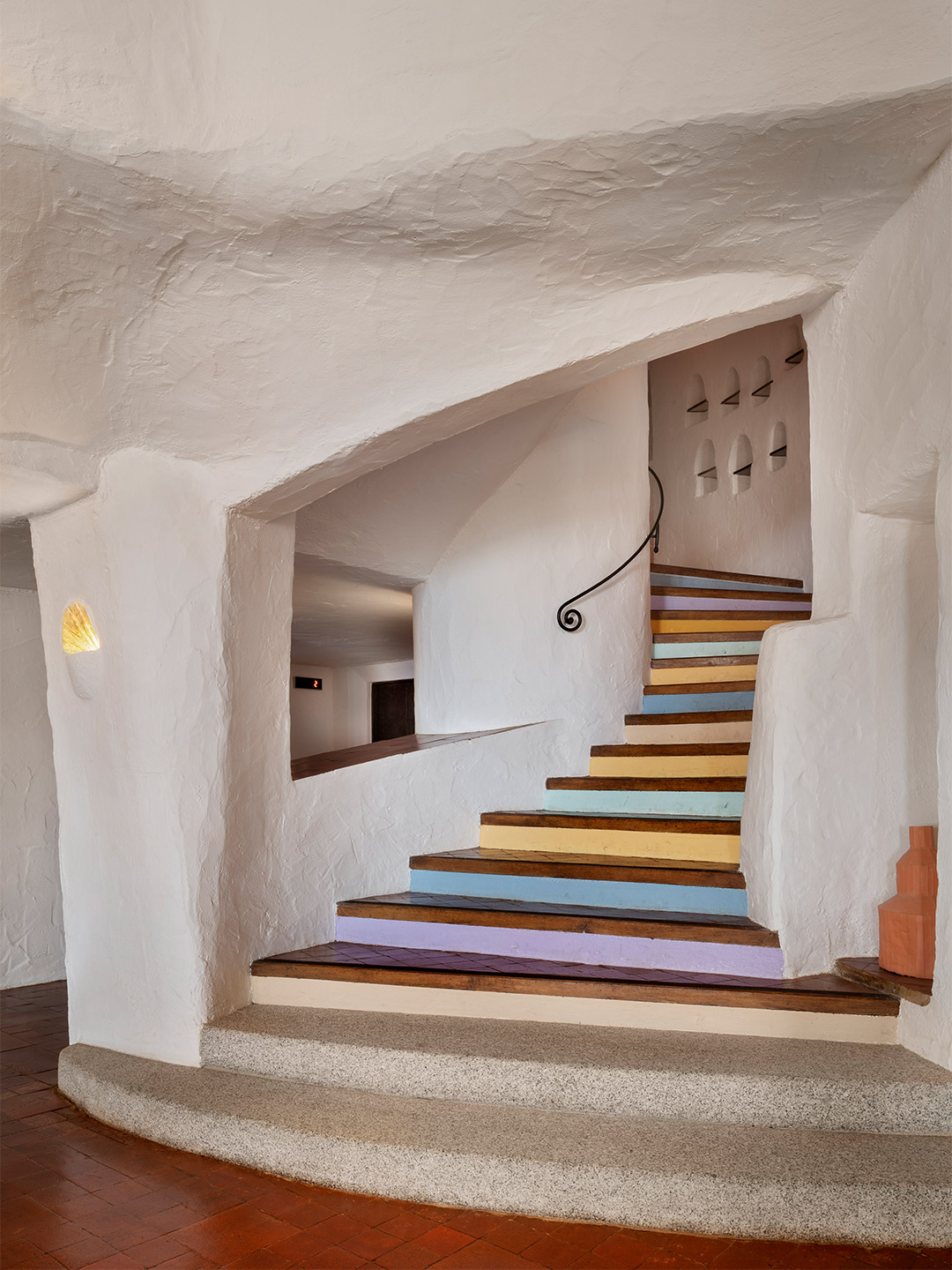
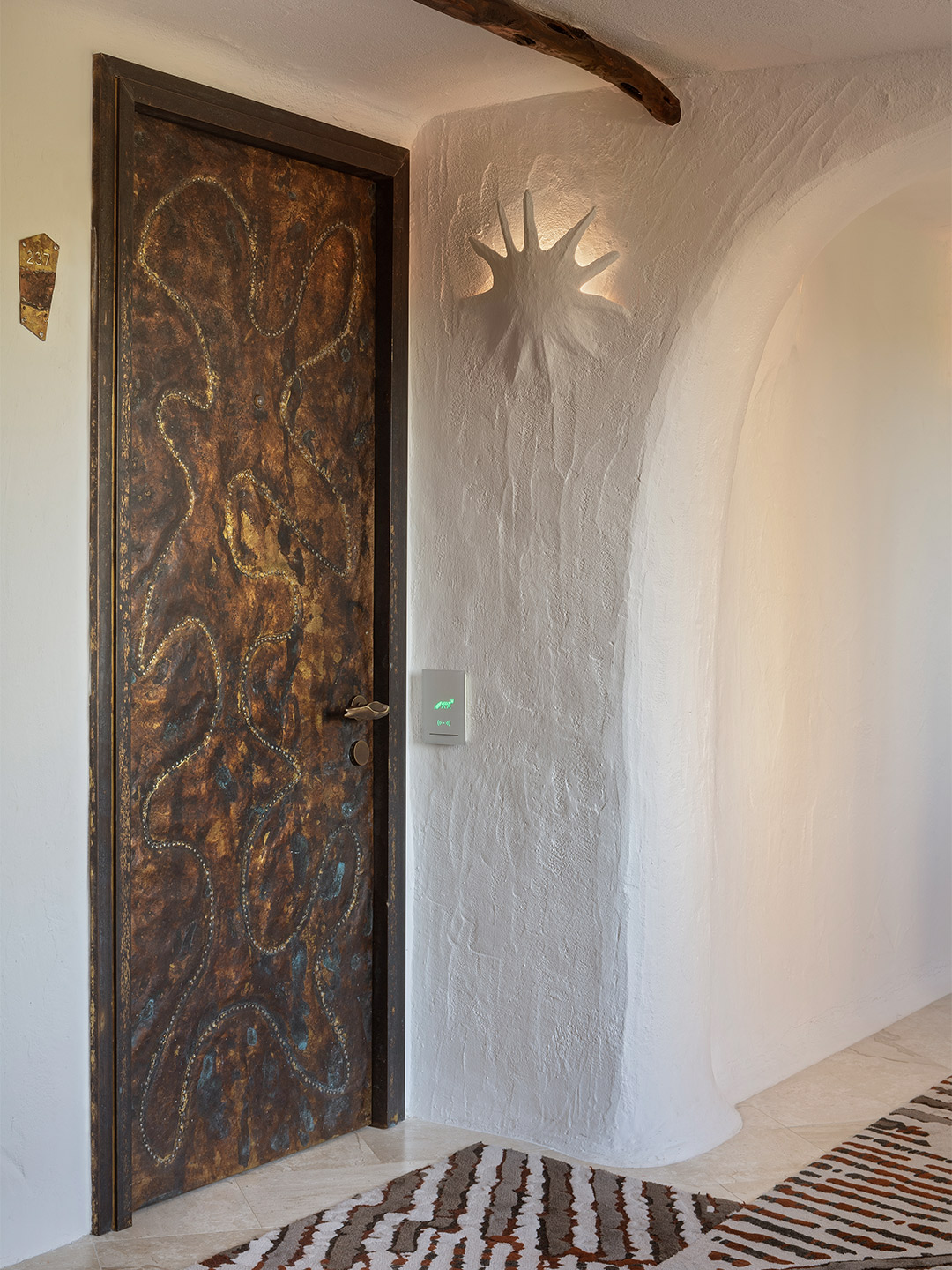
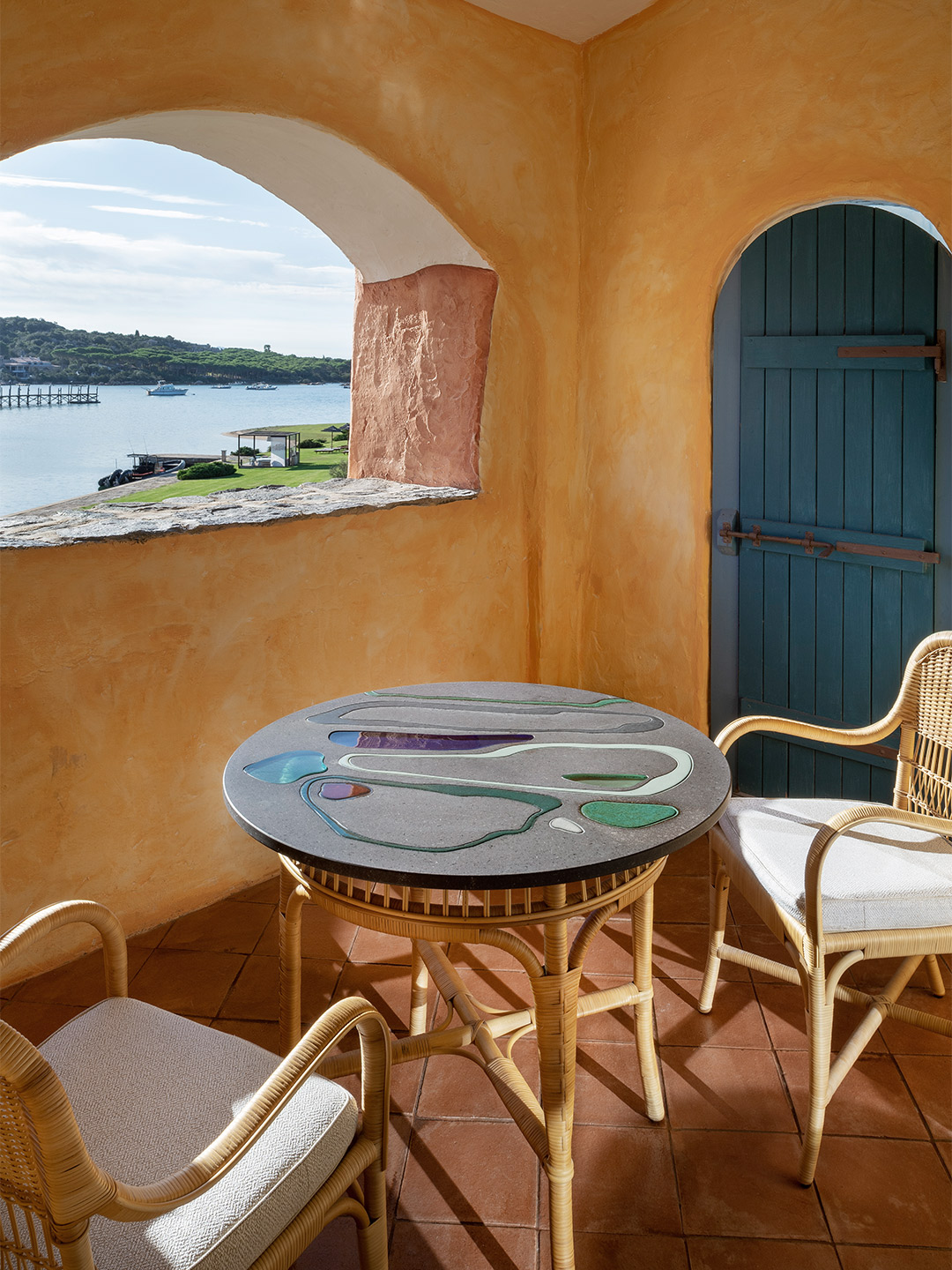
The powerful, refuge-like building curves and weaves throughout its expansive waterfront site, with hallways acting as arteries off the beating heart of the hotel’s centre. Throughout, white walls are punctured with both new and original coloured glass artworks – tonal lenses through which the beauty of the coastline is framed, sending waves of tinged light across the rustic surfaces. Windows and doorways in the guest rooms act as organically shaped portals, or invitations to the blue horizon beyond, each as beguiling as the next.
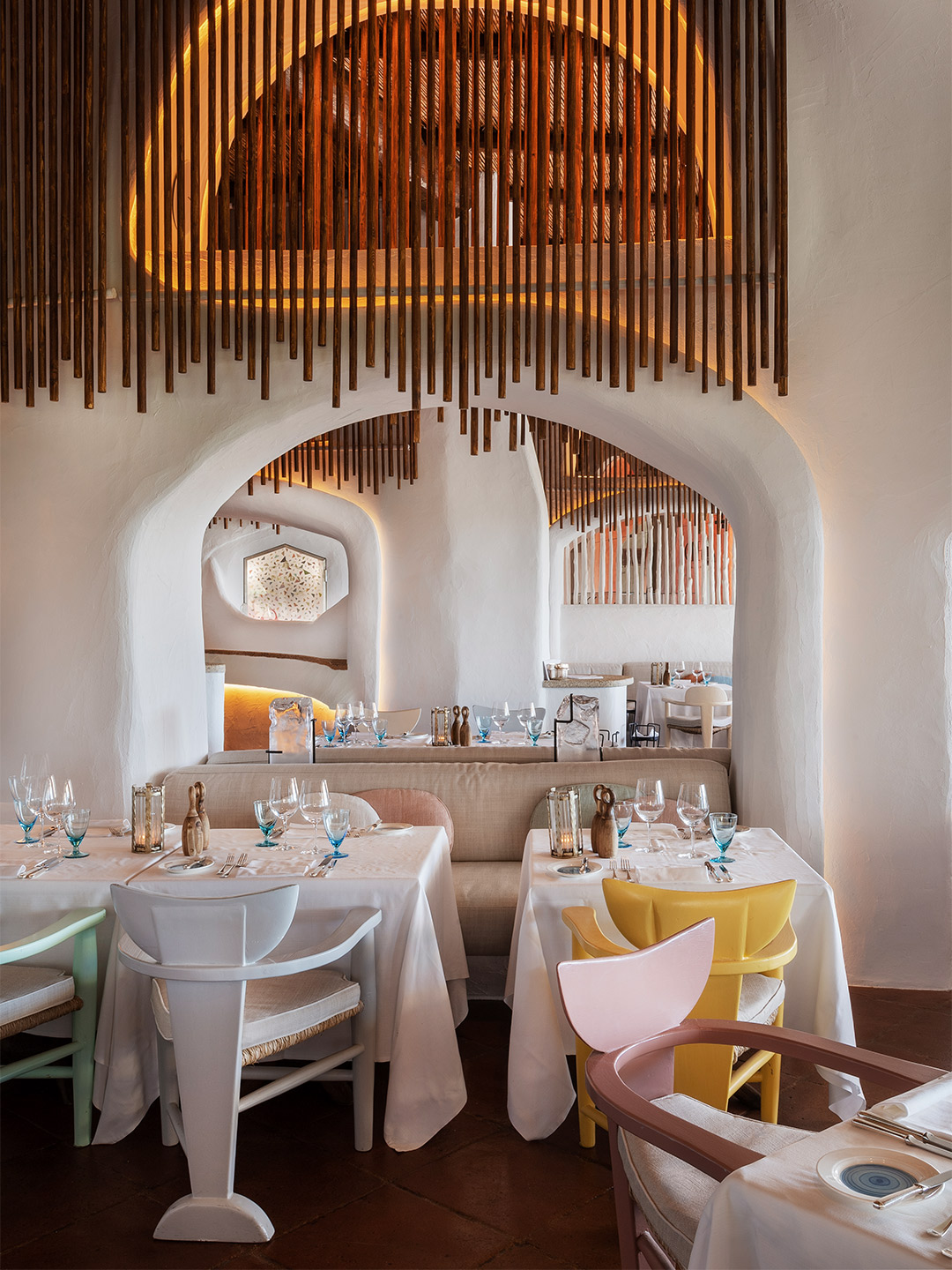
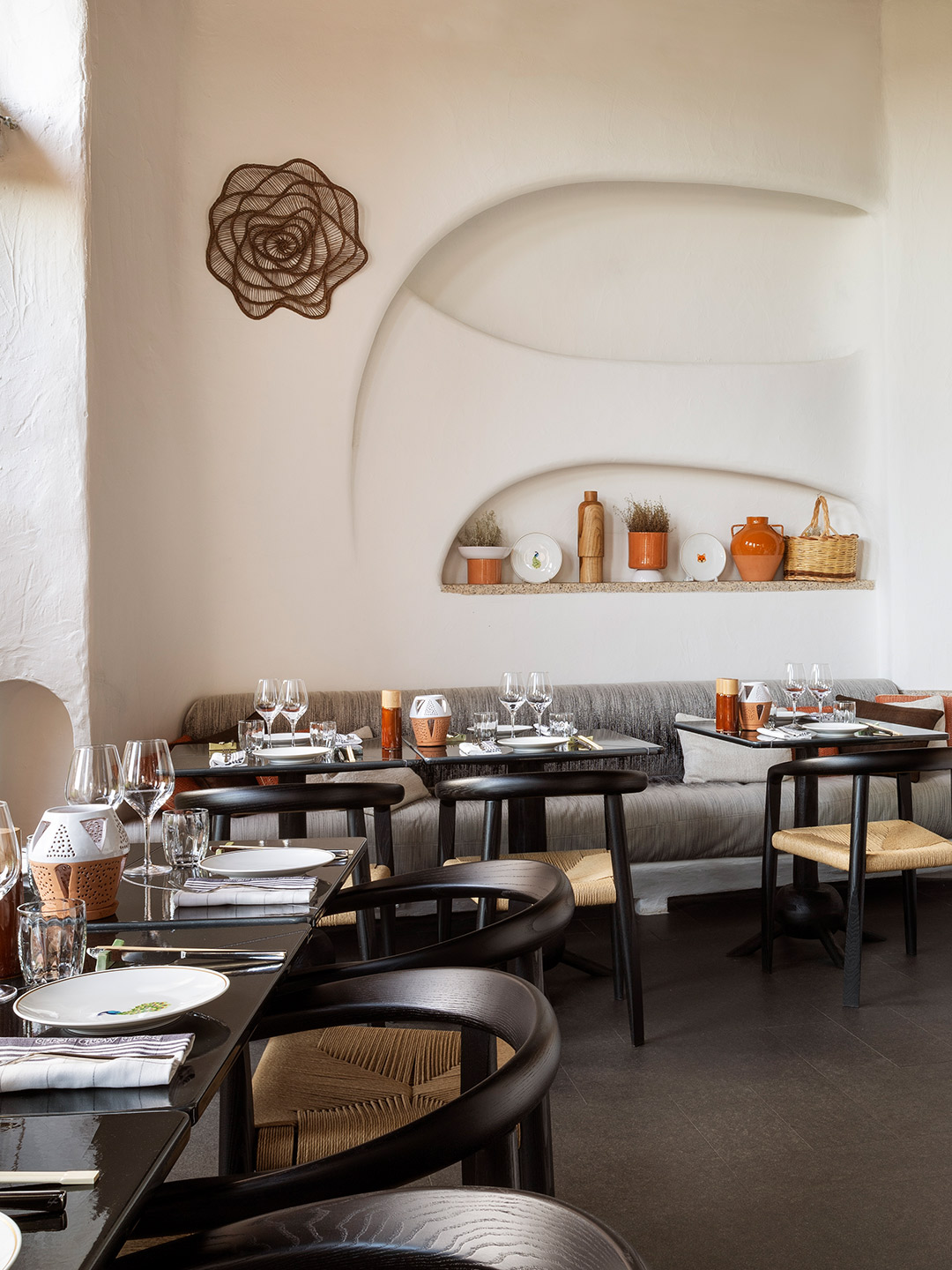
Perhaps where the renovation shines most is in its contemporary interpretation of the hotel’s many dining spaces – Le Grand, The Atrium Bar, Beefbar and The Pool Bar (the hotel is also home to Italy’s only Nobu Matsuhisa). Entirely new fit-outs, worthy of their spectacular setting, grace the rustic terracotta and granite floors, with custom bentwood seating, a 2000-bottle wine cellar and a famous maturation cellar in Beefbar showcasing the luxury on offer.
“We wanted to re-explore this maze, awaken the energies that were hiding there, make this living organism breathe again and reinvent the circulation,” Bruno says of his and Claire’s efforts in Sardinia. “As the work progressed, we reunited the Cala di Volpe in a coherent hotel concept, speaking a single language and writing a single story once again.”
marriott.com; moinard-betaille.com
We wanted to re-explore this maze, awaken the energies that were hiding there, make this living organism breathe again and reinvent the circulation.
Love Hotel Cala Di Volpe in Sardinia by Moinard Bétaille Agency? Catch up on more architecture and design highlights. Plus, subscribe to receive the Daily Architecture News e-letter direct to your inbox.
Related stories
- Artful lodger: Inside the Ace Hotel Sydney by Flack Studio.
- Haute hotel: Inside the long-awaited Aman New York.
- Checking in: Downtown LA Proper Hotel by Kelly Wearstler design studio.
- Inside the Saint-André des Arts Hotel in Paris by Studio Chloé Nègre.
- Step inside Hotel June, the Proper’s suave Californian spin-off.