When planning the multi-purpose Ngói Space in northern Vietnam, H&P Architects looked to the region’s naturally formed cave systems for inspiration. The Hanoi-based designers also sought lessons from the structure of majestic banyan and bodhi trees, whose mature canopies shelter many kinds of symbiotic plants. “Architecture can be, in a sense, analogous to a tree with its branches and leaves that intertwine and spread out, forming various layers for use,” say the H&P team.
Situated prominently on a corner site, the Ngói building features a striking cellular brise-soleil composed of reclaimed terracotta roof tiles. The classic reddish-coloured tiles are stacked vertically against the five-storey facade, in three typical formations, and perform the vital tasks of filtering the hot sun, offering shade and inviting cross-breezes to keep the interiors cool.


Ngói Space in northern Vietnam by H&P Architects
Beyond the dazzling “curtain” facade, the tiles are also employed as internal walls, where they appear closely sandwiched together. It’s from the inside, too, that the play of light and shadow facilitated by the patterned facade is realised in full effect. Featured inside and out, the tiles were the “natural option,” the architects say. Not only because it’s a material that is familiar to most Vietnamese people, but also due to the increased supply currently destined for landfill – a result of hasty redevelopment throughout the country.
“The ongoing rapid urbanisation and increasing population has [led to] major demand for more areas for residences nationwide,” the architects explain. “Many single-storey tiled-roof houses have been demolished, and the tiles on those roofs are still considered construction waste, not to be reused.”


In response, the Ngói Space was created to change this mindset; the building takes the discarded roof tiles that have long defined the local architectural fabric and demonstrates how they can be reused, cleverly and beautifully. But the building also delivers to the surrounding community a vibrant arts and culture hub, with exhibition spaces, open-plan meeting rooms and two cafes, including a rooftop coffee shop that takes in district views.
“On a larger scale, [the building] orientates users towards a sustainable tomorrow,” the architects say. “From the perspective of reaching back to the past to recognise and rediscover the core and hidden values [of the old tiles], and using those values to create spaces of the future.”
Architecture can be, in a sense, analogous to a tree with its branches and leaves that intertwine and spread out, forming various layers for use.


Catch up on more architecture, art and design highlights. Plus, subscribe to receive the Daily Architecture News e-letter direct to your inbox.
Related stories
- ‘The Apple tree’ by Foster + Partners blossoms in Bangkok.
- Carla Sozzani curates new colours for classic Arne Jacobsen chairs.
- Adam Goodrum stamps all-Australian style on new breezeblock design.
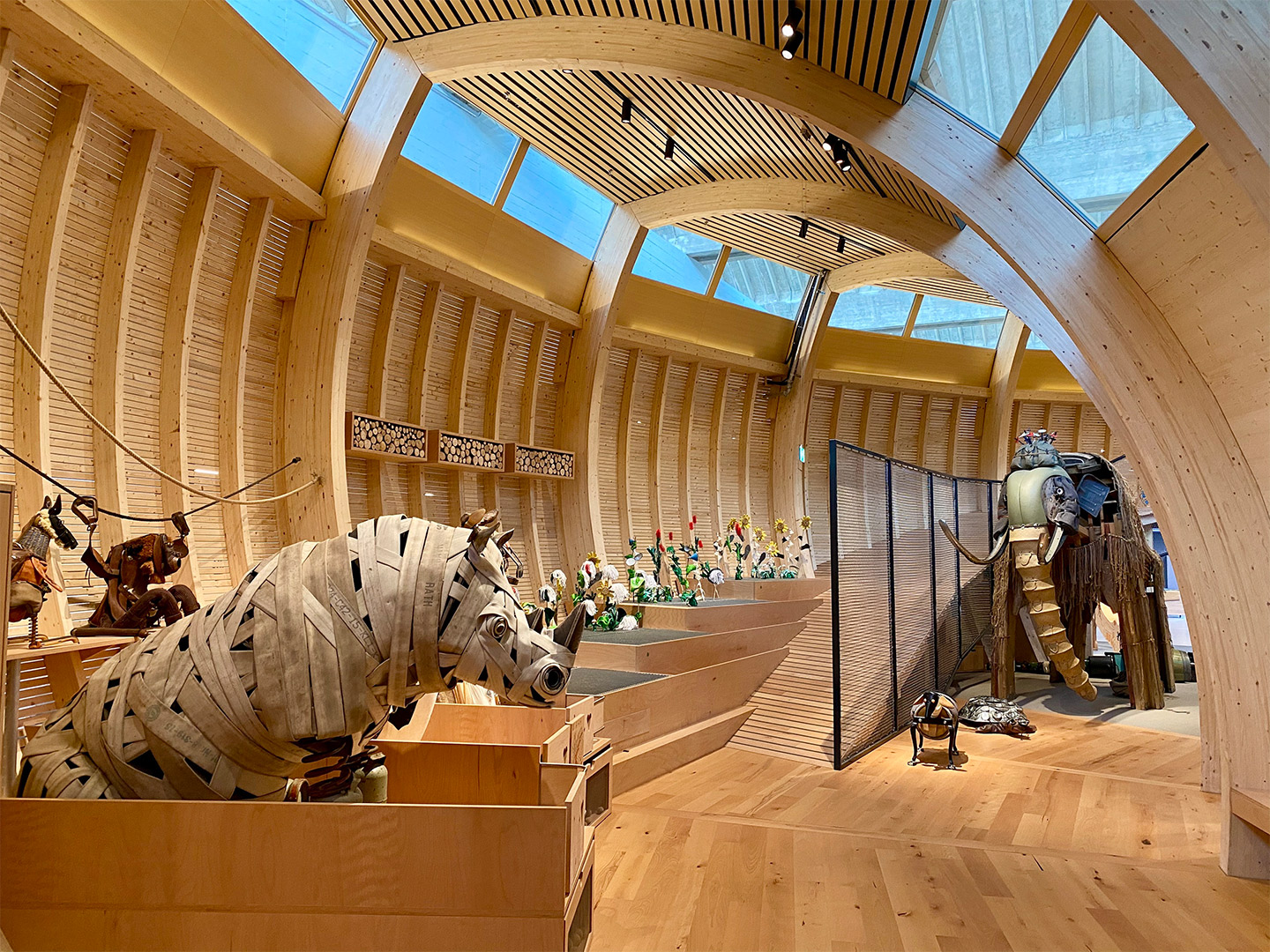
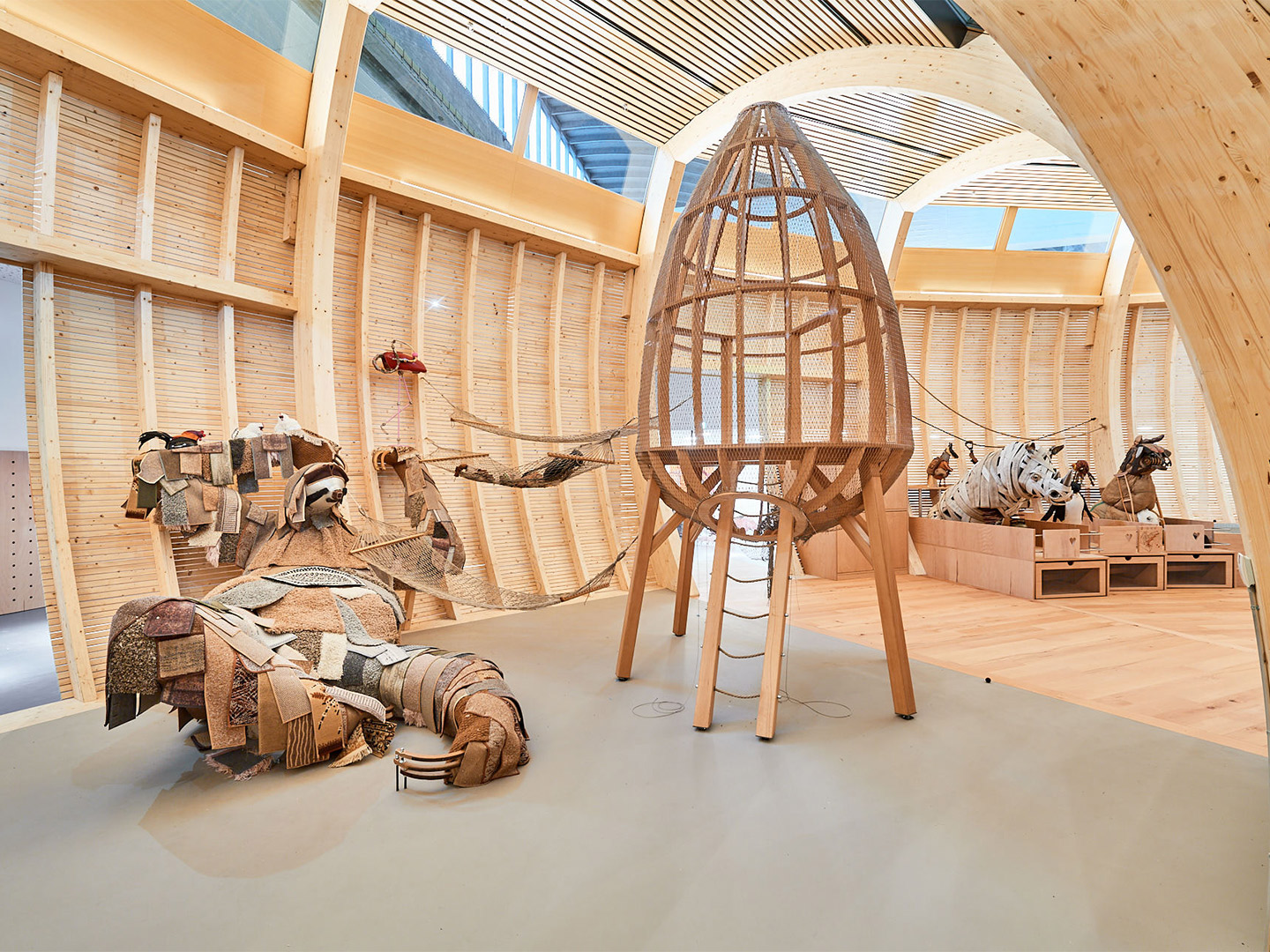
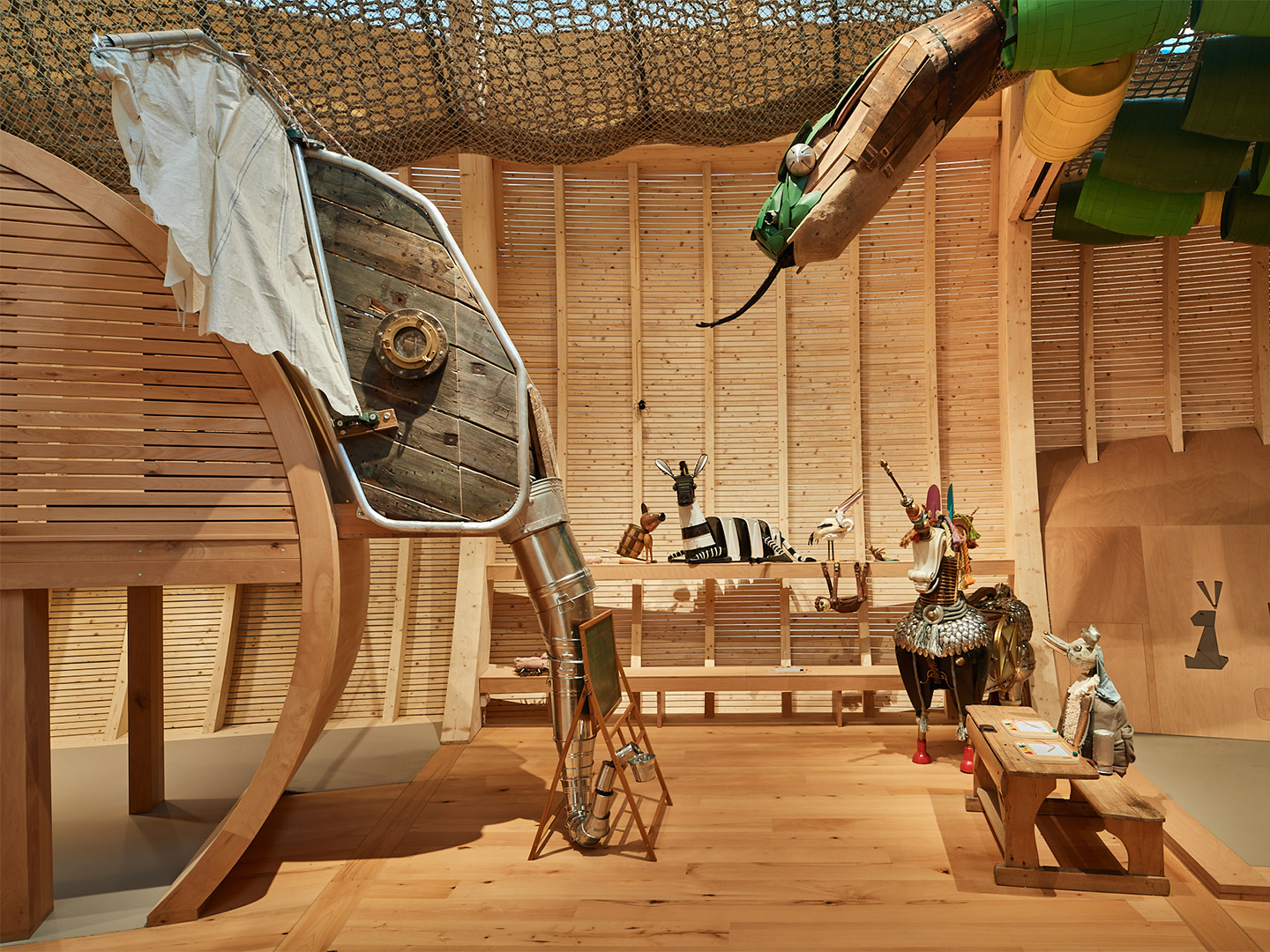
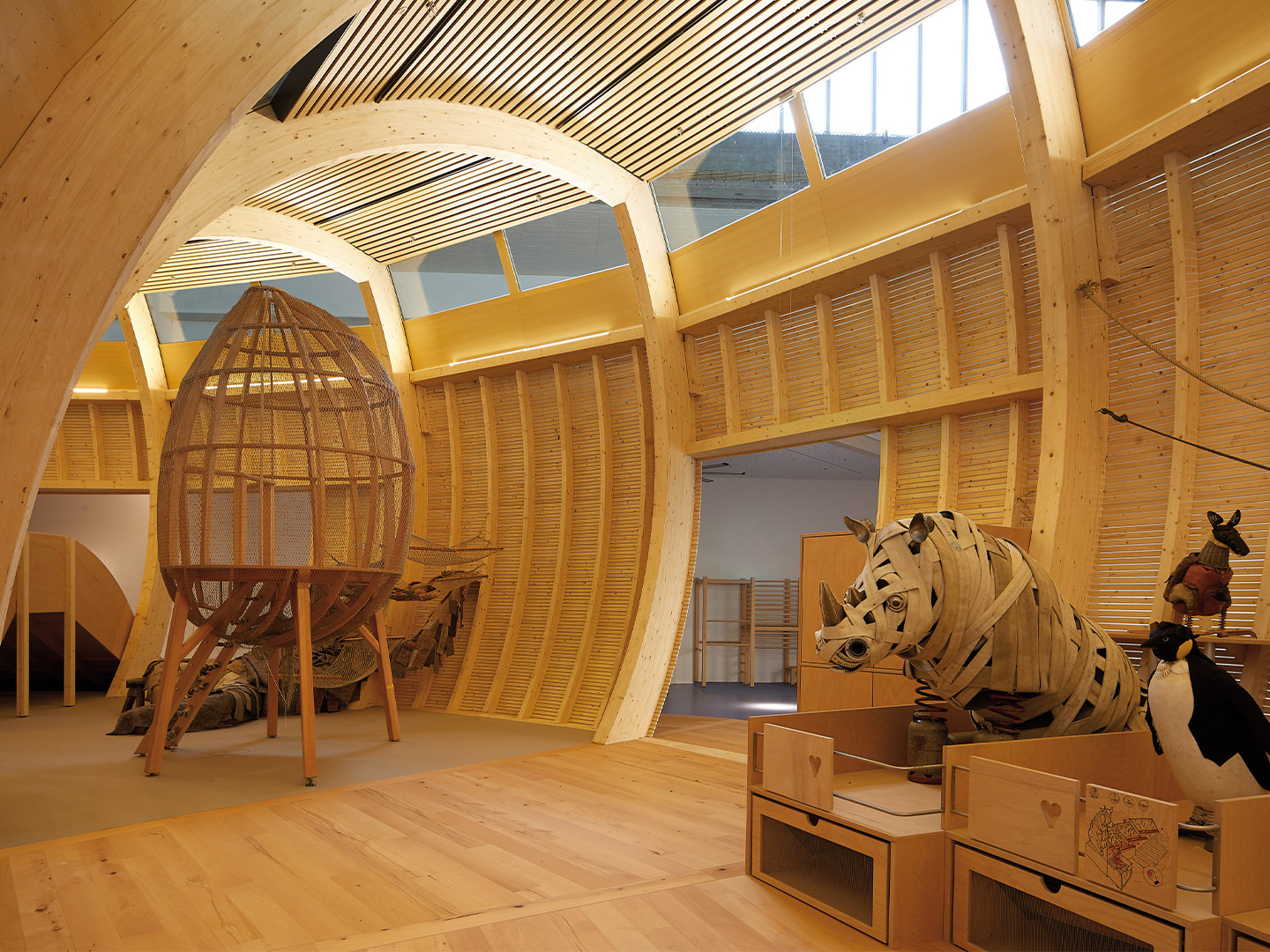
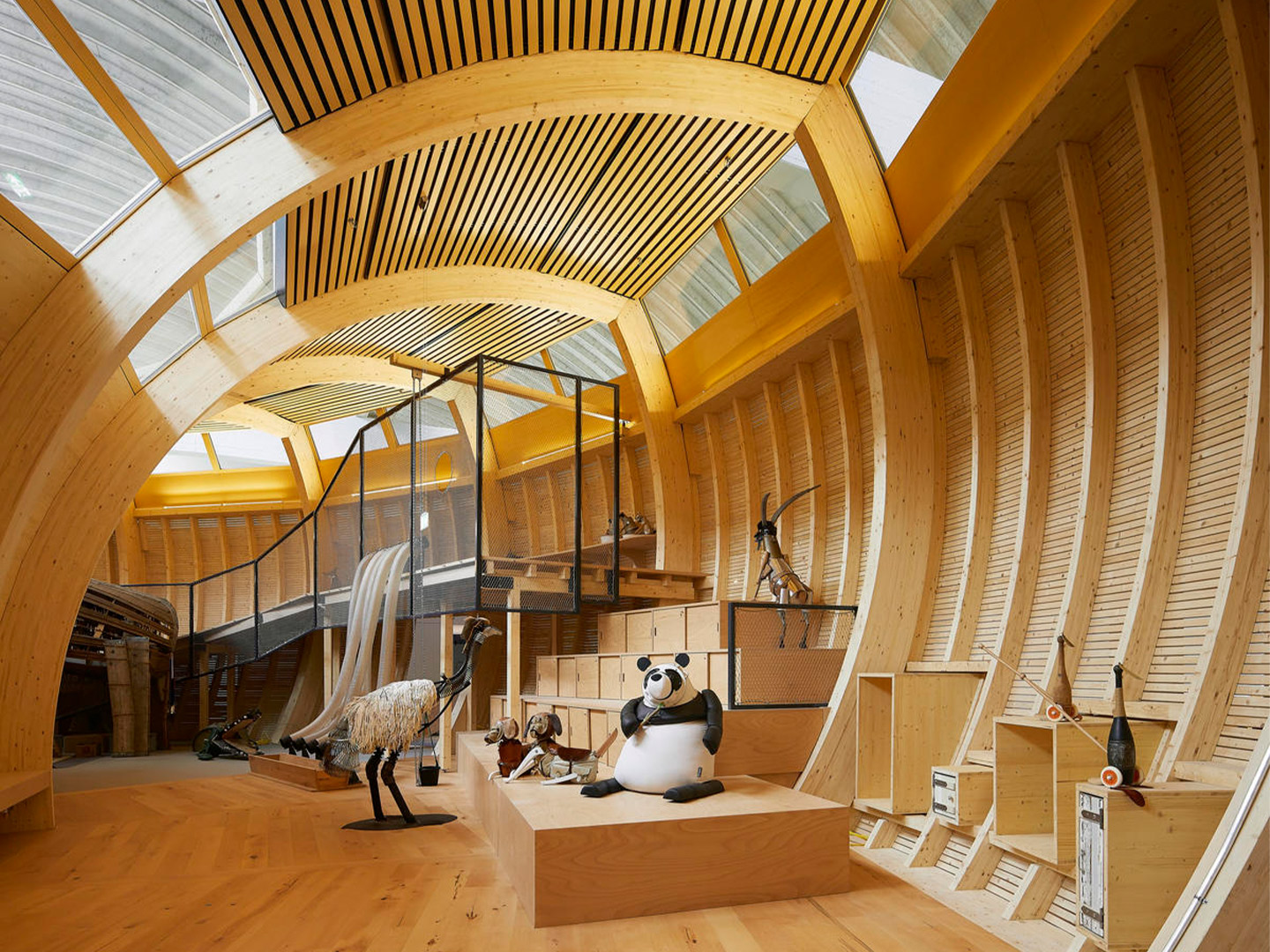
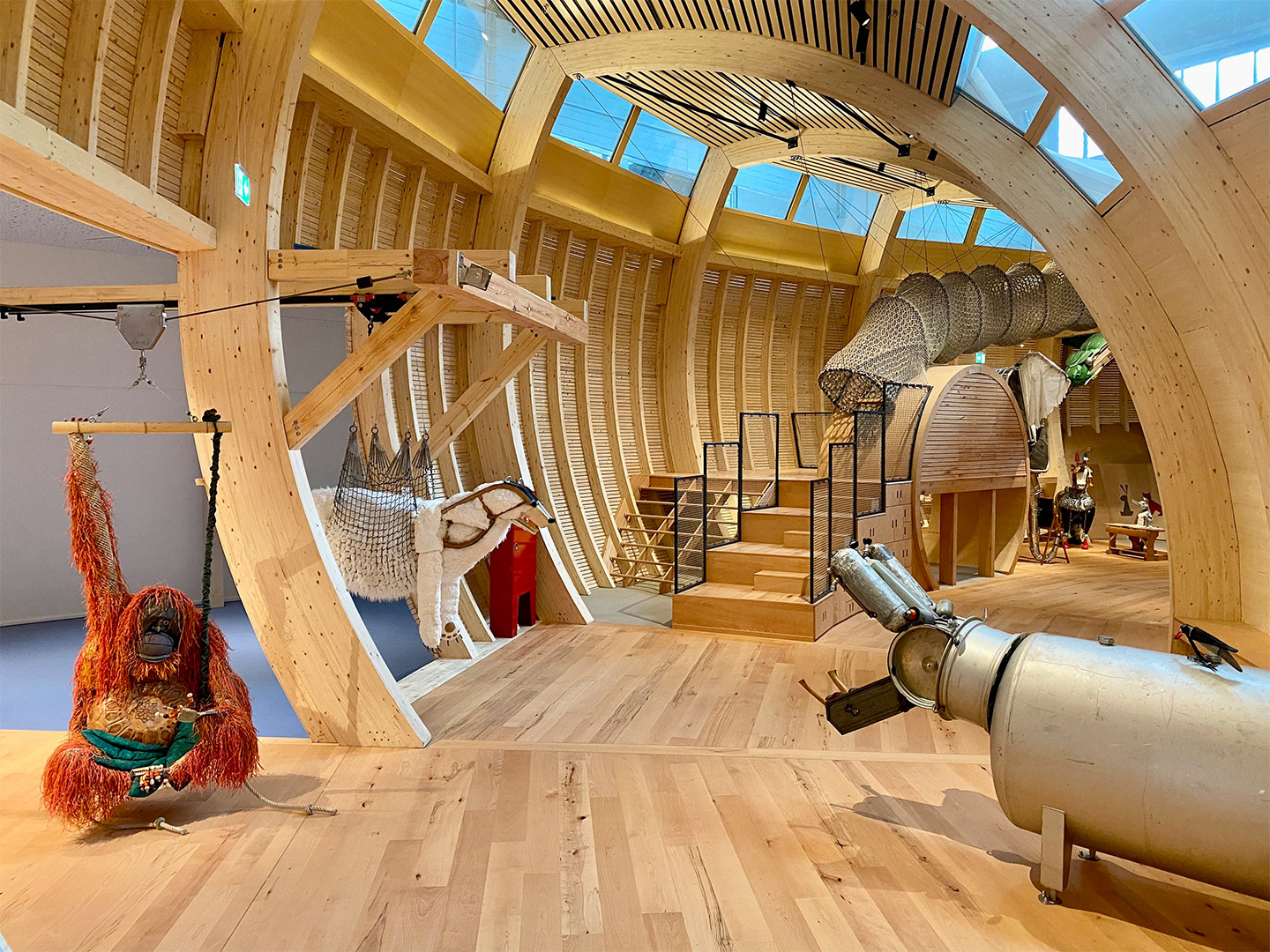
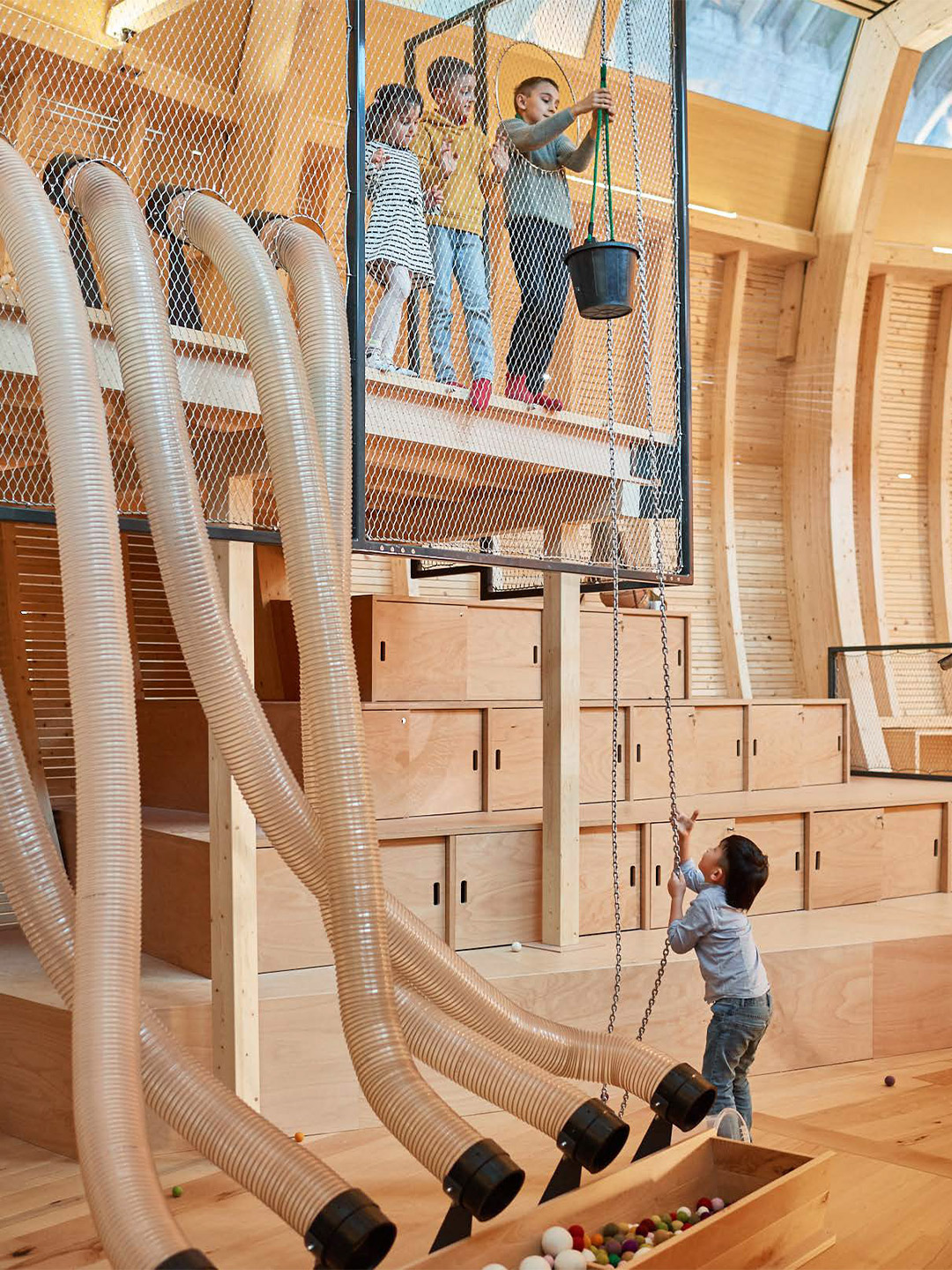
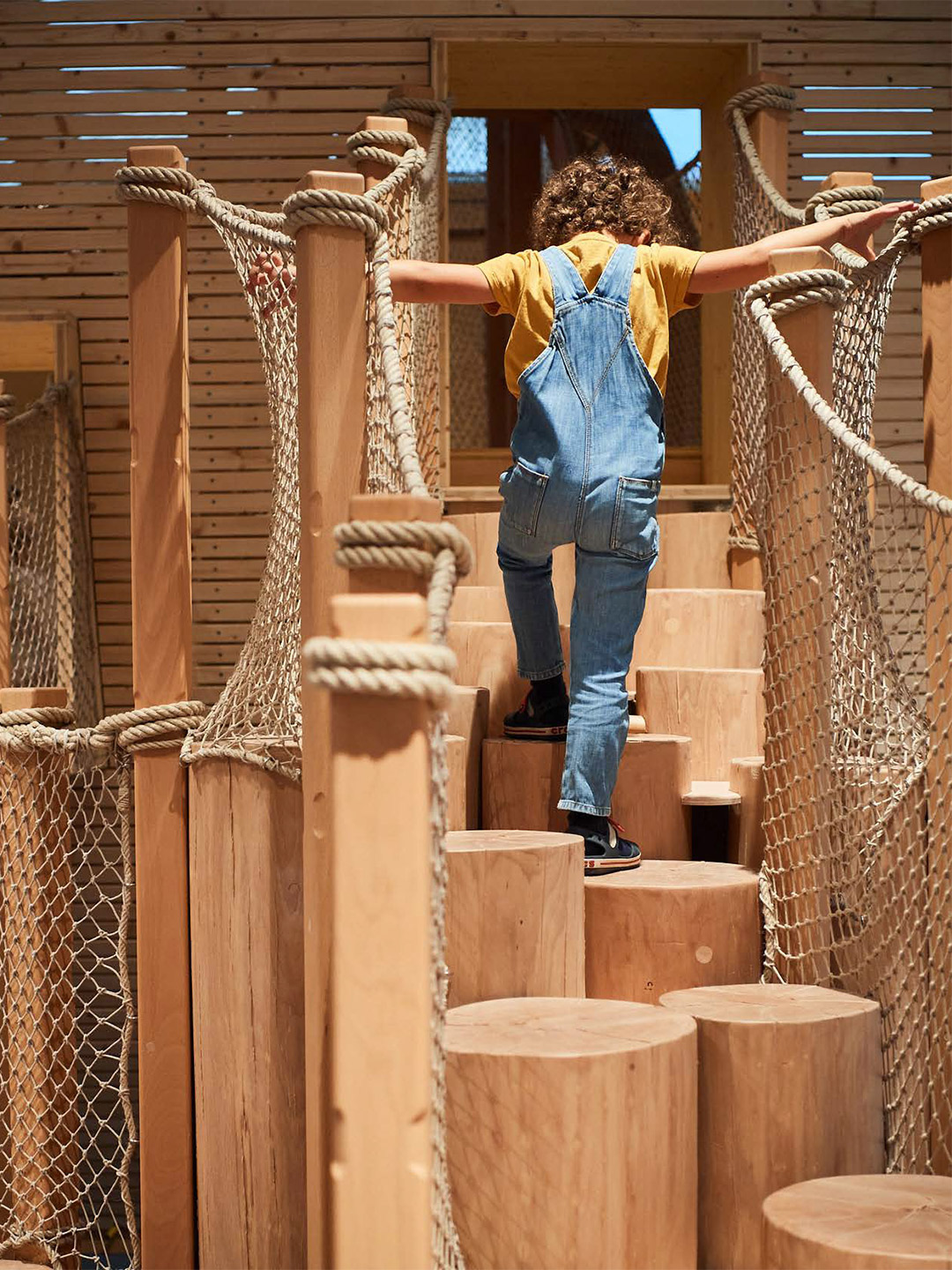
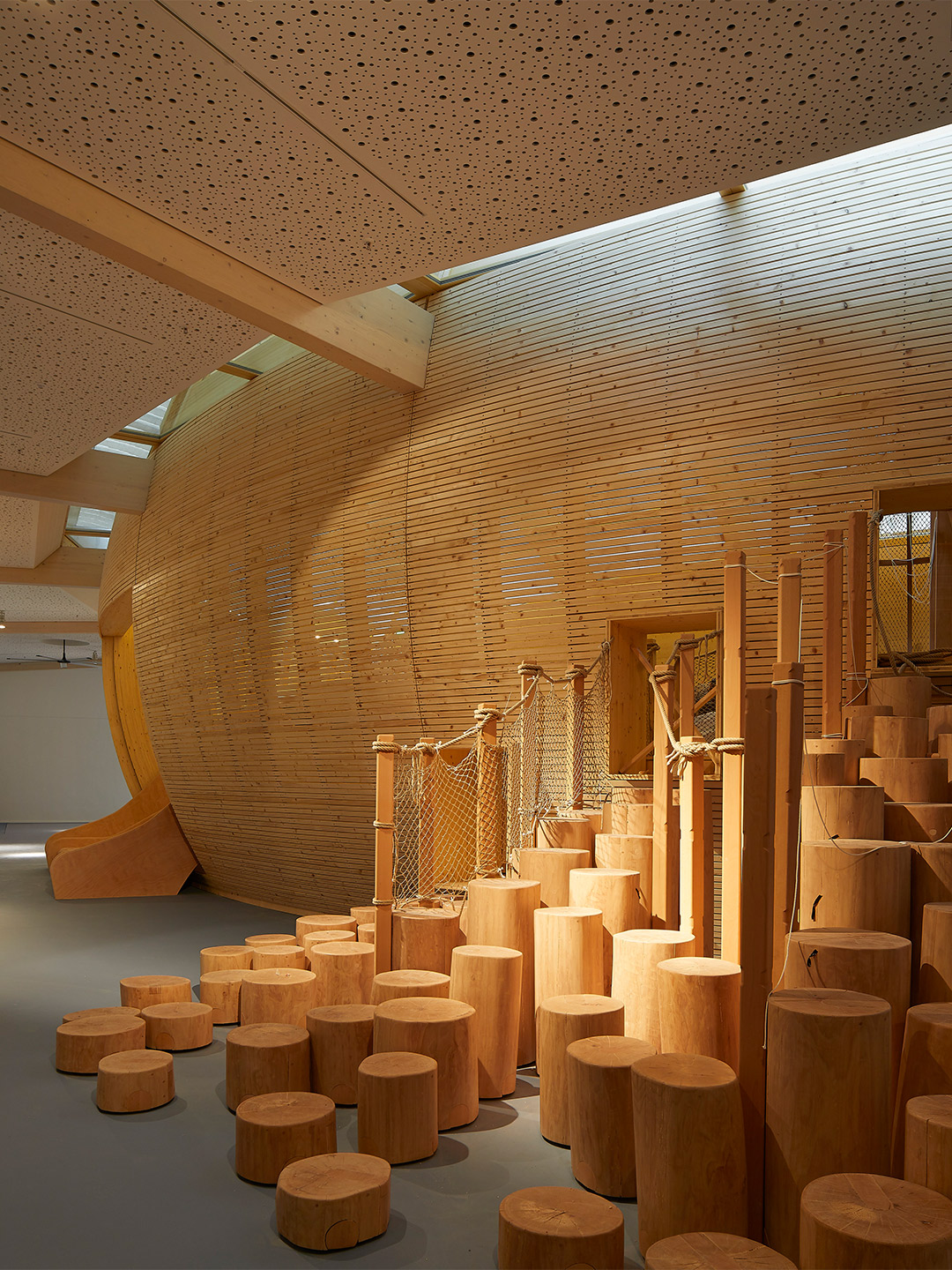
Designed by Seattle-based architecture practice Olson Kundig, ANOHA Children’s World has opened at the Jewish Museum Berlin. The fun-first facility welcomes kids of all ages to explore, play and “try things out”. Constructed inside a former wholesale flower market, opposite the main museum building, ANOHA is spread across 2700 square meters. The centrepiece of the project is a seven-meter-tall timber ring that stretches 28 meters in diameter.
The circular structure is inspired by the more than 4000-year-old Mesopotamian story of the ark. But the architects at Olson Kundig say that it resembles a “spaceship”, too. Visitors to ANOHA Children’s World are invited to step onboard the craft and unleash their imaginations, fuelled by the Jewish concept of tikkun olam which calls on each of us to make the world a slightly better place.
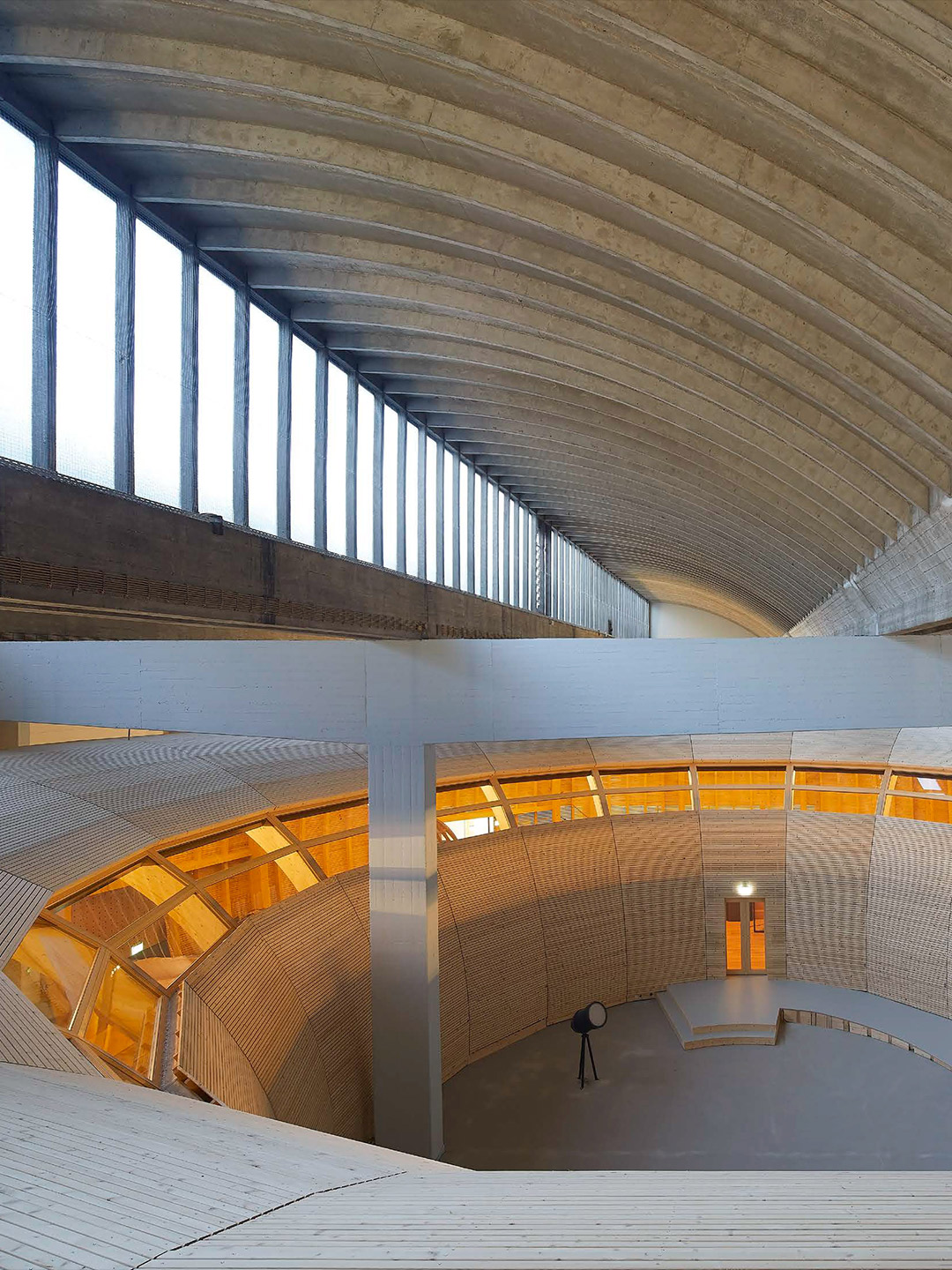
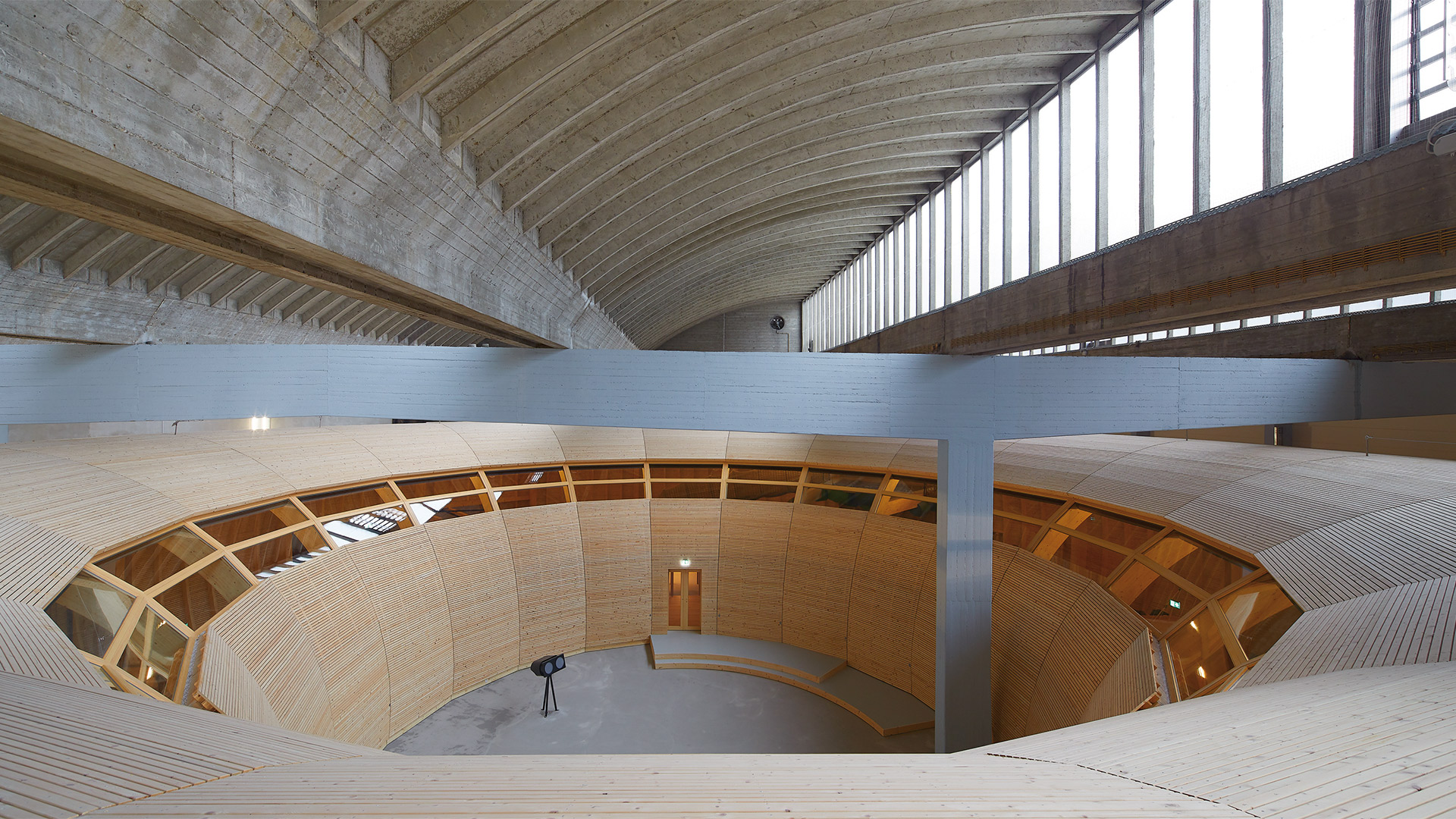
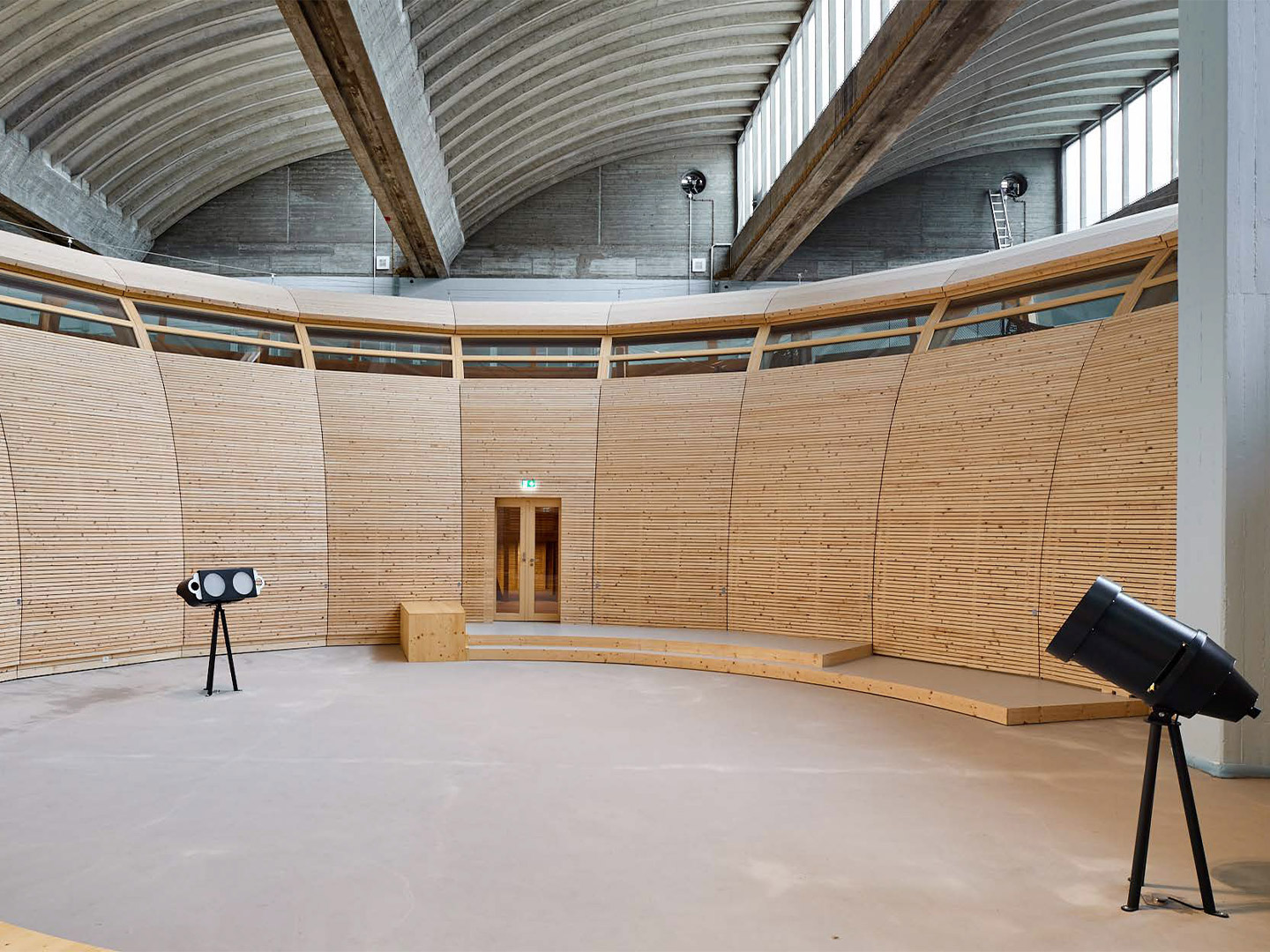
Jewish Museum Berlin: ANOHA Children’s World by Olson Kundig
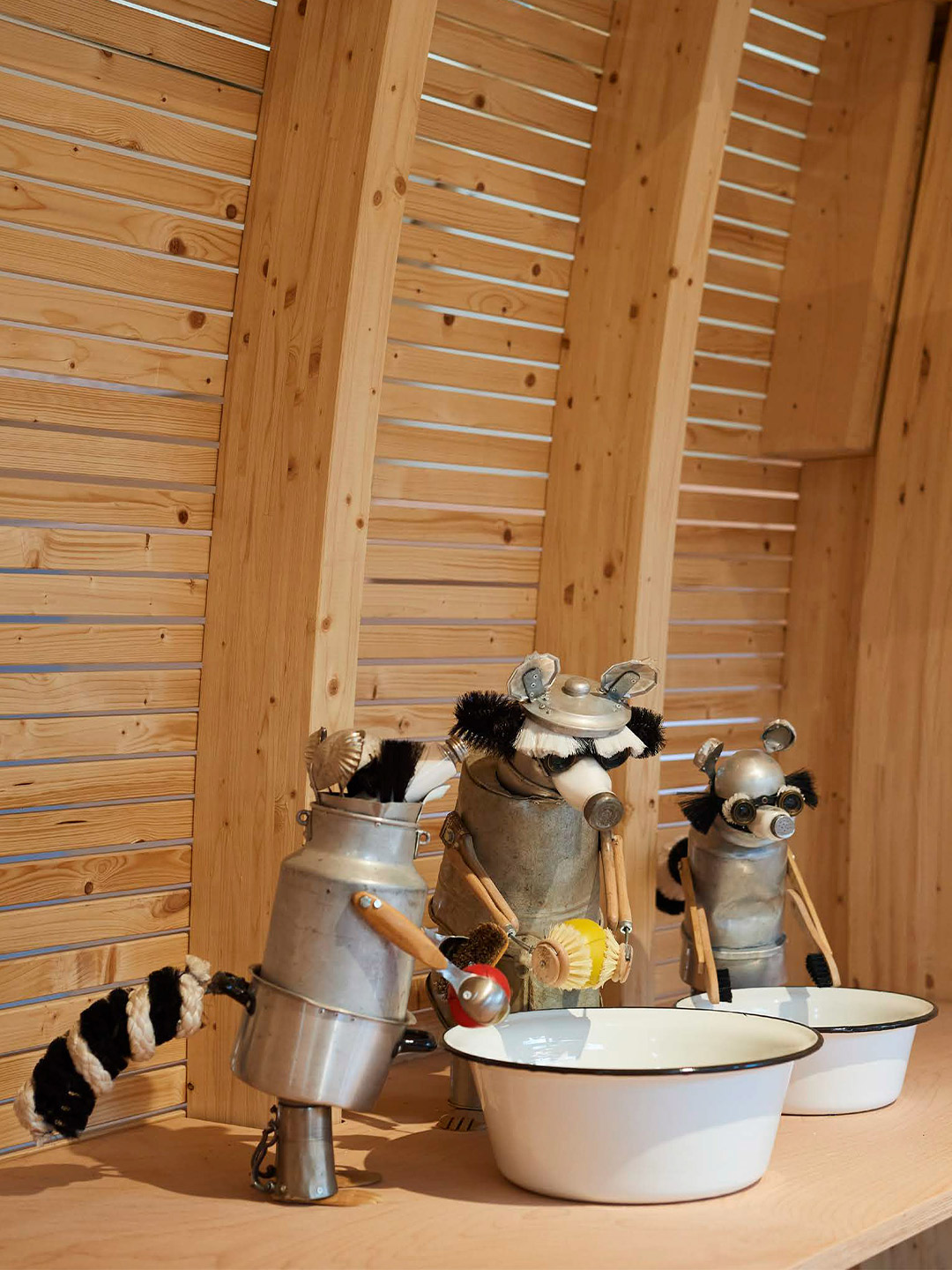
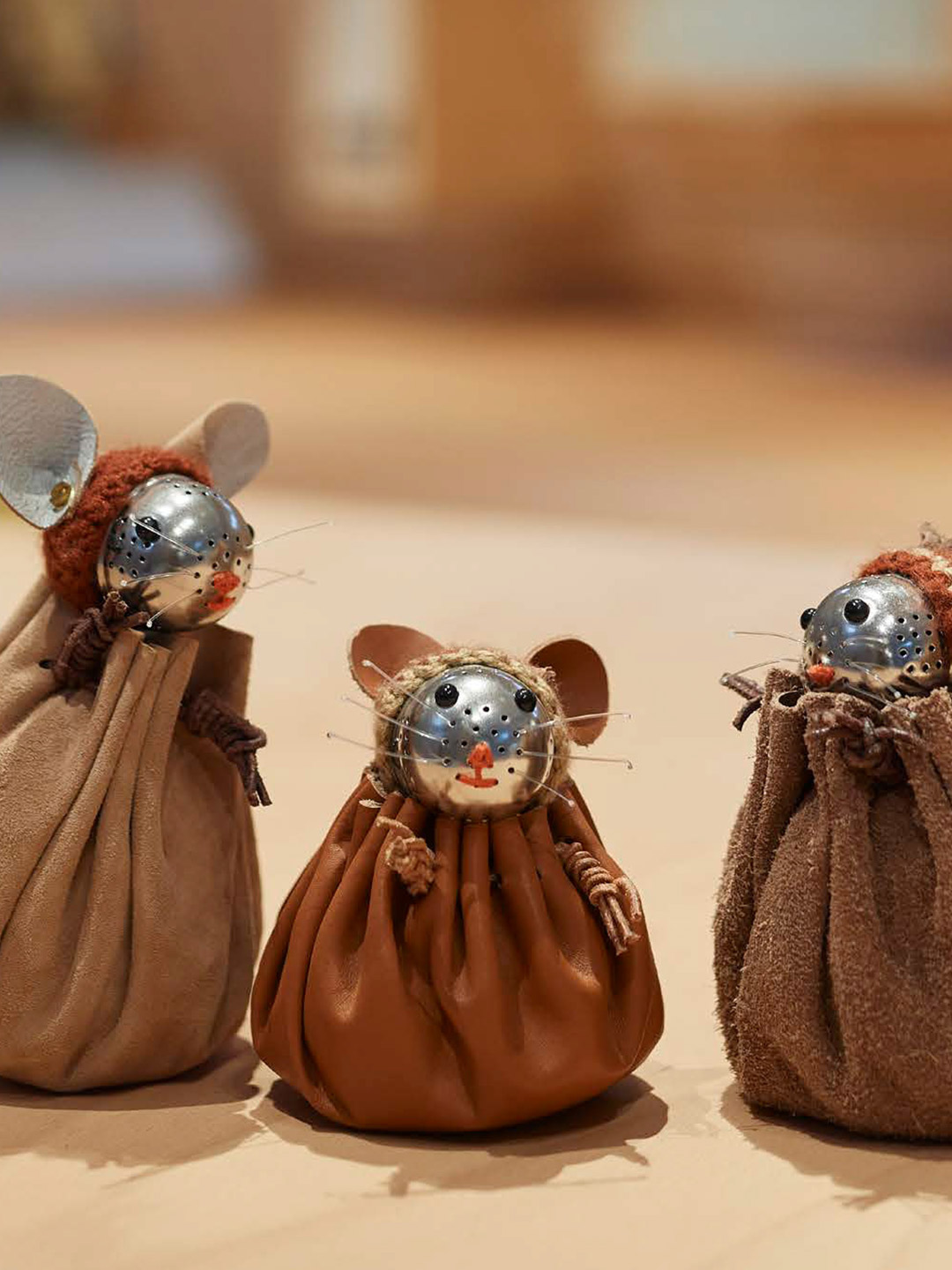
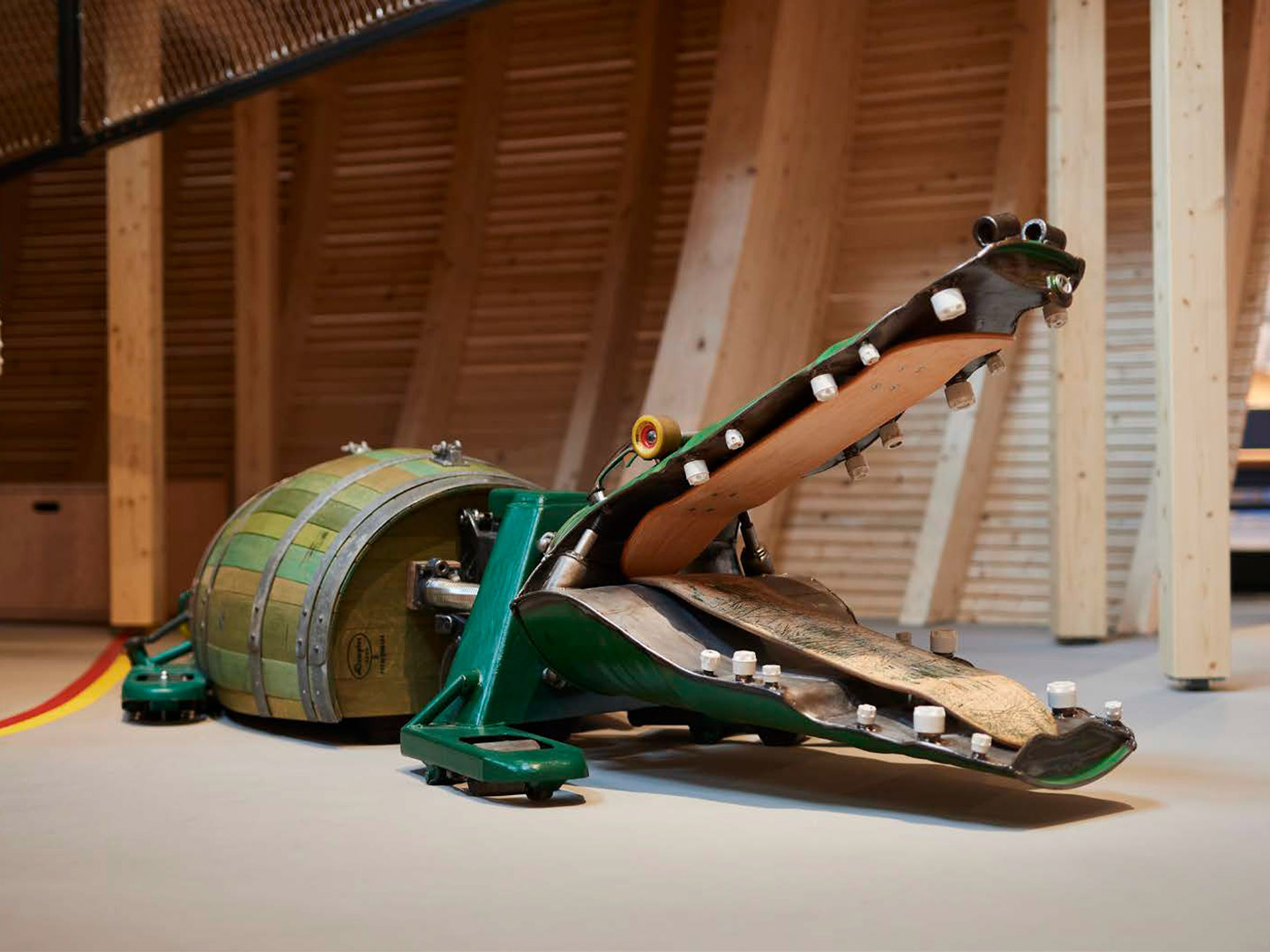
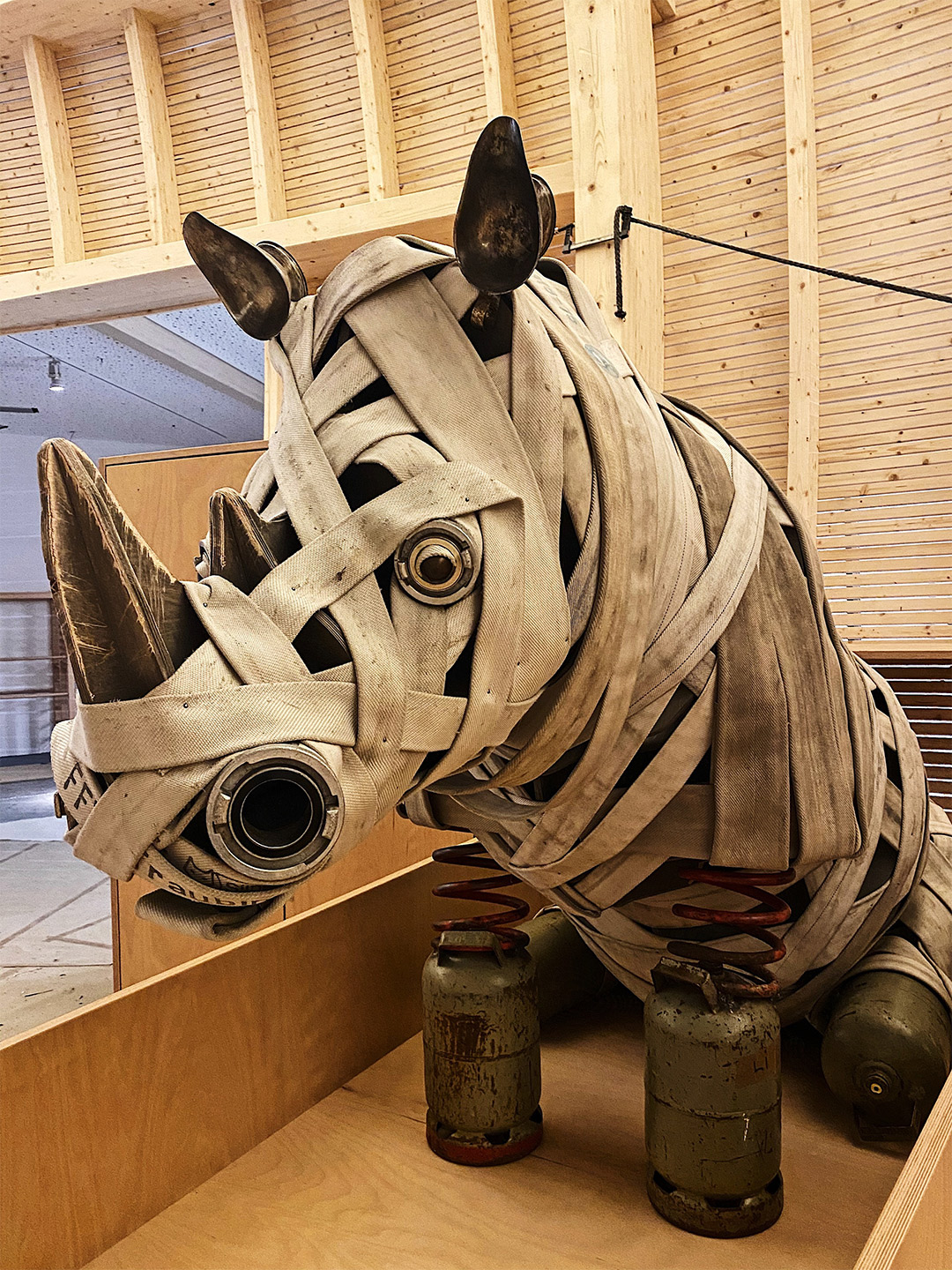
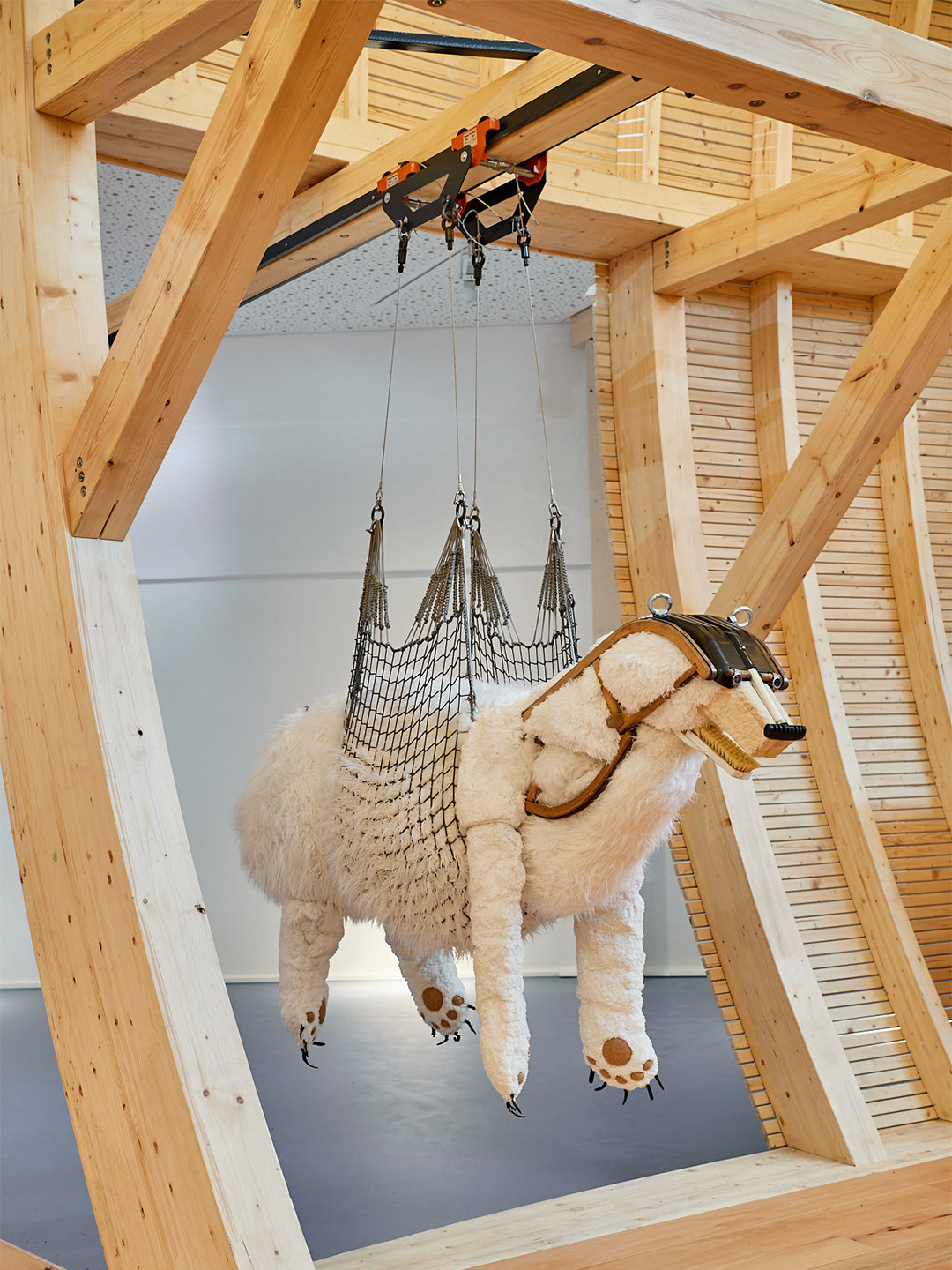
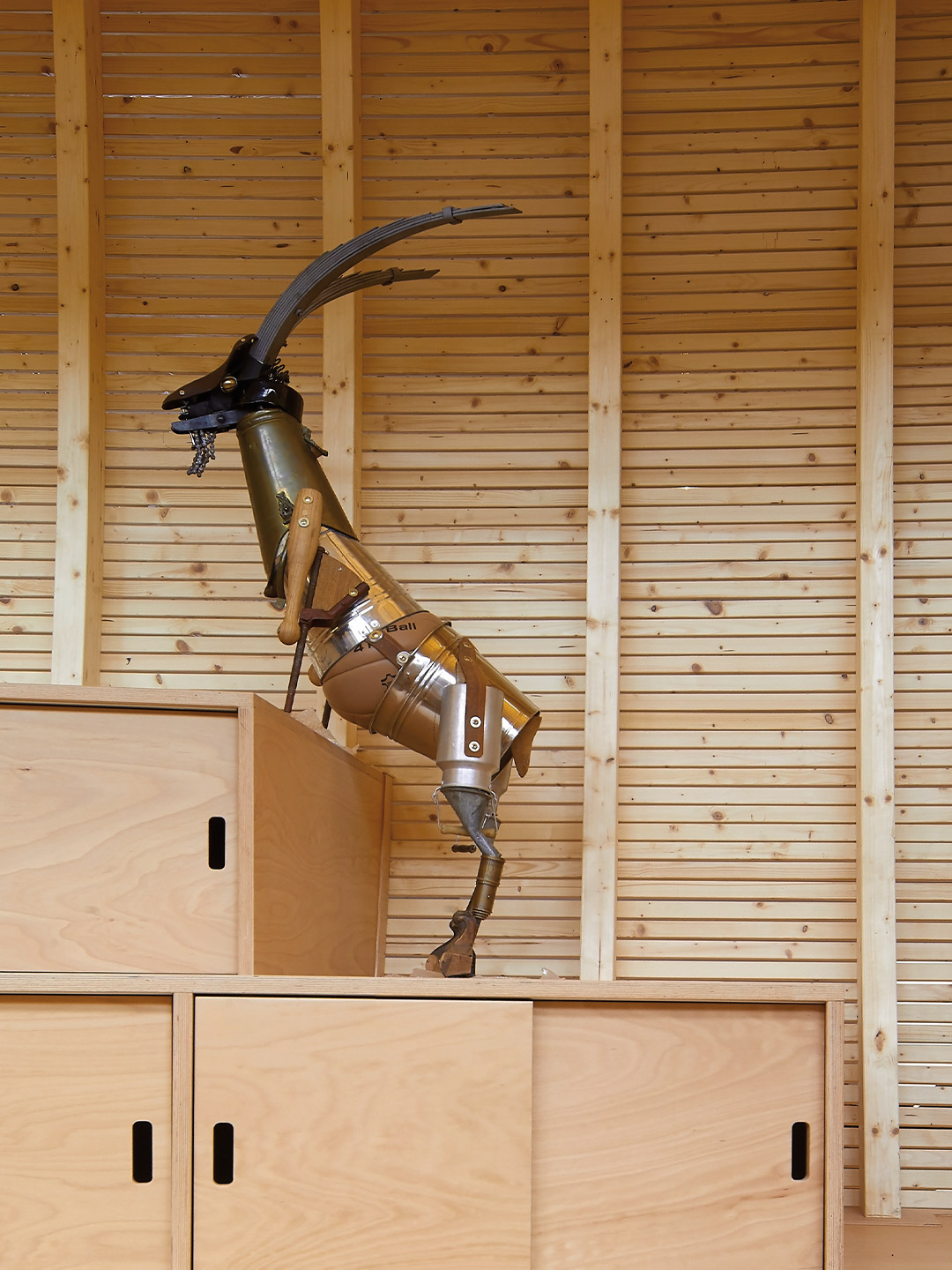
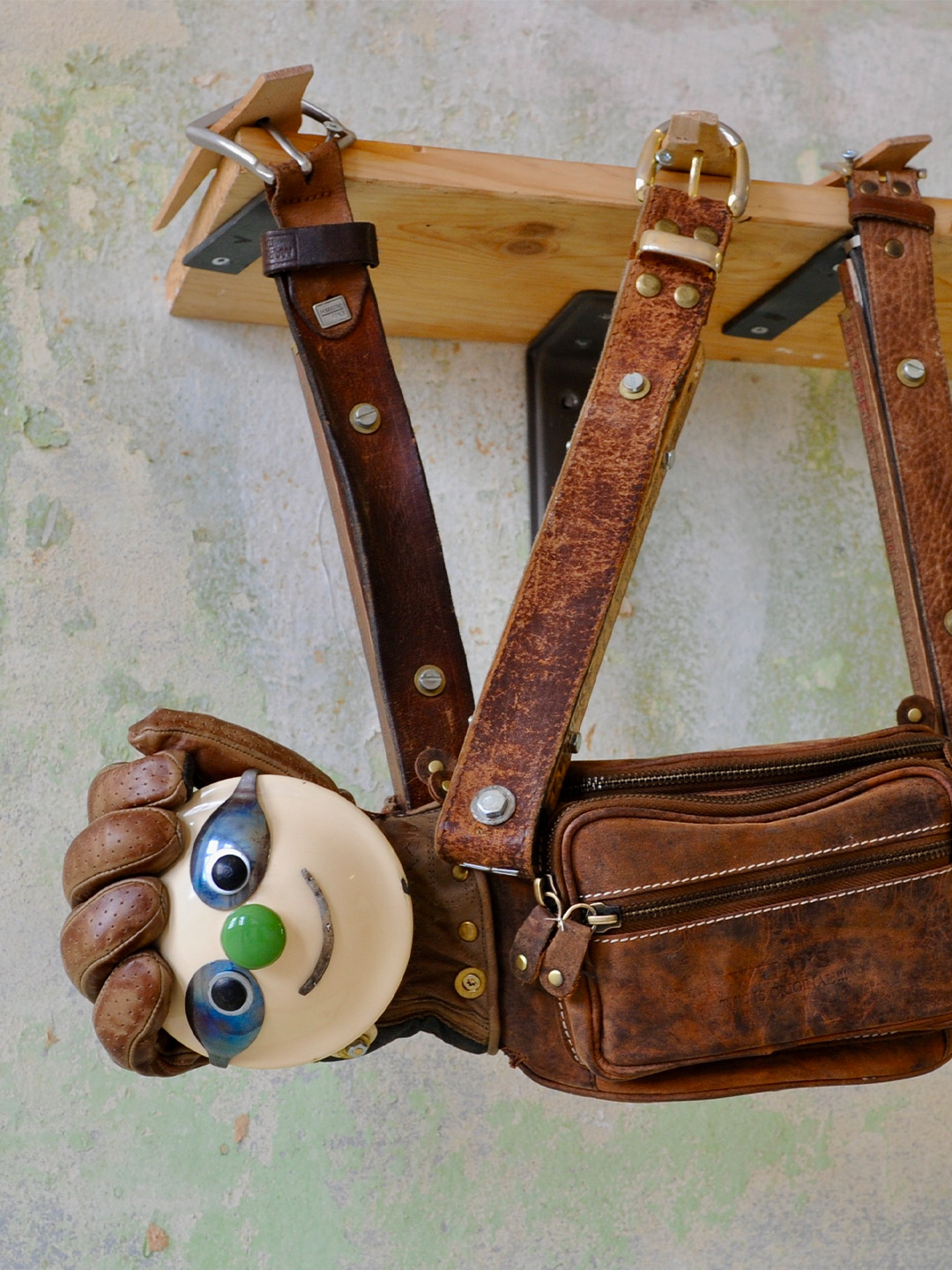
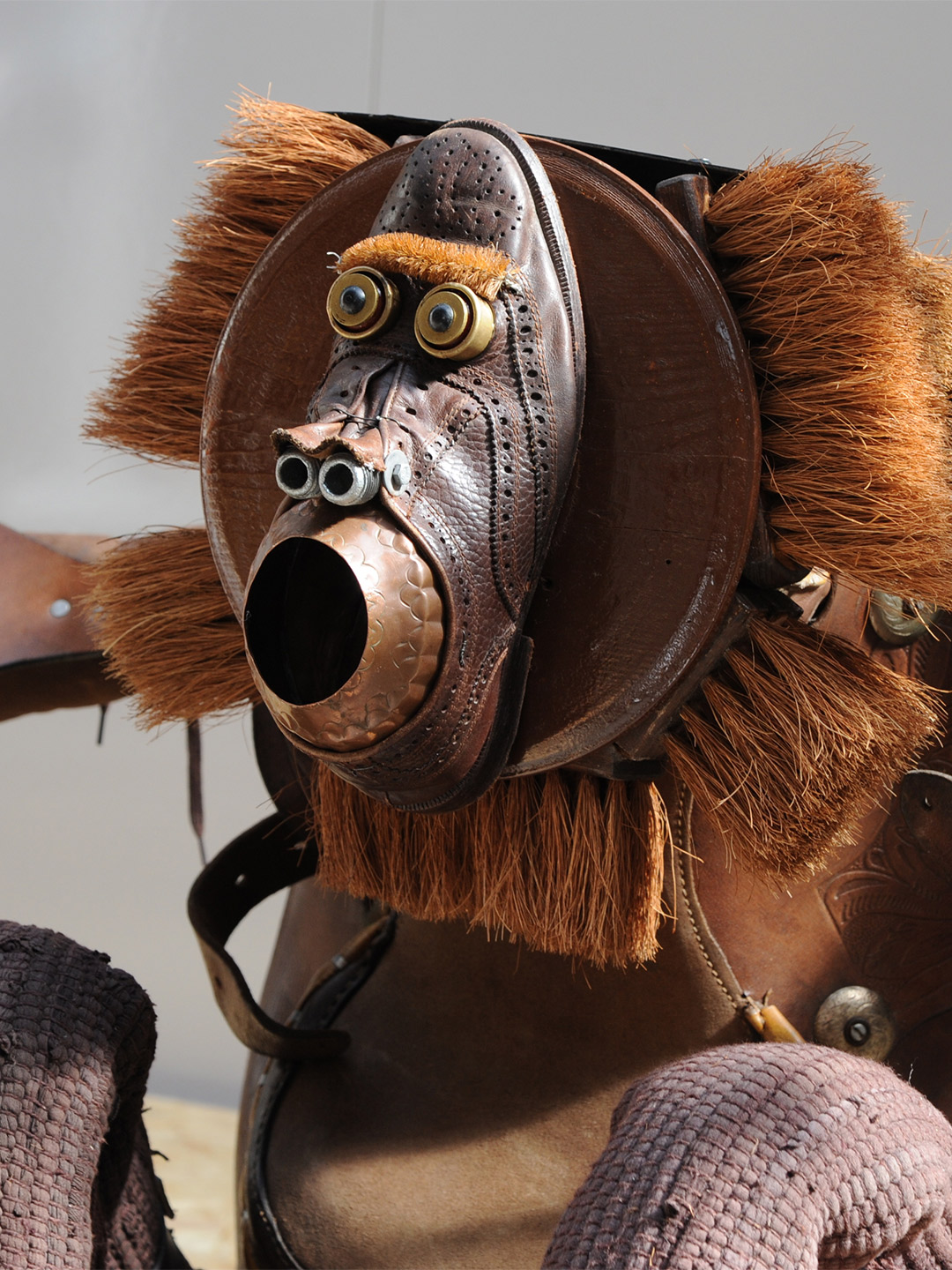
The ark-inspired tale wouldn’t be complete without a zoos-worth of beasties. So a cohort of artists created 150 animal sculptures to inhabit the timber structure. The talented team used everyday junk such as discarded fire hoses, suitcases, bamboo steaming pots, soccer balls and other upcycled wares to fashion familiar-looking faces. The animals now communicate different themes – from legends and folklore to raising awareness of critically endangered species, such as the polar bear threatened by a rapidly melting habitat.
The Jewish Museum Berlin draws an unusually young crowd for a cultural history museum: one in five visitors is under the age of 20. However, the core and temporary exhibitions primarily cater towards adults and teenagers. Hetty Berg, the director of the Jewish Museum Berlin, is pleased that the institution now offers a targeted experience for kids and family groups. “Children’s World is envisioned as a place of encounter between generations, religions and cultures, for people from Kreuzberg, Berlin, and beyond,” she says.
“With the opening of ANOHA, we are now offering a new place for even the youngest among us to play and learn while further strengthening our ties in our own neighbourhood. This is somewhere to enter into a playful conversation about questions that affect everyone.”
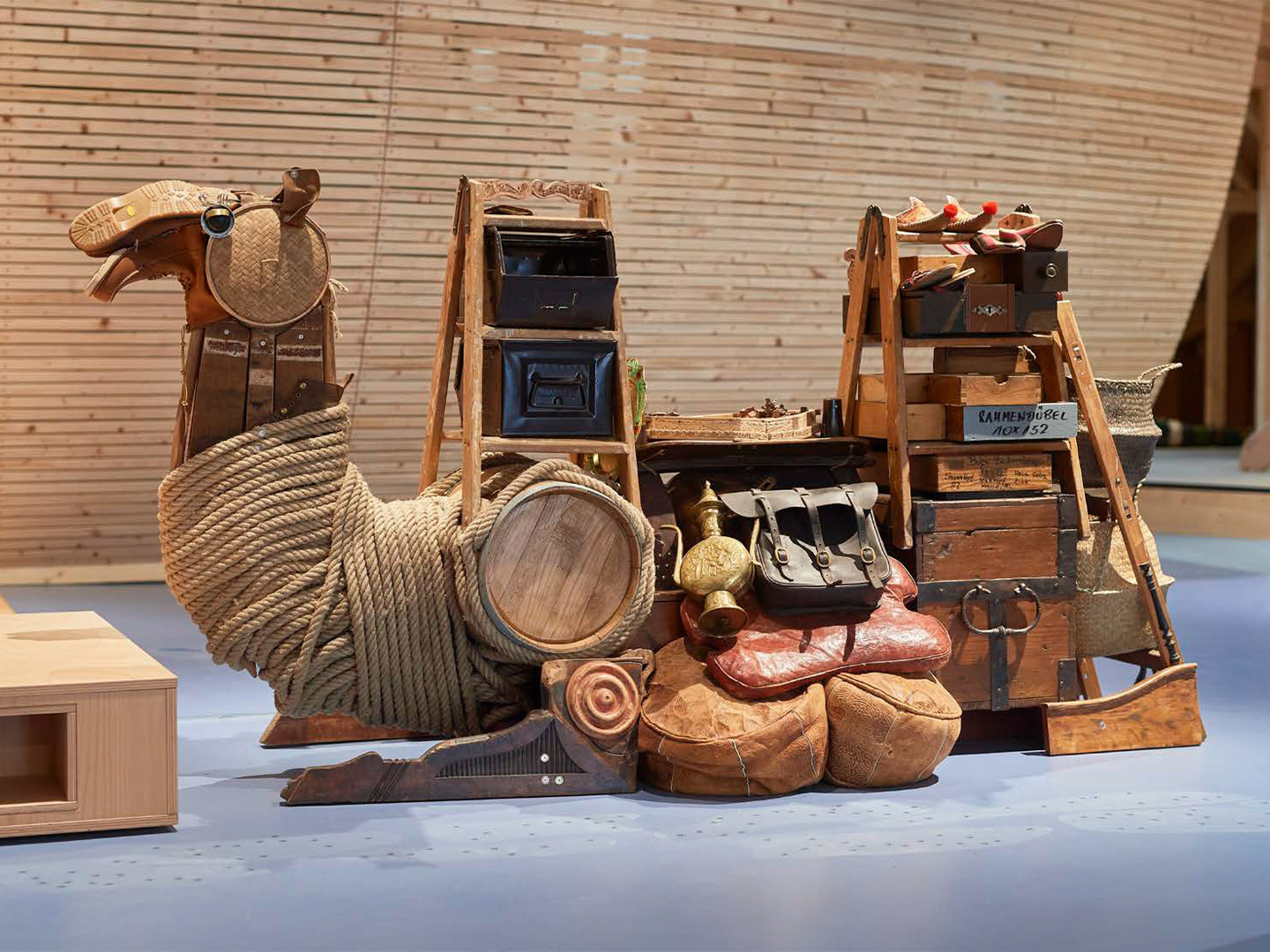
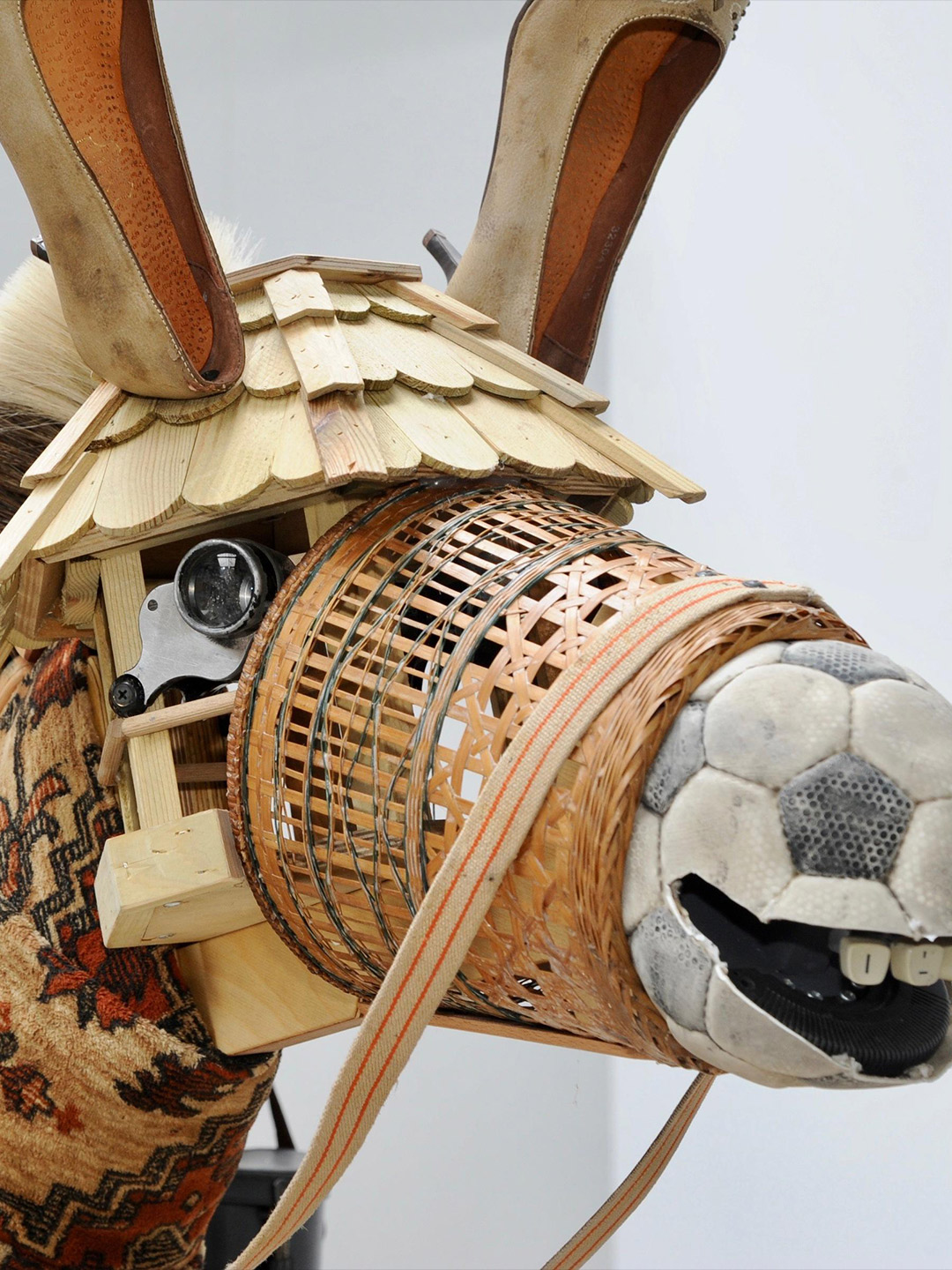
The young, inquisitive visitors are welcome to explore the exhibition for themselves and ‘feed’ the animals as they roam the space. While they’re at it, educationally trained attendants are at the ready at various learning stations. That being said, everywhere is a good place to ask questions. In fact, the more the merrier: Why are there unicorns onboard? How did the mammoths live? What will polar bears do when the ice is all gone?
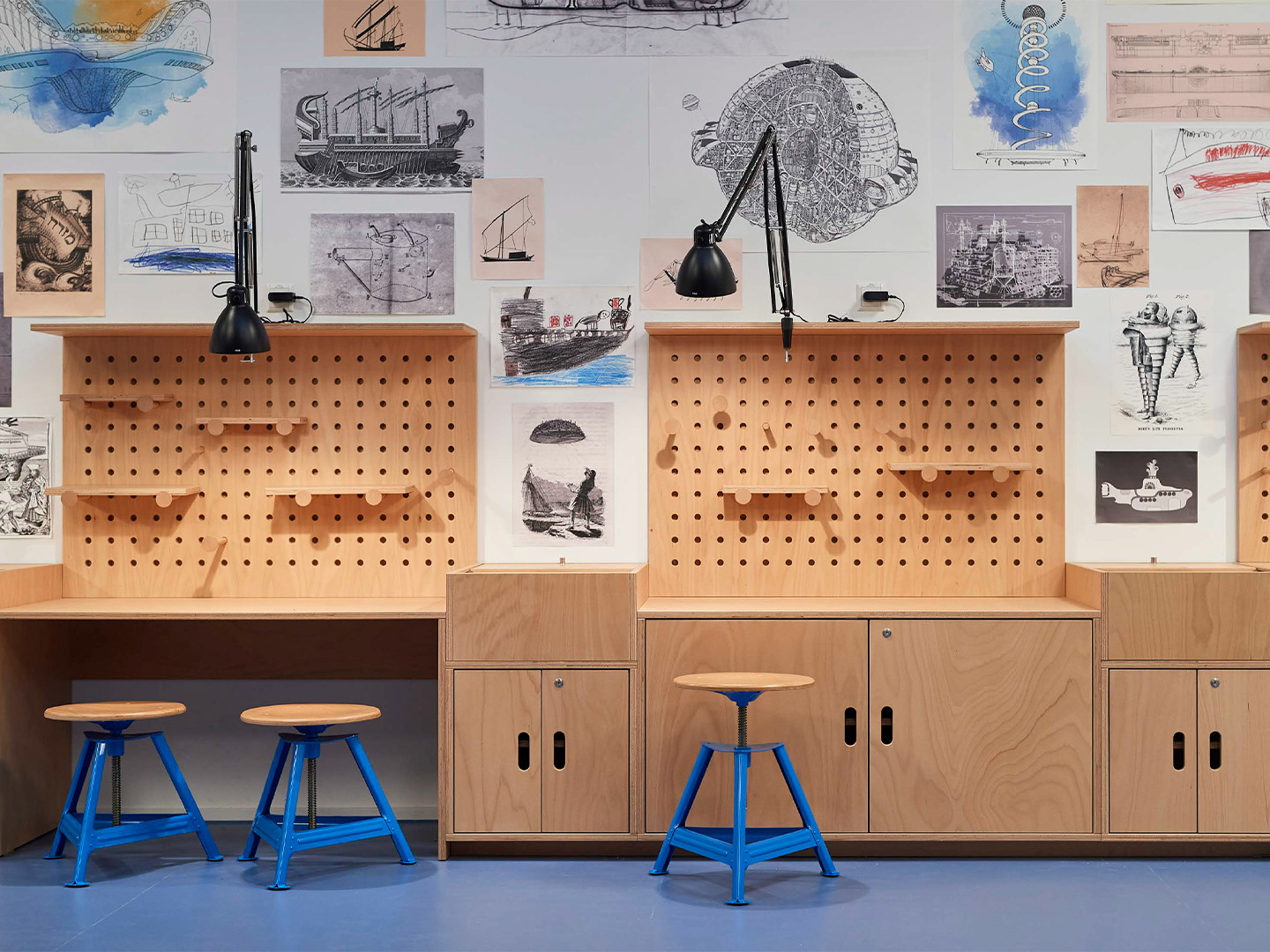
But at the end of the day – fun comes first. Kids can crawl through or over the anaconda, the world’s biggest snake, sit on the elephant or cuddle up to the sloth. The exhibition space has no glass showcases or do-not-cross barriers – instead there are workbenches, slides and climbing structures. Everything becomes tangible following the principle of “hands-on, minds on”.
Kids were involved in the museum’s development process from the outset. A Children’s Council, which was re-appointed each school year comprising six Berlin elementary school students ages six to 12, has met regularly at the Jewish Museum Berlin ever since 2017. The young contributors are the co-curators of specific exhibition areas and are on-hand to test planned installations and contribute their own ideas.

Love the ANOHA museum for kids by Olson Kundig? Catch up on more architecture and design highlights. Plus, subscribe to receive the Daily Architecture News e-letter direct to your inbox.
With the opening of ANOHA, we are now offering a new place for even the youngest among us to play and learn while further strengthening our ties in our own neighbourhood.