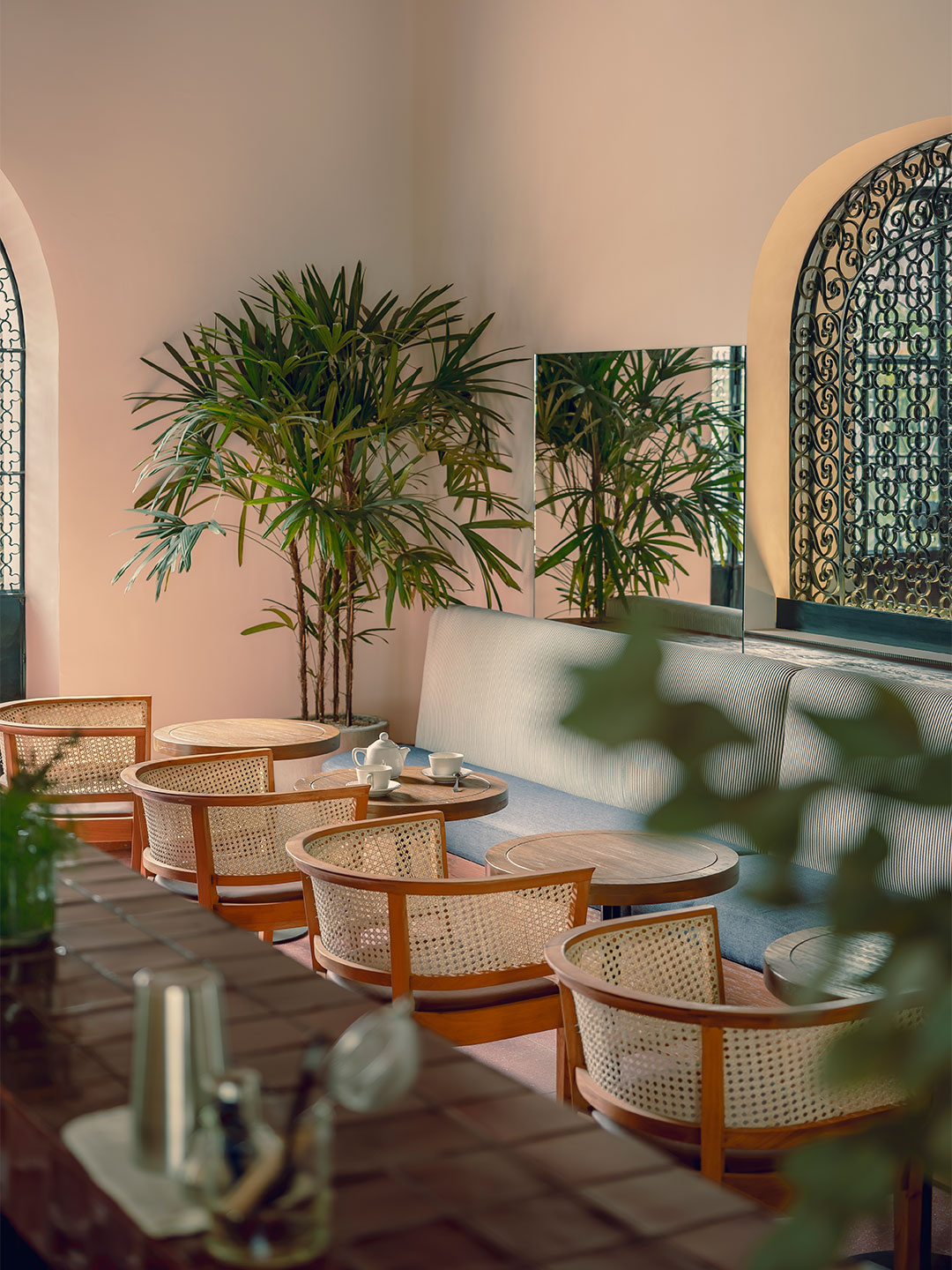
One of the latest establishments to pop-up in the state of Oaxaca, Hotel Terrestre is an architect-composed invitation to discover the southwestern coast of Mexico. But the designer destination is not only a paradise for culture-loving travellers. Intimately situated between the glittering beaches of Puerto Escondido and its impressive mountain ranges, the hotel takes the experience of sustainable tourism to new heights. Relying entirely on solar power, Terrestre encourages its guests to temporarily breakup with technology and reconnect with nature, synchronising their days with the cycle of the sun rather than the demands of wifi networks, blue-lit screens and hand-held devices.
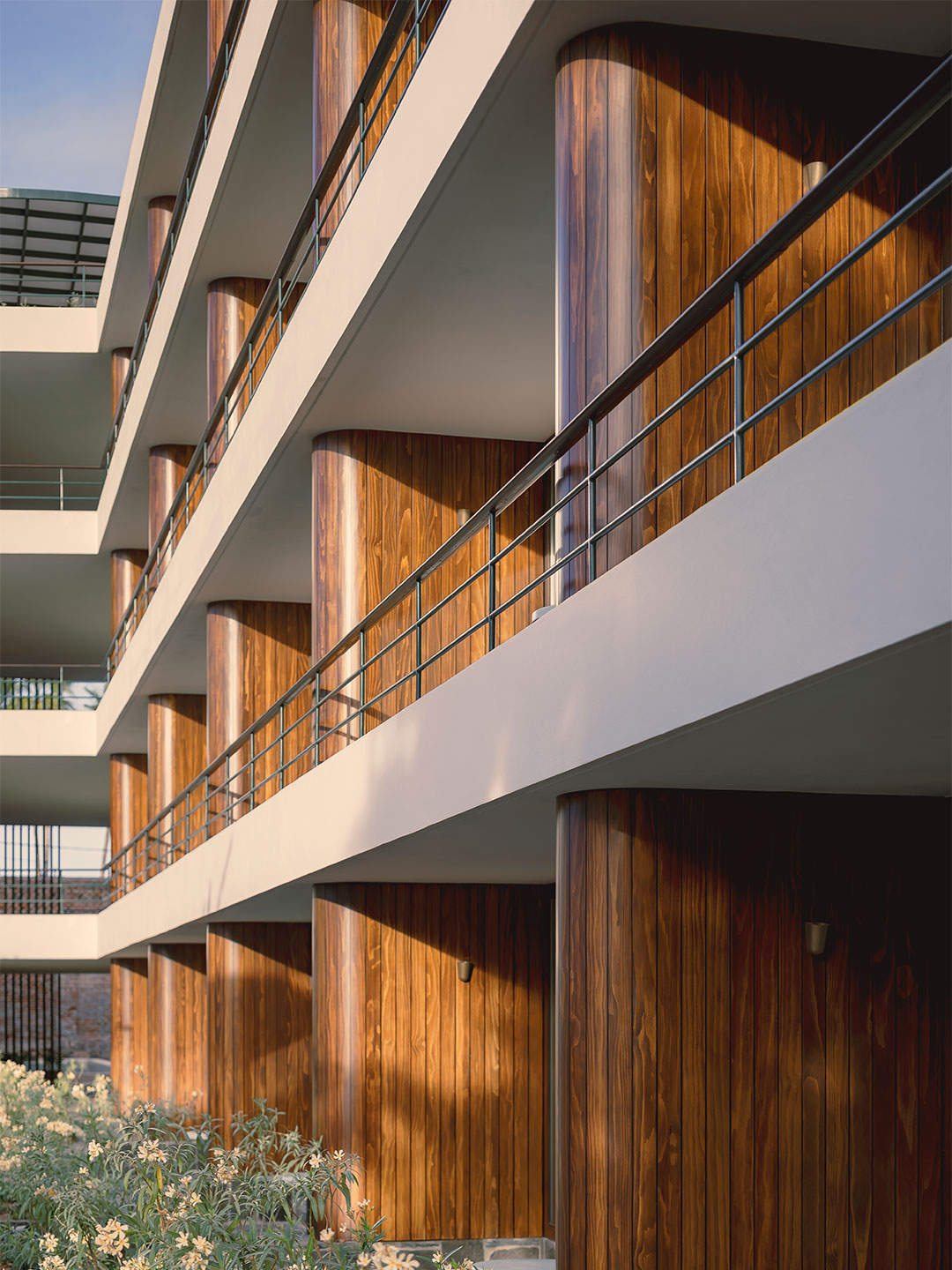
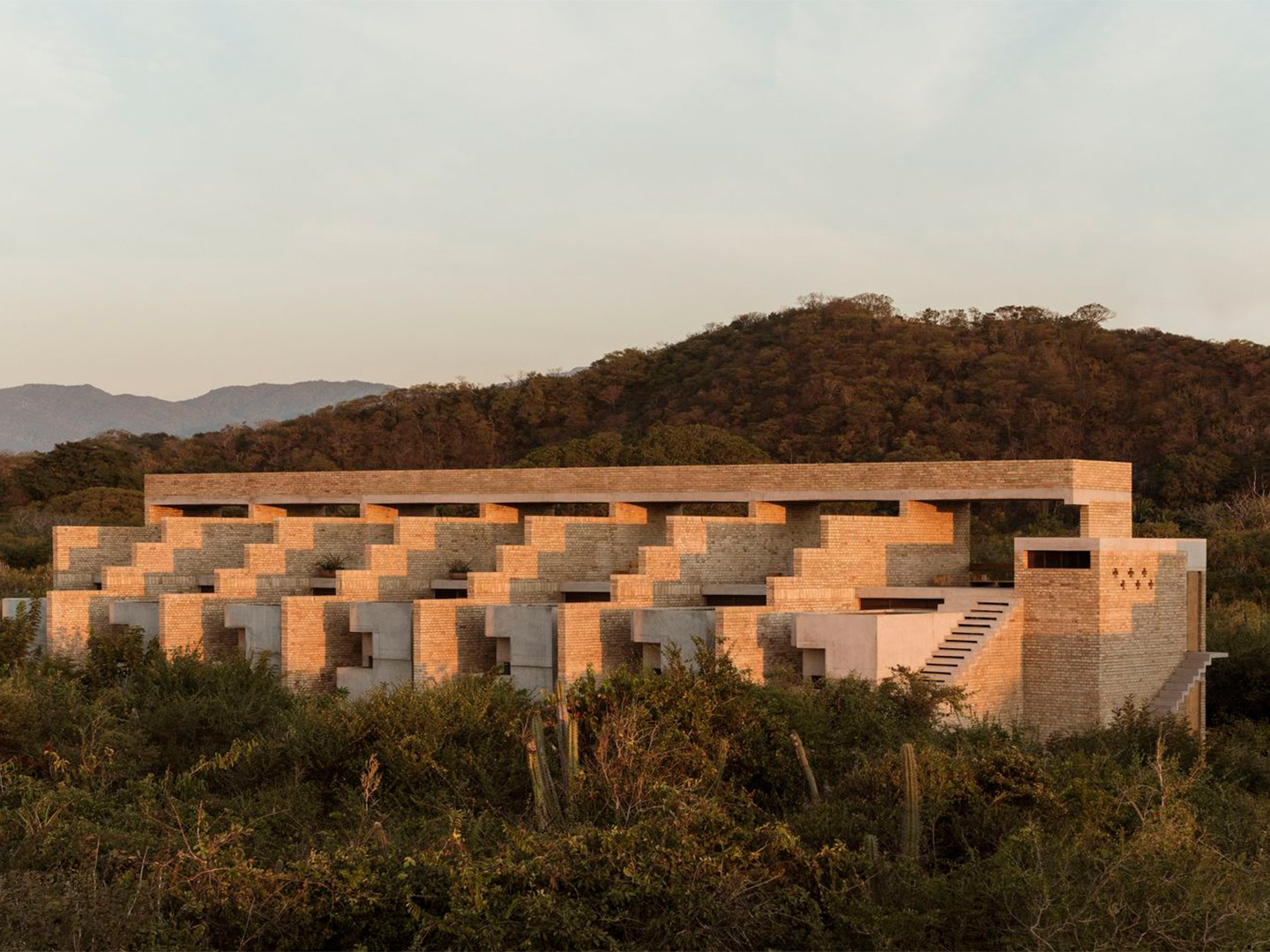
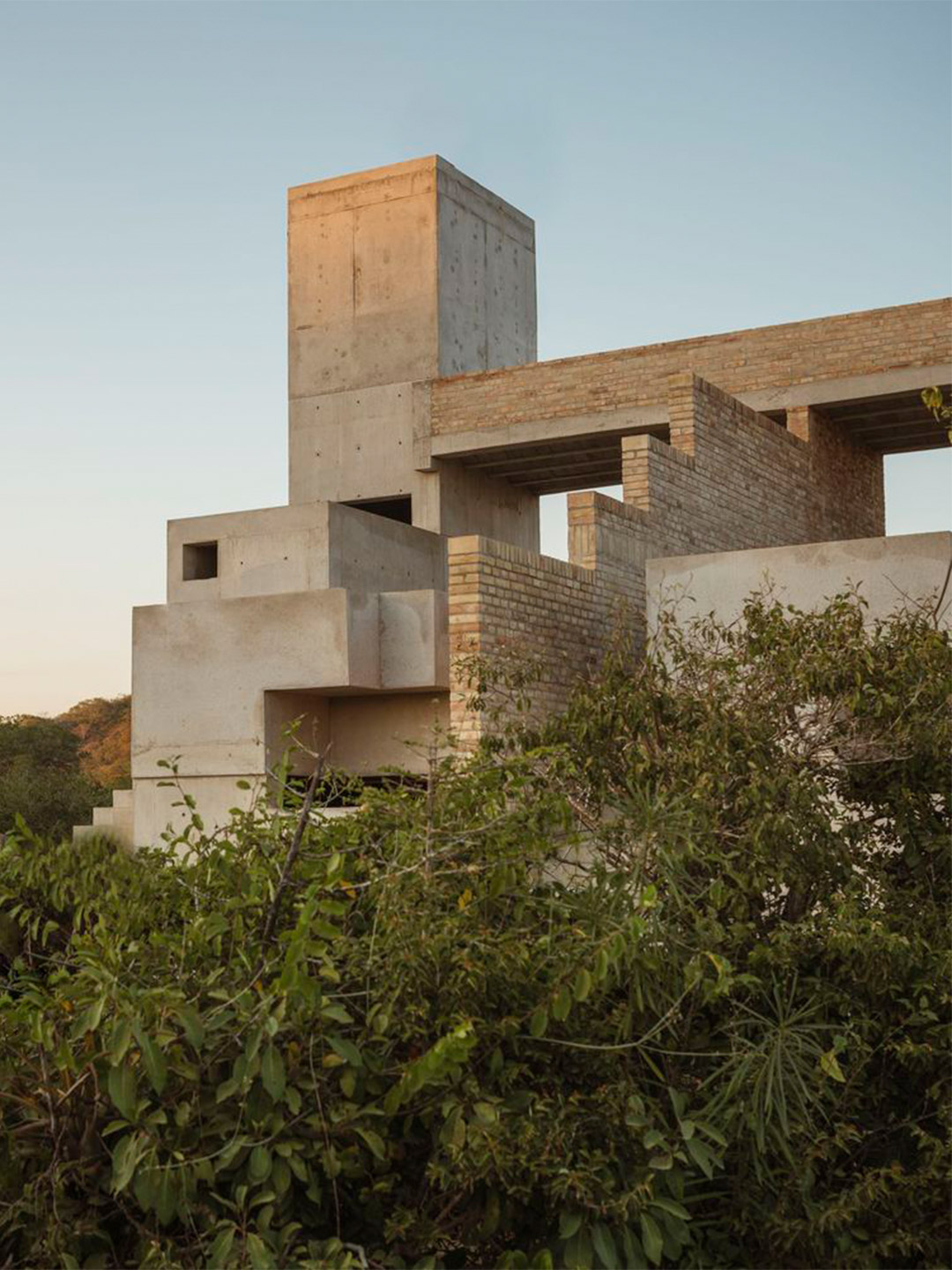
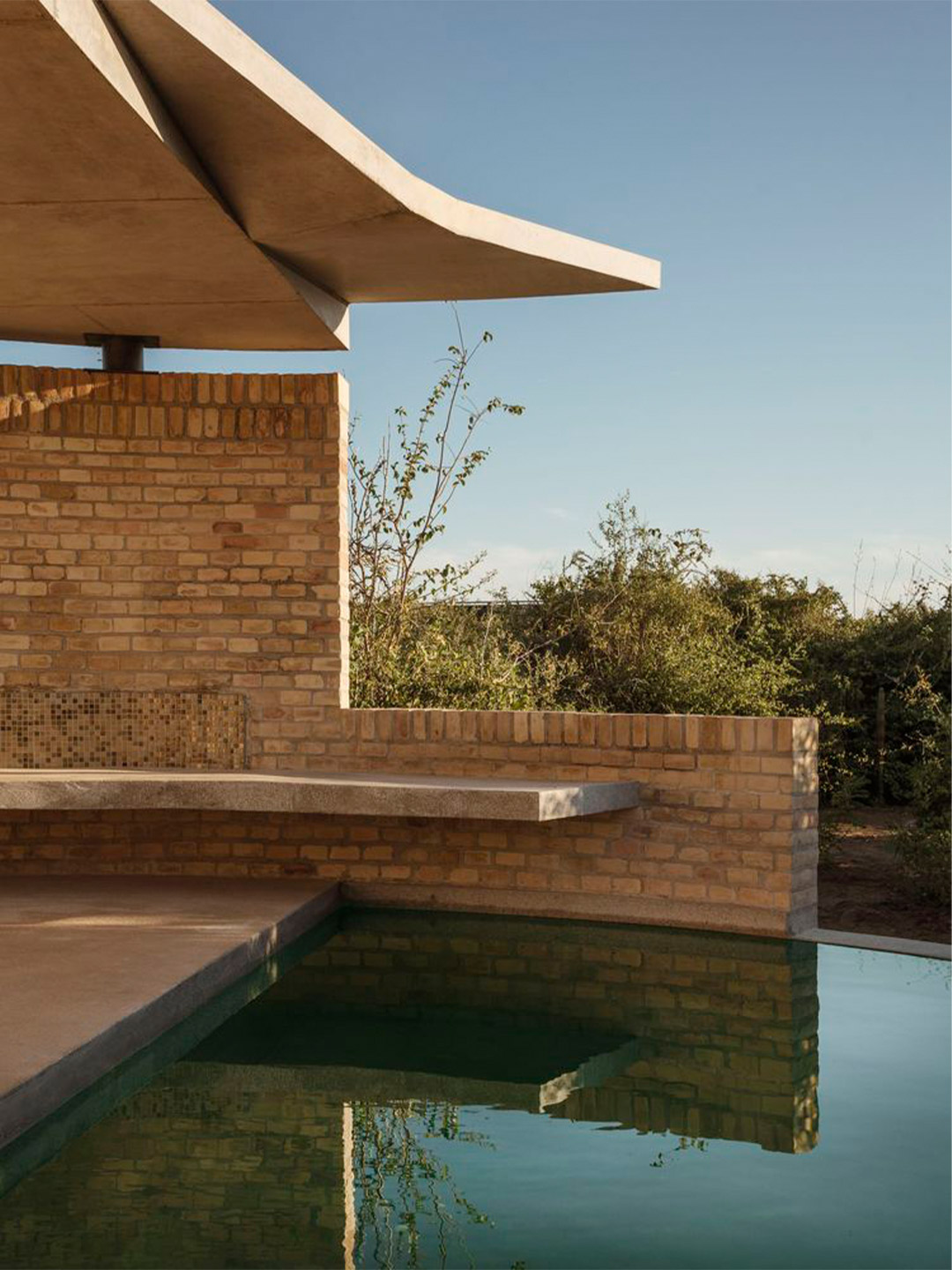
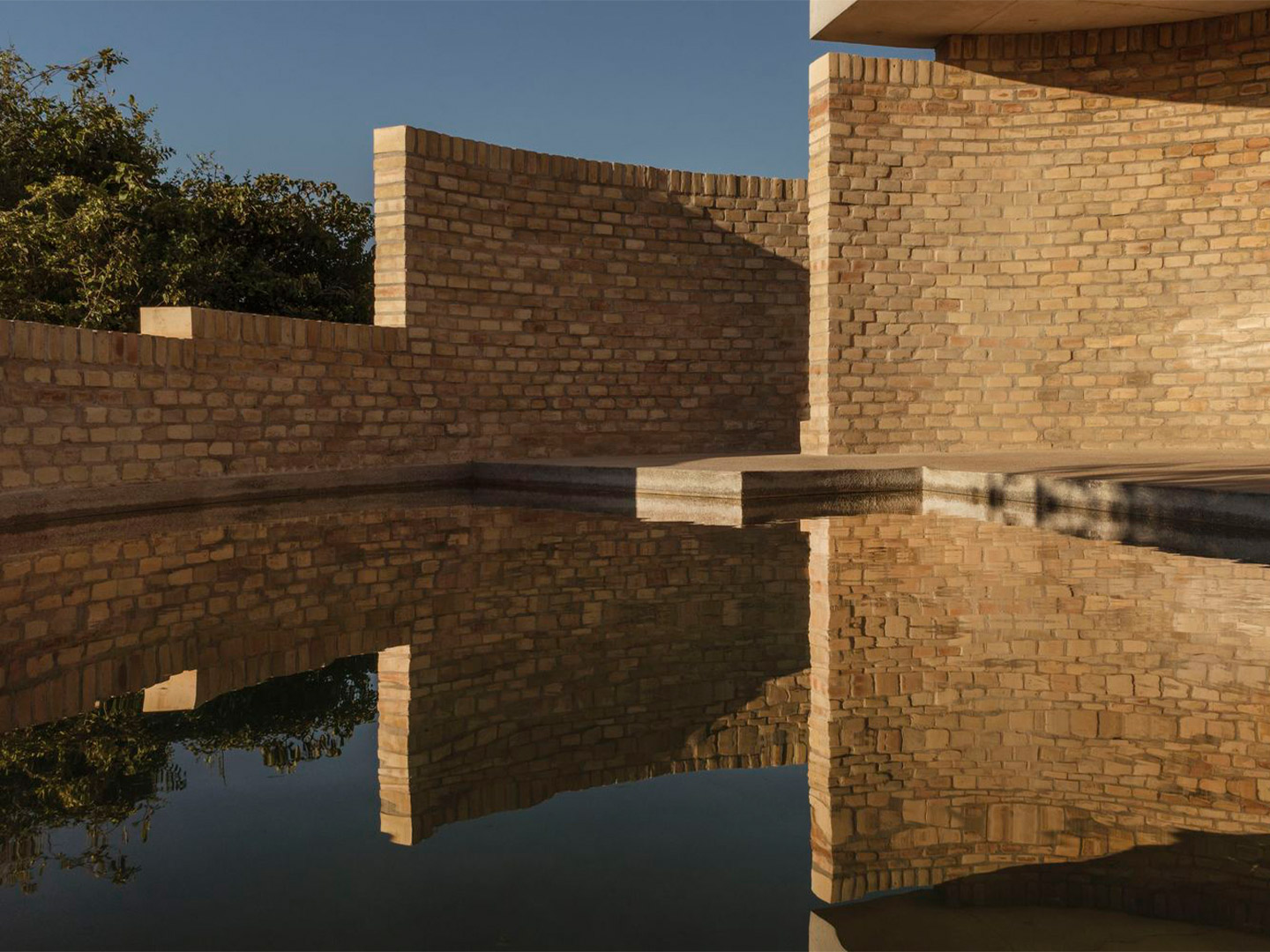
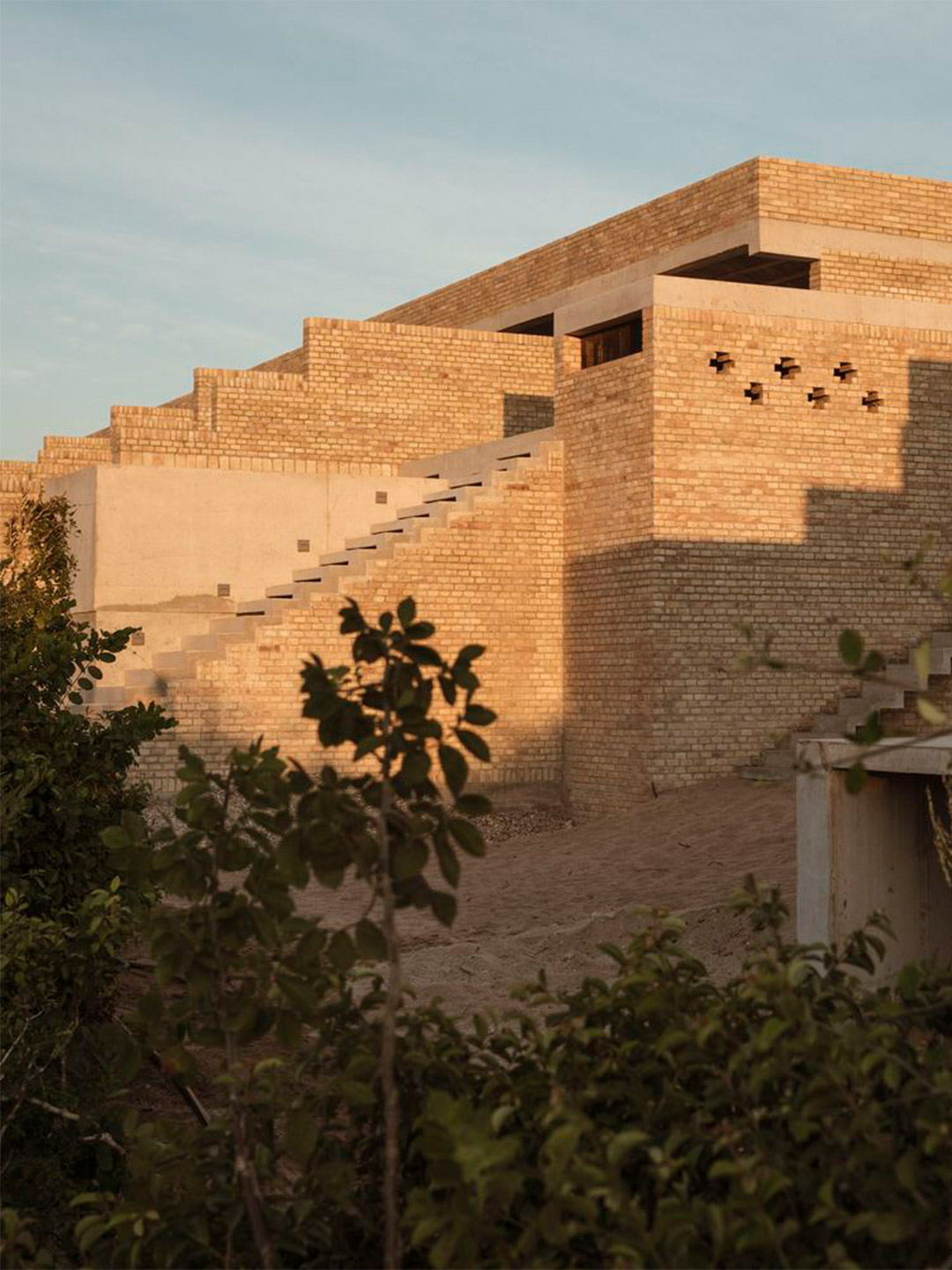
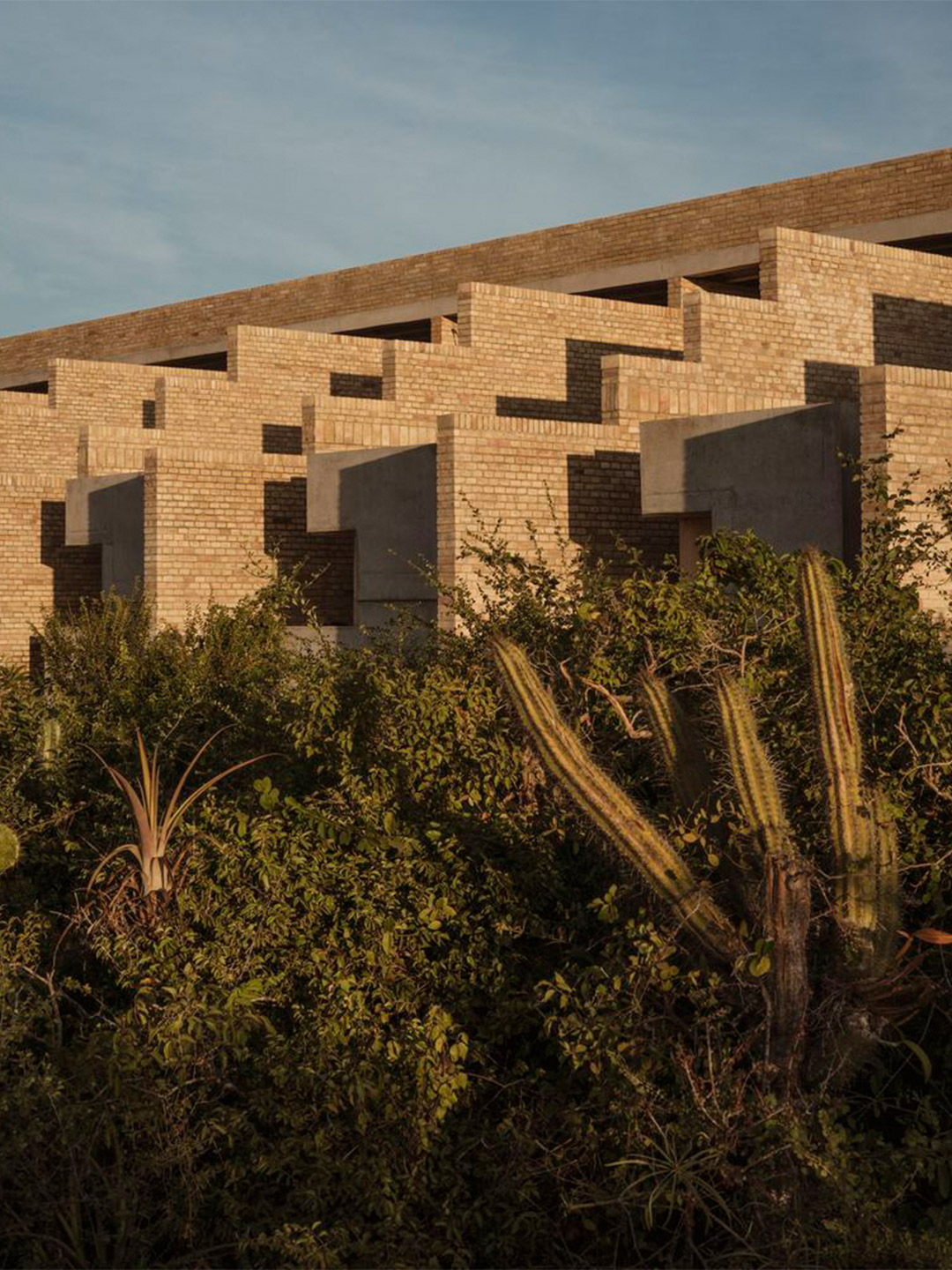
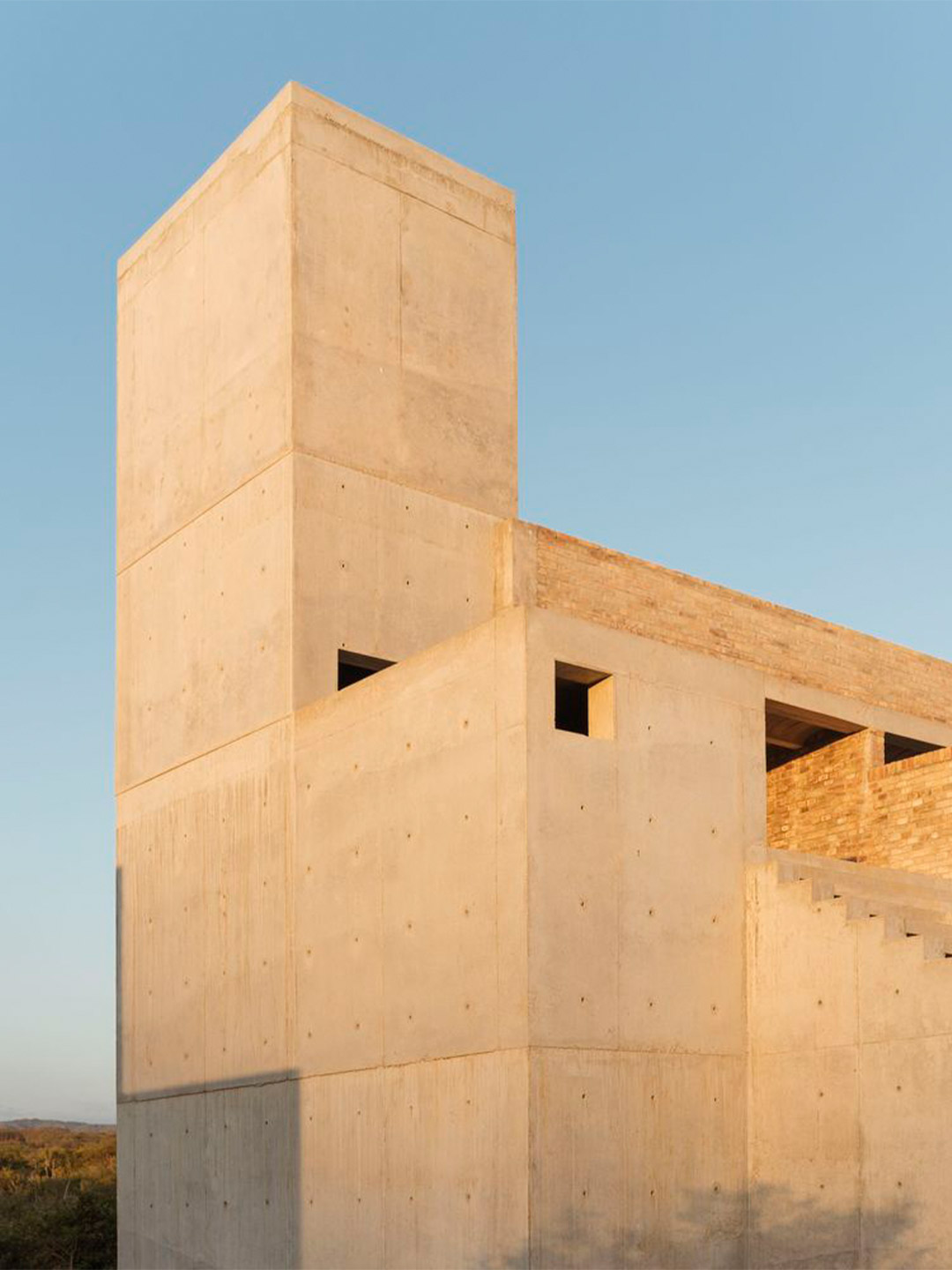
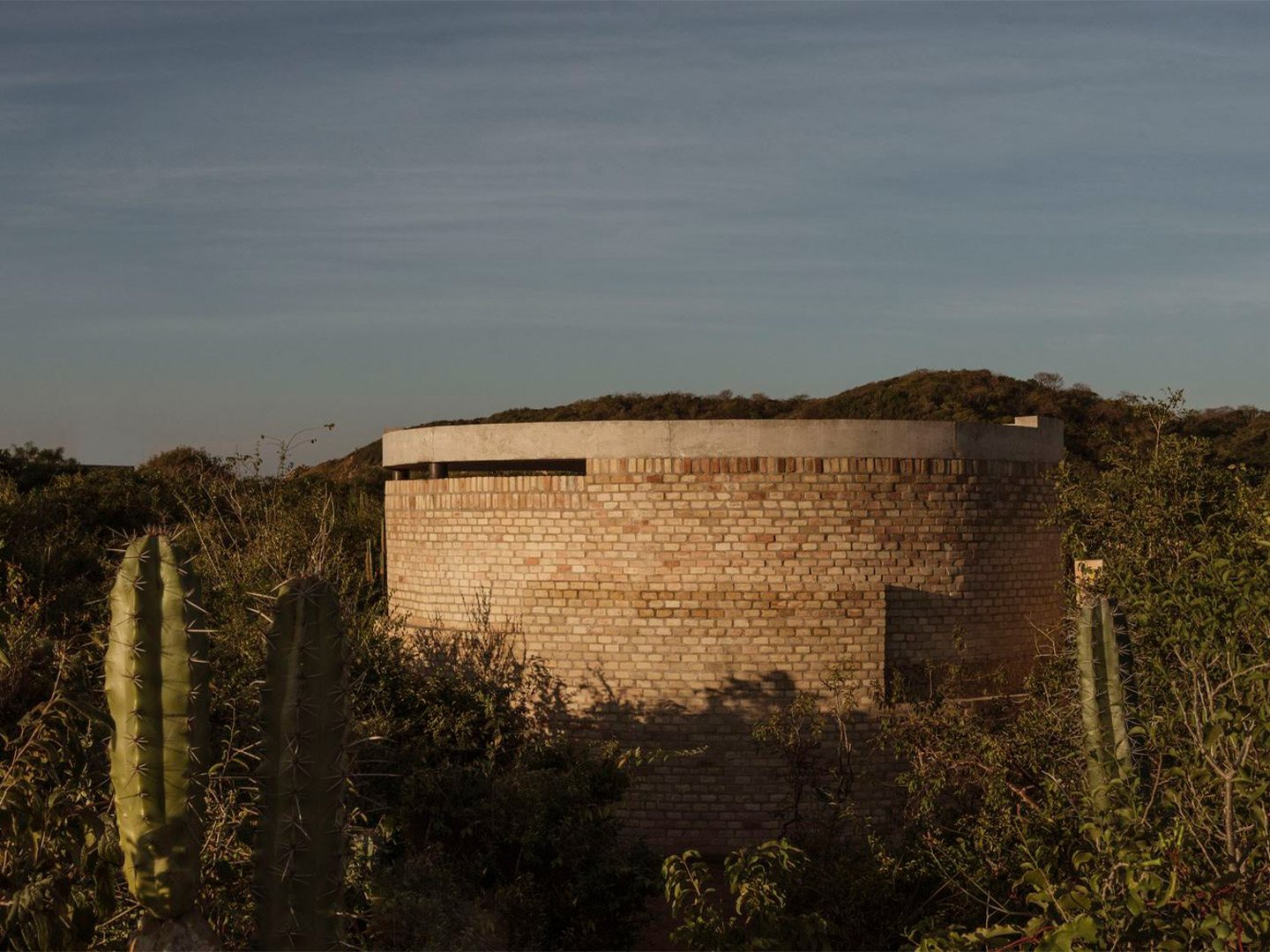
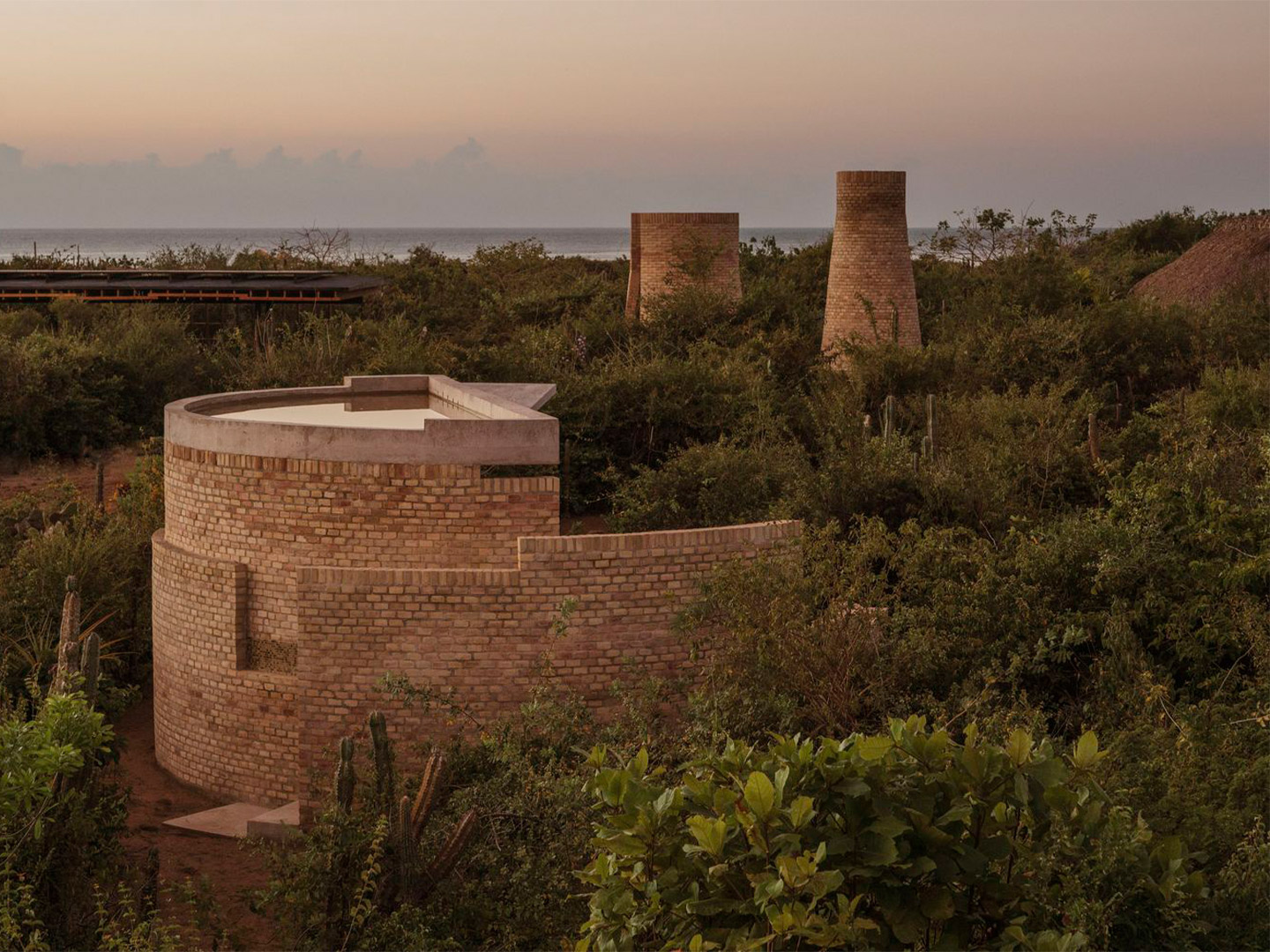
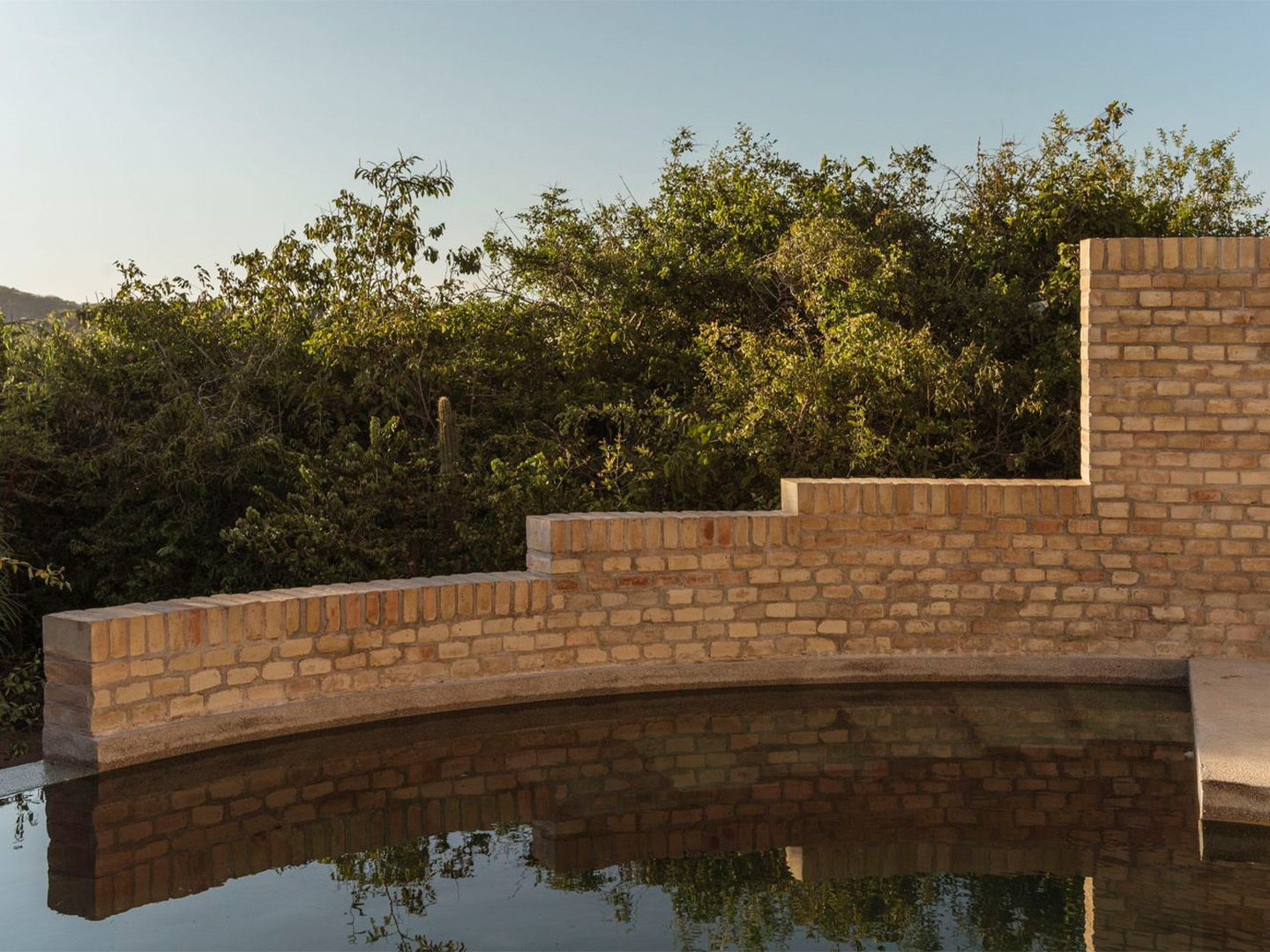
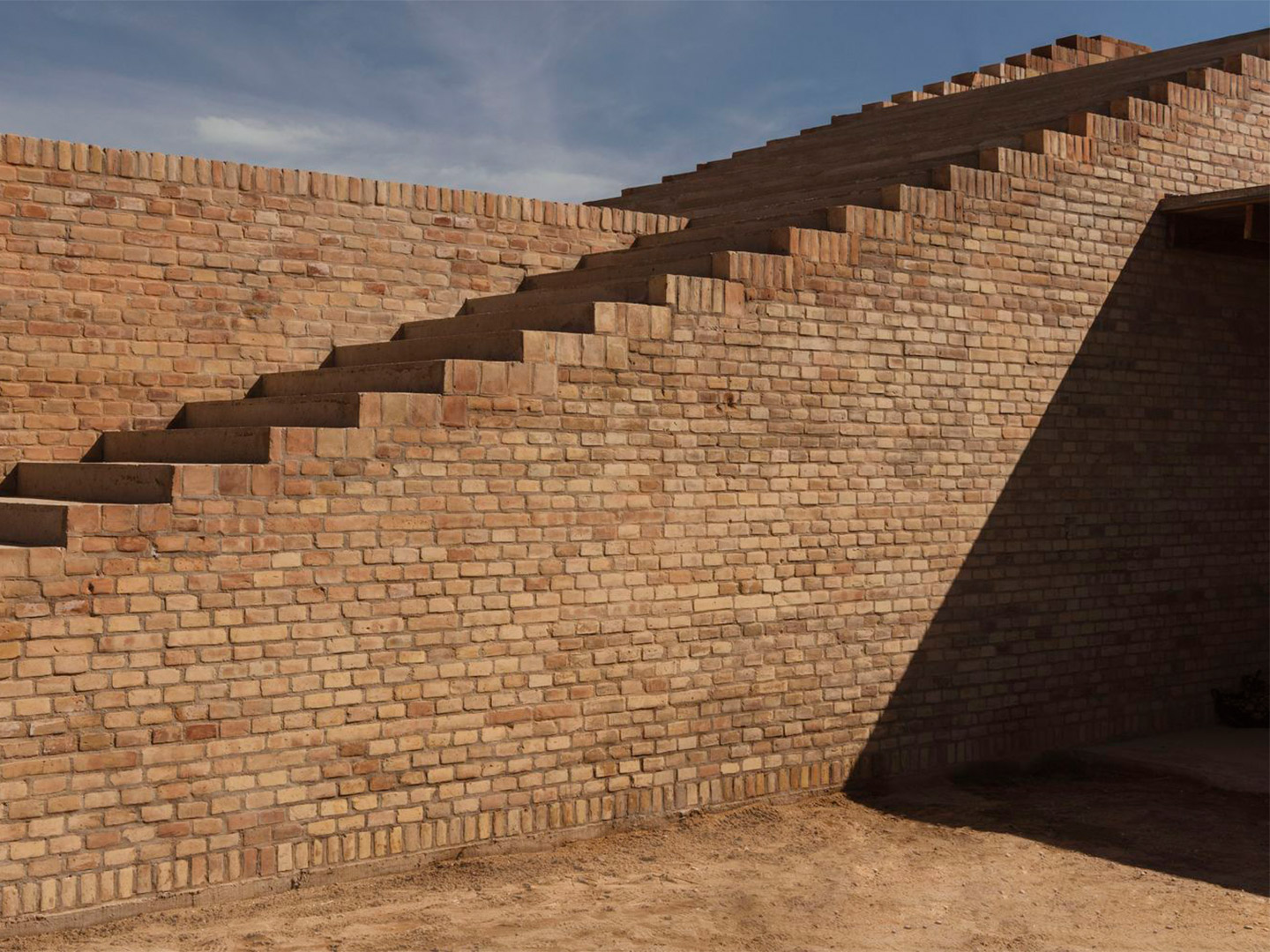
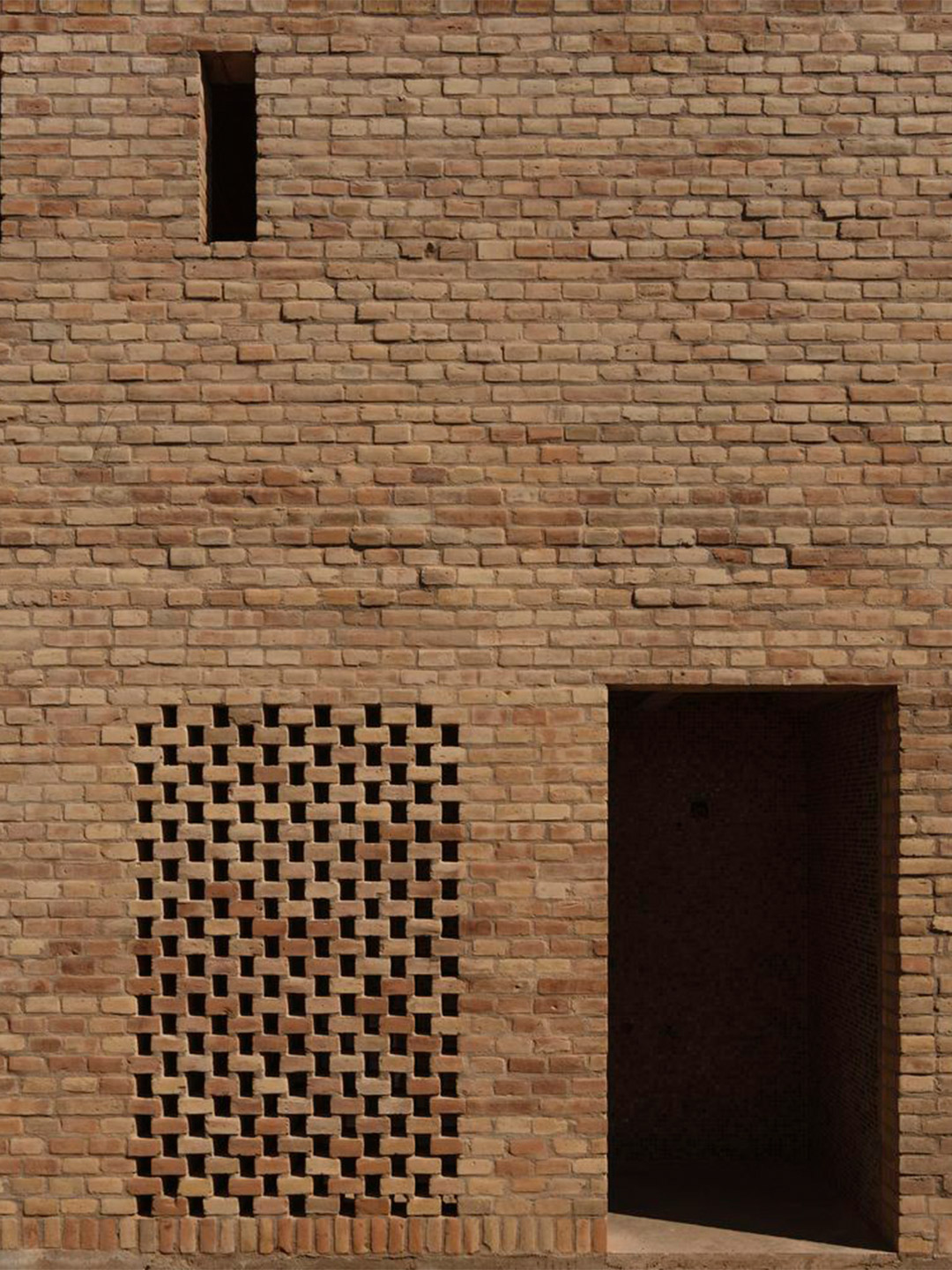
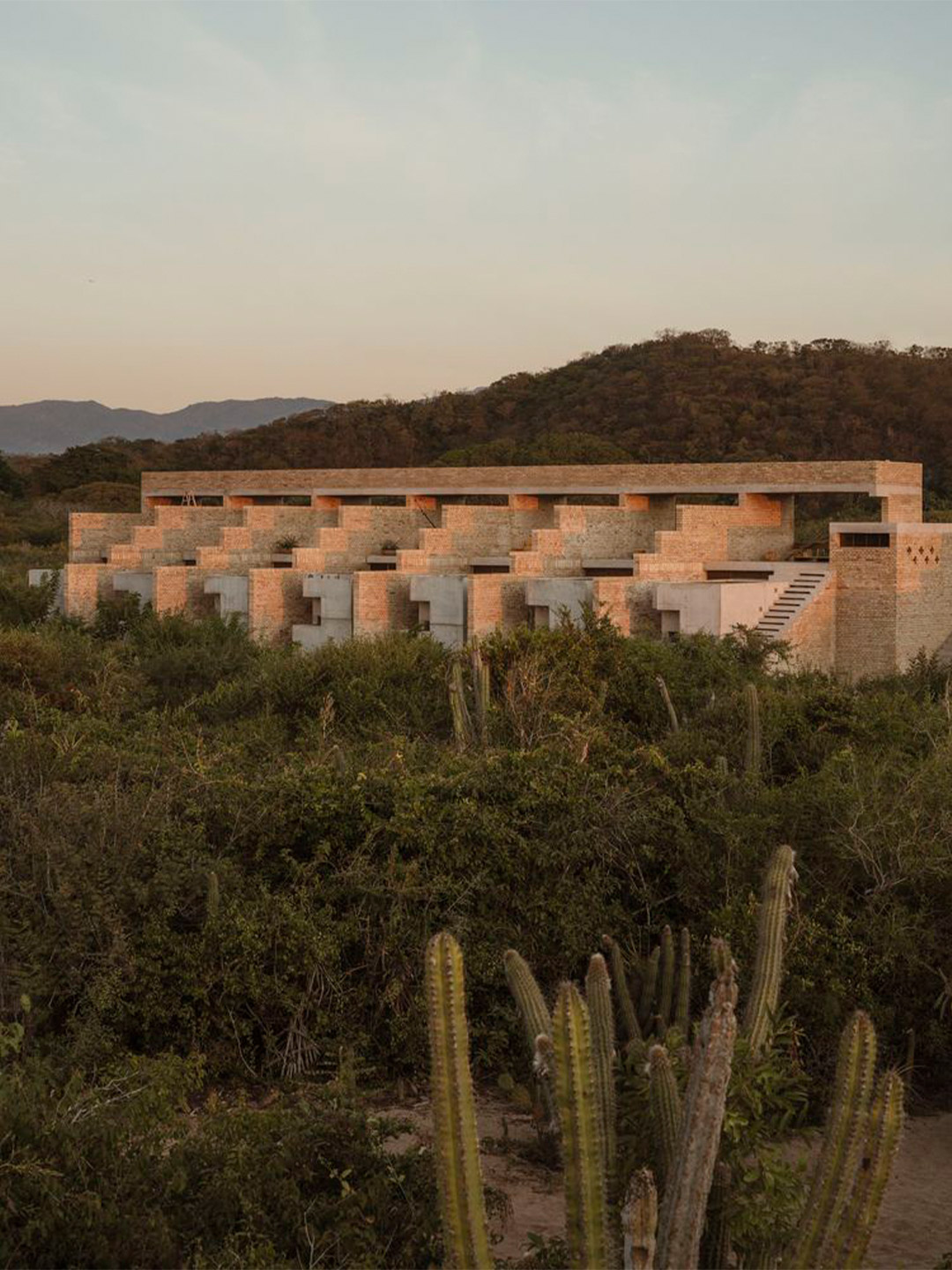
As the newest member of the Grupo Habita family of lifestyle hotels, Terrestre’s sustainable ethos and commitment to providing a “sanctuary of rest and relaxation” makes it an ideal getaway for rejuvenation. Architect Alberto Kalach and his team at Taller de Arquitectura X (known simply as TAX) took the client’s vision for the retreat and translated it into an idyllic contemporary oasis, constructed entirely of locally sourced materials including sand-coloured brick. Furthermore, the property embraces cooling methods achieved through innovative building techniques rather than relying on power hungry air-conditioning.
Hotel Terrestre in Mexico by Alberto Kalach/TAX
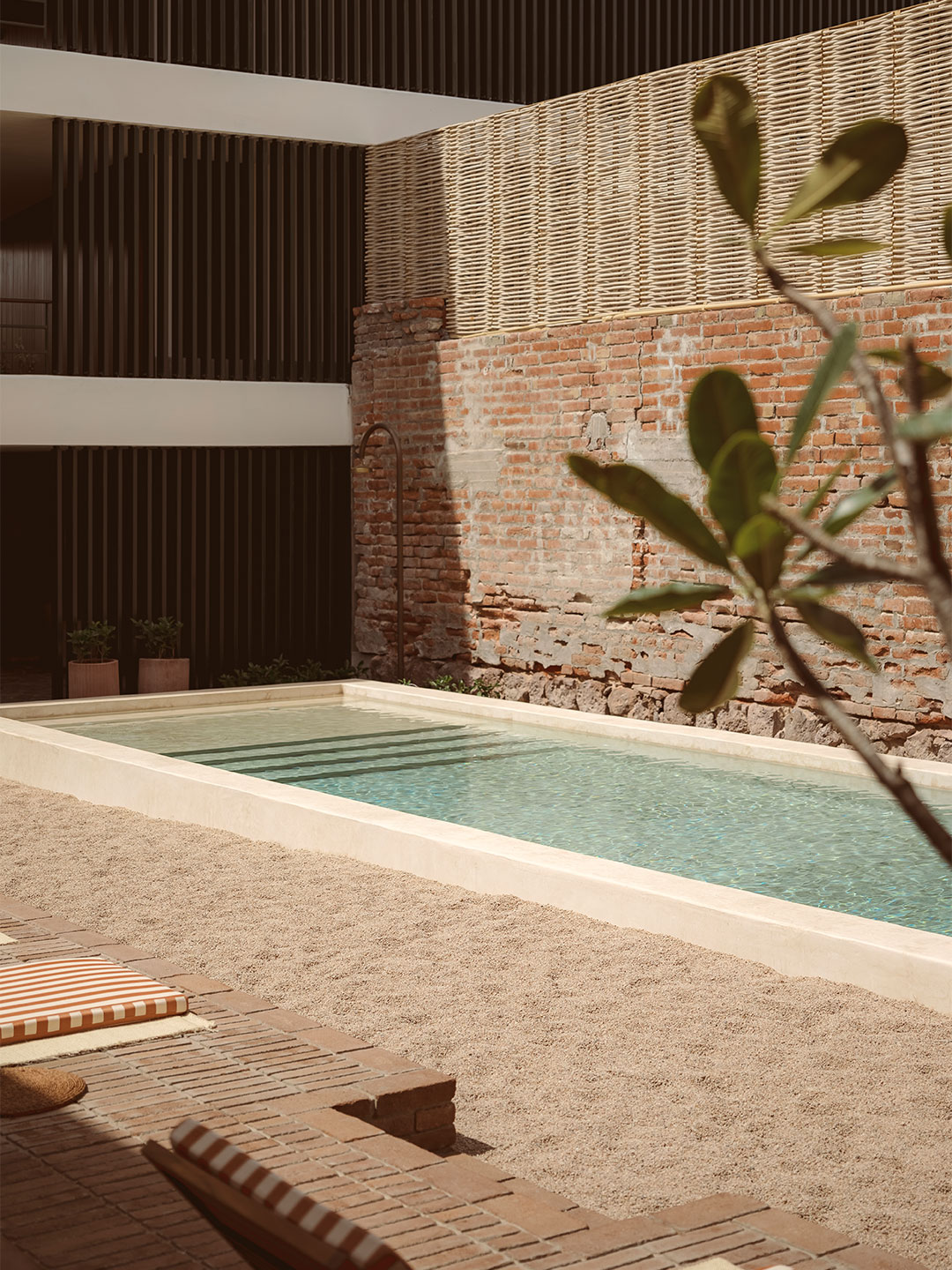
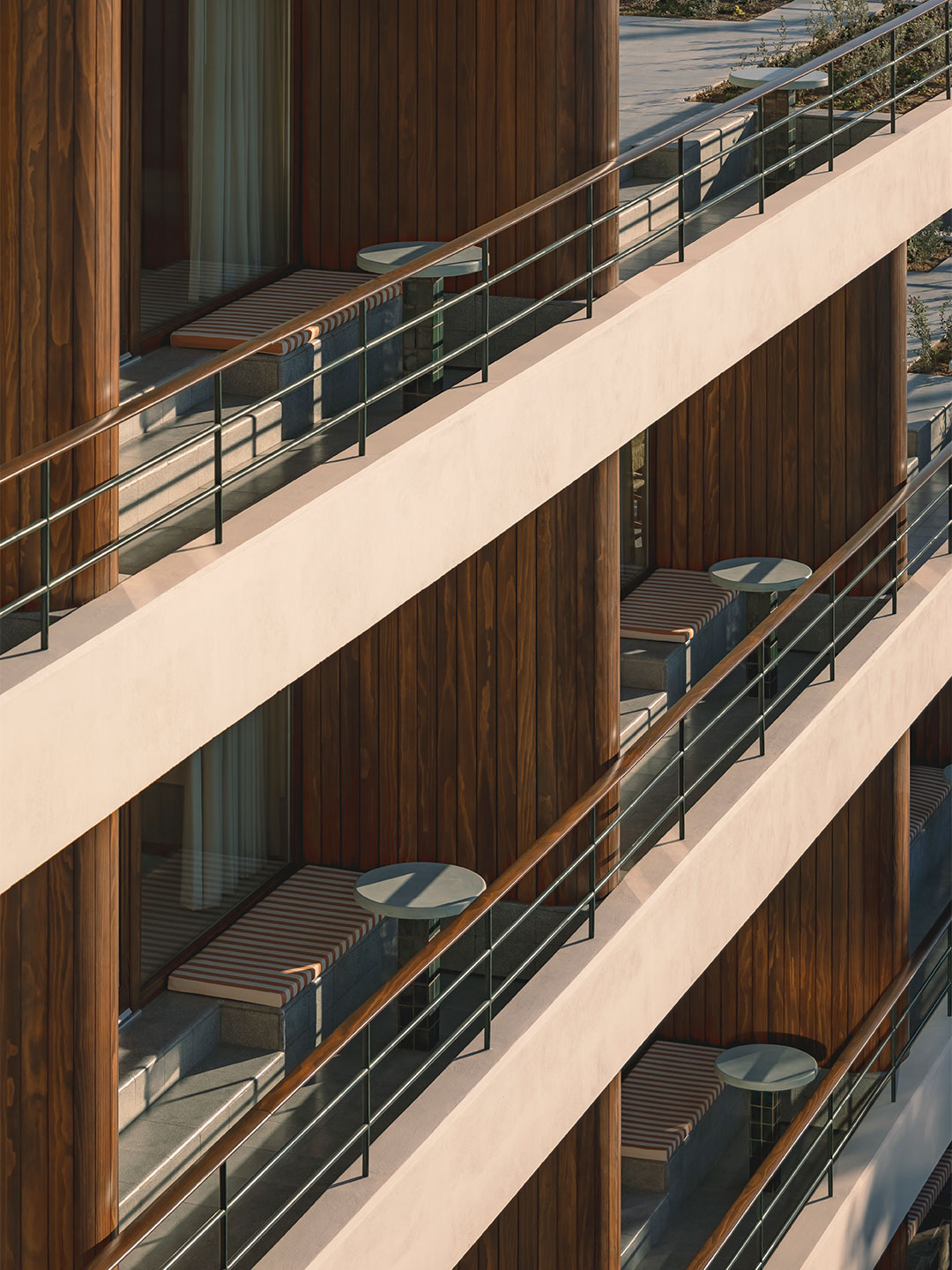
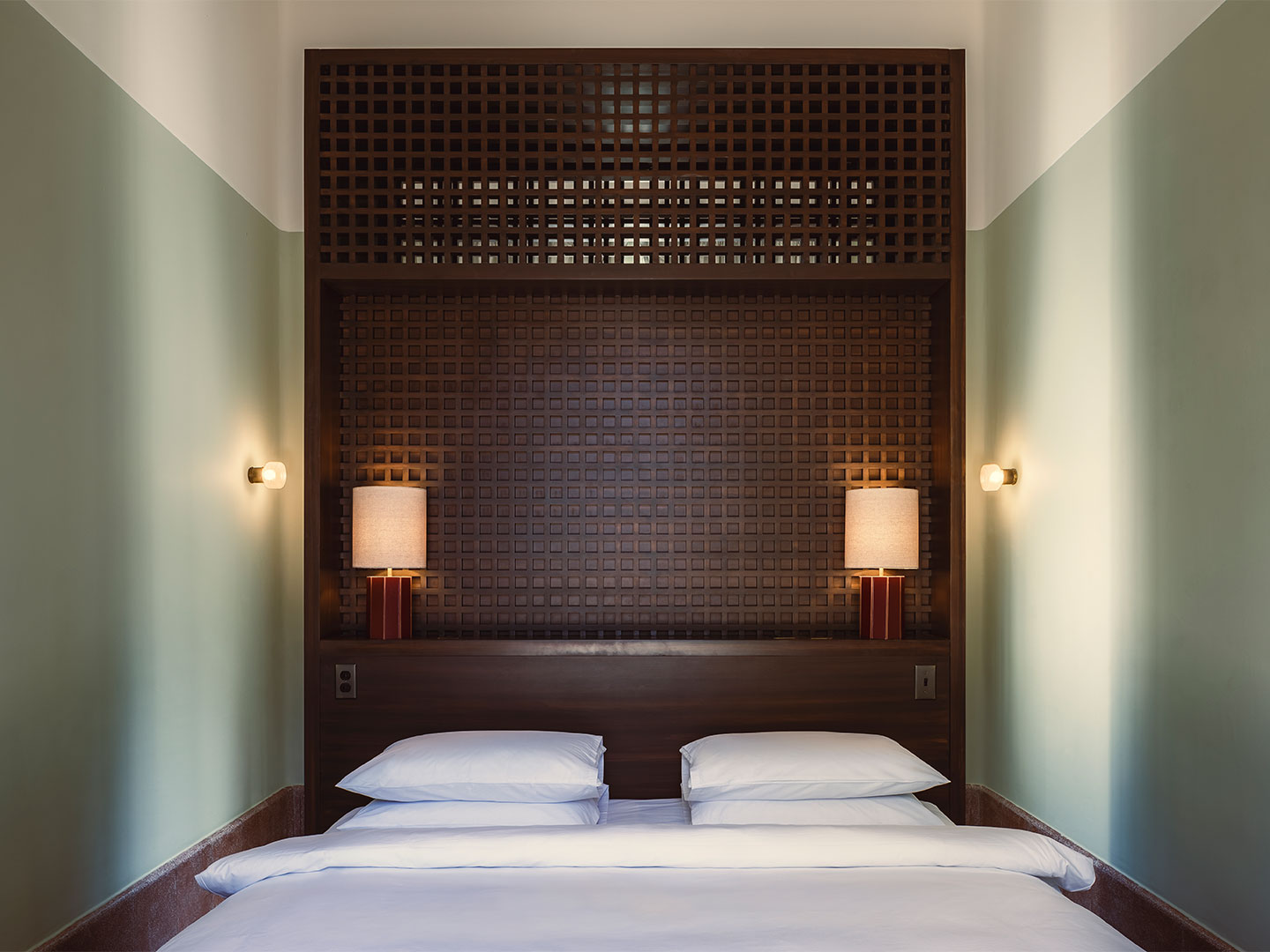
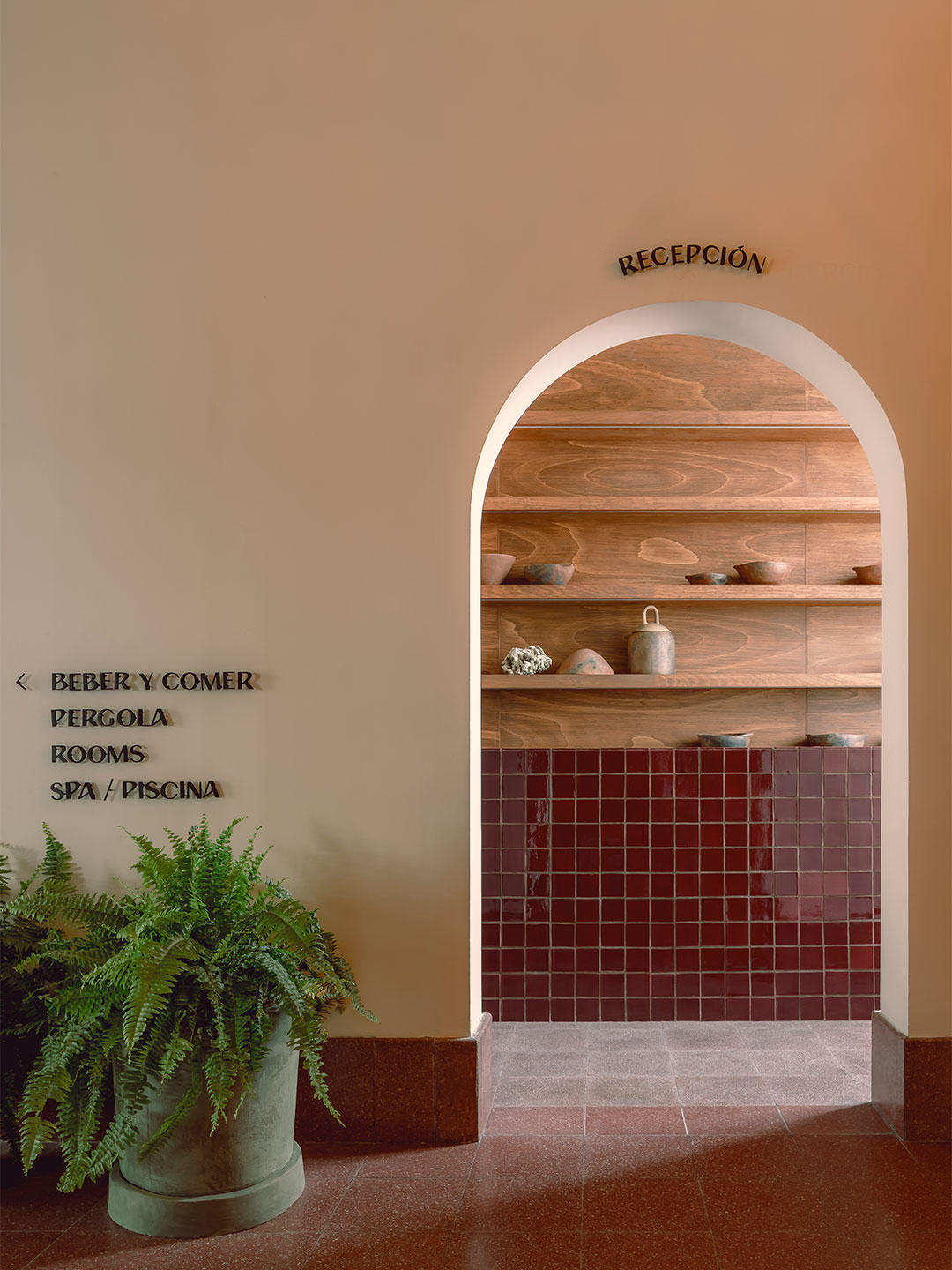
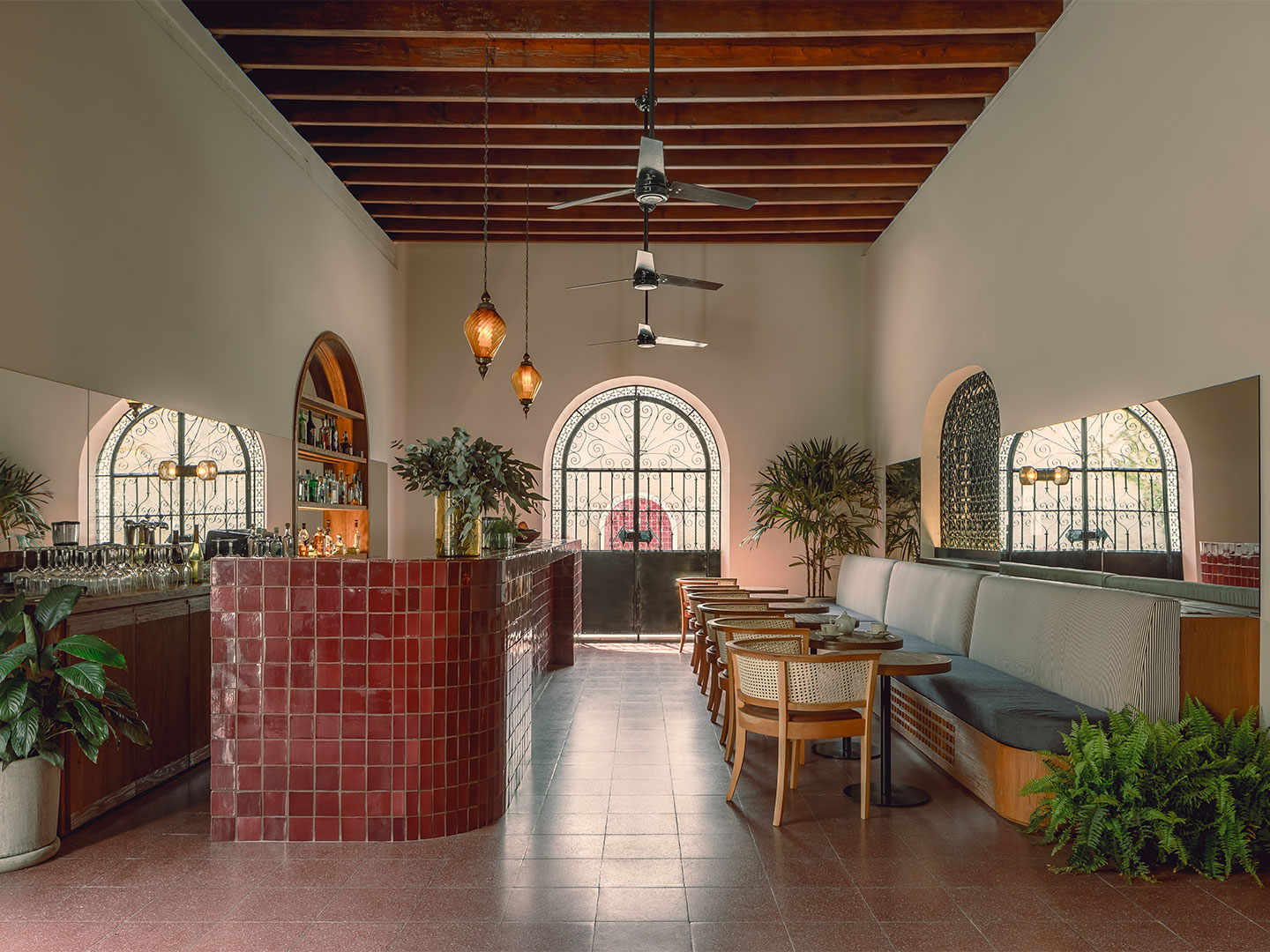
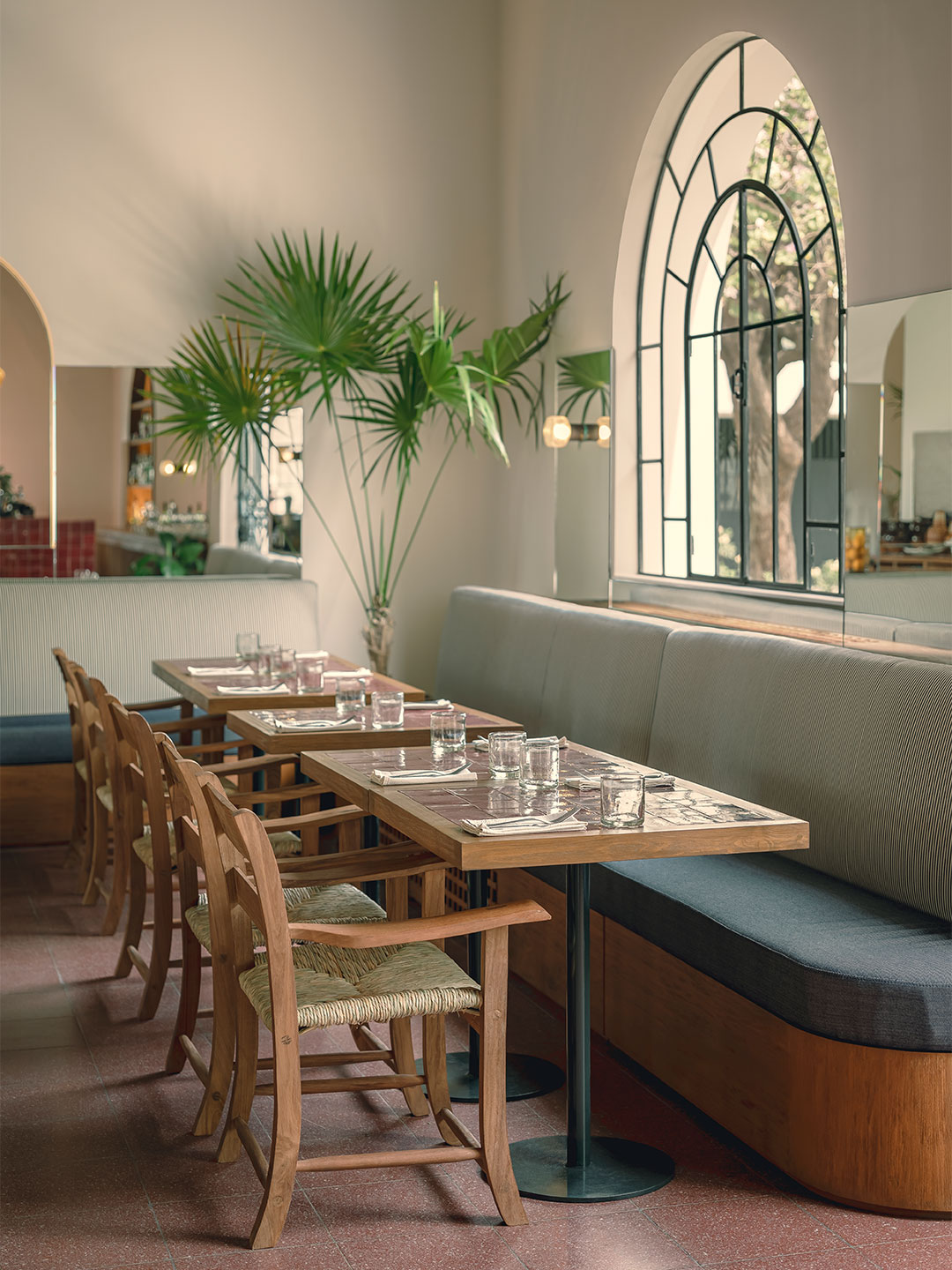
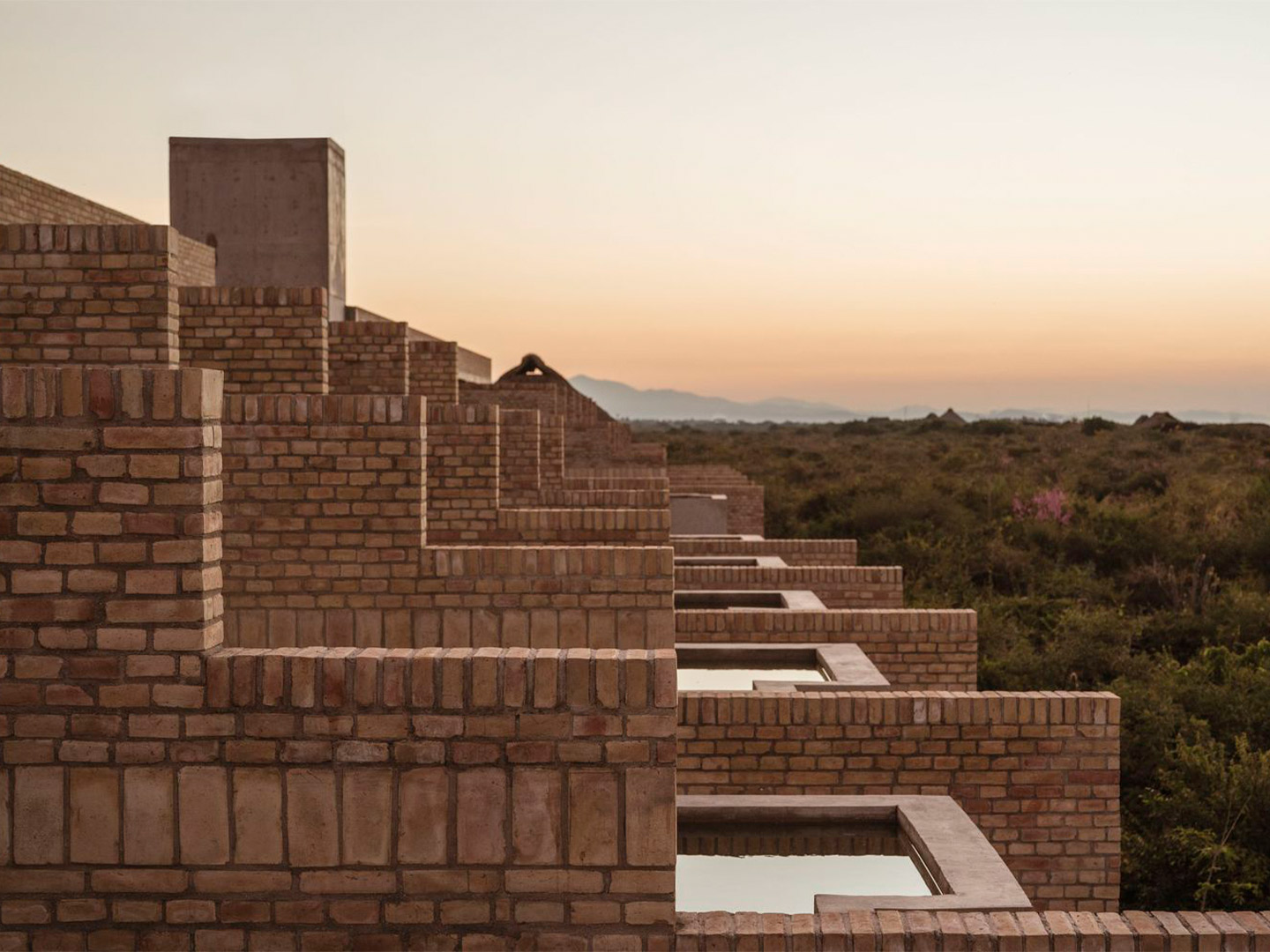
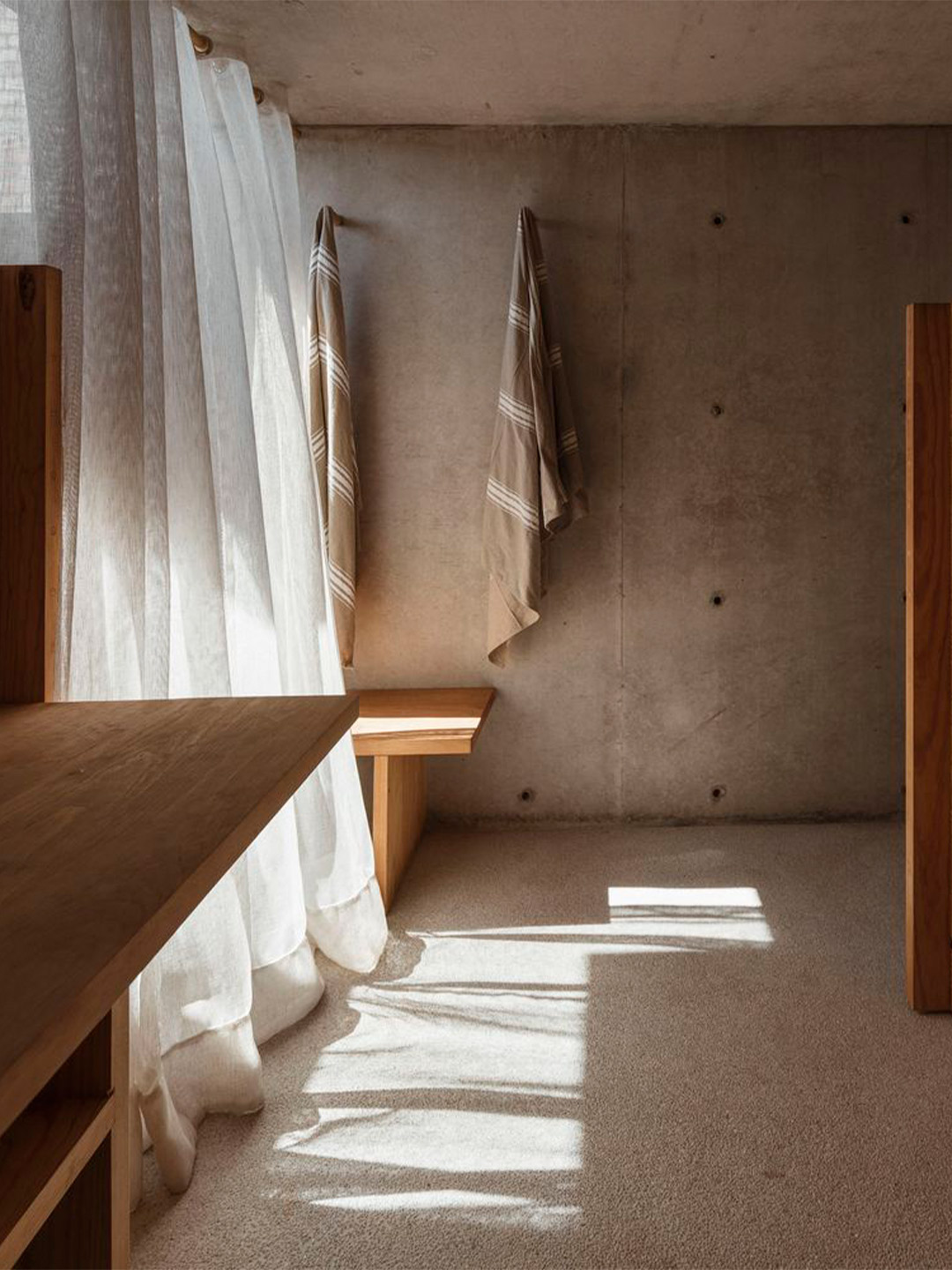
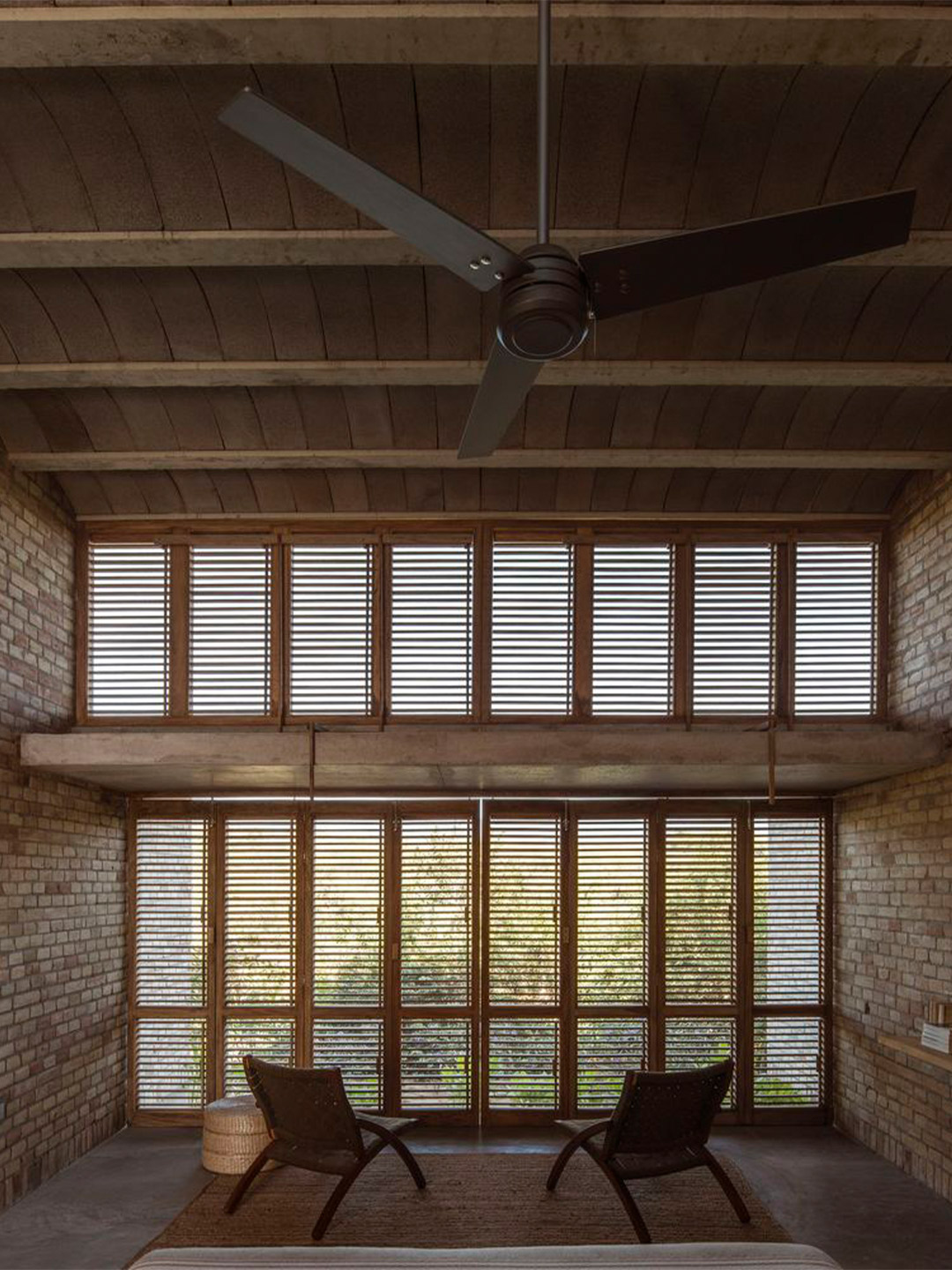
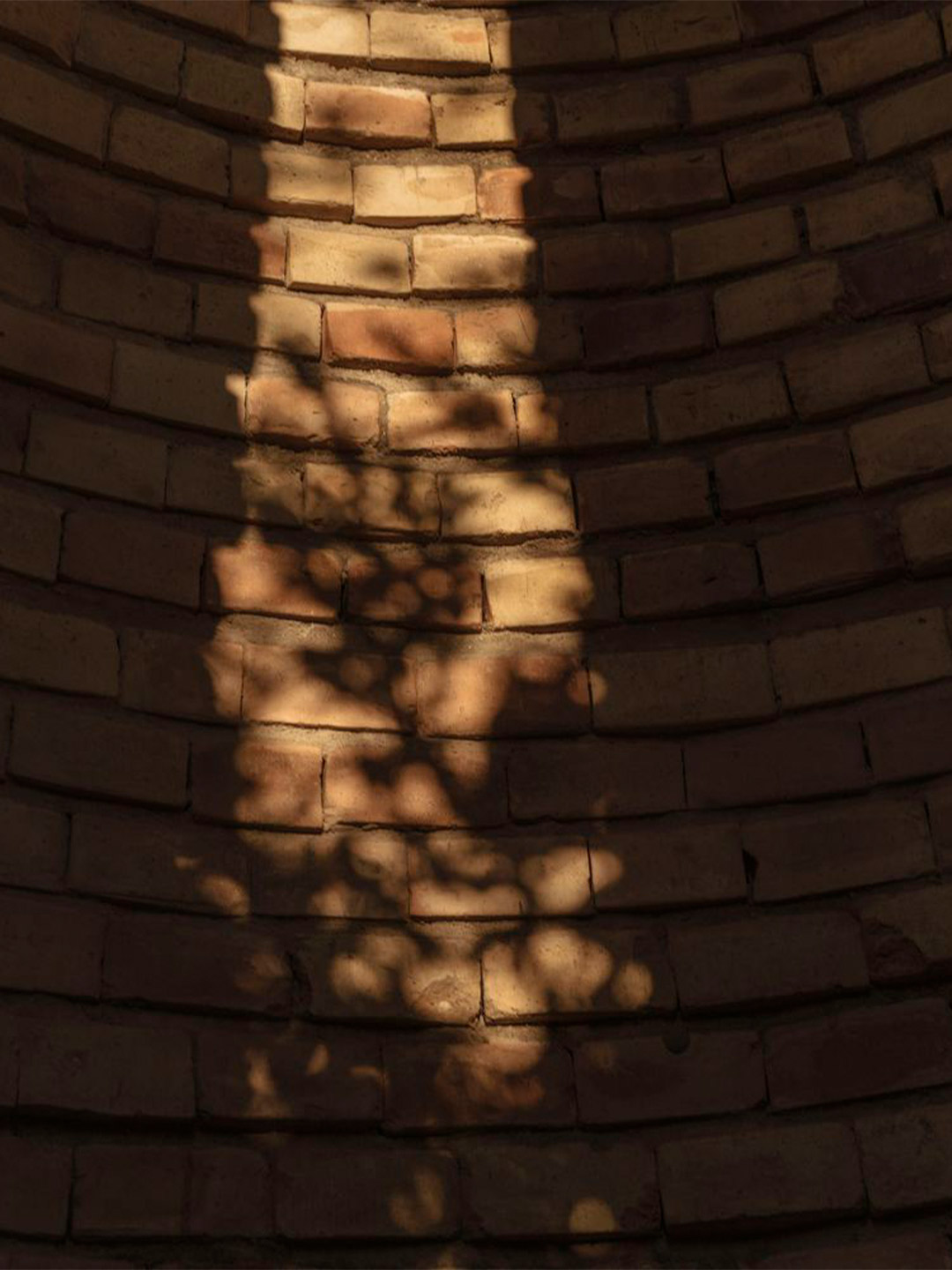
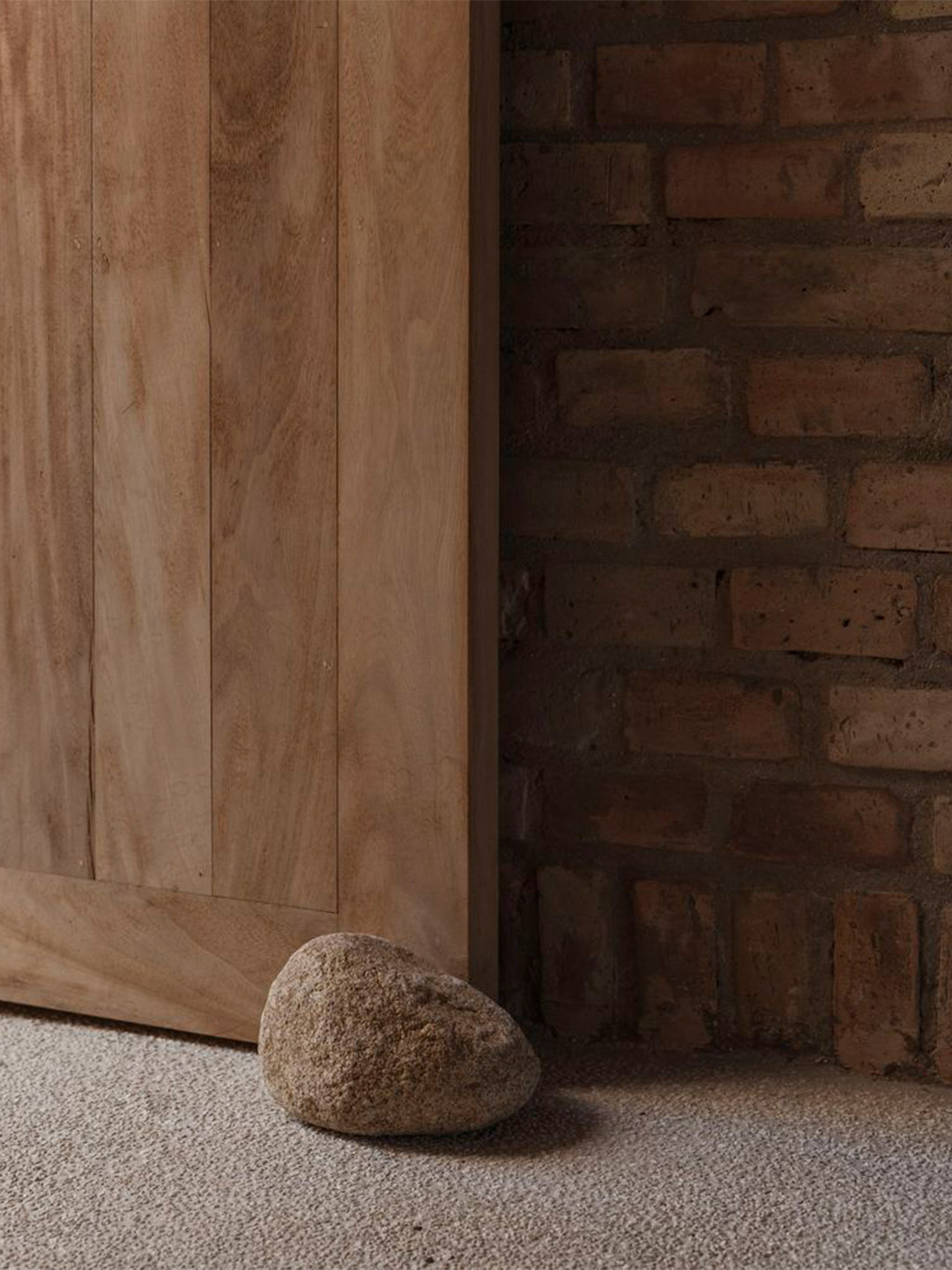
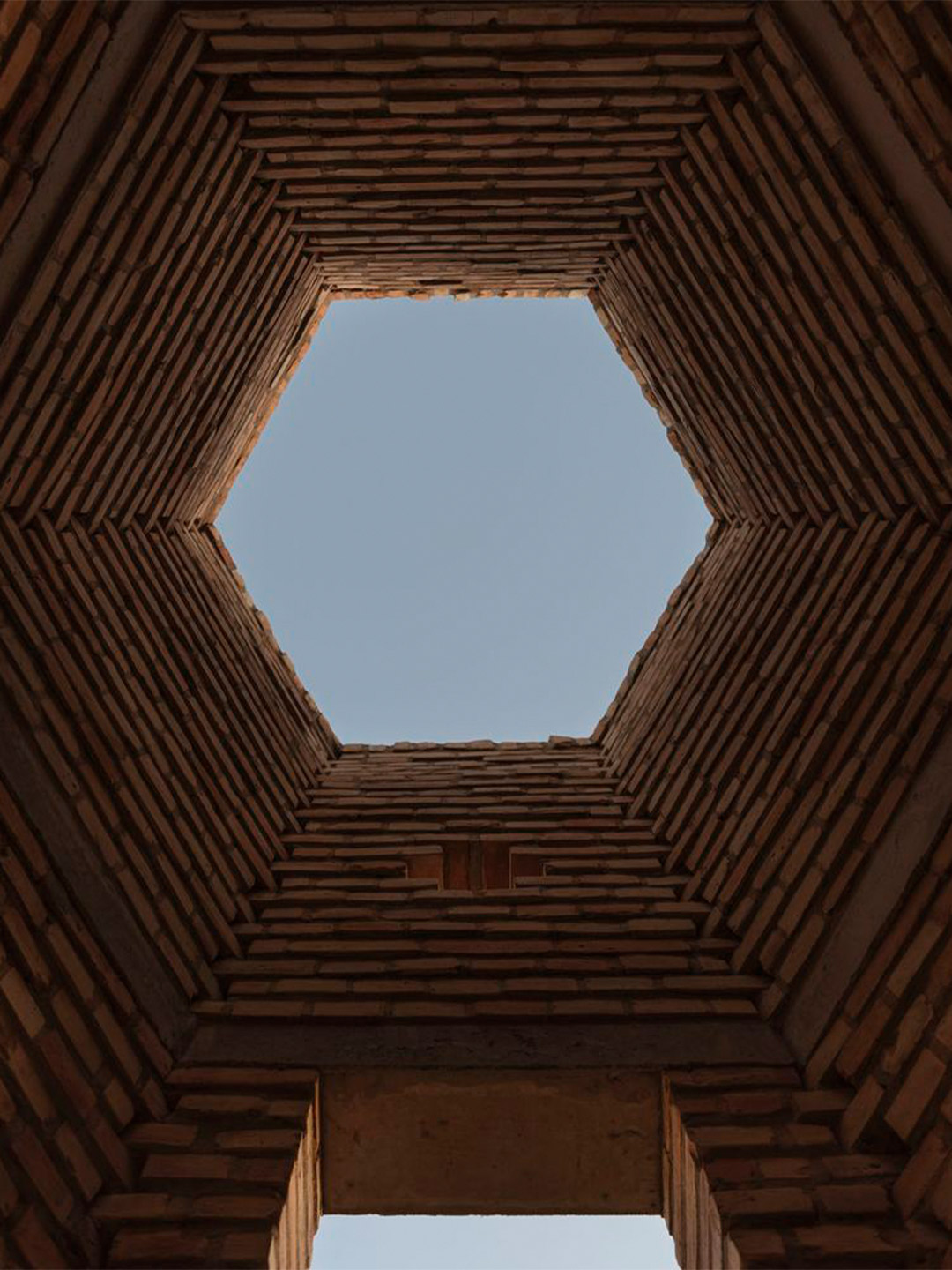
The hotel features fourteen villas, a standalone open-air restaurant, communal circular pool for treatments, a long swimming lane, and a striking hexagonal spa that contains a chilled water bathtub, steam, shower and outdoor shower. Each of the villas has its own private pool and is designed around an earthy palette of colours and textures. “Earth, wood, brick and concrete are delicately combined with clay and sand to immerse visitors in a unique spatial experience,” says the hotel team. “[It’s a place] where nature and architecture interact almost seamlessly.”
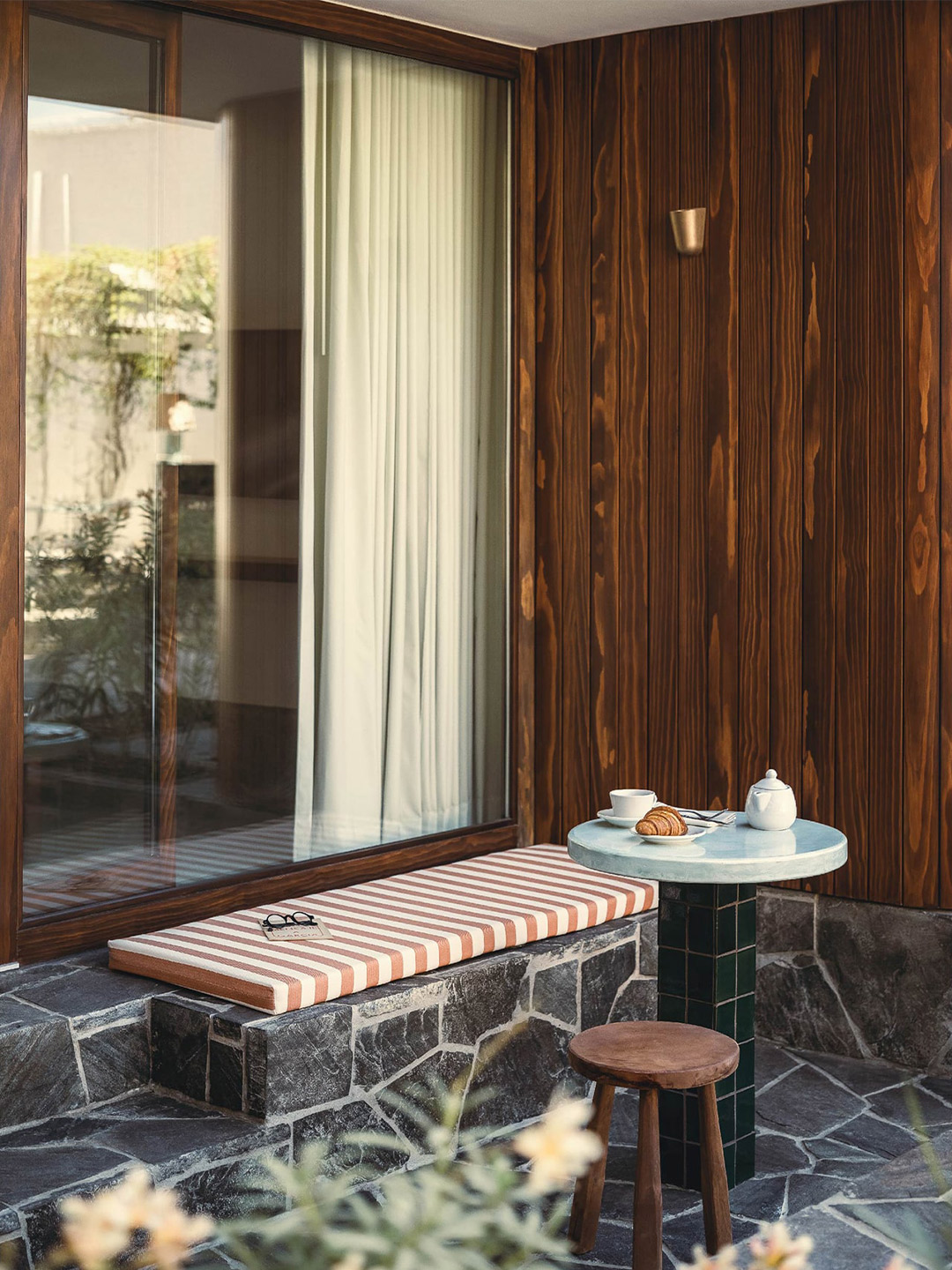
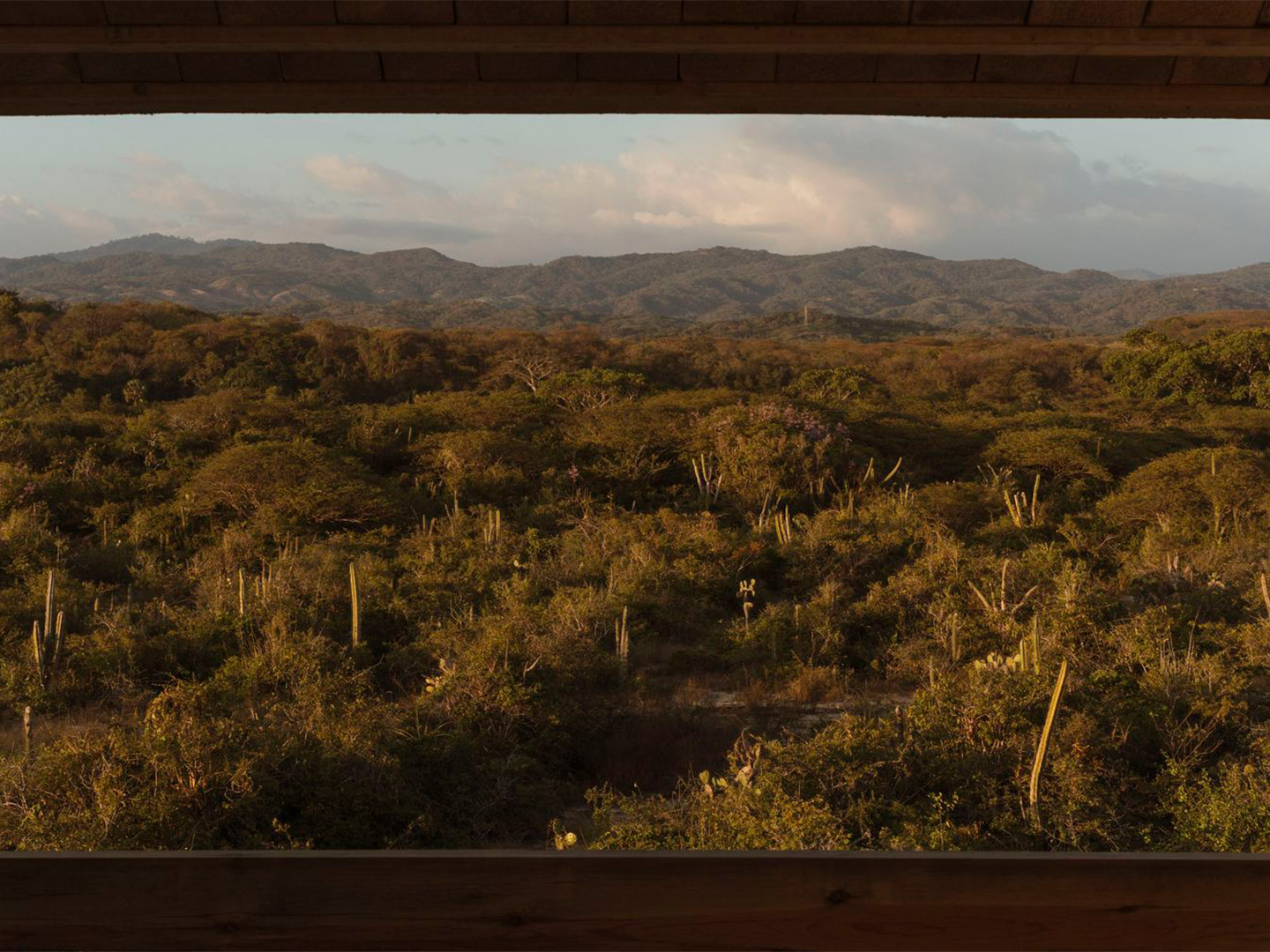
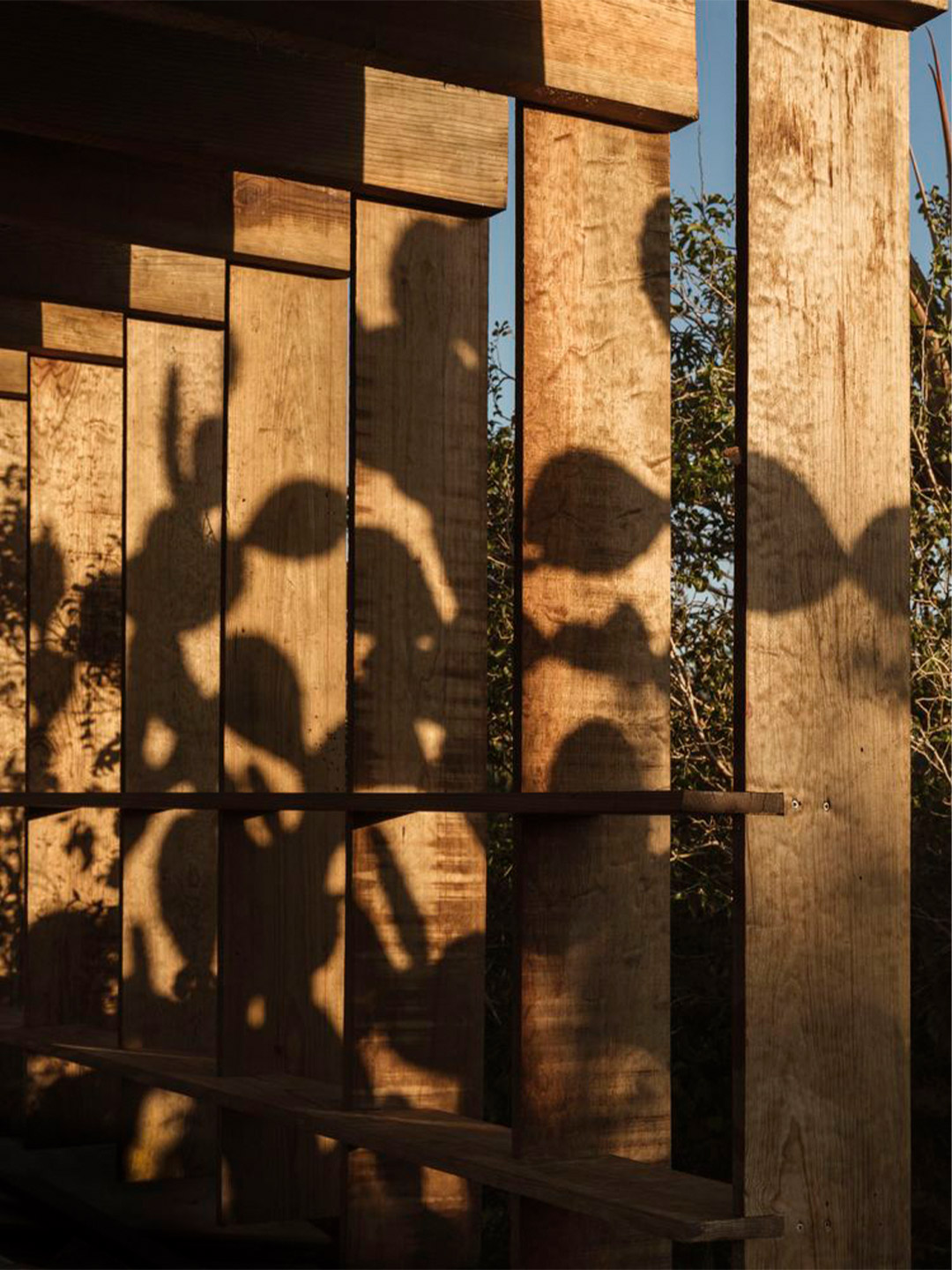
Custom-designed by celebrated Mexican architect and designer Oscar Hagerman, the furniture at Terrestre further enhances the one-of-a-kind sensorial atmosphere. The interior spaces of the villas merge harmoniously with the outside areas through a series of slatted timber doors and windows that open to lush private gardens and terraces, while also framing breathtaking mountain views or glimpses of the Pacific Ocean.
All the hotel’s amenities were produced by local hands and its spaces are infused with the ancient and mystical scent of copal (a light fragrance derived from the copal tree). Terrestre’s mood is inspired by an intimate dialogue with its natural surroundings – from its overall architectural statement to the smallest detail, the design blends quietly with the site’s seaside landscape. “Thus, water, flora, light, and air become intrinsic elements of Terrestre’s design,” explains the hotel team.
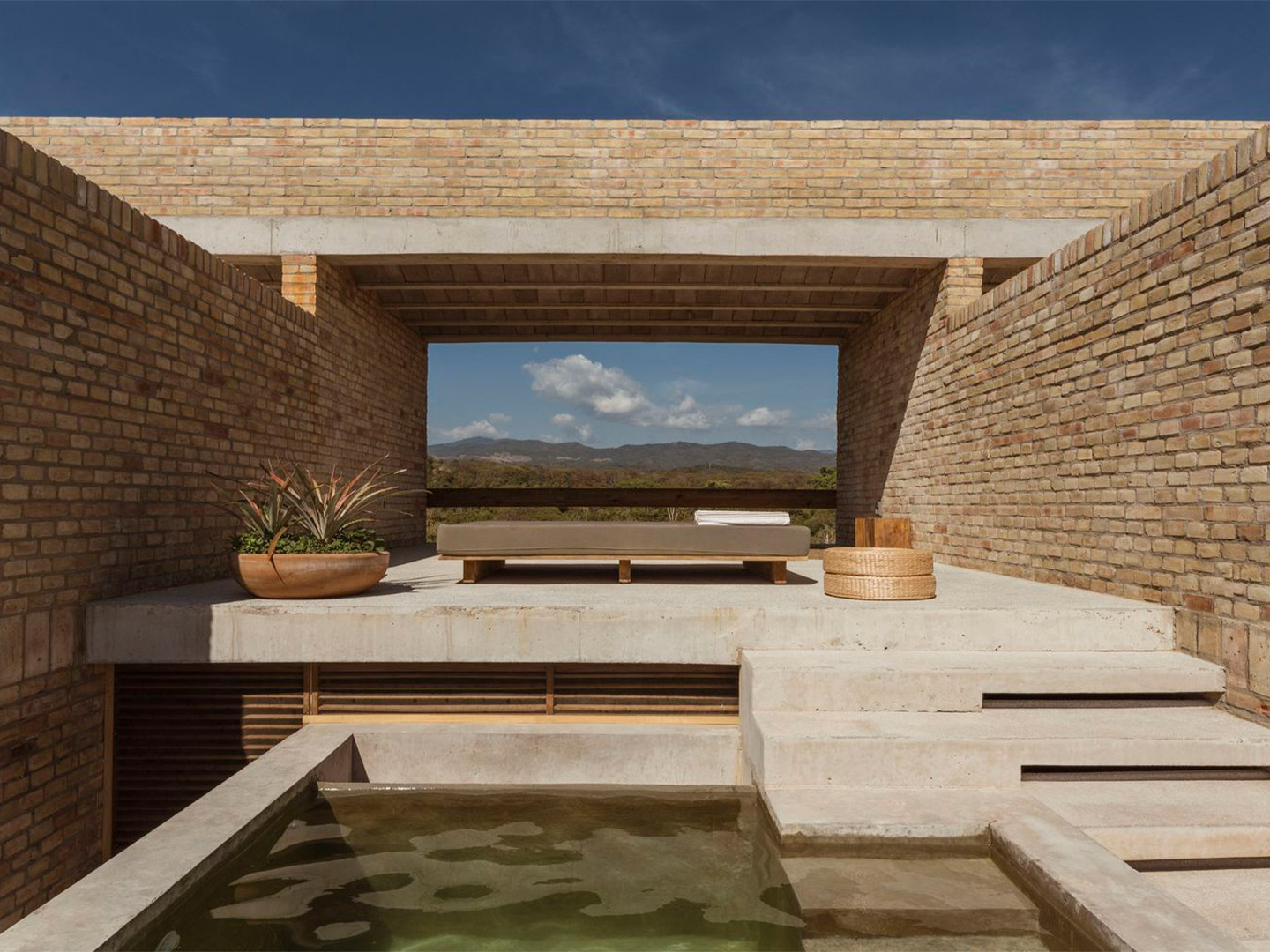
Beyond the stepped brick walls of the hotel, the Puerto Escondido region – one of the jewels in Mexico’s tourism crown – offers an endless array of both natural and cultural wonders for guests to discover. In addition to its pristine beaches (such as Zicatela Beach, renowned for its Mexican Pipeline surf break), Puerto Escondido provides an opportunity to experience the best of Oaxaca’s rich heritage. This includes impressive archeological sites and heart-stopping landscapes, world-famous cuisine, a burgeoning design scene and distinctive handicrafts.
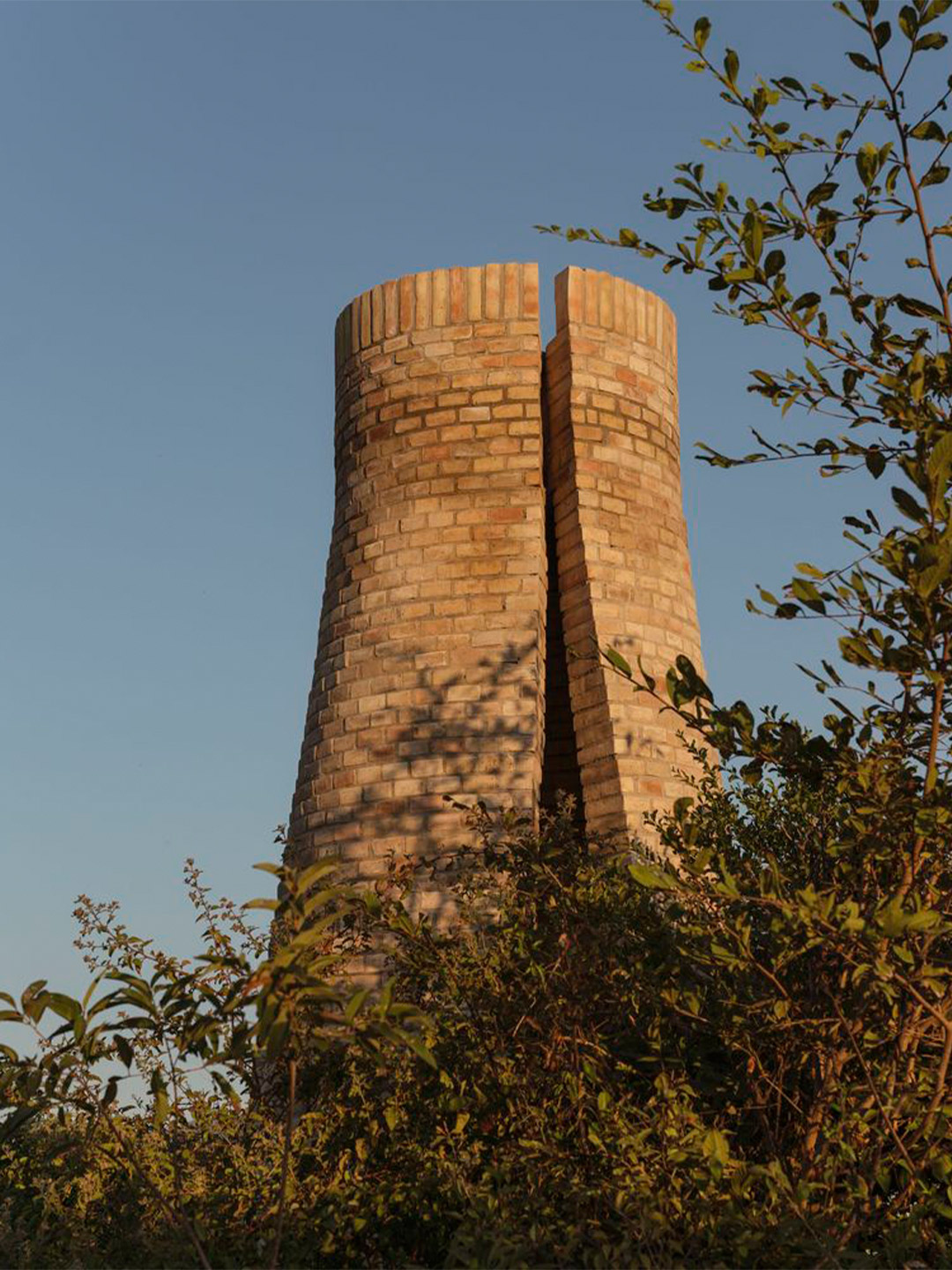
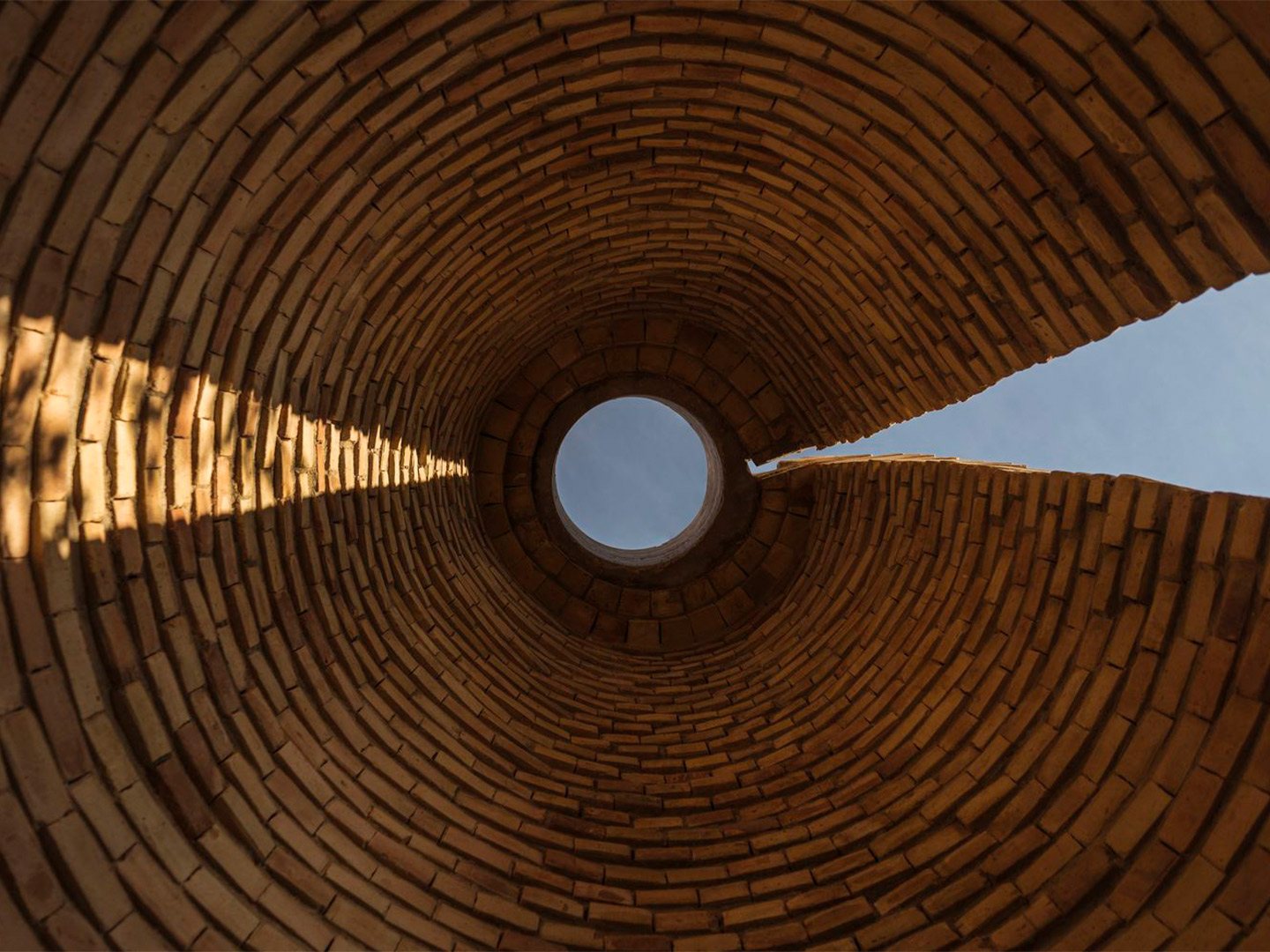
Terrestre is situated alongside cultural spaces such as Casa Wabi, a sprawling compound with a Tadao Ando–designed centre that hosts artist residencies and exhibitions; a ceramic workshop space with a 22-metre-tall chimney designed by Taller de Arquitectura X / Alberto Kalach; and a permanent large-scale outdoor art installation by Mexican artist Bosco Sodi. Nearby are destination restaurants like Kakurega Omakase (also designed by Kalach) and small-batch mezcalerias such as Cobarde. If adventure calls, there are spots for activities including surfing, bird watching, meditating, hiking, horseback riding, luminiscencia experiences and bathing in natural hot springs.
kalach.com; terrestrehotel.com
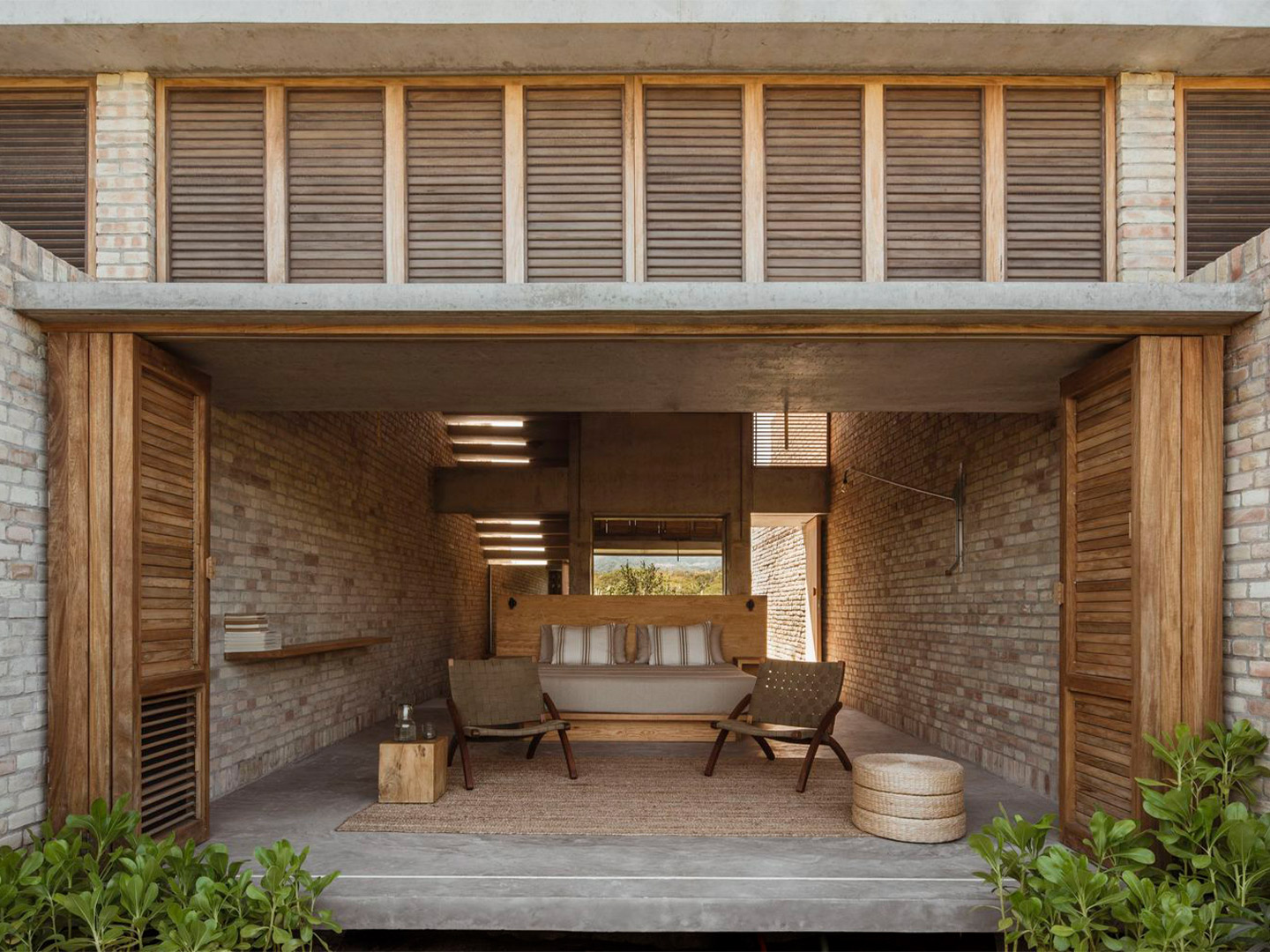
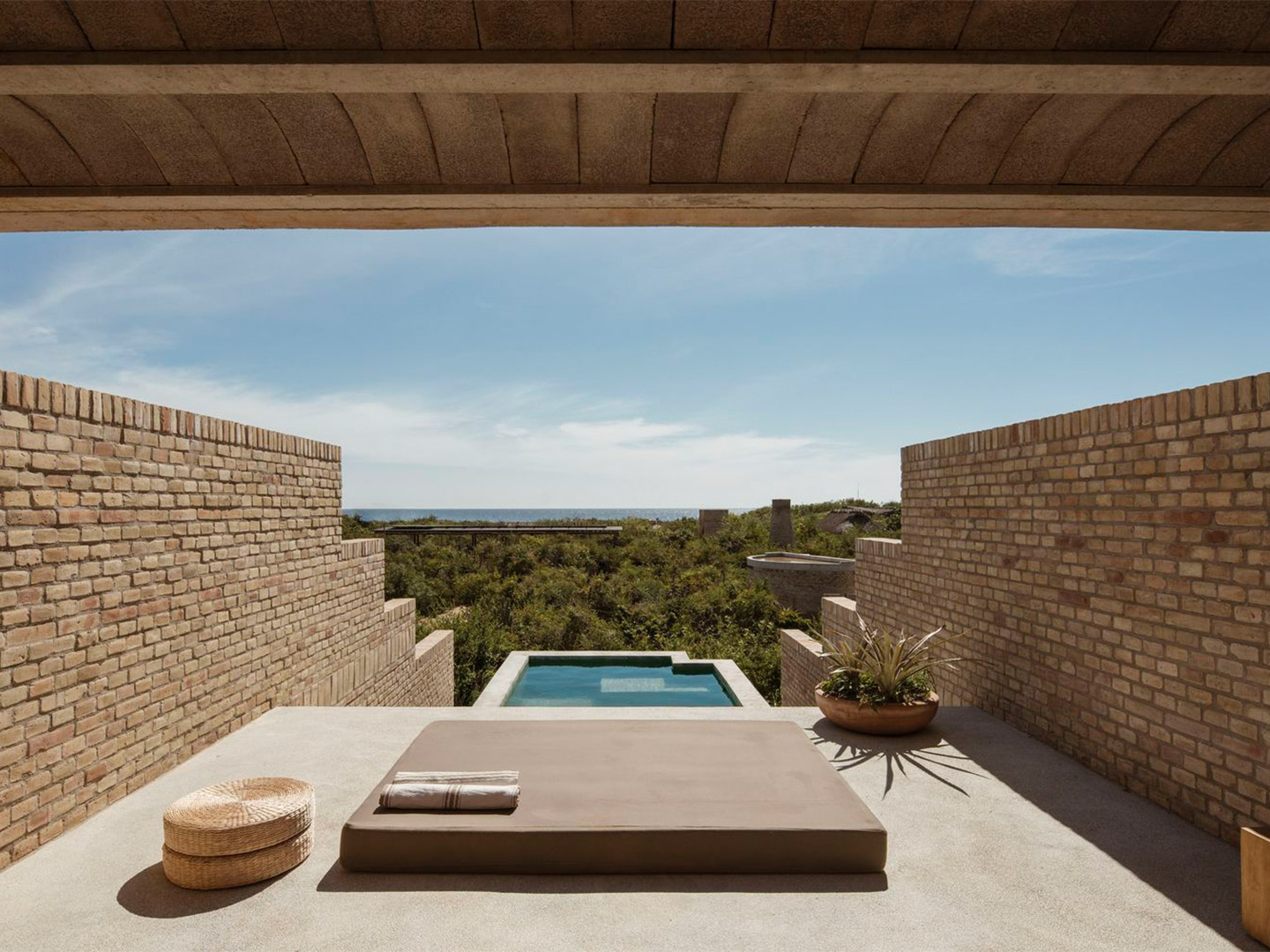
Relying entirely on solar power, the hotel encourages its guests to temporarily breakup with technology and reconnect with nature.
Love Hotel Terrestre in Mexico by Alberto Kalach and the team at TAX? Catch up on more hospitality design and architecture and commercial spaces. Plus, subscribe to the Daily Architecture News e-letter to receive weekly updates of the world’s best projects, ideas and exhibitions.
Related stories
- Hotel Les Deux Gares in Paris by Luke Edward Hall.
- Inside the Ace Hotel Kyoto by Kengo Kuma and Commune.
- Holiday maker: The Calile Hotel by Richards and Spence.
- Plesner Architects delivers decadence at the Six Senses Shaharut resort in Israel.
Overlooking the famed Malecón promenade in the historic heart of La Paz, Mexico, the Baja Club Hotel’s springtime opening is a welcome ray of sunshine on the global travel horizon. Located on the Baja California Peninsula in Mexico’s northwest, the Grupo Habita-owned venue occupies an early 20th century hacienda, reborn at the hands of design studios Max von Werz Arquitectos and Jaune Architecture. The designer destination now stands as a glorious example of adaptive reuse, comprising 32 guest rooms and suites, a pool and spa, restaurant, and a rooftop bar that’s already a smash-hit. “After all, this wouldn’t be a Grupo Habita project if it didn’t have the hippest sundowner joint in town,” quips Grupo Habita co-founders Carlos Couturier and Moisés Micha.
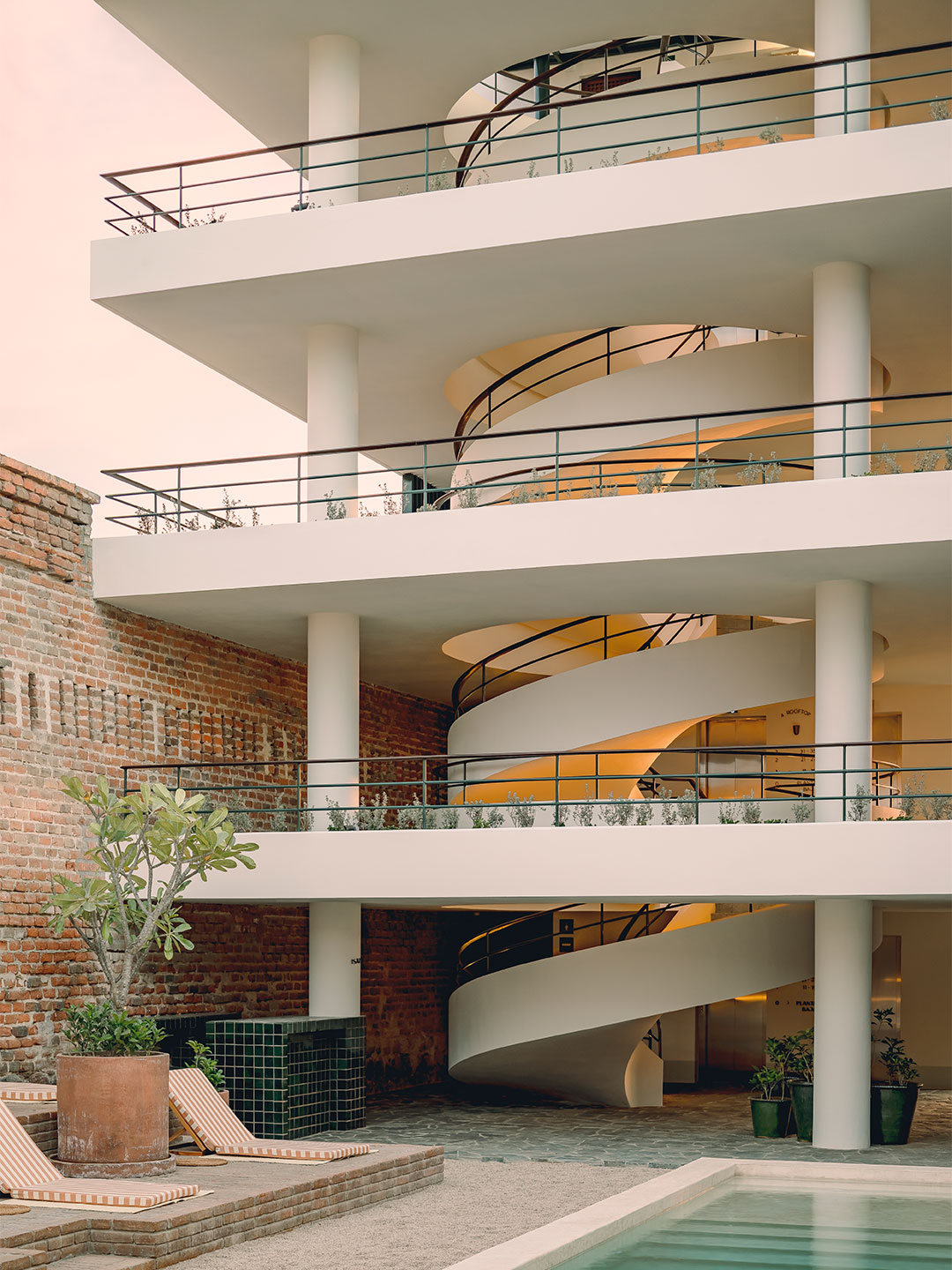
Grupo Habita’s Baja Club Hotel in northwest Mexico
Grupo Habita has been at the forefront of a design-led venue revolution in Mexico’s hospitality industry since 2000 when it opened the Habita Hotel, its first “lifestyle hotel” in Latin America. Since then, the hospitality group has amassed over a dozen diverse, award-winning hotels across Mexico, and in the United States with The Robey in Chicago. The edgy operators excel at pinpointing untapped locations in Mexico where they unleash their vision and adapt it to suit the personality of the neighbourhood and the city at-large. “It’s about creating experiences for your guests and making the world better through hospitality,” they preach.
In realising the Baja Club Hotel, their 14th project together, Carlos and Moisés looked to the legendary Sea of Cortés and their own patch of coastline to find inspiration. Through this process they discovered that La Paz was, for centuries, one of the world’s foremost pearl fishing centres, as documented in John Steinbeck’s novel The Pearl. The area boasts such rich biodiversity that French explorer Jacques Cousteau once referred to it as “the aquarium of the world”. While the site of the hotel, a classic mission-style villa built in 1910, was revealed to be the location of oyster pearl harvesting in a former life. This storied past naturally informed the transformation from hacienda to hotel.
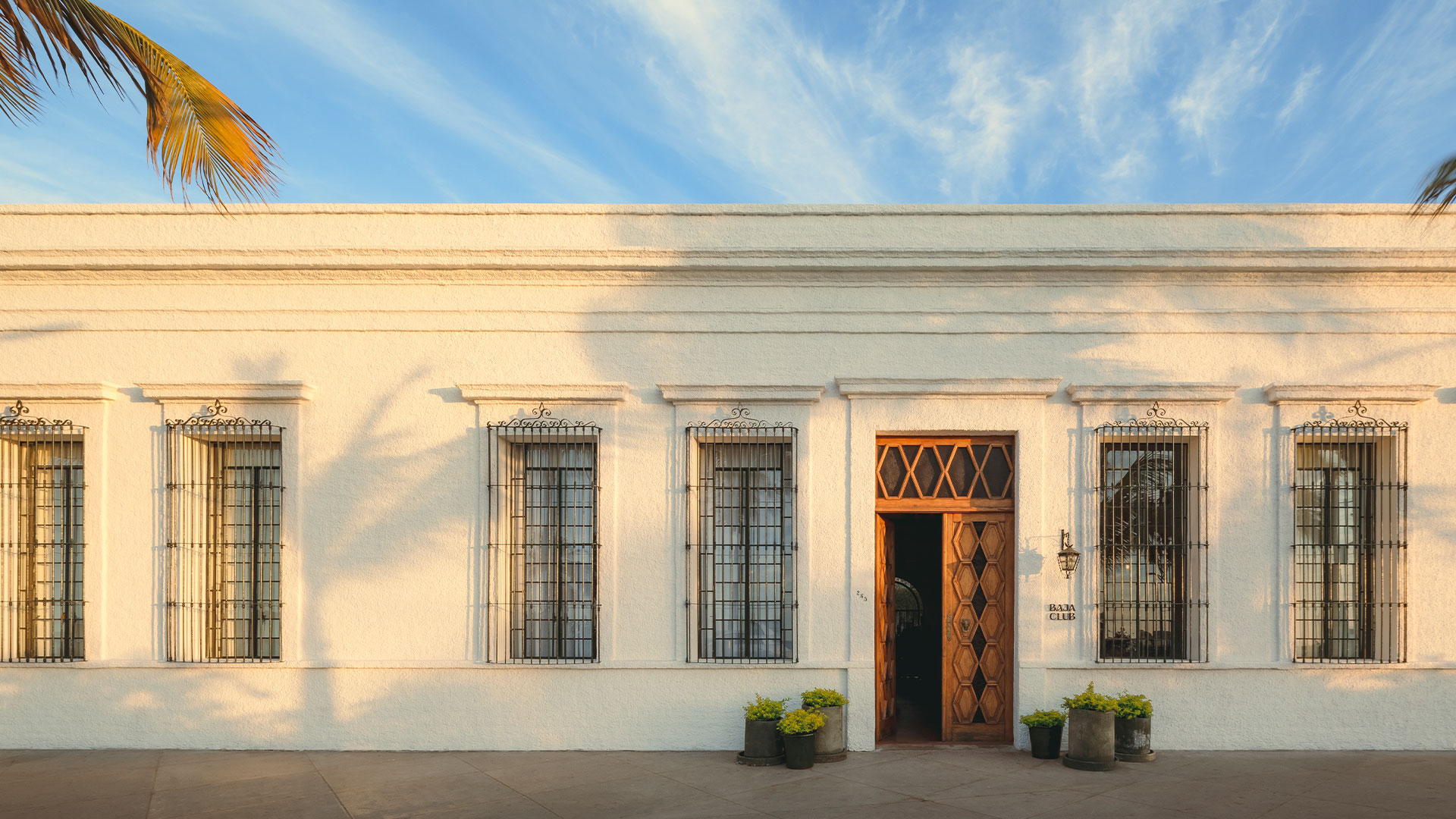
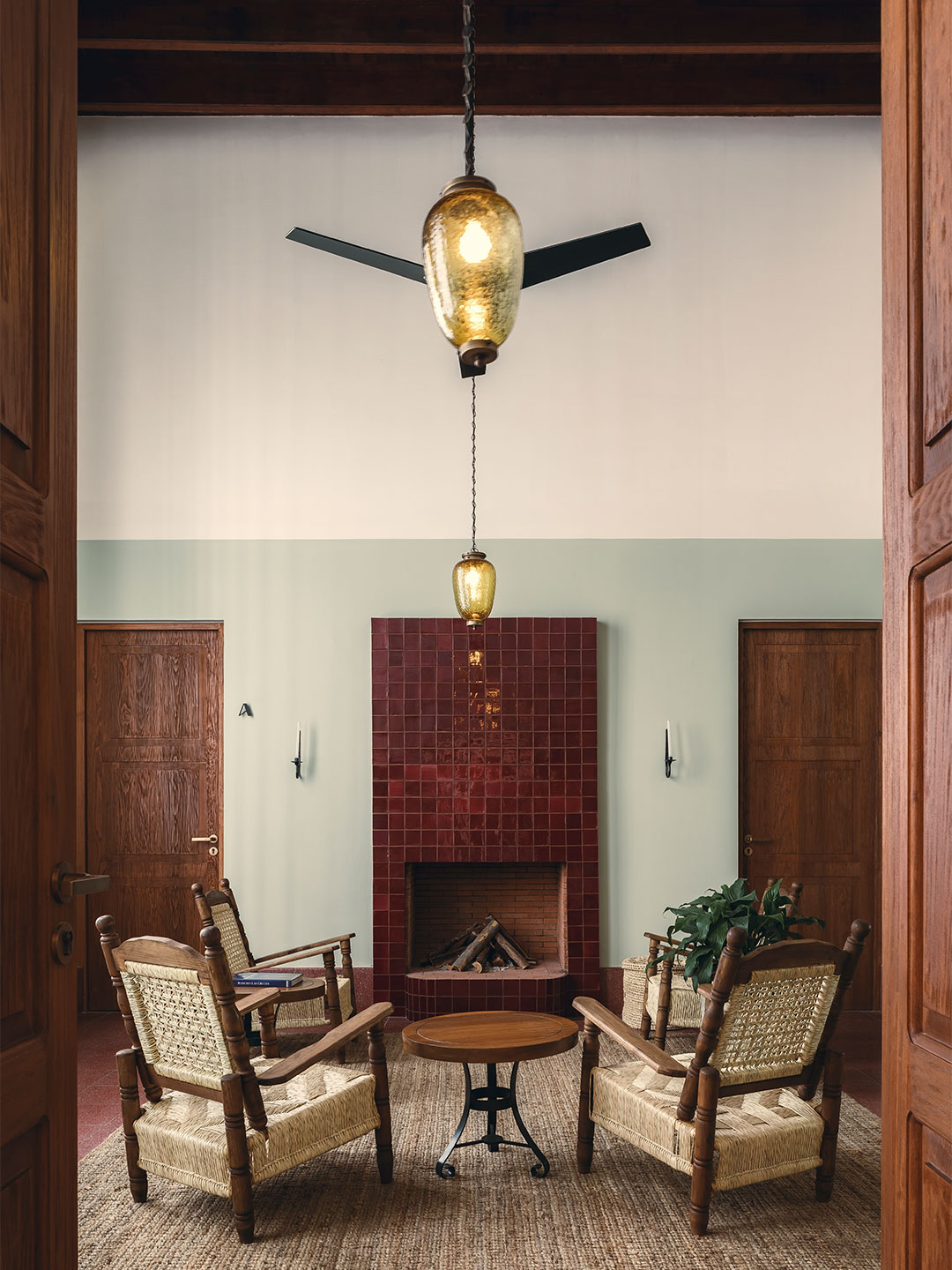
Tasked with repurposing the old villa, architecture and design firms Max von Werz Arquitectos and Jaune Architecture collaborated closely with the client on the new vision. Perhaps their boldest gesture was the addition of a chic four-storey extension with a show-stopping spiral staircase that masterfully merges old with new. The tiered additions maintain the sleek low-profile of the original home and provide generous terraces with views across La Paz Bay. “Subtle nautical connotations such as the new-build’s horizontal streamlining and the use of prominent timber elements throughout the project play on the maritime context of the hotel,” explains the Grupo Habita team.
Taking cues from the country’s rich culture of colour, texture, and craftsmanship, spaces in the hotel are swathed in the same green and red tones commonly seen on the streets and found in Mexican earthenware and woven materials. Nods to Mexico’s architectural past arrive in the form of an imposing double-door main entrance with original ironmongery, tall windows dressed in intricate ironwork, exposed timber beams, colourfully tiled bathrooms and sensational red terrazzo floors.
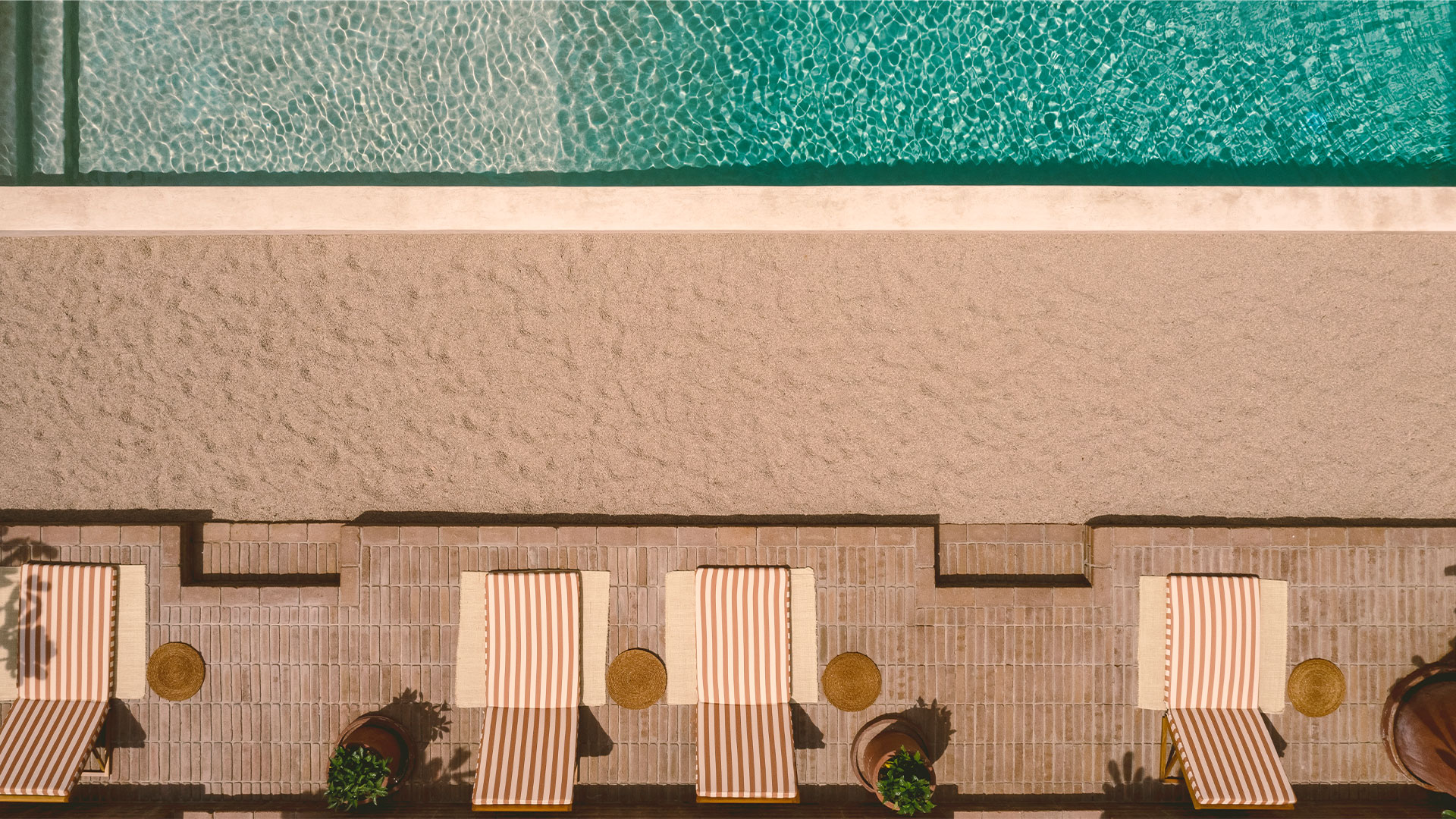
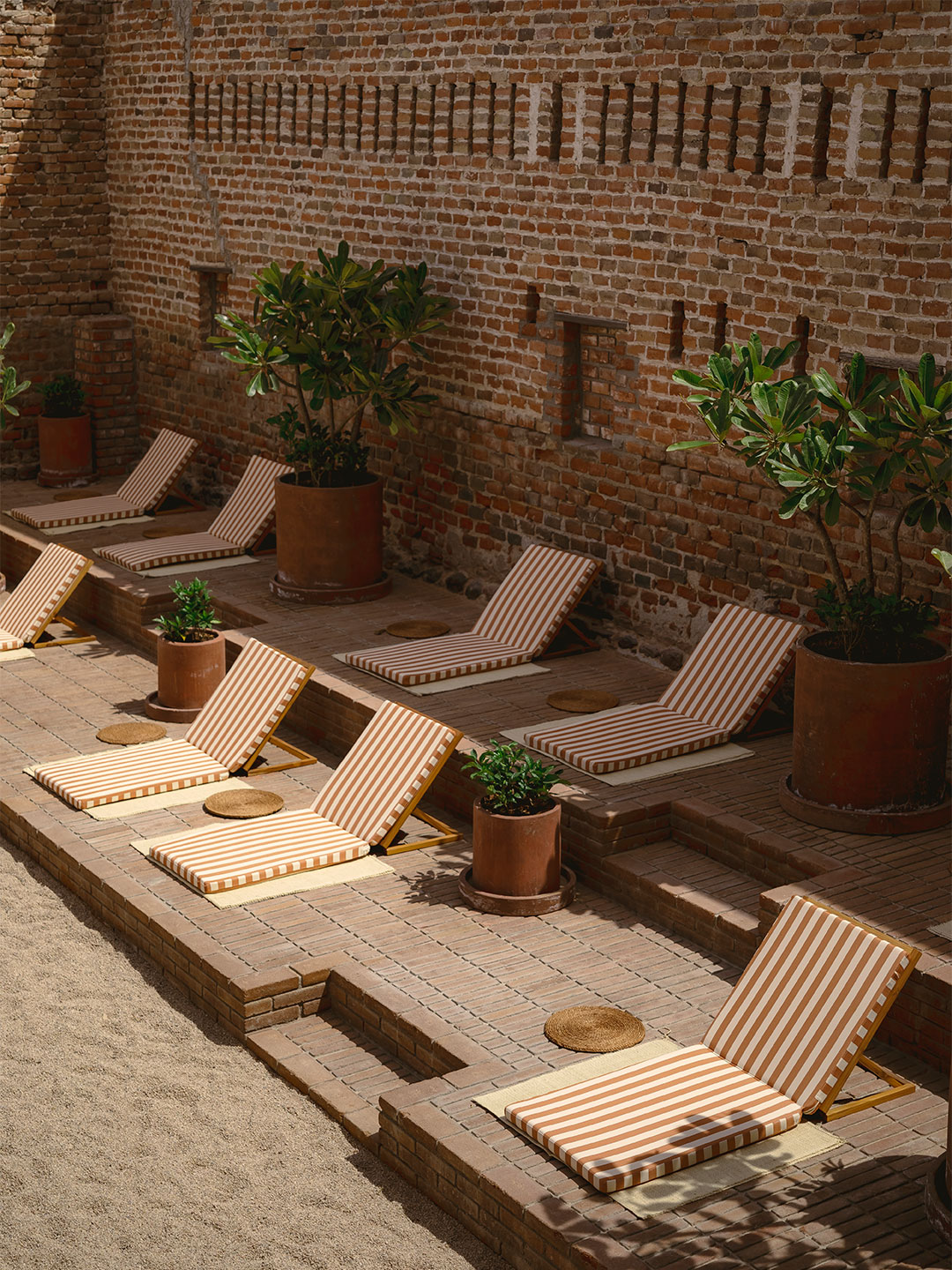
Viewed from the street, a rough stucco facade highlights the villa’s original character, while the new L-shaped building and its 32 rooms frame the pool and walled courtyard, creating clusters of peaceful patios and sun-drenched gardens. From the central courtyard, guests are to feel cocooned in the intimate nature of the property, while a full spa experience is available, as is a restaurant concept centred around Greek flavours.
Working with local artisans, the architecture and design team paid special attention to respecting the surrounding environment through an implementation of “bioclimatic design”. Central to this approach, an original pergola was restored – integral to the preservation of native vegetation on-site – while an outdoor kitchen further encourages guests to interact in the open-air.
As with previous projects in their portfolio, Grupo Habita’s commitment to infusing the local experience into every aspect of the hotel comes from collaborating in a holistic sense. “We use a local team every time we build a hotel – the surroundings and their local traditions are the very heartbeat of our projects,” Carlos says, who in the same breath reveals the simple secret at the core of the business: “The idea is for guests to feel welcomed.”
maxvonwerz.com; jaunearchitecture.com; bajaclubhotel.com
We use a local team every time we build a hotel – the surroundings and their local traditions are the very heartbeat of our projects.