From well-dressed watering holes to exquisite fine-diners, Australia’s most beautiful establishments have been singled out by the 2020 Eat Drink Design Awards. The illustrious program, which is organised by Architecture Media, sets its sights on venues where aesthetics is as highly regarded as the bites and beverages they serve. The awards are presented across seven categories including Best Restaurant Design, Best Cafe Design and Best Bar Design.
Selected by a jury of industry experts, the 2020 line-up of winners are linked by threads of nostalgia. A theme which makes its way into the design responses via throwbacks to old-world elegance and classic European influences.
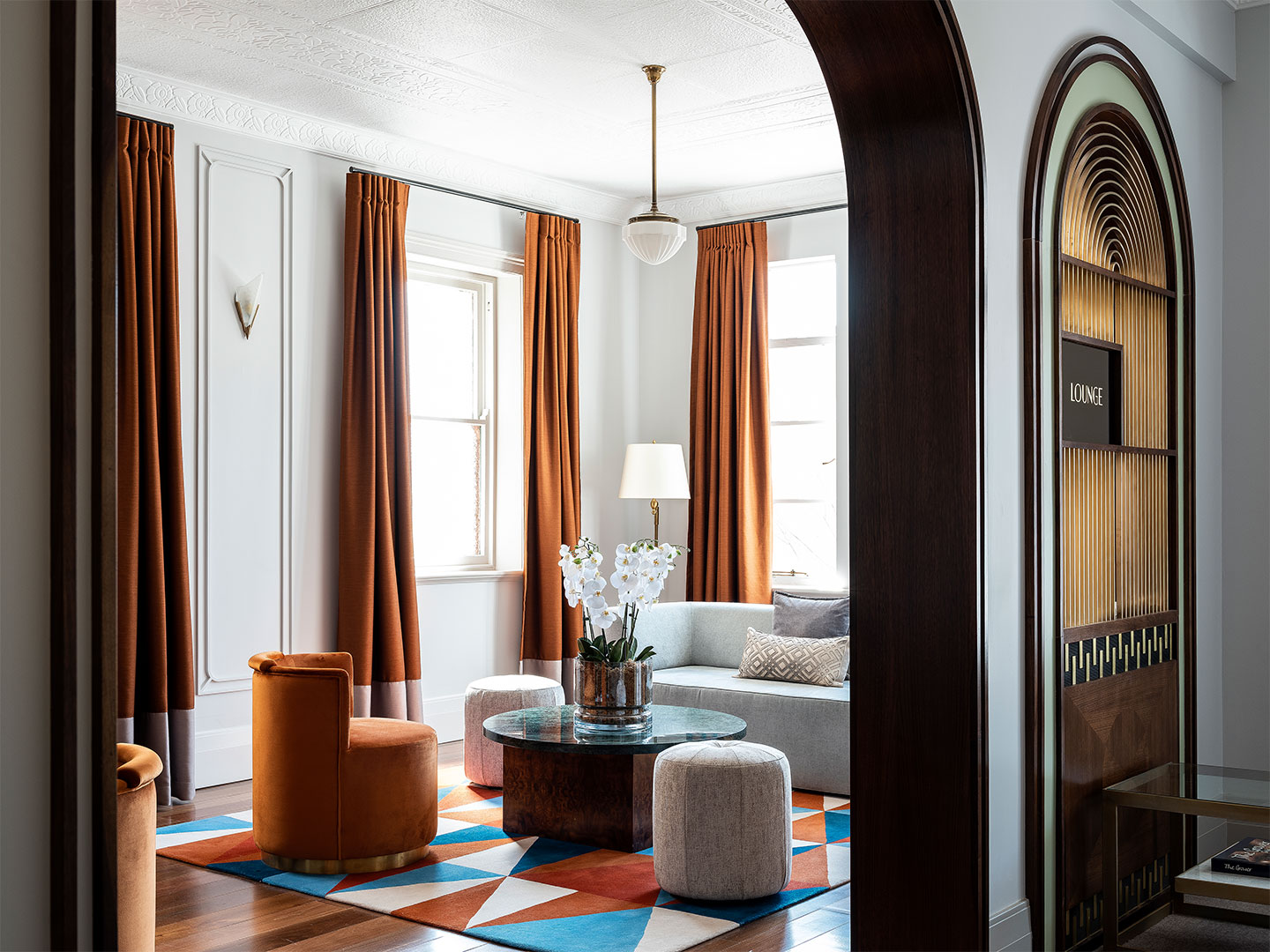
“Pining for the days when we could visit our favourite restaurants, cafes, and bars, the jury was drawn to venues with sentimentality and tradition at their core, but executed in a contemporary way,” says Cassie Hansen, jury chair and editor of Architecture Media’s Artichoke publication. “This year’s exemplary field of winners successfully remember and celebrate the times of the past, but forge a new future – one we can’t wait to explore.”
While this year’s celebration – and the industry it honours – was faced with its share of setbacks, the announcement of the award-winners (and runners-up) comes at a time when Australians can finally revisit the designer destinations. Not to mention, raise a socially distanced glass to the best in the business.
Now, ready your reservations – here are the winners of the 2020 Eat Drink Design Awards.
Best Bar Design
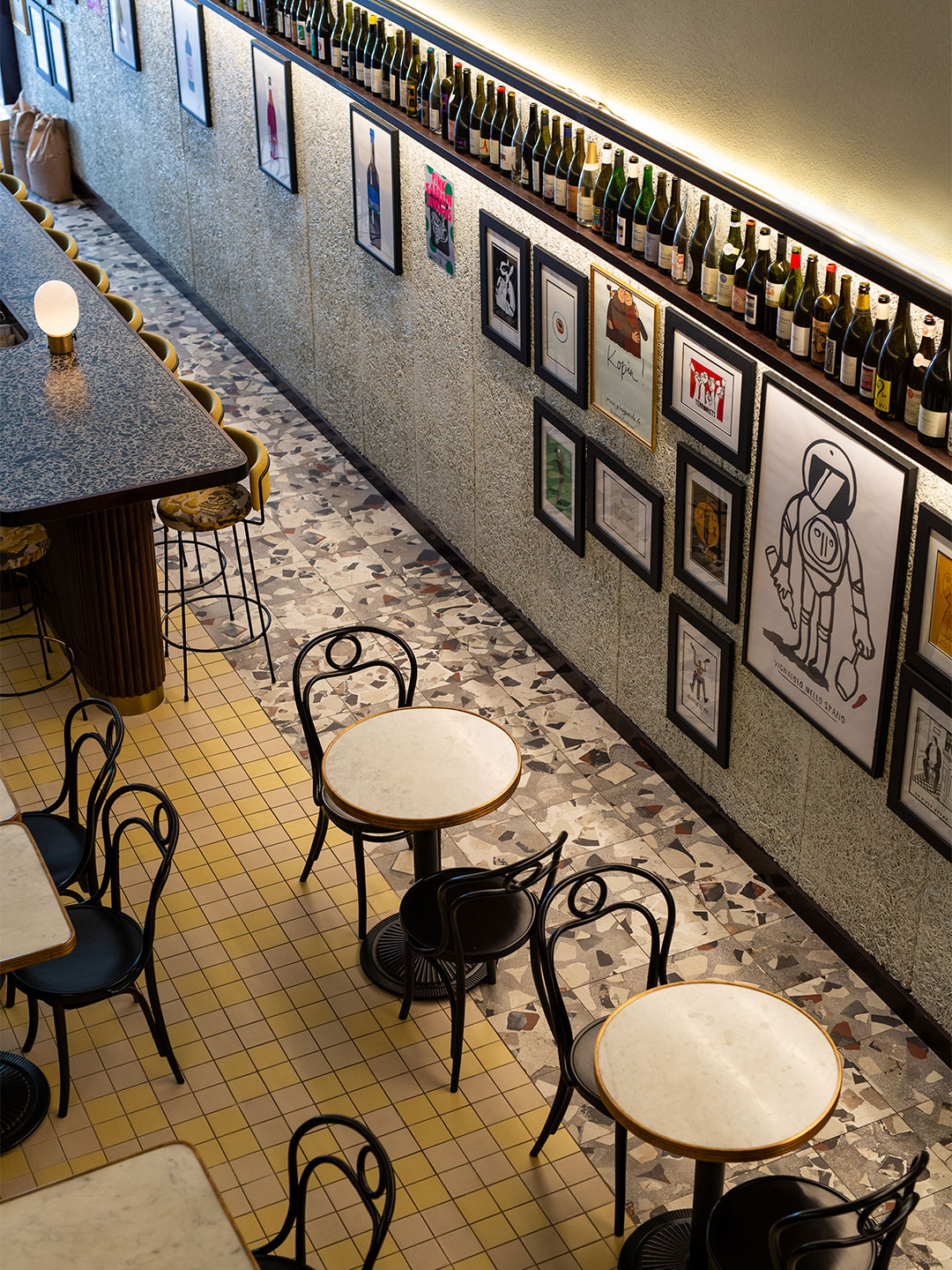
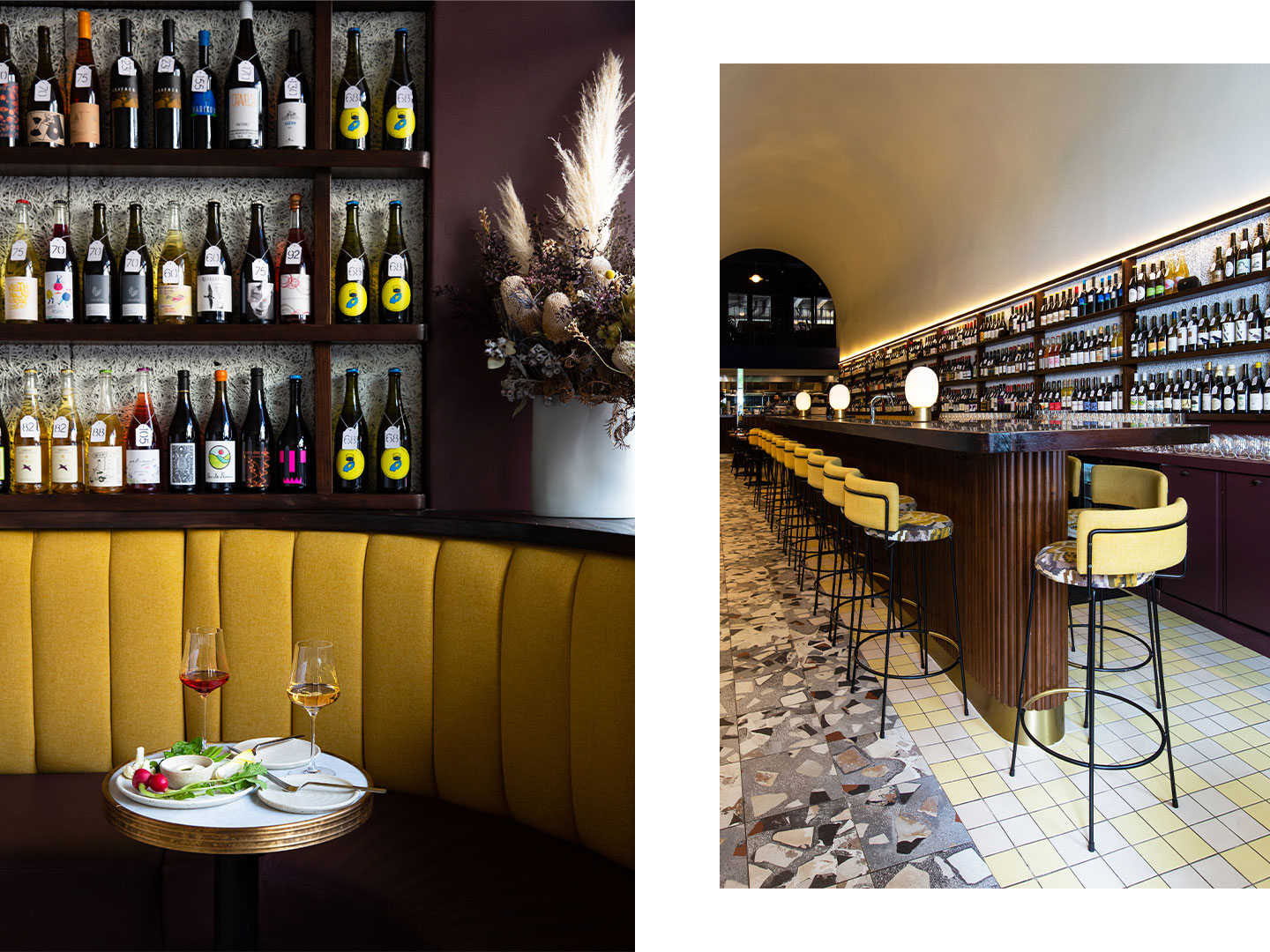
Leigh Street Wine Room by Studio Gram (Adelaide, South Australia)
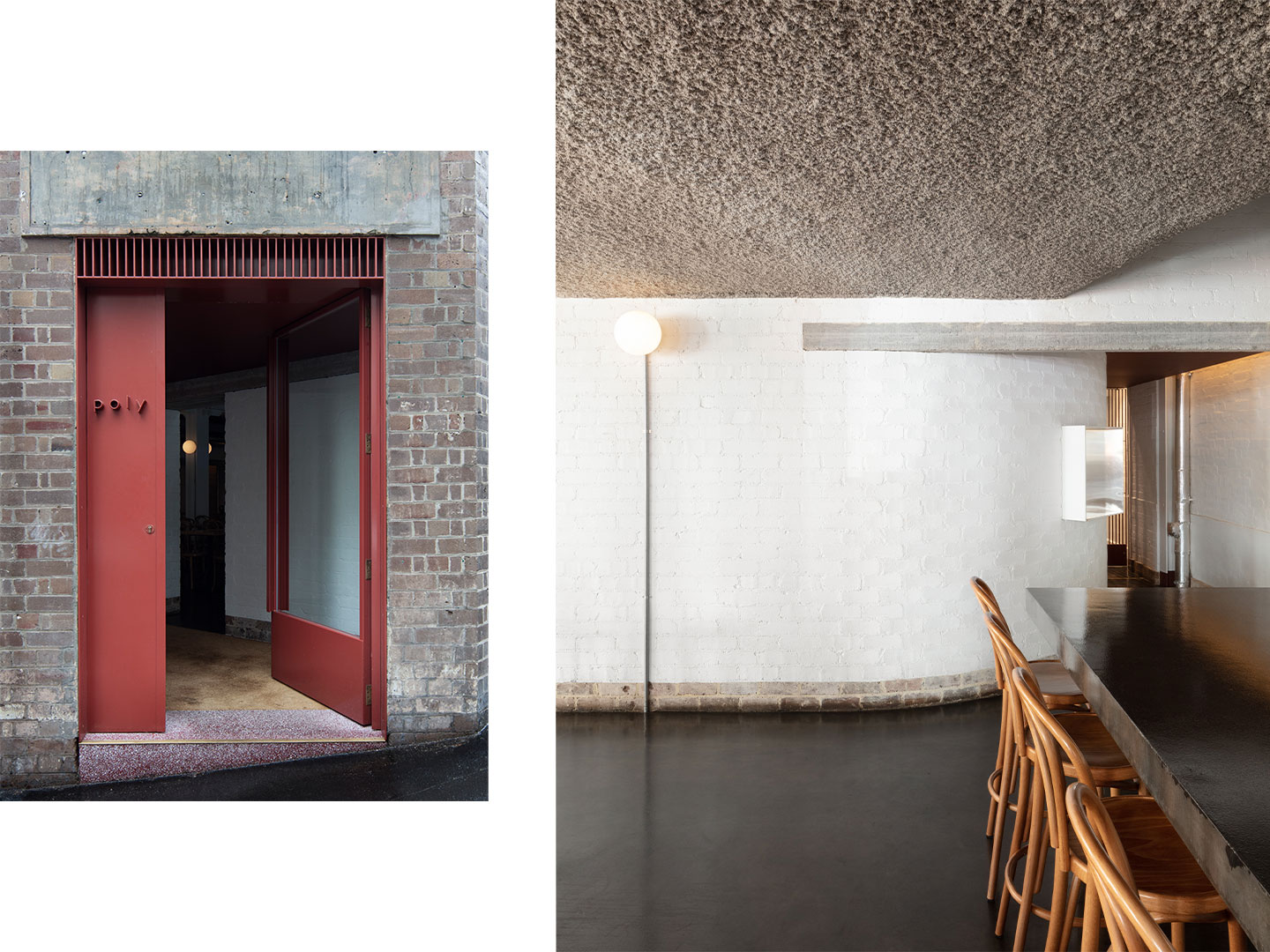
Best Restaurant Design (joint winner)
Poly by Anthony Gill Architects (Surry Hills, New South Wales)
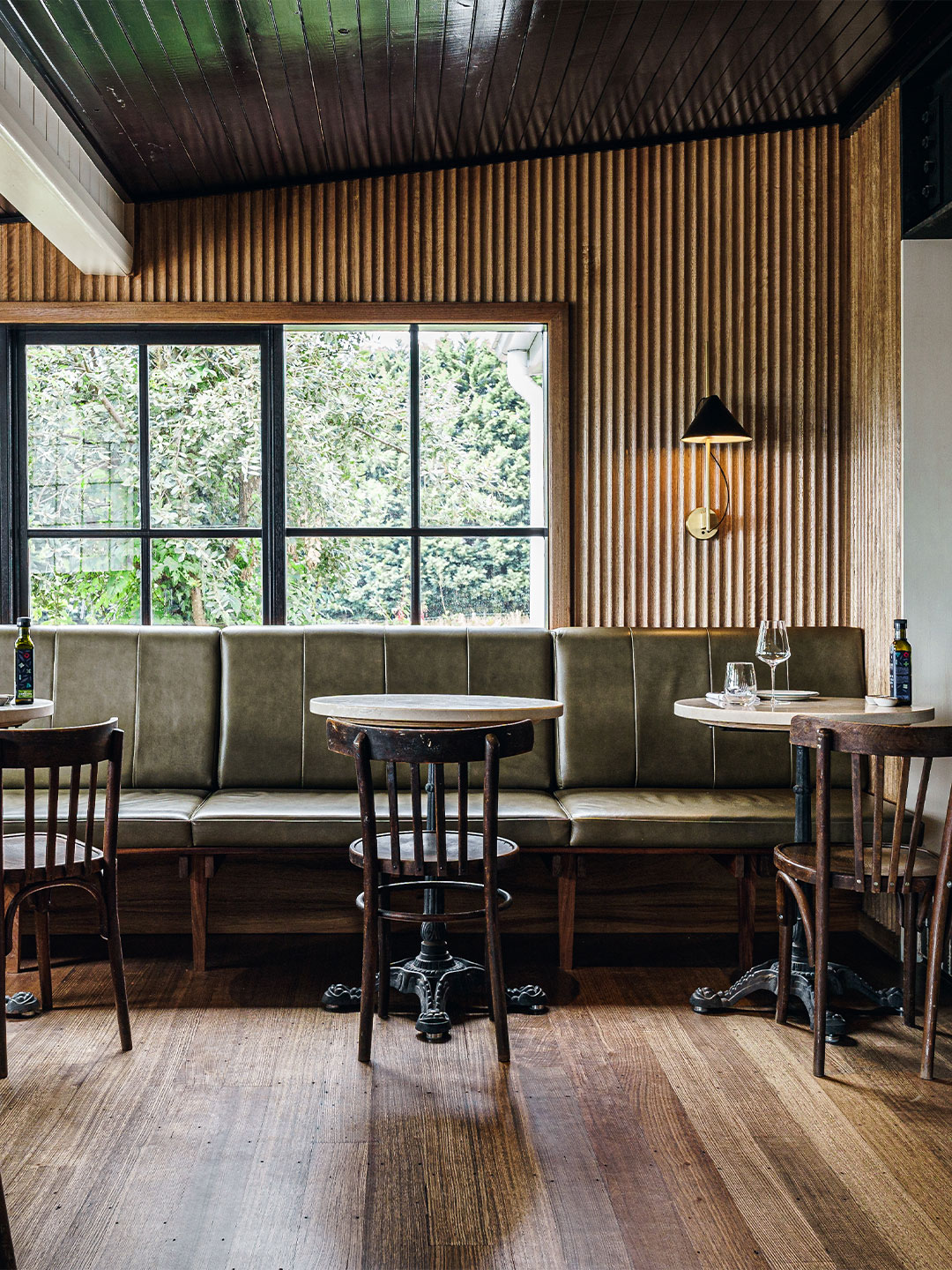
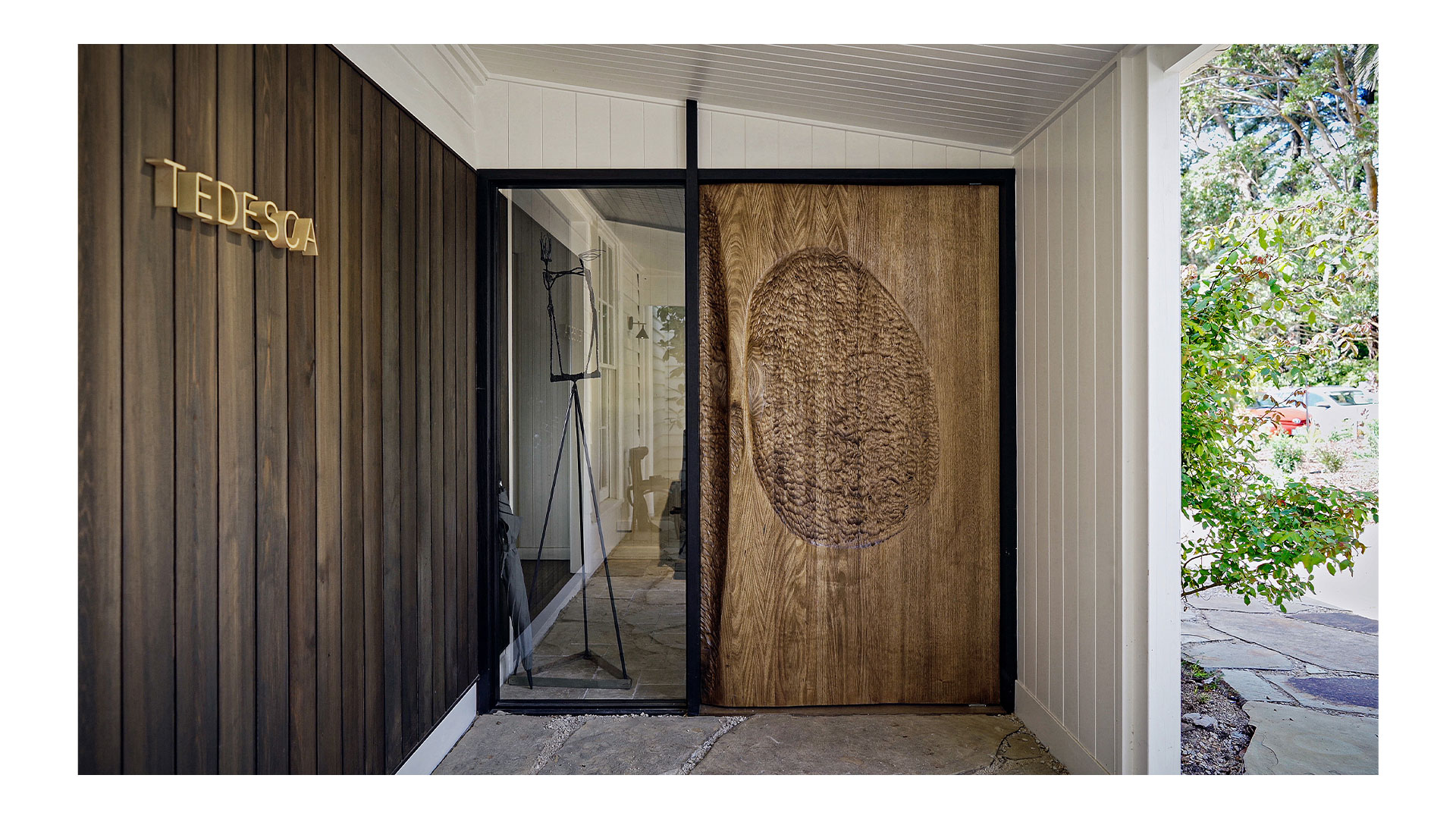
Best Restaurant Design (joint winner)
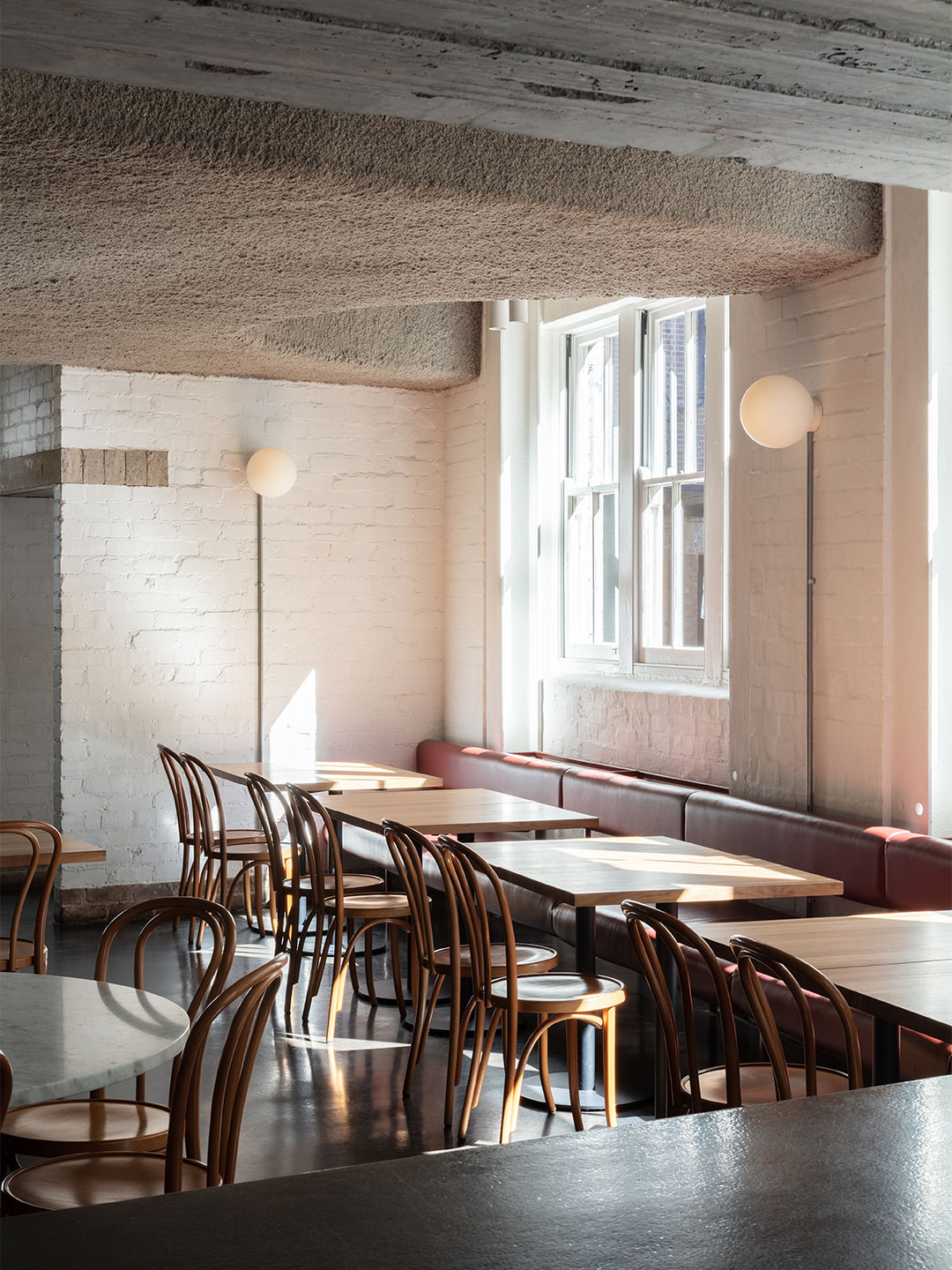
Osteria Tedesca by Cox Architecture (Red Hill, Victoria)
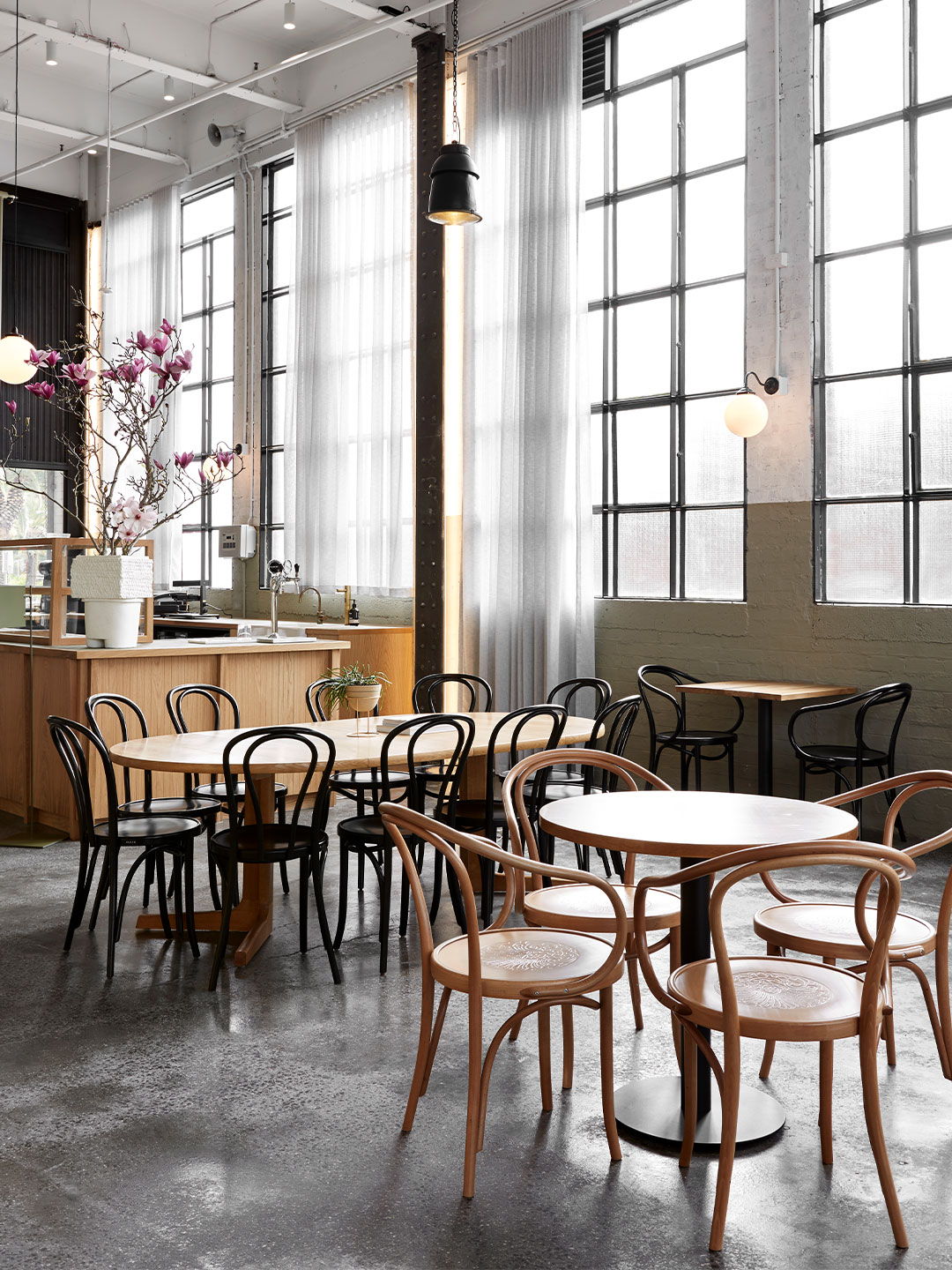
Best Cafe Design
There Cafe by Ewert Leaf (Footscray, Victoria)
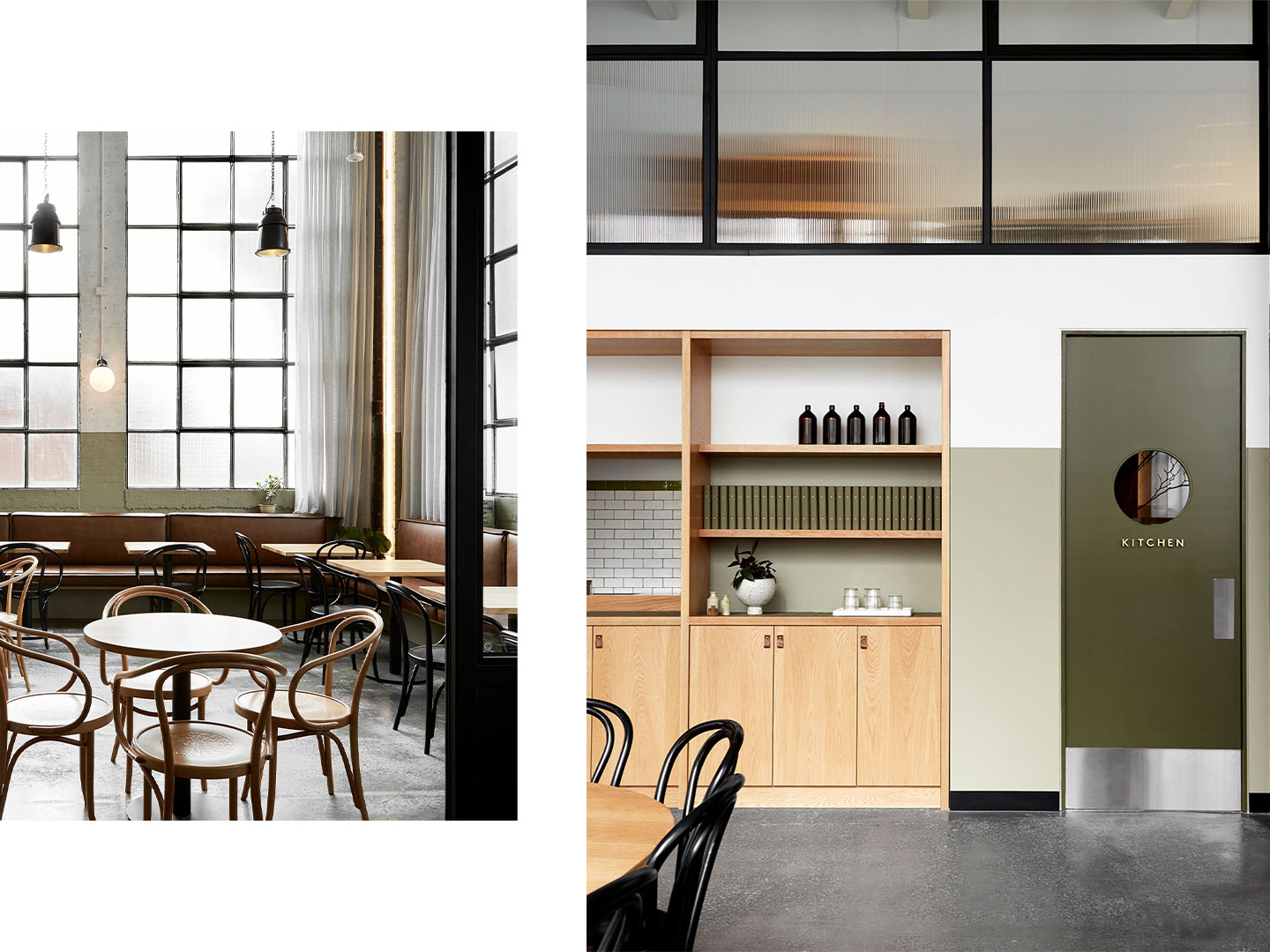
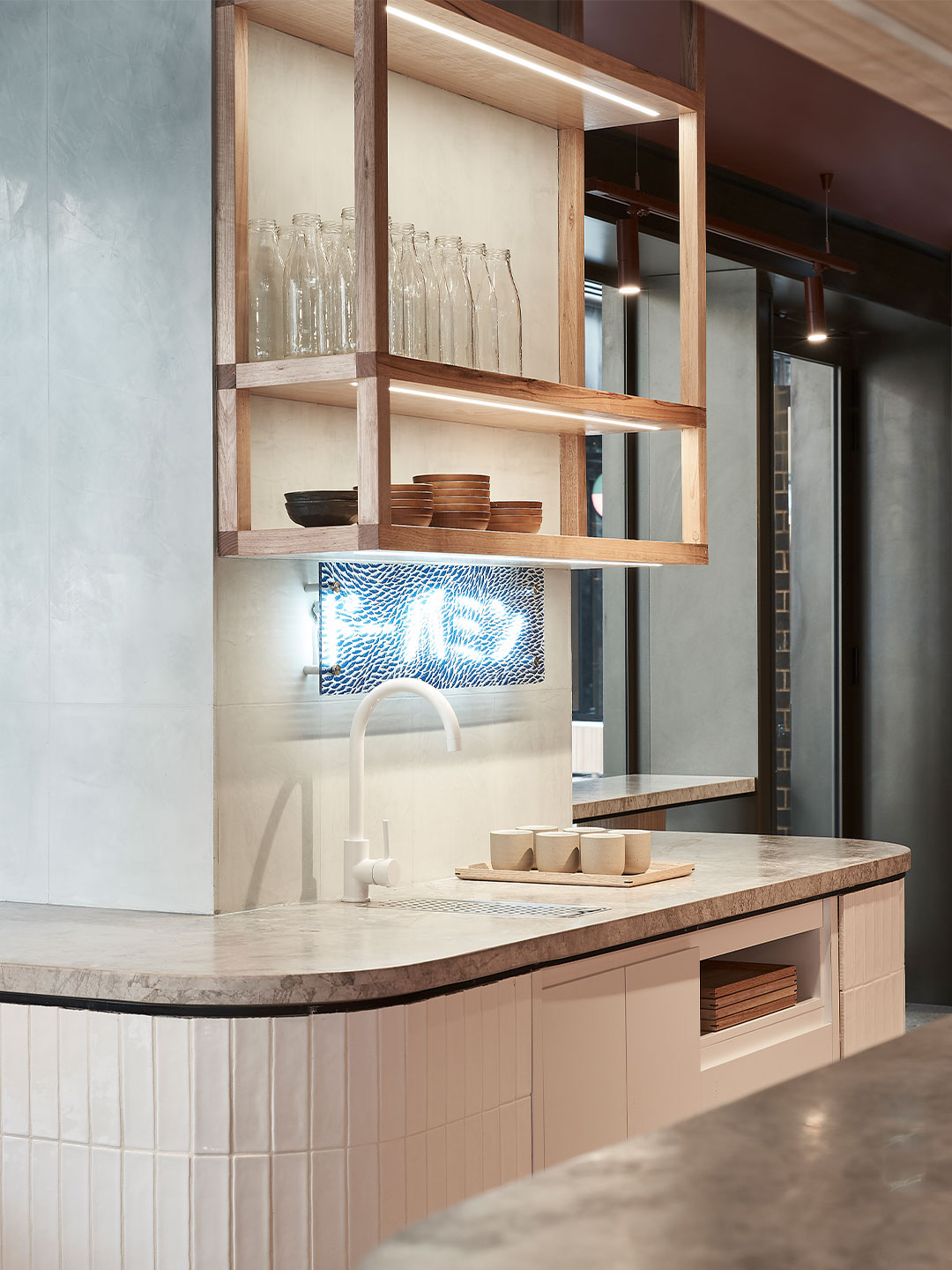
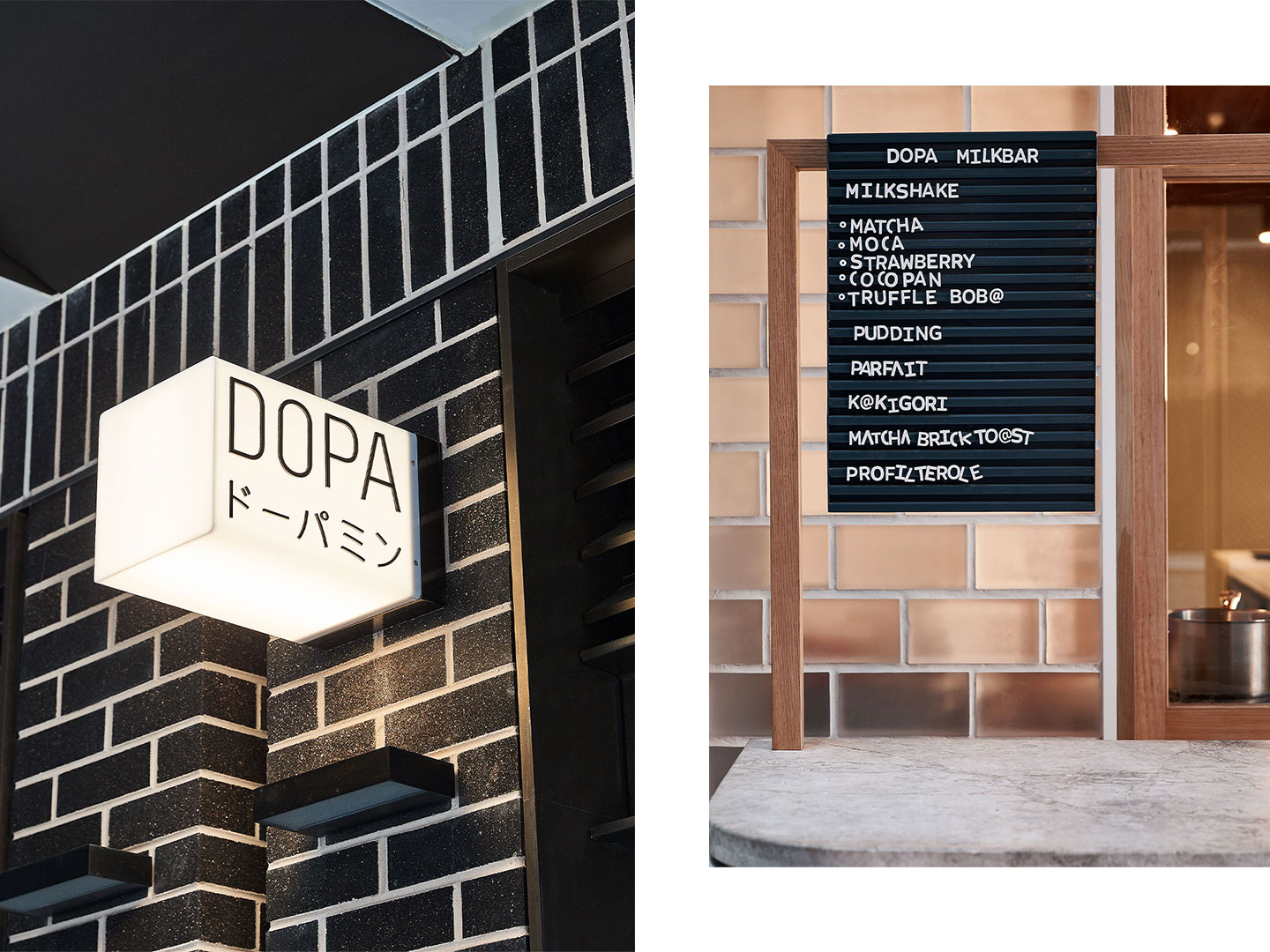
Best Identity Design
Dopa by The Colour Club (Haymarket, New South Wales)
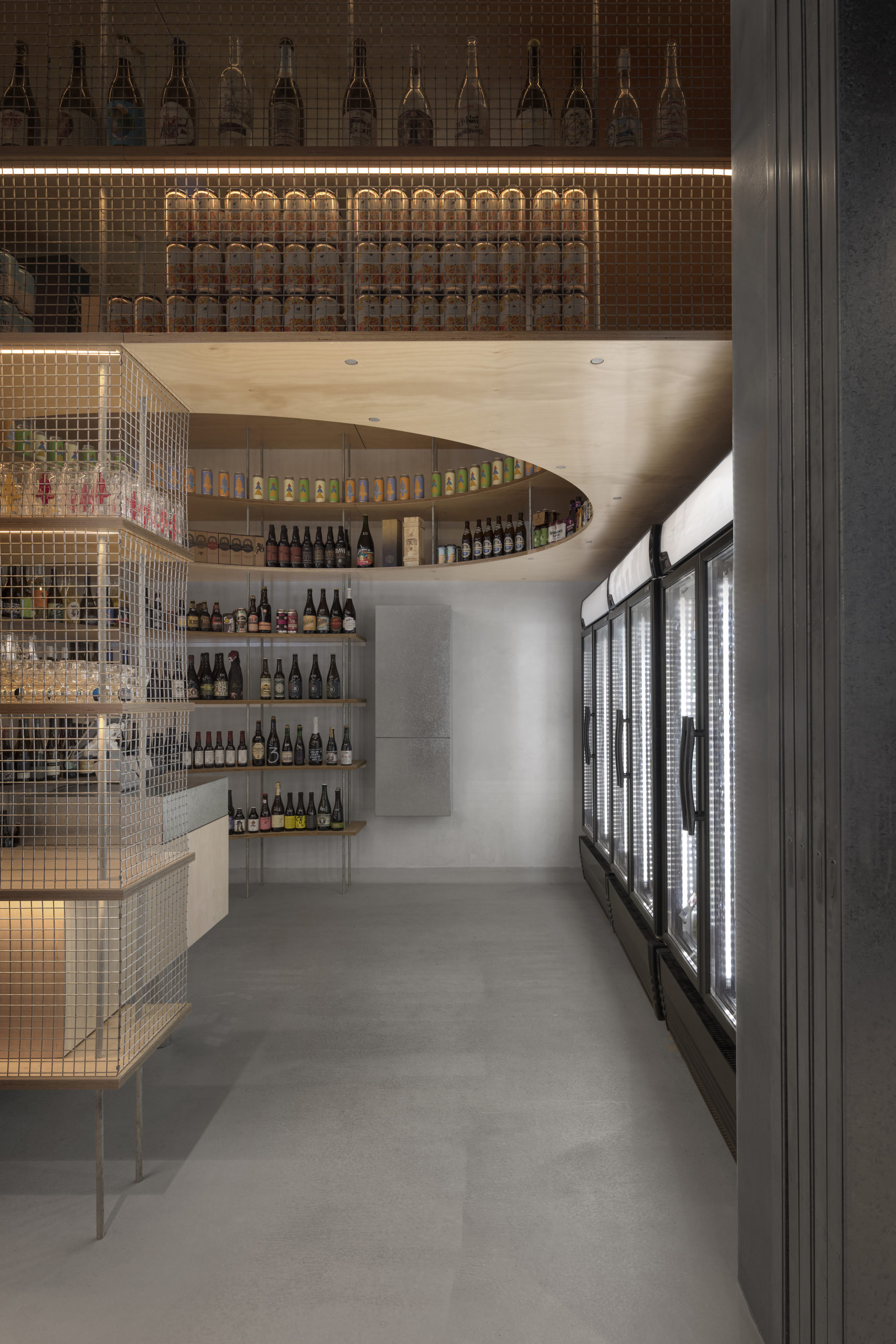
Best Retail Design
Darling Exchange Market Hall by Anthony Gill Architects & Lendlease Design (Haymarket, New South Wales)
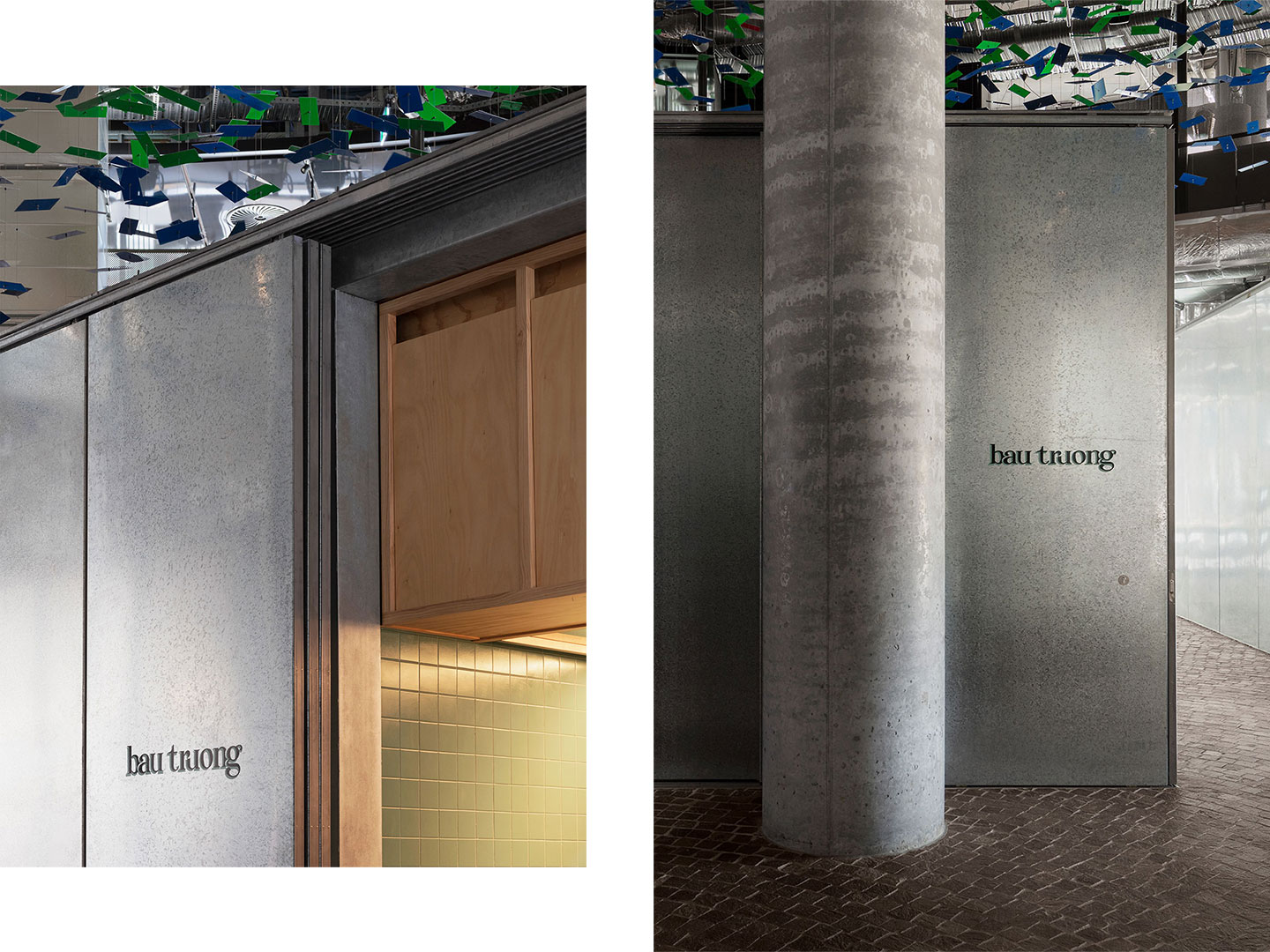
Best Installation Design
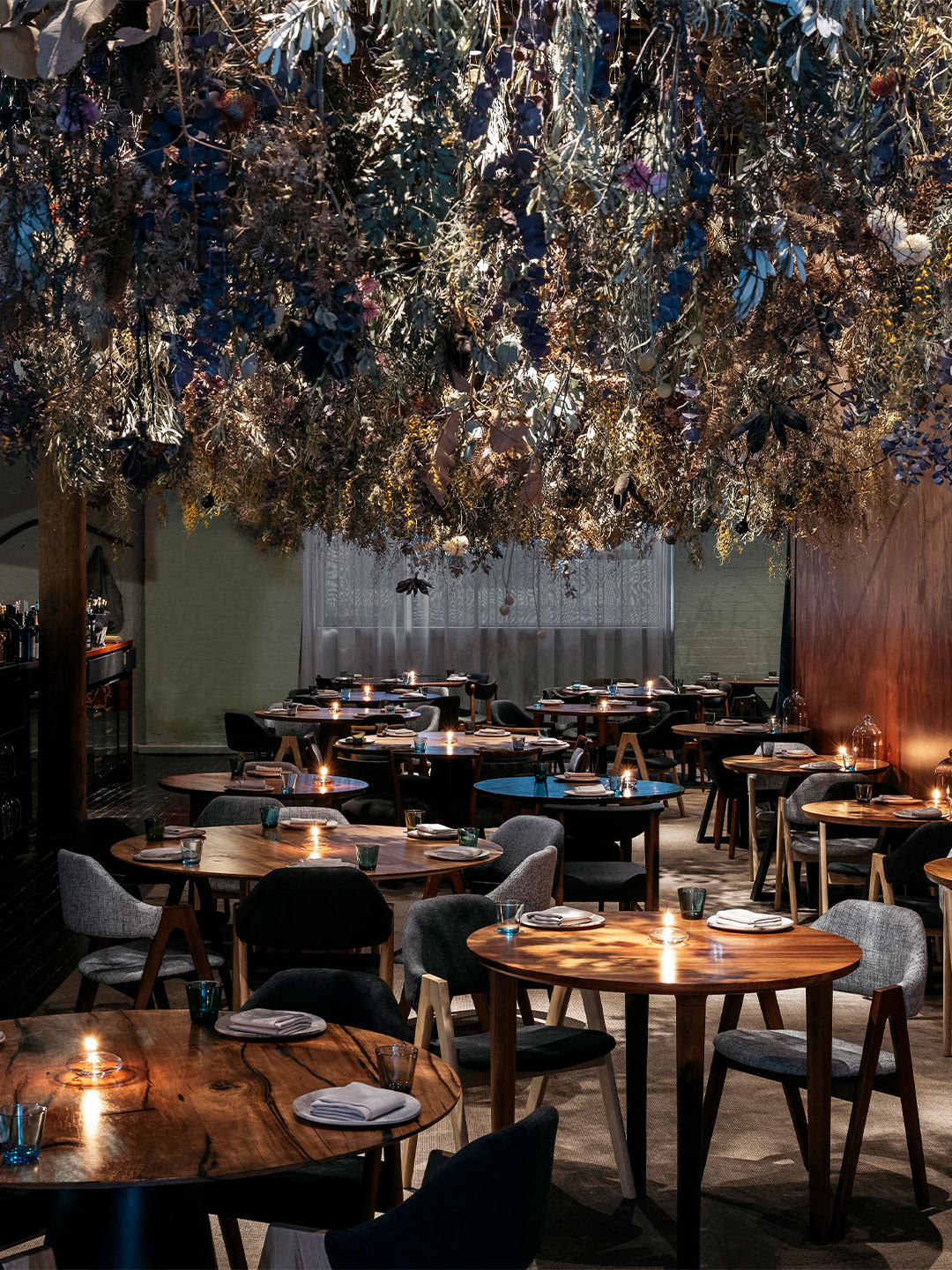
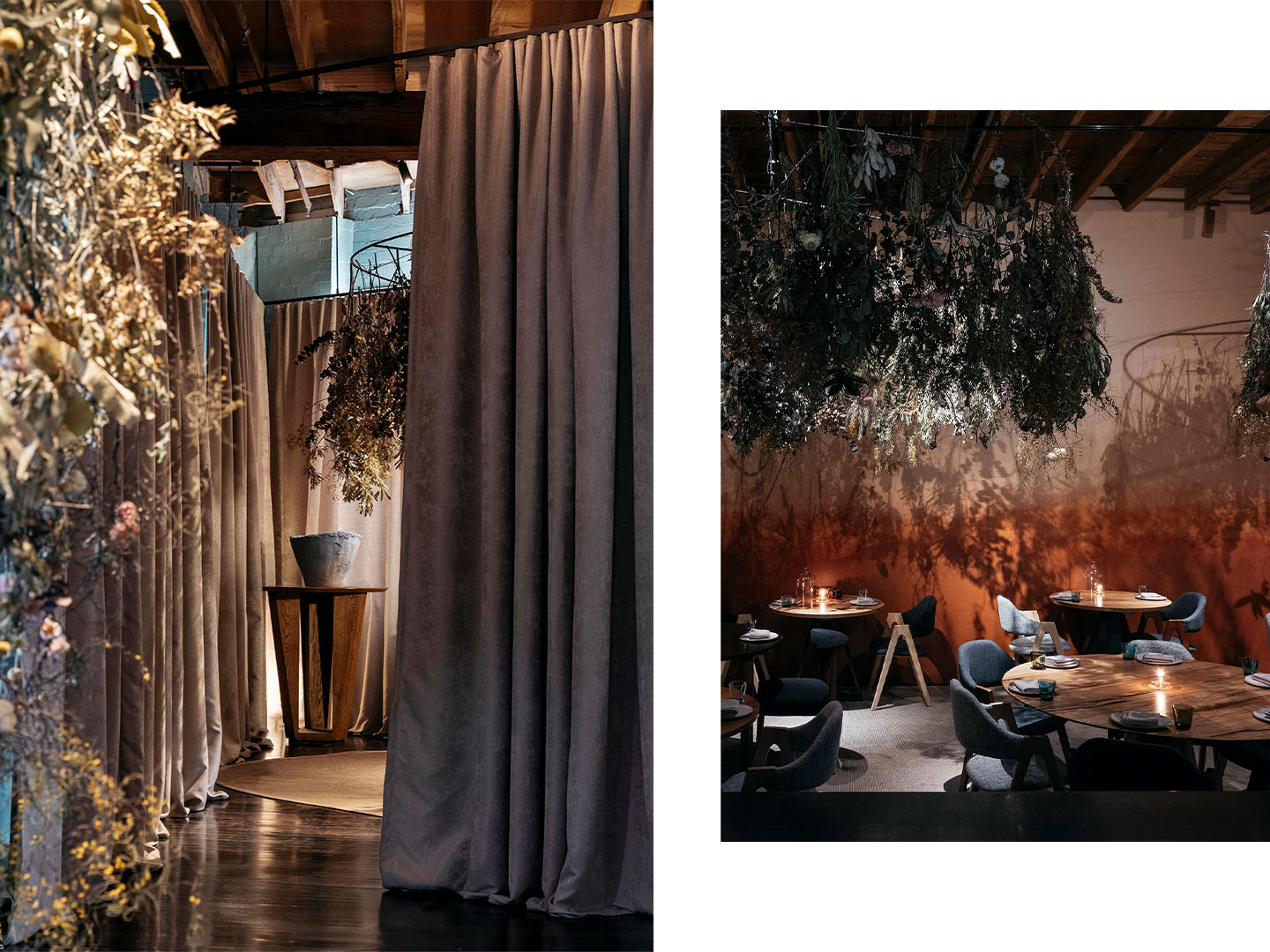
Orana in Residence by SJB with Orana, Promena Projects and Tracey Deep (Surry Hills, New South Wales)
Best Hotel Design
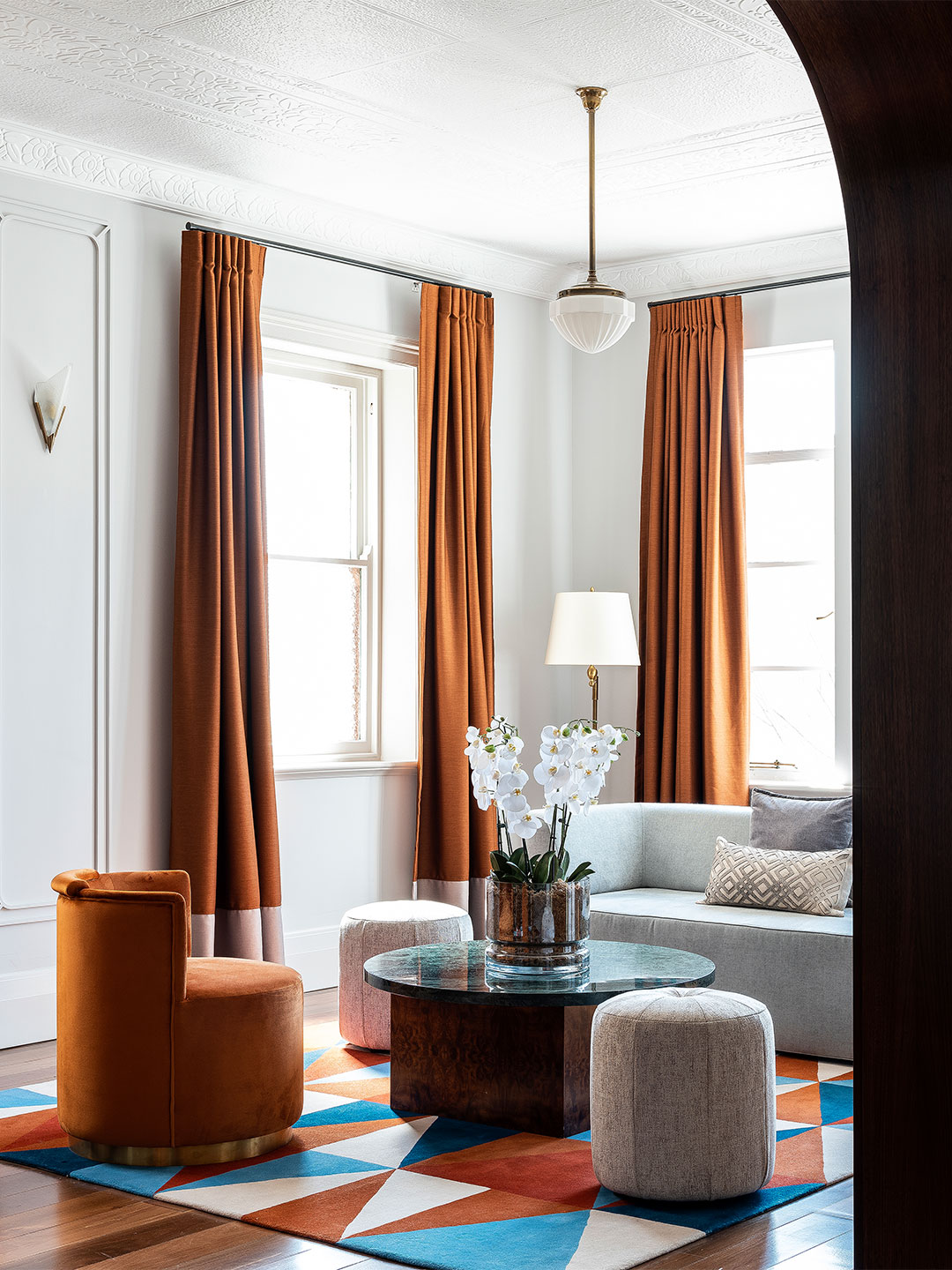
Tattersalls Hotel Armidale by Luchetti Krelle (Armidale, New South Wales)
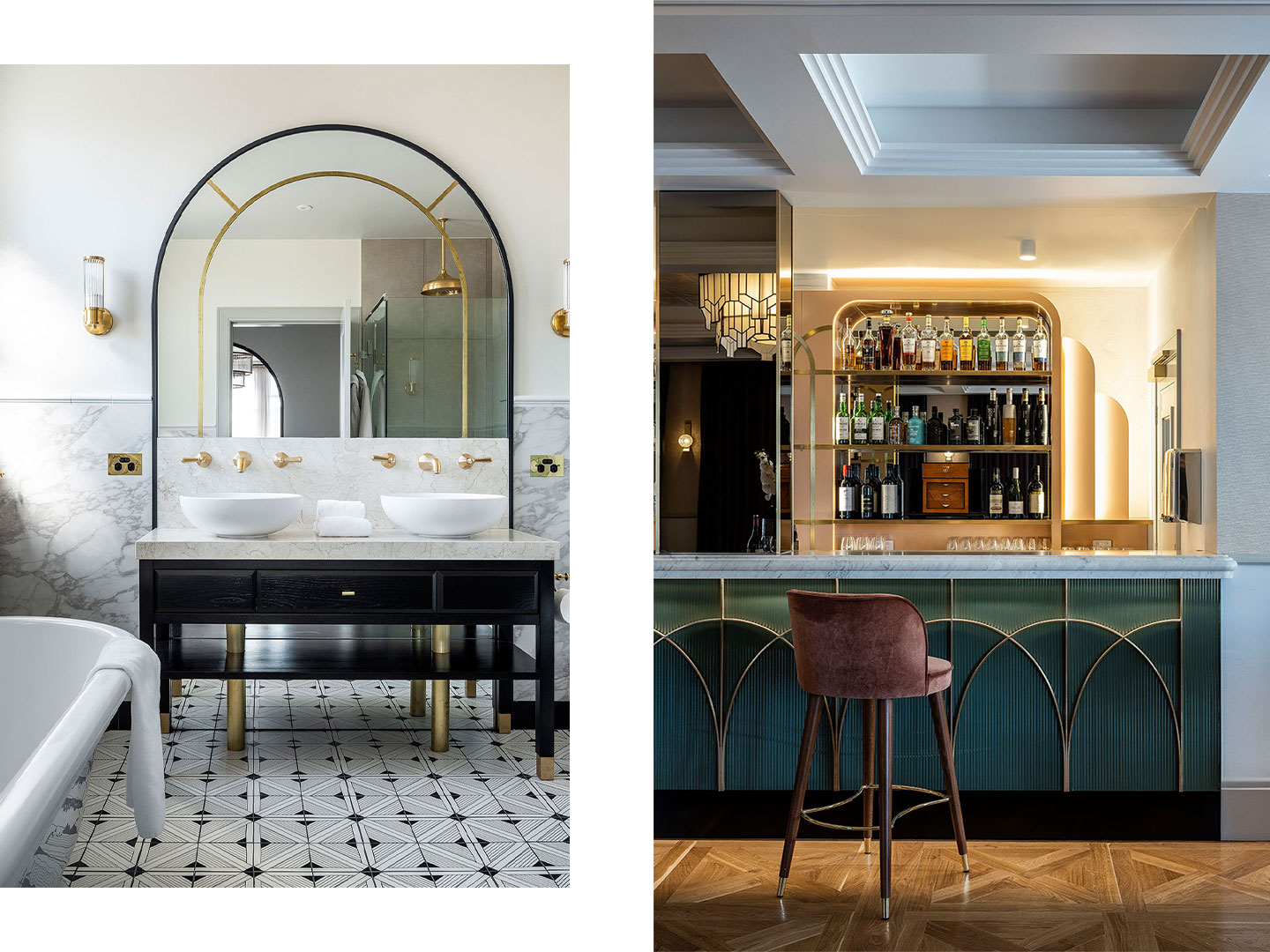
The inductees to the 2020 Eat Drink Design Awards Hall of Fame are Skidmark Designs and Garner Davis Architects for Gin Palace (Melbourne, Victoria).
Related stories
- The 2020 Eat Drink Design Awards shortlist.
- Pull up an all-blue pew at Sydney’s newest gin bar, designed by YSG.
- The bar and restaurant at La Sastrería in Valencia by Masquespacio.
Facing the tramline on High Street in Thornbury, Prior is a chic neighbourhood cafe that opened its doors to the inner Melbourne suburb in early 2020. Observing the eatery from the street, the building – a former print shop – is crowned by typically Art Deco detailing. Dramatic black windows frame the entrance of the 130-seat cafe. An equally theatrical awning is emblazoned with the single word ‘Prior’, positioned front and centre as if to indicate its strength as a headline act in this neck of the woods.
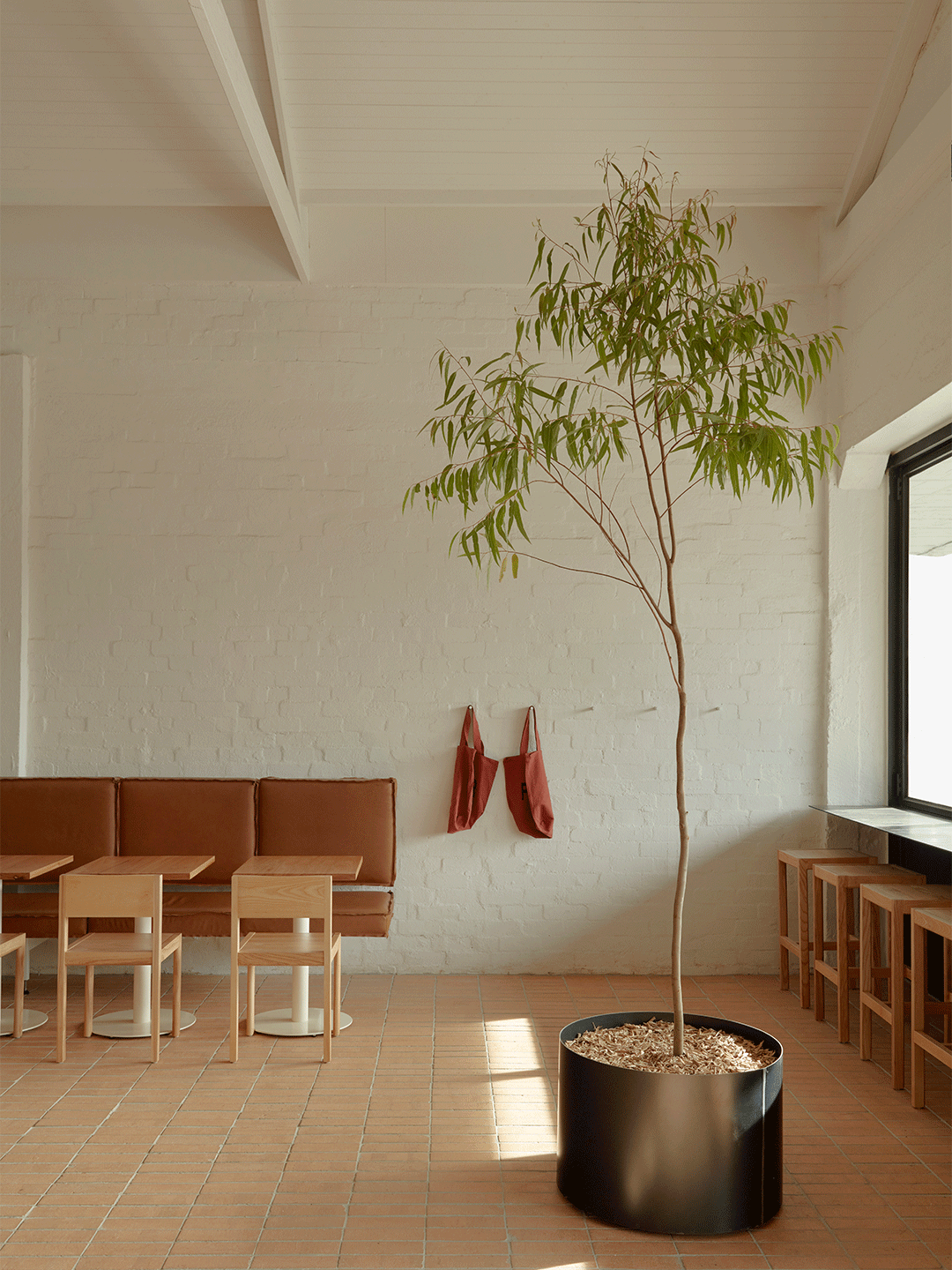
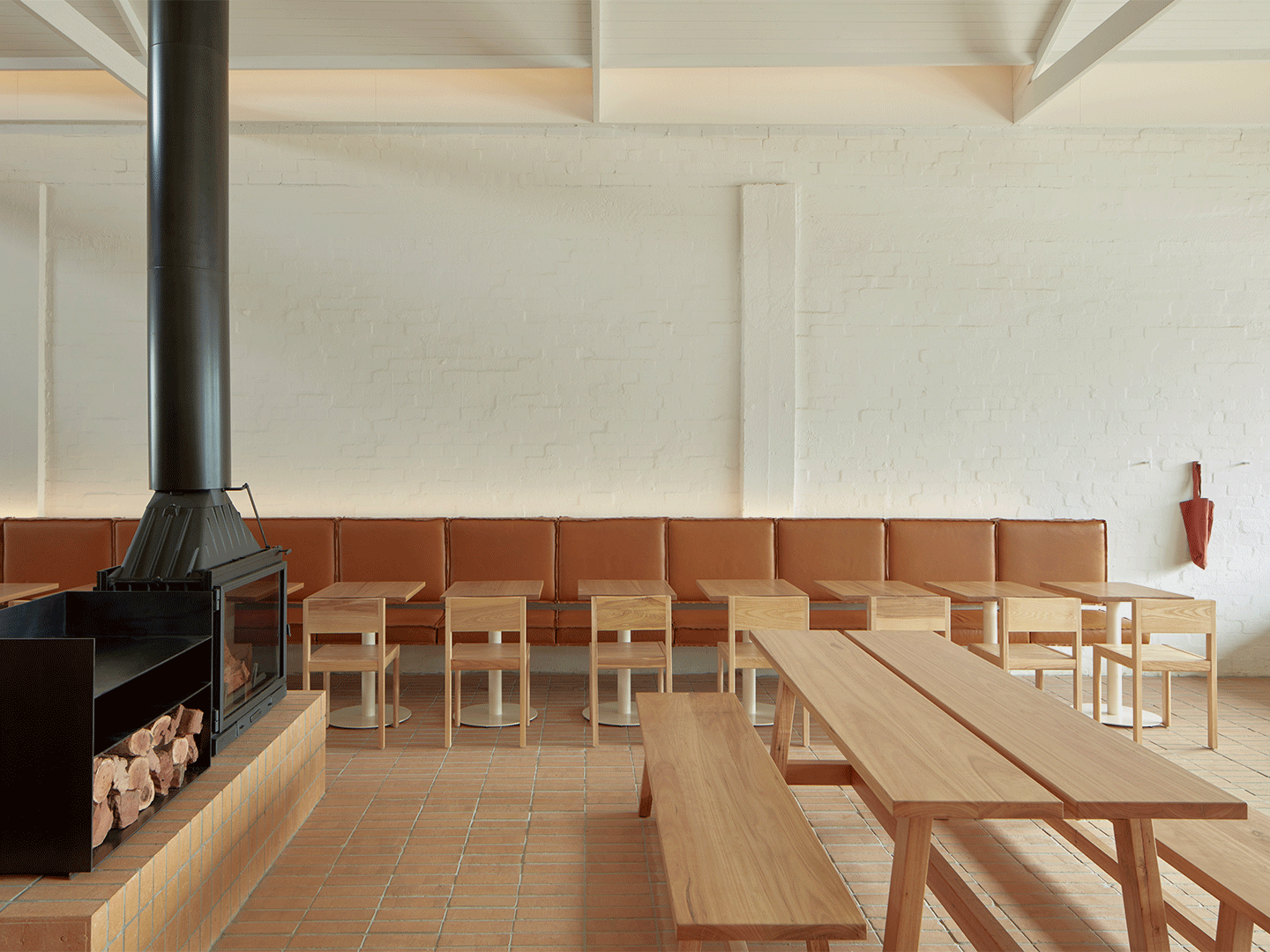
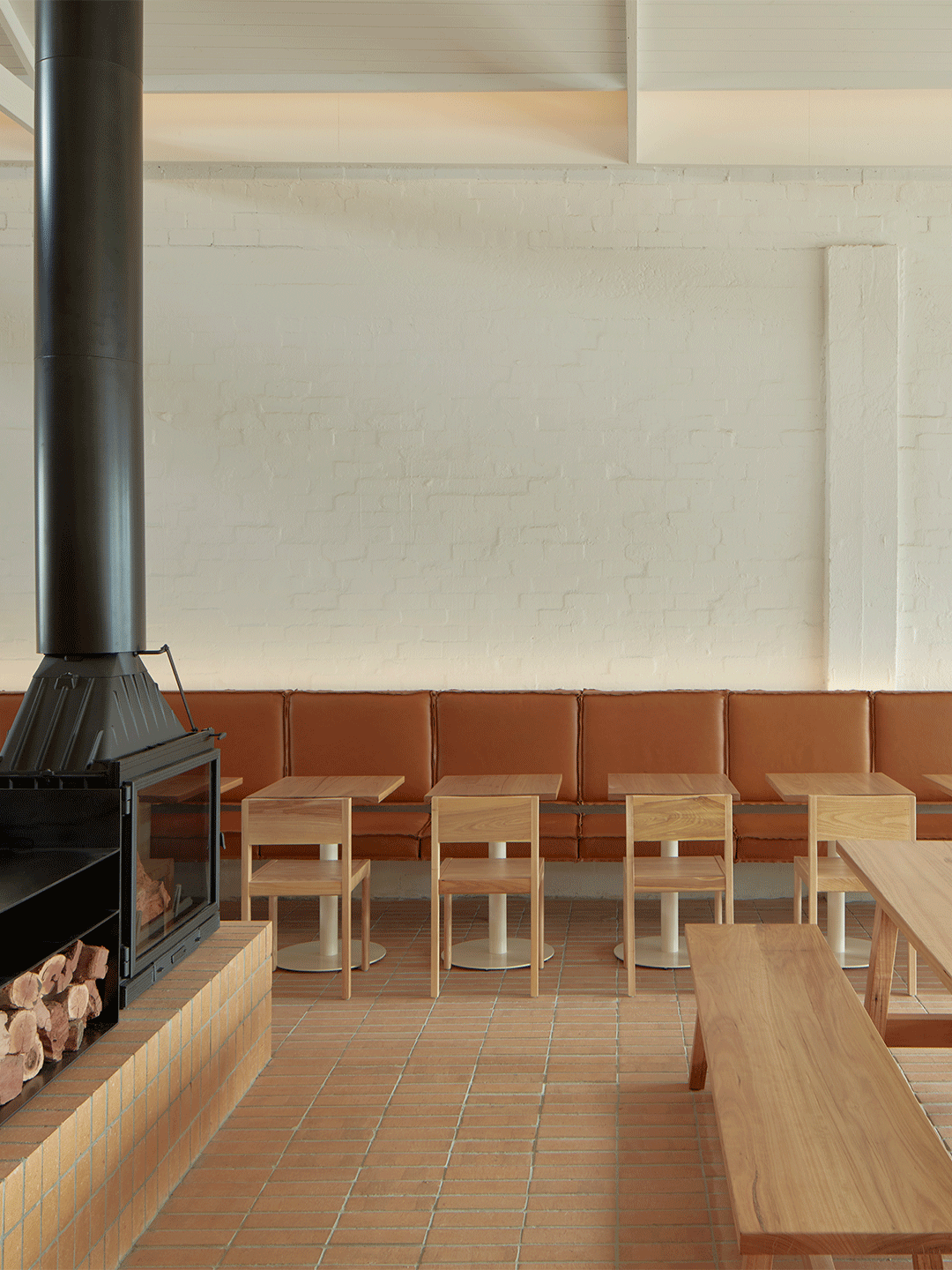
Stepping inside the pared-back cafe, the generously proportioned interior space basks in another kind of light. One of typically Australian feel where the designers, local architecture firm Ritz & Ghougassian, calmly curated clean-lined fixtures and fittings beneath soaring white-painted cathedral ceilings. A leather banquette lines the perimeter wall opposite the open kitchen. The central fireplace is on standby, ready to warm the mitts of patrons during the depths of Melbourne winters.
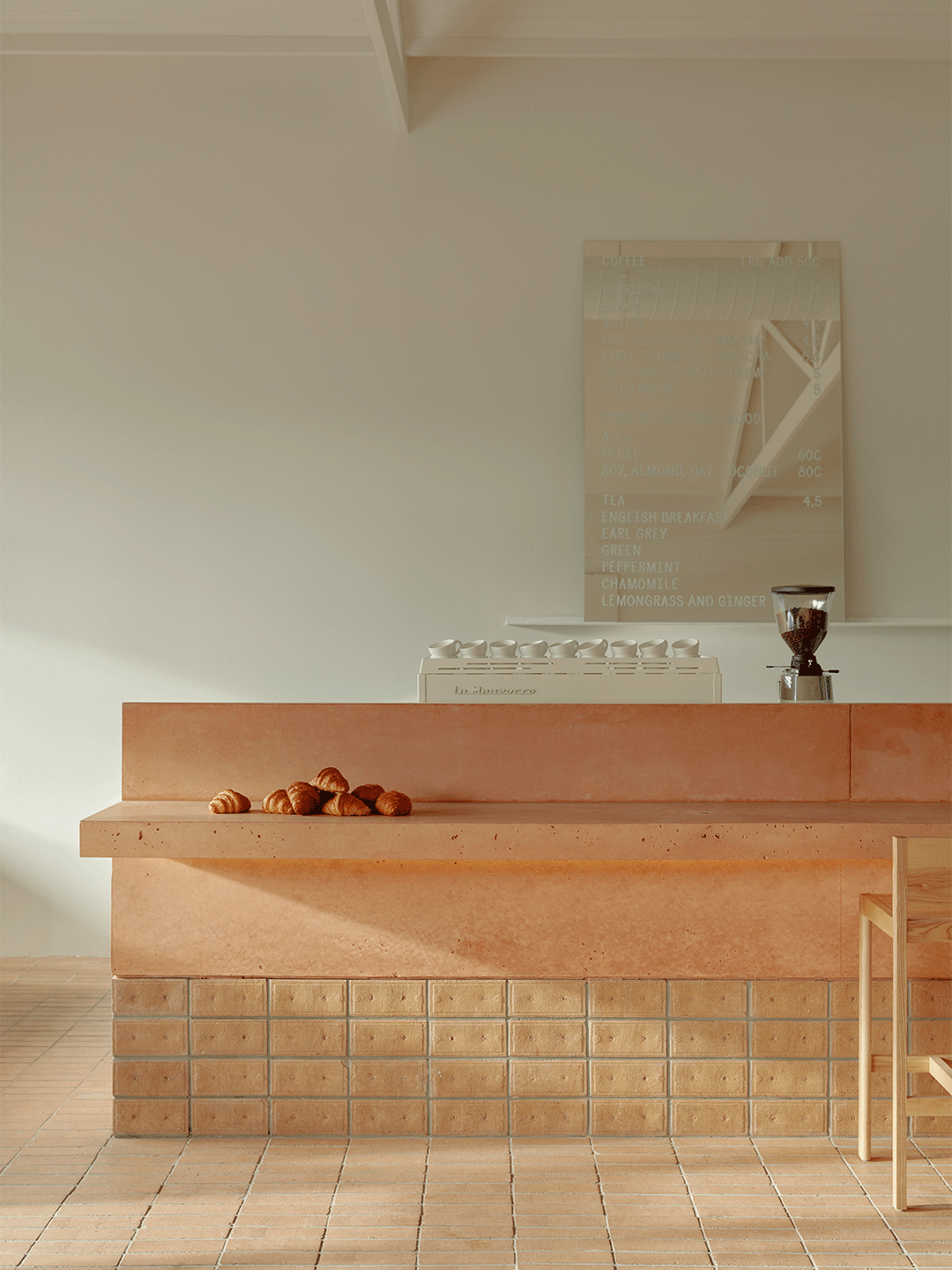
The floor and the face of the bar-height dining counter are lined with a combination of whole and face bricks. A rustic-looking material chosen for its ties to the original construction of the building. Jean-Paul Ghougassian, director at Ritz & Ghougassian, says the bricks, laid in a stack bond arrangement, offer just the right amount of warming colour plus a gentle textural quality. “As a studio, we try to reduce the number of colours used within a particular space in order to create a homogenous finality,” he says. “We wanted to bring a sense of exterior space to the interior. The brick breaks up the interior space much better than alternative materials such as concrete.”
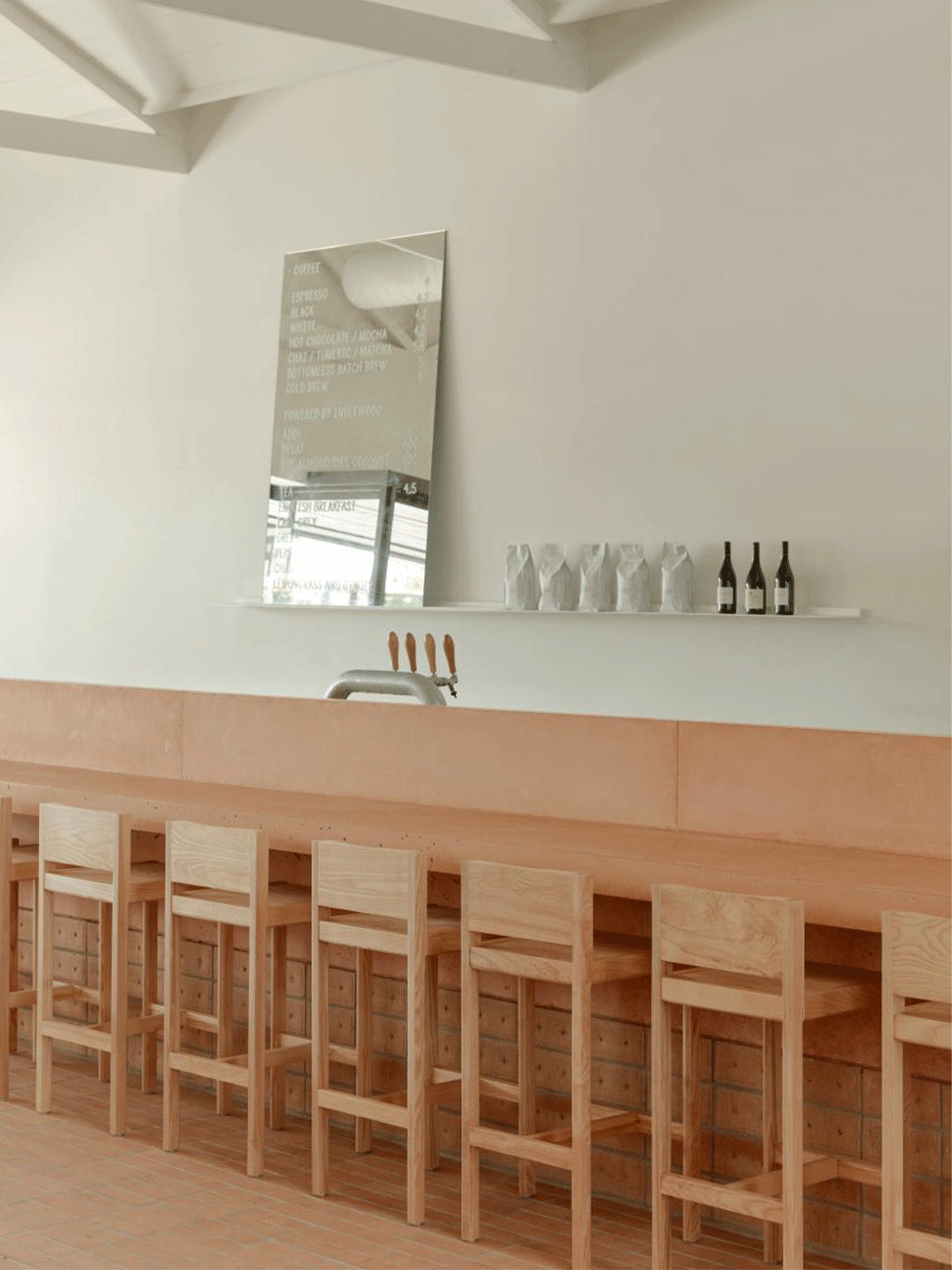
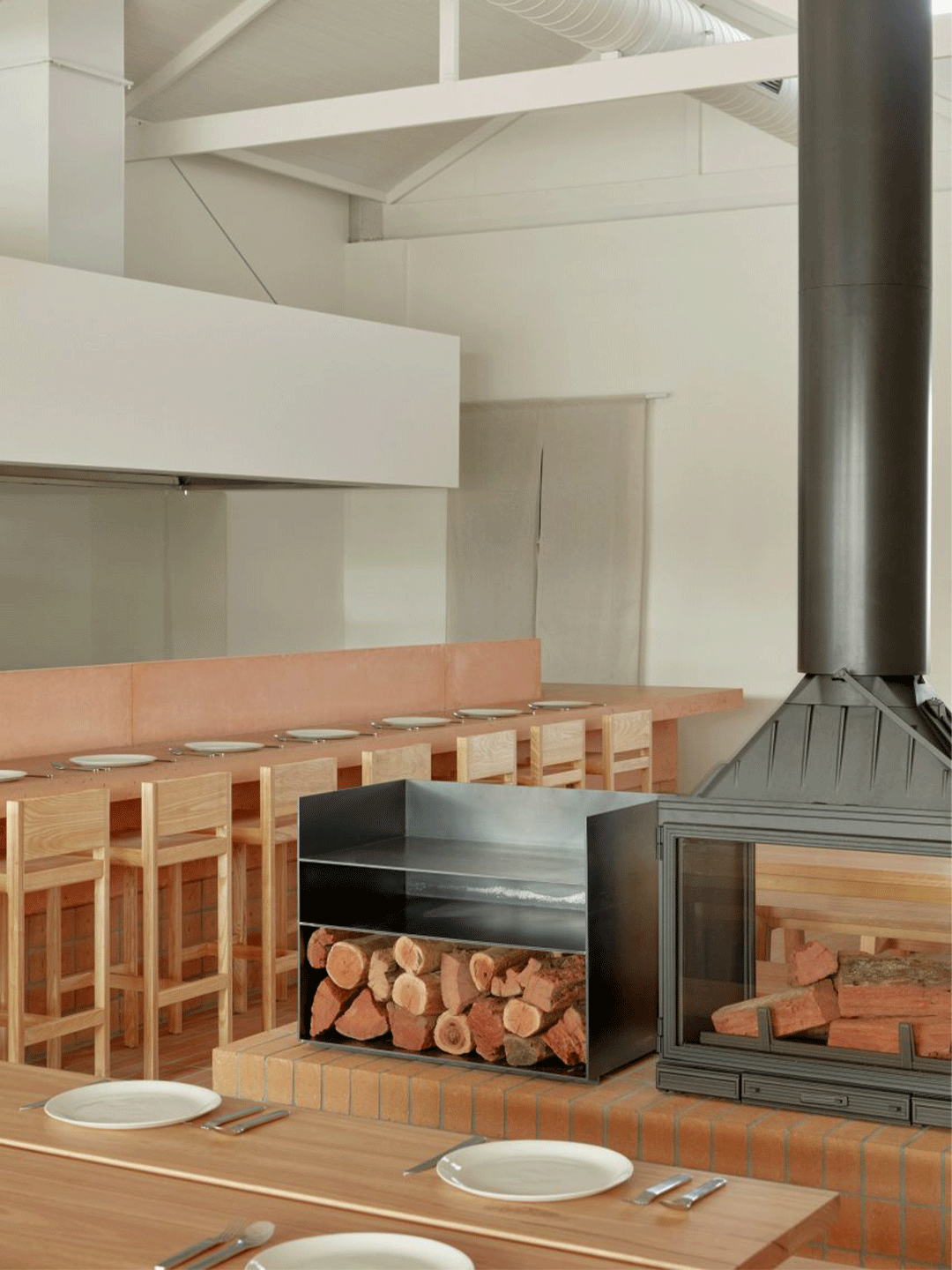
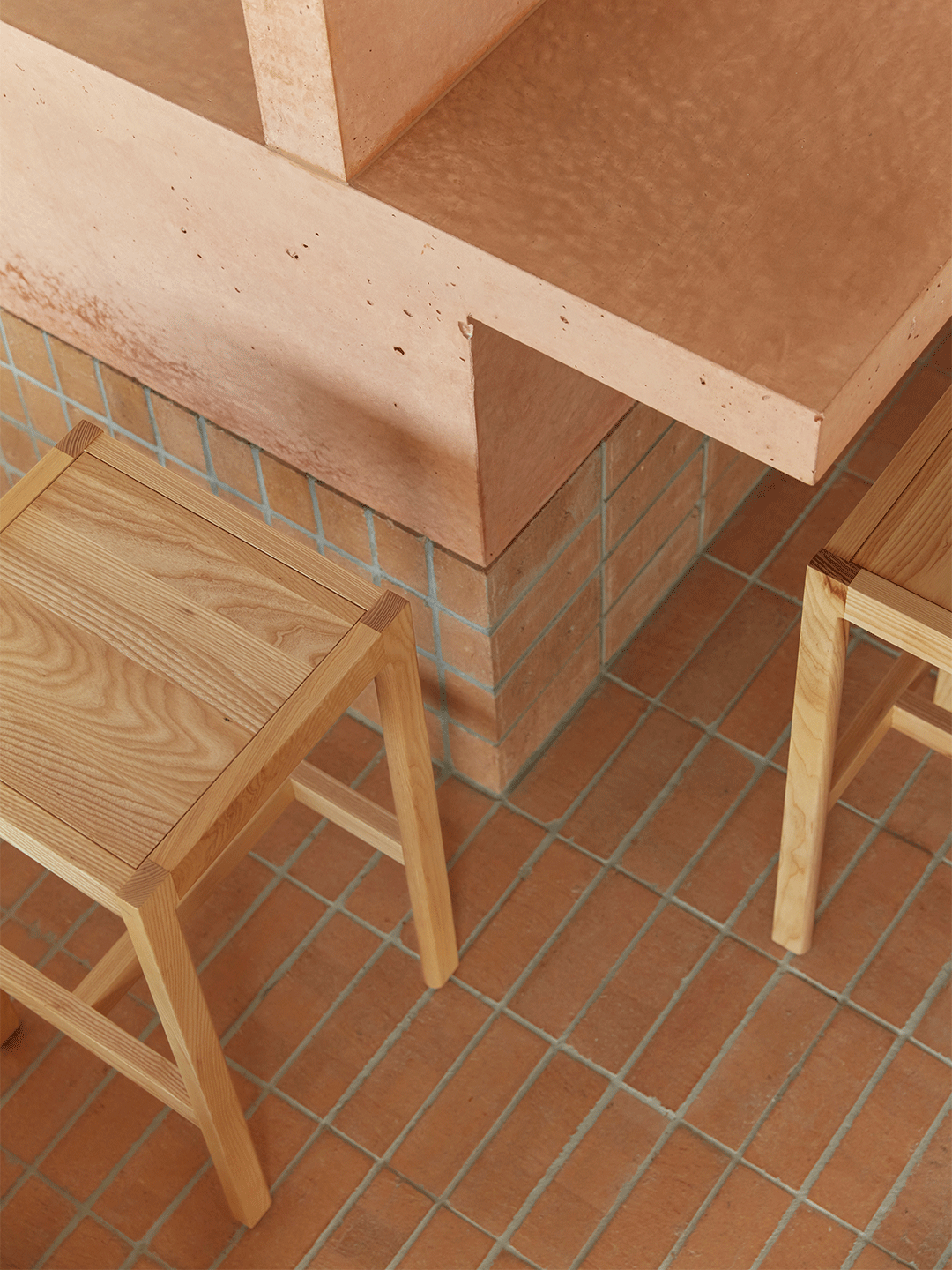
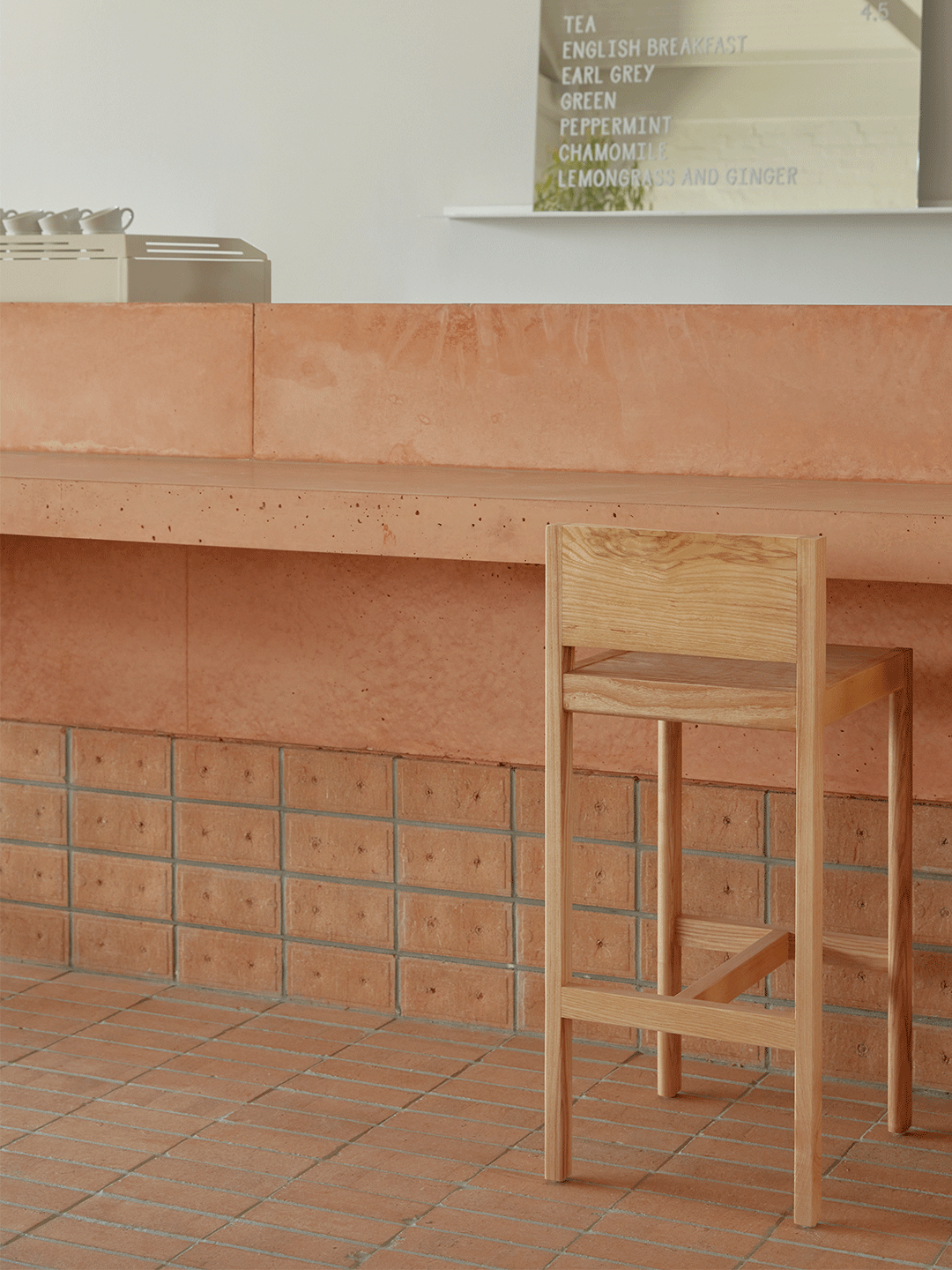
Jean-Paul says the client’s brief was to create a vibrant, contemporary and welcoming neighbourhood cafe so the choice of brick was somewhat inevitable. “People often associate brick with Melbourne’s laneways, so I suppose our design was like tipping a hat to the city’s famous cafe culture.”
As a design studio, Ritz & Ghougassian has made a name for itself in Melbourne by creating several new cafes over recent years. One of the benefits of designing cafes – aside from the pleasure of seeing a project successfully completed – is the prospect of endless barista-made coffee from a grateful client, says Jean-Paul. “Unfortunately, we are based on the other side of the city from Prior,” he laughs. “But we do pop in for a coffee from time to time.”
ritzghougassian.com; priorthornbury.com.au
People often associate brick with Melbourne’s laneways, so I suppose our design was like tipping a hat to the city’s famous cafe culture.