In this week’s architecture and design video round-up (above), walk the vertical network of stairs and balconies that line the exterior of Tokyo’s landmark Arakawa building.
In West Bengal, Abin Design Studio’s Waterfront Clubhouse was part-funded by the government and community fundraising, and has quickly become an important destination in the daily lives of residents.
A debut for the duo, Monaco-based architecture and interiors studio Humbert & Poyet has partnered with French iron-crafter La Maison Pouenat to release a range of furniture and lighting. Take a look.
And finally this week, joining the Lendlease development that is home to Australia’s most expensive residence, the new ‘Sykhomes’ at One Sydney Harbour offer panoramic views across the glittering city.
For more information on each of these stories, see below.
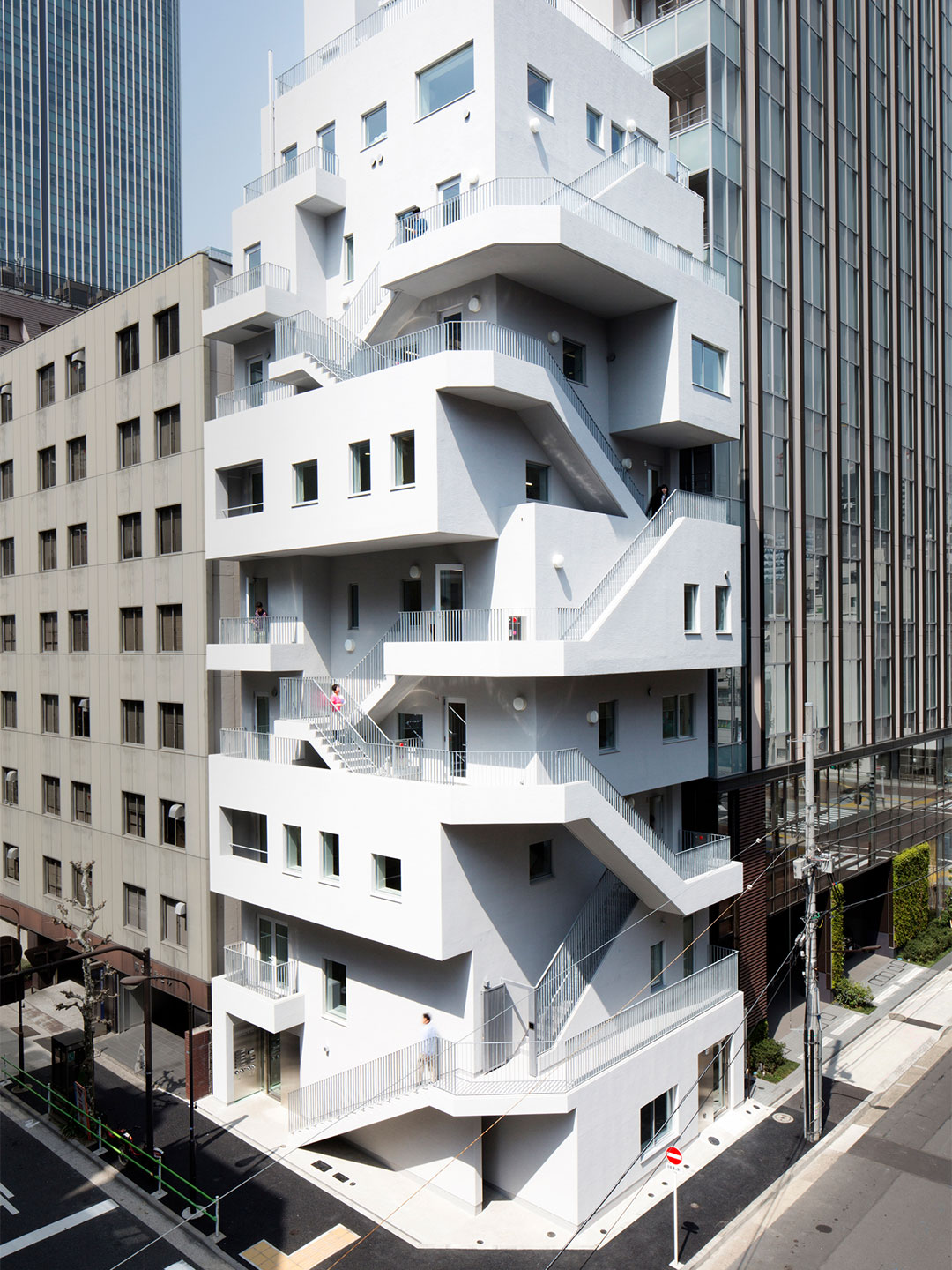
- Arakawa building in Japan: Overlooking a bustling Tokyo intersection, the Arakawa building by Nikken Sekkei is a landmark volume with a vertical network of stairs and balconies that zigzag the building’s exterior. Read more.
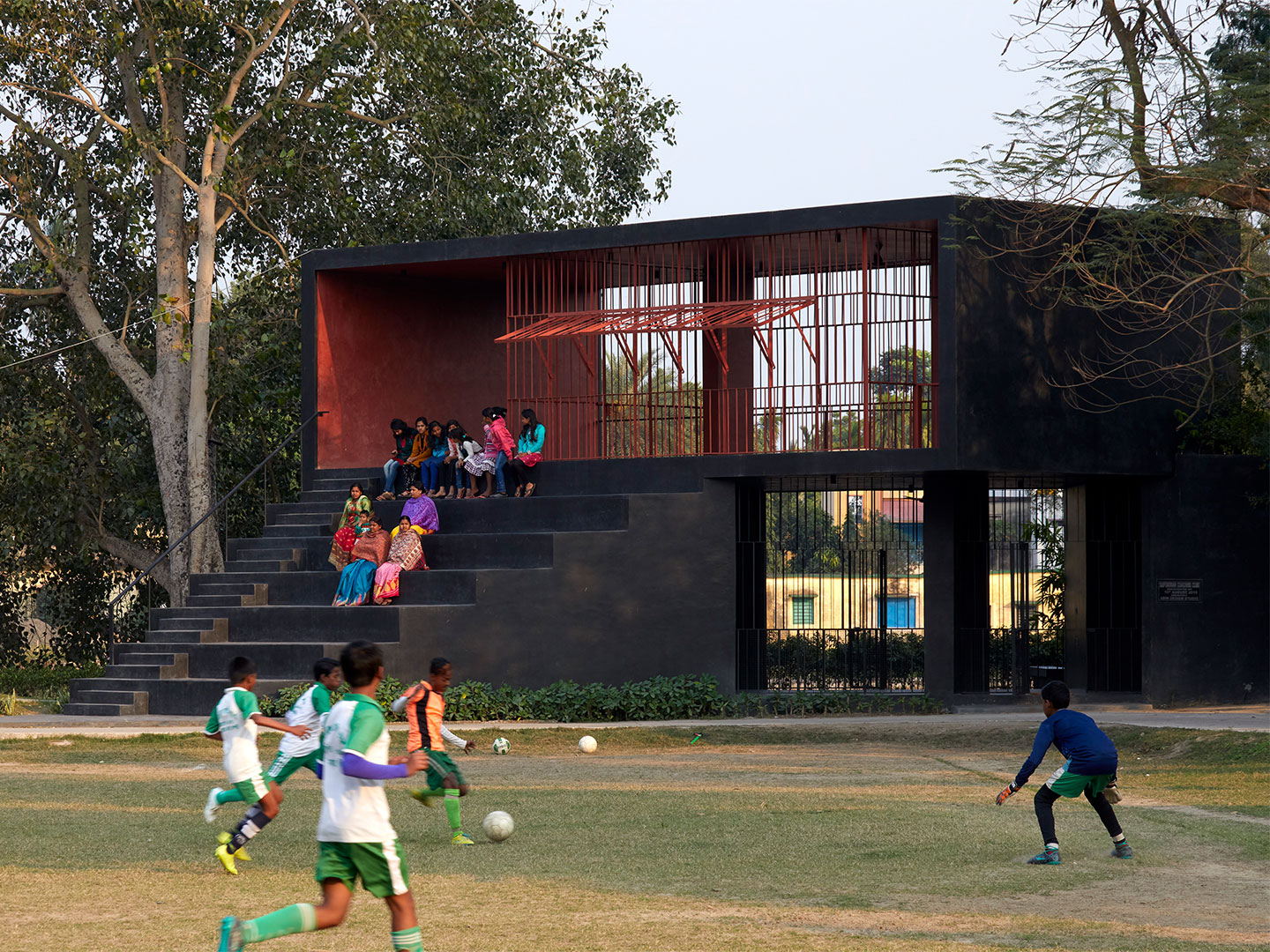
- Waterfront Clubhouse: Abin Design Studio’s Waterfront Clubhouse in West Bengal has become a place where residents young and old converge to celebrate, collaborate and hone their athletic skills. Read more.
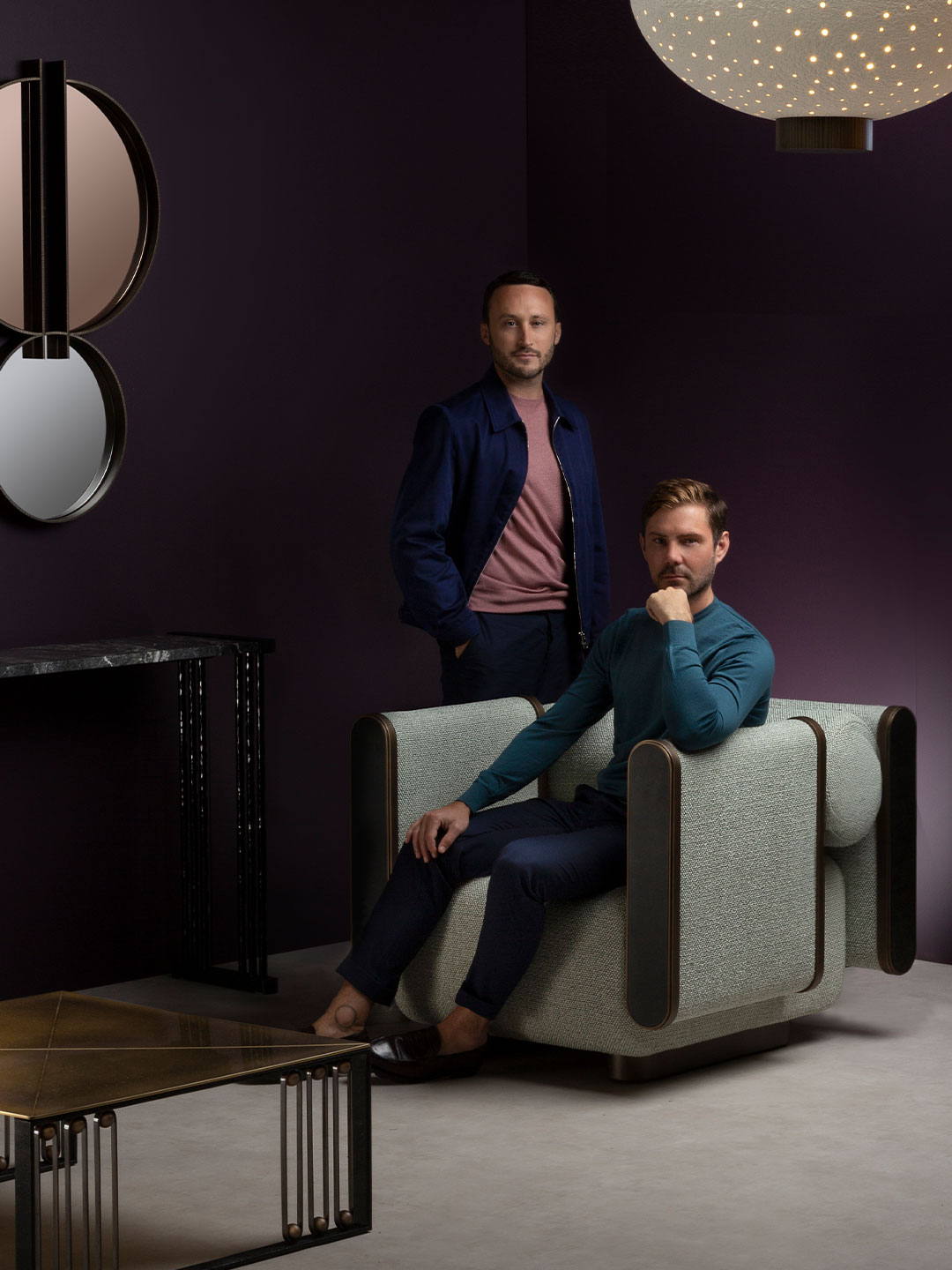
- Metamorphosis collection: The debut range of exquisite furniture and lighting by Emil Humbert (above right) and Christophe Poyet was created in collaboration with French iron-crafter La Maison Pouenat. Read more.
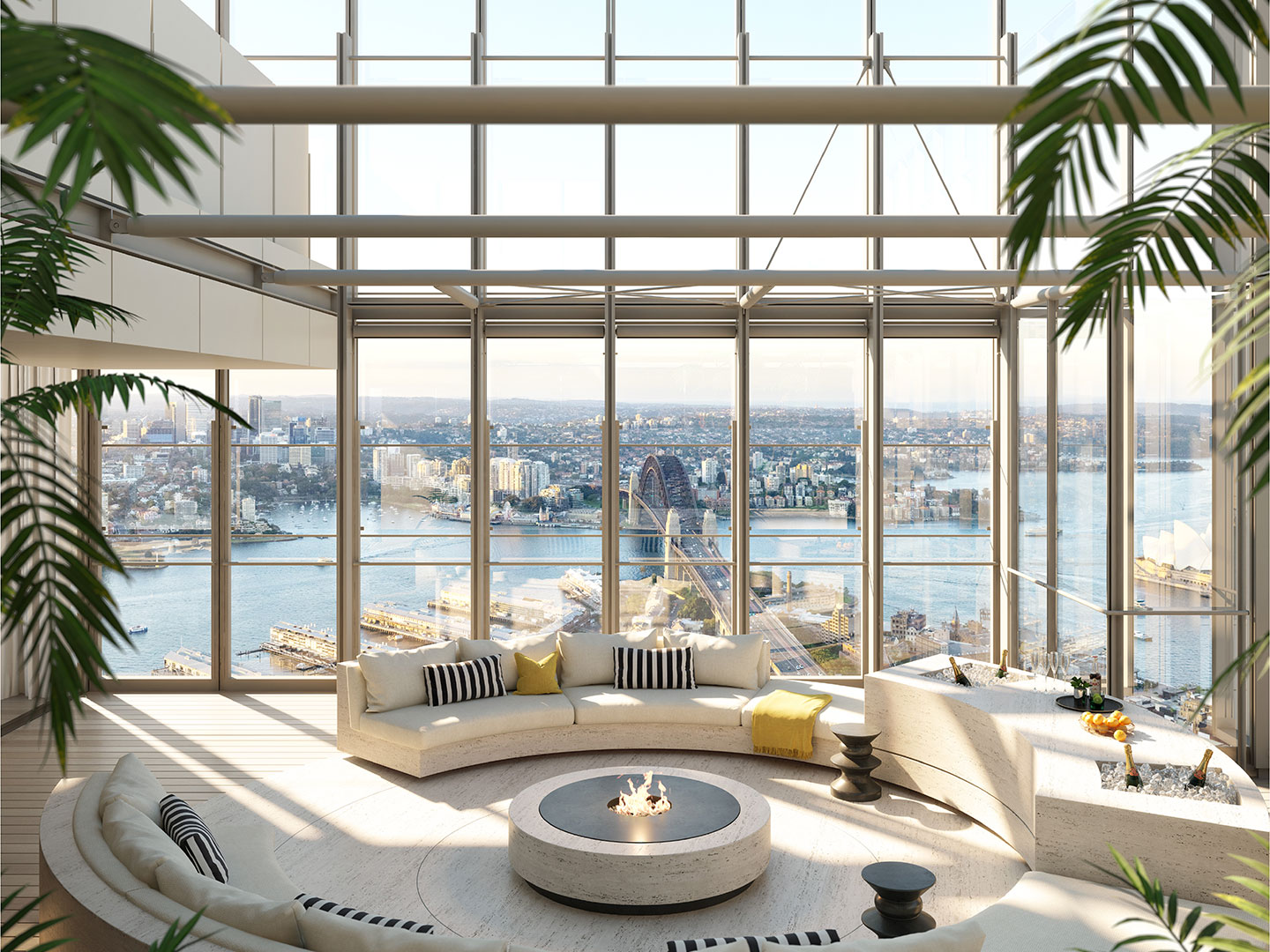
- ‘Skyhomes’ at One Sydney Harbour: Guided by Lendlease, the next phase in the One Sydney Harbour development sees the creative reunion of Pritzker Prize-winning architect Renzo Piano and interior designer Daniel Goldberg. Read more.
Join the action at Tokyo’s landmark Arakawa building and watch a match from the Waterfront Clubhouse in West Bengal.
Related stories
In this week’s architecture and design video round-up (above), walk the vertical network of stairs and balconies that line the exterior of Tokyo’s landmark Arakawa building.
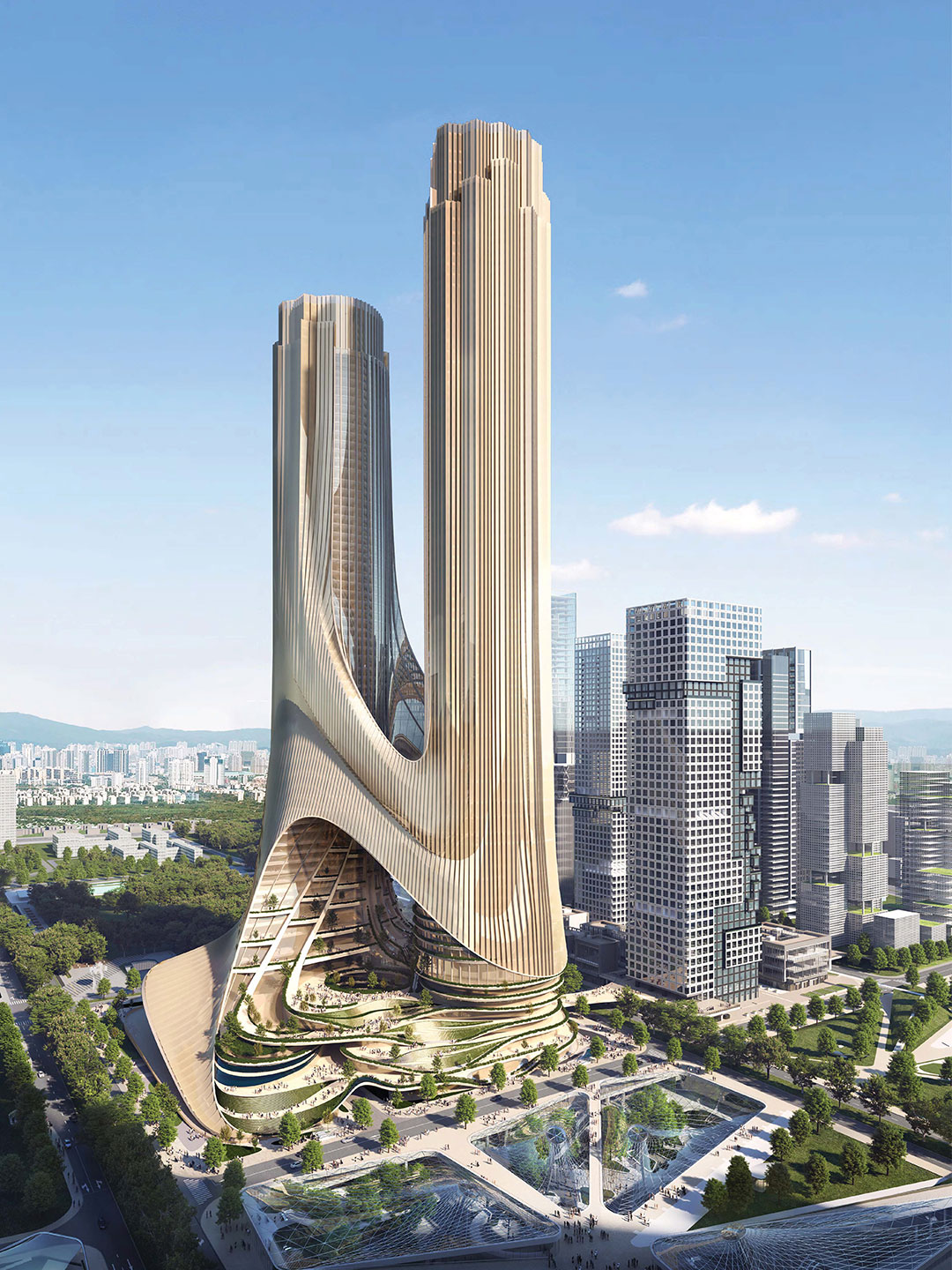
Upon completion, the precinct is slated to be an important business and financial centre in Shenzhen, serving the Greater Bay Area of Guangdong, Hong Kong and Macau. The base will include venues for international conferences, exhibitions, cultural and art programs, plus residential developments, a transportation centre, botanical grasslands and a coastal wetland zone.
News highlights
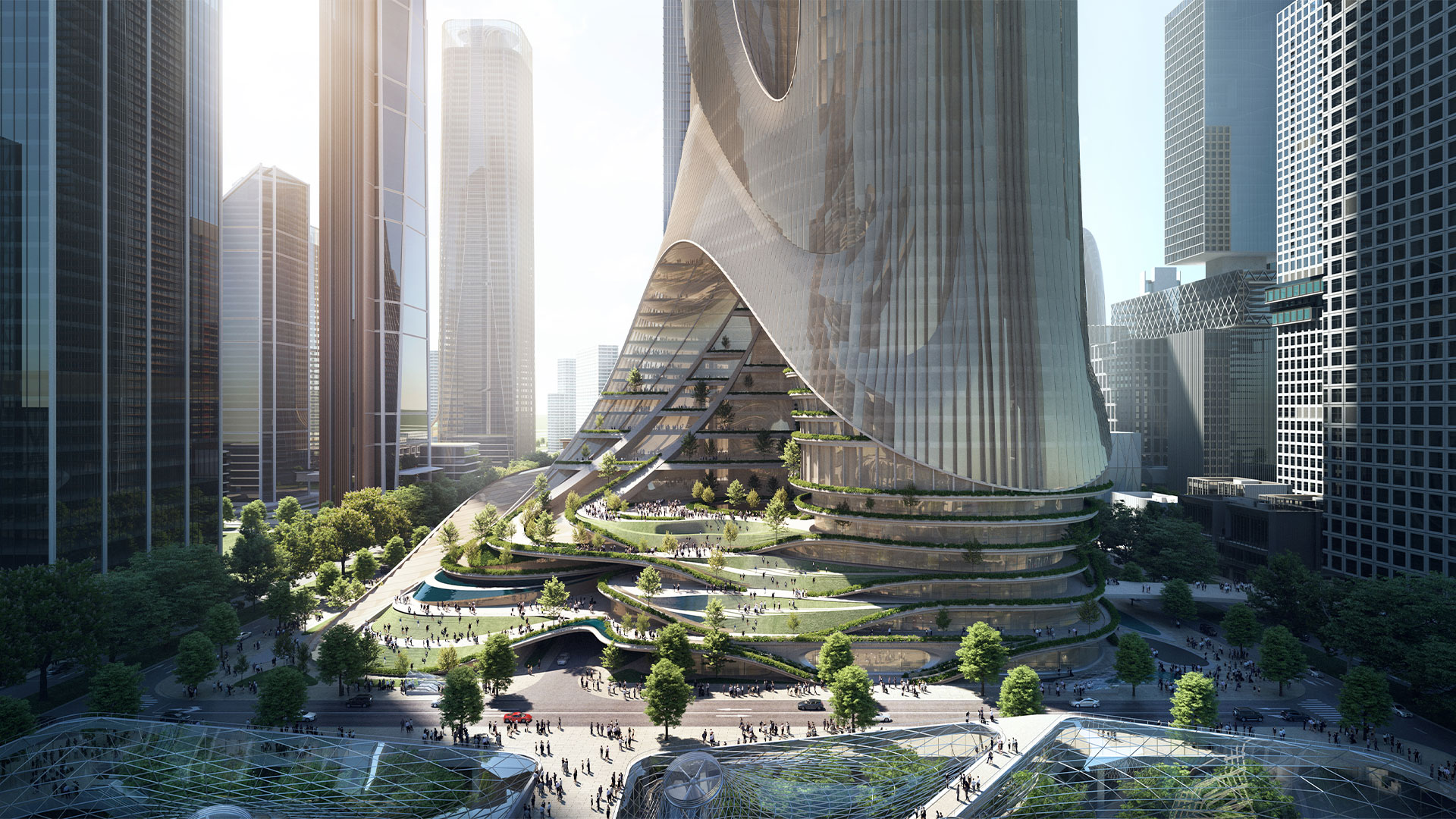
- ZHA has been chosen to build Tower C at Shenzhen Bay Super Headquarters Base in China.
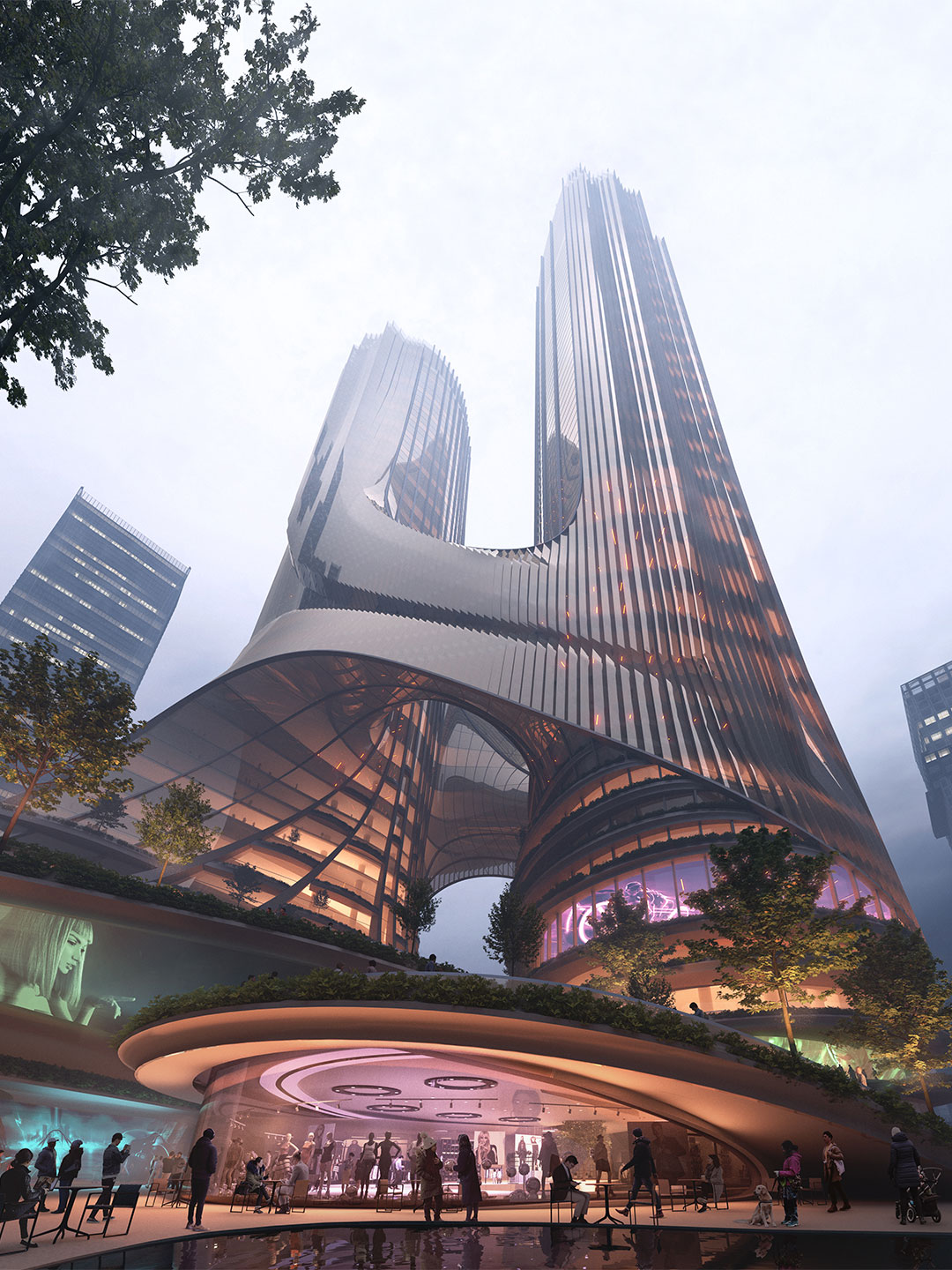
- The proposal for Tower C illustrates two super-tall towers, one reaching 400 metres in height.
- At the base of the development, a series of publicly accessible garden terraces connect to a nearby park and plazas.
- Continuing the district’s goals to increase efficiencies and well-being, Tower C promises to target carbon reductions and spearhead recycling initiatives.
- Once completed, the base expects to host 300,000 people per day.
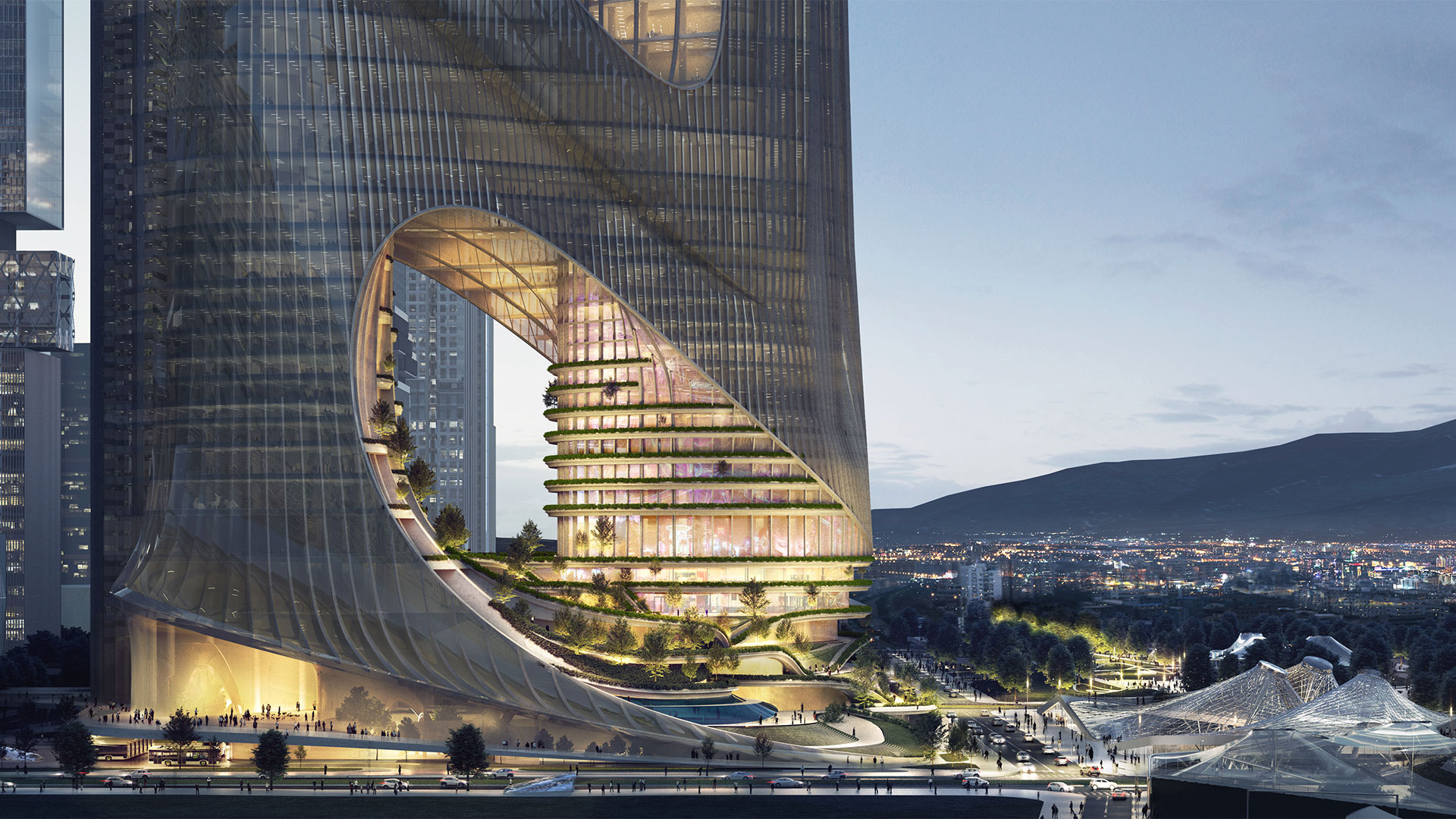
Located at the intersection of the city’s planned north-south green axis and Shenzhen’s east-west urban corridor, Tower C by ZHA responds to its location by connecting directly with the adjacent park and open plazas. These green zones transform into a terraced landscape extending upwards within the building’s two super-tall towers, inviting the public into the heart of the building. Here, cultural and leisure attractions are housed in “sweeping bridges”, says the designers, that unite the towers and offer access to panoramic views.
“Served by the expanding Shenzhen Metro network, Tower C’s stepped podium integrates with the park to create a new public space for this dynamic city that has grown to become a global centre of technology innovation,” says a statement from ZHA. “Uniting the park’s landscapes with the civic plazas of the tower’s lower levels provides direct pedestrian access and daylight to the public transport interchange below ground.” The hub is also expected to include extensive bicycle parking and recharging facilities.
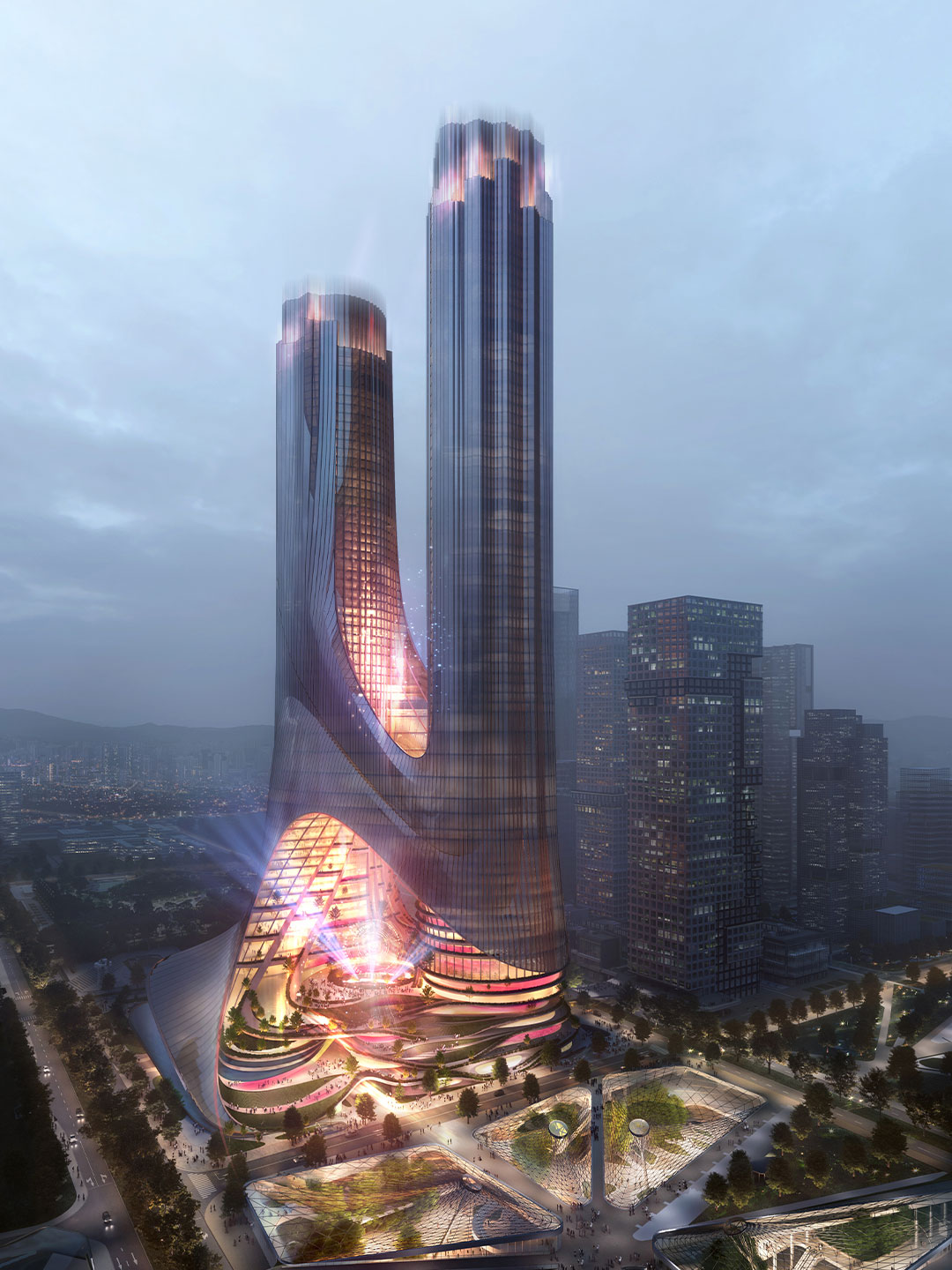
The designers describe Tower C as a “vertical city”, providing column-free naturally lit office space, shopping, entertainment and dining amenities, partnered with a hotel and convention centre. The double-insulated glass curtain wall of the towers facilitates self-shading and incorporates ventilation channels that draw outside air through operable cavities, providing climate control to each floor. Indoor environmental controls will adjust automatically to reduce energy consumption.
Continuing the district’s goals to increase efficiencies and well-being, Tower C promises to target carbon reductions and spearhead the use of recycled materials. Water will be collected and reused on-site. Photovoltaic systems will be positioned to harvest solar energy for the local area. Aquaponics gardens on all terraced levels will filter contaminants from the local environment while low-volatile organic compound materials are to be installed to minimise indoor pollutants and particulates.